

We’ve all been there, reaching for a plastic container to store leftovers or pack a lunch. It’s convenient, lightweight, and seems harmless enough. However, not everything belongs in plastic. Certain foods can react with plastic containers, affecting both the food’s quality and your health. Here’s a list of common foods you should steer clear of when it comes to plastic storage.
1. Tomatoes
Tomatoes, whether they’re fresh, cooked, or in sauce form, are highly acidic. This acidity can react with plastic containers, potentially leading to chemical leaching. When chemicals from the plastic leach into your food, they may disrupt your hormones or lead to other health concerns. According to a study by the University of Cincinnati, chemicals like BPA can leach from plastics more readily in the presence of acidic foods. To be safe, opt for glass or ceramic containers when storing your tomatoes.
Besides chemical concerns, tomatoes can also stain plastic containers, leaving them with a permanent red hue. It’s not just an aesthetic issue; the lingering tomato scent can also be challenging to remove. You might find your next batch of chocolate chip cookies smelling slightly of marinara. So, to keep both your food and storage pristine, give plastic a pass when it comes to tomatoes. You’ll thank yourself later when your container doesn’t carry a lingering tomato aroma.
2. Hot Soups And Stews
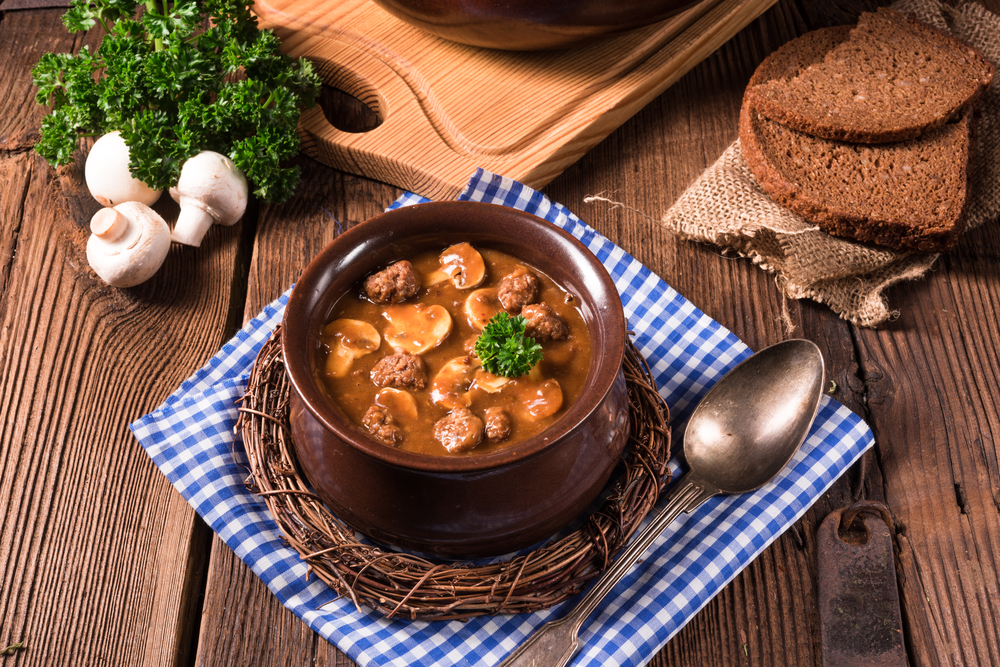
Pouring hot soups or stews into plastic containers might seem harmless, but it’s not the best idea. Heat can cause plastic to warp and potentially release harmful chemicals into your food. When you’re dealing with something as important as your health, choosing the right storage medium counts. Glass or stainless steel is a better choice for hot food storage as they don’t react negatively to heat. With the range of food-safe alternatives available, it’s simple to make the switch.
Additionally, these containers maintain the food’s temperature better, keeping your soup or stew warm for longer. Plastics, on the other hand, can leave your meal lukewarm and unsafe for later consumption. Plus, glass and steel are generally easier to clean, saving you time and effort. By avoiding plastic, you ensure a safer eating experience every time. You’ll notice the difference in taste and quality.
3. Curries

Curry dishes, famous for their vibrant spices and rich sauces, can be a nightmare for plastic containers. The powerful turmeric and other spices can not only stain but can also be absorbed by the plastic, leaving a lingering smell. Dr. Jane Muncke, an expert in food packaging chemicals, points out that such odors can affect the taste of future foods stored in the same container. It’s a culinary experience you’d rather avoid, trust me. Glass or stainless steel containers won’t absorb these odors and are far easier to clean.
Moreover, the oils in curries can create a slick residue that is tough to wash off plastic containers. This can lead to a bizarre mix of odors and flavors combining in your container over time. Nobody wants their fruit salad to carry a hint of last week’s curry. Opt for non-porous materials like glass, which won’t hang on to those oils and scents. You’ll preserve the integrity of your dishes and keep your storage options versatile.
4. Salads With Vinegar-Based Dressings

Salads, especially those tossed with vinegar-based dressings, can wreak havoc on plastic containers. The acidic nature of vinegar can cause plastics to break down faster, leading to potential contamination. This breakdown increases the risk of harmful chemicals leaching into your food. To avoid this problem, consider storing your dressed salads in glass or stainless steel containers. These materials are resistant to acidic reactions and will keep your food tasting fresh.
Additionally, vinegar tends to leave a persistent smell that can be difficult to remove from plastics. This odor can affect the taste of the next meal you store in that container. Not to mention, repeated exposure can lead to a buildup of unpleasant scents, making your container less appealing for future use. By choosing non-plastic options, you maintain cleanliness and ensure a neutral smell for subsequent leftovers. A simple switch can enhance your dining experience.
5. Coffee

Coffee is a staple for many, but storing it in plastic can lead to unexpected surprises. The rich oils in coffee can permeate plastic containers, leading to lingering odors and flavors. Research from the University of Queensland highlights that coffee’s acidic nature can expedite the breakdown of plastic over time. This breakdown can cause unwanted substances to seep into your morning brew. For the best flavor and safety, keep your coffee in airtight glass or metal containers.
Moreover, plastic containers can alter the taste of coffee, making it less enjoyable. The mingling of coffee and plastic can give your drink a strange, off-putting flavor. If you’re a coffee aficionado, preserving that pure, rich taste is essential. Switching to glass or metal not only extends the freshness of your coffee but also protects its flavor profile. A small change in storage makes a big difference in your morning ritual.
6. Pickled Foods

Pickled foods are loved for their tangy flavor and long shelf life. However, their acidity makes them unfriendly to plastic containers. The acidic brine used in pickling can interact with plastic, potentially leading to the leaching of unsafe chemicals. For the best quality and safety, store your pickled foods in glass jars. Glass doesn’t react with acidic substances, preserving the taste and safety of your pickled delights.
Plastic containers can also become stained and retain the strong scent of pickled items. This lingering odor can be challenging to remove and may affect the taste of other foods stored afterward. To avoid these issues, it’s best to stick with glass or ceramic storage solutions. Your pickled foods will stay fresh and flavorful, and your containers will remain versatile for other uses. Make the switch for a cleaner, more effective storage solution.
7. Cheese
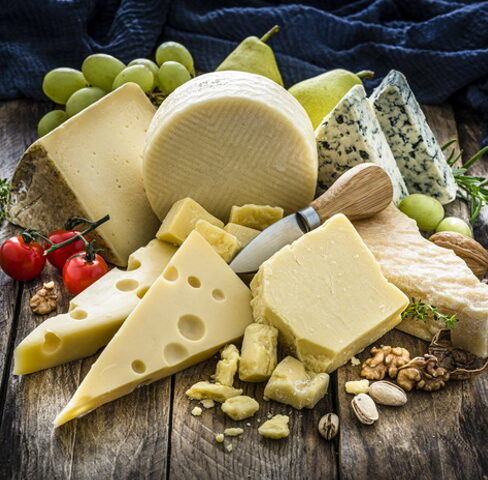
Cheese, a beloved staple in many households, often gets stored in plastic without a second thought. However, plastics can trap moisture and cause cheese to spoil faster. Dr. Michael Tunick, a scientist specializing in dairy products, explains that cheese needs to breathe, and plastic doesn’t allow that. Instead, wrap your cheese in wax paper or use a glass container with a loose lid to allow for air circulation. This method preserves the integrity and flavor of your cheese longer.
Storing cheese in plastic can also lead to unwanted mold growth. The trapped moisture creates a breeding ground for bacteria, ruining your cheese faster than you’d expect. Nobody wants to reach for a piece of cheddar only to find it covered in fuzz. By switching up your storage method, you enhance the lifetime and quality of your cheese. You’ll enjoy every bite without the worry of spoilage.
8. Fresh Herbs

Fresh herbs are a delightful addition to any dish, but they require careful storage to retain their flavor and texture. Plastic containers can trap moisture, leading to wilting and loss of flavor. Instead, try wrapping herbs in a damp paper towel and placing them in a glass or ceramic container. This method provides the right amount of moisture while preventing excess buildup that leads to spoilage. You’ll find that your herbs stay fresher and more flavorful for longer.
Additionally, the aroma of fresh herbs can be potent and may linger in a plastic container, affecting the taste of other stored foods. This cross-contamination can be avoided by using materials like glass, which do not absorb scents. Storing your herbs this way also makes it easier to see what you have on hand, reducing waste. With a little extra care, you can keep your herbs vibrant and ready for use. Enjoy their full potential by choosing the right storage.
9. Eggs

While eggs are often stored in their original packaging, many people transfer them to plastic containers for convenience. However, plastic can suffocate eggs, reducing their freshness over time. Eggs need some air circulation to maintain their quality, which plastic doesn’t provide. It’s best to keep them in their original carton or transfer them to a glass or ceramic dish with a loose cover. This allows the eggs to breathe while preventing them from absorbing other odors.
Storing eggs improperly can lead to the absorption of unwanted flavors from other foods. The porous shell of an egg makes it susceptible to picking up strong odors, especially in a confined space. By choosing the right storage, you keep your eggs fresh and untainted. A simple change can make a noticeable difference in the quality of your breakfast. You’ll appreciate the better taste and texture in your meals.
10. Red Wine

Red wine, with its rich flavors and aromas, deserves careful treatment in storage. While it might seem convenient to store leftover wine in a plastic container, it’s not ideal. The acids in wine can react with plastic, potentially affecting its taste and safety. Opt for glass bottles or decanters with an airtight seal for leftover wine storage. This ensures that your wine maintains its intended flavor profile and quality.
Plastic containers can also impart unwanted odors and flavors to your wine. The leaching of chemicals and odors can turn a fine wine into a disappointment. With the right storage, you preserve the wine’s integrity and enhance your enjoyment of it. Glass or ceramic containers won’t interact with the wine, keeping it as the winemaker intended. Elevate your wine experience with the right storage choice.
11. Soft Drinks

Soft drinks, typically sold in plastic bottles, can lose their fizz and flavor when transferred to other plastic containers. The carbon dioxide in these drinks can escape more easily from plastic, leaving you with a flat beverage. Furthermore, the sugars and acids in soft drinks can interact with certain plastics, altering the taste. For better taste retention, leave soft drinks in their original packaging or transfer them to a glass bottle with a tight seal. You’ll find your drink stays fizzy and refreshing for longer.
Additionally, the dyes and flavors in soft drinks can stain plastic containers, leaving them with a permanent tint or scent. This staining can affect the taste and appearance of future foods stored in the container. By using glass or stainless steel, you avoid these issues and enjoy a cleaner storage option. Your soft drink retains its intended taste and look without unwanted alterations. A small switch can enhance your beverage experience.
12. Fish And Seafood

Storing fish and seafood in plastic containers can be a recipe for disaster. Seafood often contains oils that can interact with plastic, leading to unpleasant odors and tastes. These odors can be incredibly persistent, affecting other foods you might store later. To avoid this, use glass or ceramic containers, which don’t absorb odors or oils. Your seafood will stay fresh and flavorful, with no lingering smells left behind.
Furthermore, storing fish in plastic can lead to faster spoilage due to trapped moisture. Plastic doesn’t allow for the necessary airflow, increasing the risk of bacterial growth. By using glass or ceramic, you provide a safer environment that helps preserve the quality of your fish. The switch is simple but makes a big difference in taste and safety. Your seafood dishes will thank you with fresher, cleaner flavors.
13. Chocolate

Chocolate is a delightful treat, but it doesn’t pair well with plastic storage. The fats and oils in chocolate can absorb odors from plastic, affecting its taste. Additionally, the temperature fluctuations in plastic containers can cause chocolate to develop a white film, known as bloom. To keep your chocolate in prime condition, store it in a cool, dry place in glass or metal containers. This way, you maintain its rich flavor and smooth texture.
Storing chocolate correctly also prevents it from absorbing strong odors from other foods. The neutral nature of glass and metal makes them ideal for preserving chocolate’s original taste. Whether you’re storing bars or baking chips, the right container ensures your chocolate is always ready to enjoy. Avoid the disappointment of off-flavored chocolate by choosing a better storage method. You’ll savor every bite just as it was meant to be.
14. Bread

Bread, a staple in many diets, requires careful storage to maintain its freshness. Plastic containers can trap moisture, leading to mold and a less-than-ideal texture. Bread needs a bit of airflow to stay fresh and avoid becoming stale too quickly. Instead of plastic, consider a paper bag or a cloth bread bag that allows for air circulation. These options keep your bread fresh and delicious for longer.
Additionally, storing bread in plastic can lead to odor absorption, affecting its taste. This can be especially noticeable if your plastic container has been used for other strong-smelling foods. By using a breathable storage option, you avoid this issue and enjoy better-tasting bread. A small change in storage can enhance your daily meals significantly. You’ll enjoy your bread as it was intended, fresh and flavorful.
15. Avocados

Avocados, with their creamy texture and nutritious profile, are a favorite in many households. However, storing them in plastic containers can accelerate their spoilage. The lack of airflow in plastic containers can cause avocados to ripen too quickly and then spoil. For optimal storage, place avocados in a paper bag on the counter until ripe, and then transfer them to a glass or ceramic container in the fridge if needed. This method extends their shelf life and keeps them fresh.
Plastic containers can also cause avocados to develop off-flavors due to their porous nature. When you store avocados in glass or ceramic, you avoid these issues and preserve their natural taste. Keeping avocados fresh can be simple with the right storage techniques. You’ll enjoy every slice or scoop without the disappointment of a too-soft or off-tasting avocado. Make the switch today for fresher, tastier avocados.


