

Environmental tipping points signal thresholds where small changes can trigger significant and often irreversible environmental shifts. While these points might seem distant, many are alarmingly closer than you might expect. As you navigate daily life, you may not always notice the subtle signs that indicate our planet is teetering on the brink of transformation. These 15 environmental tipping points are inching closer, demanding awareness and proactive action.
1. Ice-Free Caps
You know the ice caps are melting, but do you realize how fast? The Arctic is losing ice at an unprecedented rate, and some scientists warn we could see ice-free summers within decades. According to NASA, the Arctic ice minimum has been declining at a rate of 13% per decade, a staggering statistic that underscores impending change. The result? Rising sea levels, disrupted ecosystems, and altered global weather patterns that impact us all.
The implications aren’t just environmental; they’re economic and social, too. Coastal communities face increasing risks, affecting real estate markets and necessitating costly infrastructure adjustments. Wildlife dependent on ice-covered regions, like polar bears, face existential threats, pushing ecosystems out of balance. As the ice melts, new shipping routes open, sparking geopolitical tensions over unclaimed resources and territorial waters.
2. Amazon Rainforest Dieback

The Amazon isn’t just the planet’s lungs; it’s a cornerstone of biodiversity and climate regulation. Yet, deforestation, fires, and climate change are pushing it toward a tipping point where it could transform from a rainforest to a savannah. You might think of the Amazon as vast and unyielding, but even its resilience has limits. Once it flips, the effects on global carbon dioxide levels and biodiversity would be catastrophic.
Imagine a world where the Amazon no longer absorbs carbon dioxide but releases it instead. That would accelerate climate change exponentially, affecting everything from weather patterns to ocean currents. The loss of biodiversity would mean fewer species and genetic resources, impacting medicine, agriculture, and our understanding of life itself. Protecting the Amazon isn’t just about saving trees; it’s about preserving the intricate web of life that sustains us.
3. Coral Reef Bleaching

Coral reefs are vibrant underwater ecosystems, often referred to as the “rainforests of the sea.” Yet they’re increasingly vulnerable to bleaching, a process where stressed corals expel the algae living in their tissues, causing them to turn white. According to the National Oceanic and Atmospheric Administration (NOAA), mass bleaching events have become five times more frequent in the past 40 years. This frequency is pushing reefs closer to a point where recovery becomes almost impossible.
The health of coral reefs affects more than just marine life; it impacts human populations, too. Reefs support fisheries, protect coastlines from storms, and attract tourists providing livelihoods for millions. Bleaching events threaten these benefits, leading to economic and food security challenges. By minimizing pollution and reducing carbon emissions, you play a part in helping reefs regain their resilience.
4. Thawing Permafrost

Permafrost might seem distant and irrelevant, but its thawing has profound implications. As it warms, it releases methane, a potent greenhouse gas, accelerating climate change faster than carbon dioxide. This release is like opening Pandora’s box, with potentially devastating effects on global temperatures. The phenomenon isn’t just a future problem; it’s happening now, with vast areas of Siberia and Alaska experiencing unprecedented thaw.
The thaw affects local communities, infrastructure, and traditional ways of life for Indigenous peoples. Buildings and roads crack and sink as the ground softens, demanding costly repairs and relocations. Wildlife and plant species dependent on permafrost ecosystems face new survival challenges. Understanding these impacts helps you recognize the broader interconnectedness of global systems and emphasizes the need for swift climate action.
5. Ocean Acidification

As you enjoy a day at the beach, ocean acidification is silently altering marine ecosystems. The ocean absorbs about a quarter of the carbon dioxide emitted into the atmosphere, which lowers the pH of seawater. A study published in “Science” reveals that the ocean’s pH has dropped by 0.1 since the Industrial Revolution, a seemingly small change with enormous ramifications. This shift threatens marine life, particularly organisms with calcium carbonate shells and skeletons, like shellfish and corals.
The consequences ripple through the food chain, affecting species that rely on these organisms, including fish you might find on your dinner plate. Acidification also impacts the ocean’s ability to absorb carbon, reducing its role as a climate regulator. The economy feels the strain as fisheries and tourism sectors face declines. Recognizing this silent crisis urges you to support policies that limit carbon emissions and promote ocean health.
6. Disappearing Glaciers

If you’ve ever marveled at the majesty of glaciers, you know how crucial they are to our planet’s equilibrium. Yet, they’re vanishing at an alarming rate due to rising global temperatures. As glaciers recede, they contribute to sea-level rise, threatening coastal communities worldwide. More immediate are the changes in freshwater availability for millions who rely on glacial meltwater.
The loss of glaciers also affects weather patterns, as they play a critical role in regulating regional climates. Rivers fed by glaciers are vital for agriculture, hydroelectricity, and drinking water. As these sources dwindle, competition for water increases, potentially leading to conflicts. The urgency to address climate change grows stronger as glaciers, once symbols of permanence, become emblems of vulnerability.
7. Diminishing Biodiversity

Biodiversity loss might sound abstract, but it’s a tangible crisis with widespread implications. Species are disappearing at rates 1,000 times the natural background rate, primarily due to habitat destruction, pollution, and climate change. A report from the Intergovernmental Science-Policy Platform on Biodiversity and Ecosystem Services (IPBES) warns that around one million species face extinction within decades. This decline threatens ecosystem services that provide food, clean water, and disease regulation.
The loss of biodiversity diminishes resilience against environmental changes, making ecosystems more vulnerable to collapse. It affects agriculture, as fewer species mean less crop variety and resilience against pests and diseases. Medicine suffers too, as many pharmaceuticals are derived from natural compounds. By advocating for conservation efforts and sustainable practices, you contribute to preserving the planet’s life-support systems.
8. Depleting Freshwater Resources

Water scarcity might seem like a distant worry, but for many, it’s a daily reality inching toward crisis. Over-extraction and pollution deplete freshwater sources faster than they can replenish, affecting billions worldwide. You might take turning on the tap for granted, but dwindling resources mean higher costs and restricted access. This scarcity exacerbates tensions, particularly in regions where rivers cross national boundaries.
As freshwater sources shrink, agriculture, which relies on irrigation, becomes increasingly unsustainable. This puts food security at risk, leading to higher prices and potential shortages. Meanwhile, ecosystems suffer, as aquatic habitats dry up, affecting biodiversity and natural filtration systems. By supporting water conservation initiatives and efficient usage practices, you help safeguard this precious resource.
9. Rising Sea Levels

If you live near the coast, rising sea levels are more than just a distant concern; they’re a looming reality. Driven by melting ice and thermal expansion, sea levels have risen about eight inches since 1880 and continue to accelerate. This rise threatens low-lying areas, displacing communities and eroding coastlines. It’s not just about beach erosion; entire cities face existential threats, requiring relocation or costly defenses.
The economic impacts are vast, affecting real estate markets, insurance industries, and infrastructure investments. Saltwater intrusion into freshwater sources and agricultural lands further complicates resource management. As sea levels rise, so do the costs and complexities of adaptation and mitigation. Engaging in climate action not only helps curb rising seas but also enhances resilience against inevitable changes.
10. Intensifying Storms

Storms are becoming more intense and frequent, a trend you might have noticed in recent weather reports. Climate change fuels this intensity by increasing sea surface temperatures and altering atmospheric patterns. These enhanced storms bring devastating winds, flooding, and disruption to ecosystems and human communities. Beyond immediate destruction, they have long-lasting economic and social impacts, particularly in vulnerable areas.
The aftermath of intensified storms includes rebuilding efforts, economic losses, and often, loss of life. Insurance premiums skyrocket, and communities face challenges in restoring infrastructure and services. The psychological toll on affected populations can’t be ignored, with stress and uncertainty becoming part of daily life. Recognizing the connection between climate change and storm intensity motivates support for sustainable practices and resilient infrastructures.
11. Disrupted Ocean Currents
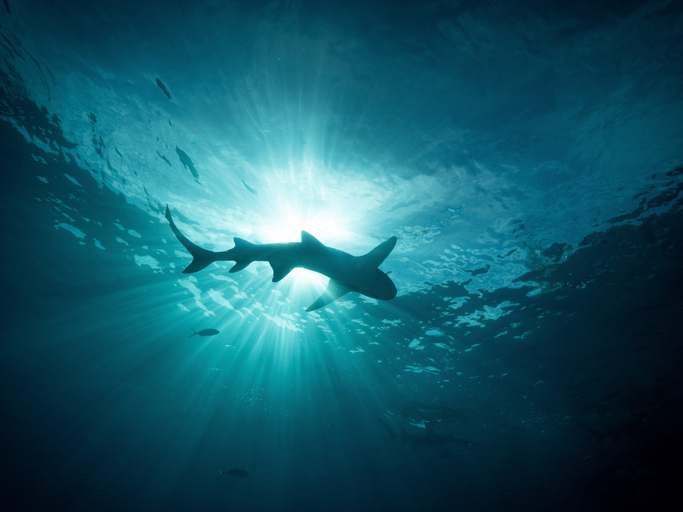
You might not think about ocean currents often, but they play a critical role in regulating climate and weather patterns. Climate change and melting ice are disrupting these currents, potentially leading to dramatic shifts in global climates. The Atlantic Meridional Overturning Circulation (AMOC), which includes the Gulf Stream, is slowing down, possibly nearing a tipping point. Such changes can result in colder winters in Europe, shifts in monsoon seasons, and altered marine ecosystems.
The economic and social consequences are significant, affecting everything from fishing industries to agricultural productivity. Ocean currents also influence the distribution of nutrients and heat, impacting marine biodiversity and food chains. As currents weaken, they may alter the ocean’s ability to sequester carbon, exacerbating climate change. By understanding these connections, you’re better equipped to advocate for climate policies that address these complex systems.
12. Warming Tundra Ecosystems

The tundra might feel worlds away, but its warming has global implications. Rising temperatures in these regions disrupt ecosystems, releasing stored carbon and methane, which accelerates climate change. Plants and animals adapted to cold conditions face existential challenges, leading to shifts in biodiversity. The effects aren’t just local; they ripple across the globe, influencing weather patterns and atmospheric dynamics.
As the tundra warms, traditional ways of life for Indigenous communities face disruptions. Economically, changes in permafrost affect industries like oil and gas, agriculture, and tourism. The loss of cultural heritage sites and traditional knowledge is an often-overlooked consequence. By acknowledging the interconnectedness of these systems, you contribute to a broader understanding and urgency for addressing climate impacts.
13. Forest Ecosystem Collapse
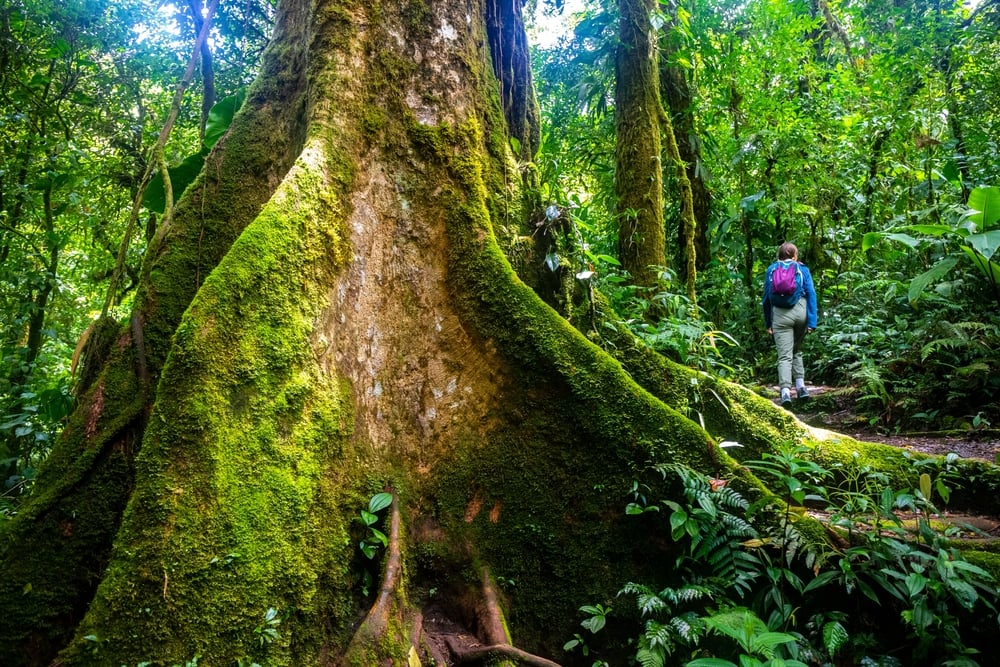
Forests are more than just trees; they’re complex ecosystems providing habitat, oxygen, and resources. Yet, deforestation, pests, and climate change push them toward collapse. As forests degrade, they lose the ability to sequester carbon, further fueling climate change. You might notice the effects in your local area, with increased air pollution and changes in local wildlife populations.
The economic impact of forest collapse is substantial, affecting industries like timber, tourism, and agriculture. Socially, communities reliant on forest resources face challenges to their livelihoods. Forests also provide cultural and spiritual value, a loss that can’t be quantified. Supporting reforestation and sustainable land management practices is one way you can help protect these vital ecosystems.
14. Declining Fish Stocks
The world’s oceans might seem vast, but fish stocks are declining at an alarming rate due to overfishing, pollution, and climate change. This decline threatens food security for billions who rely on fish as a primary protein source. You might notice changes at the seafood counter, with certain species becoming less available or more expensive. Beyond the plate, entire marine ecosystems are at risk, as imbalances alter food chains and biodiversity.
The economic implications are significant, affecting fishing communities and industries worldwide. As fish stocks dwindle, competition increases, leading to unsustainable practices and conflicts over fishing rights. The loss of biodiversity also impacts the ocean’s ability to provide other ecosystem services, like carbon sequestration. By choosing sustainably sourced seafood and supporting marine conservation efforts, you contribute to healthier oceans.
15. Expanding Deserts

Desertification isn’t just about sand dunes encroaching on fertile land; it’s a complex process affecting ecosystems, agriculture, and human communities. Climate change, deforestation, and poor land management are turning once-productive areas into arid landscapes. You might see the effects in reduced agricultural yields, leading to higher food prices and increased food insecurity. For communities living in these regions, the challenges are dire, with livelihoods and traditional ways of life at risk.
The environmental impacts are profound, with losses in biodiversity and changes in local climates. Economically, desertification increases costs for water and land management, affecting national economies. Socially, it can lead to conflicts over resources and contribute to migration pressures. By advocating for sustainable land practices and policies that address climate change, you help combat desertification’s spread.


