
We’ve all been there: peering into the freezer, contemplating whether to refreeze that ice-encrusted mystery item. While some foods can survive a second chilly stint, others are better off in the bin. Refreezing can alter the taste, texture, and safety of certain foods. Sometimes, it’s just not worth the risk. Here are 15 foods you should think twice about putting back into the freezer.
1. Raw Meat
Raw meat is one of those foods that you don’t want to play freeze-and-thaw roulette with. When you first freeze raw meat, you halt bacterial growth. Once thawed, however, bacteria can start multiplying again, which is why food safety experts like Dr. Linda Greene from the USDA advise against refreezing. If you refreeze the meat, you might be locking in bacteria that could lead to foodborne illnesses. So, if you’re thawing chicken or steak, make sure you’re ready to cook it, not give bacteria a second chance.
Additionally, refreezing raw meat can mess with its texture. Ice crystals break down the fibers of the meat, leading to a mushy or grainy texture when you finally cook it. This doesn’t just compromise the experience of your meal; it can also affect the flavor. You’re better off cooking it first if you have too much, then freezing the cooked meat if you must. That way, you’re at least preserving quality and safety.
2. Fish

Fish is another sensitive contender in the refreezing debate. Like meat, once it’s thawed, bacteria can start to develop, making it risky to freeze again. Even if bacteria weren’t a concern, refreezing fish can render it rubbery and unappetizing. The delicate nature of fish means it doesn’t handle repeated freezing well. If you’re thawing seafood, consider cooking it or prepping a make-ahead meal instead of risking it.
Texture isn’t the only casualty when refreezing fish. The flavor of fish can change significantly after a second freeze-thaw cycle. The once-fresh taste can become muted and slightly off, which is far from what you want. Frozen fish is best used soon after it’s thawed to capture the best of its flavor profile. When you’re living that pescatarian life, quality matters.
3. Ice Cream

Ice cream is a treat that suffers when it yo-yos in and out of the freezer. When ice cream melts and refreezes, it can become grainy due to the formation of larger ice crystals. According to Professor Douglas Goff from the University of Guelph, the creamy texture people love is destroyed by the refreezing process. As a result, the delicious, smooth scoop turns into a sad, icy mess. If you’ve left the tub on the counter too long, it might be best to enjoy it while it’s soft or share it with a friend.
Moreover, refreezing ice cream can lead to flavor loss. The air whipped into ice cream can deflate, leaving you with a denser and less flavorful dessert. The sugar and dairy balance that makes ice cream delightful doesn’t stand up well to repeated temperature changes. So, next time you’re tempted to refreeze, consider making milkshakes or ice cream sandwiches instead. Waste not, want not, is hardly worth a disappointing dessert.
4. Berries

Refreezing berries can take these summer gems from scrumptious to sad. Once thawed, berries tend to release juice and turn mushy, and refreezing them only exacerbates the issue. Not only do they lose their appealing firmness, but they can also become tasteless. If you find yourself with thawed berries, consider using them in smoothies or baking. That way, you’re making the most of their flavor before they morph into something less appetizing.
Re-thawed, refrozen berries are a nightmare for texture-sensitive eaters. Instead of vibrant and bursting with juice, they end up limp and lackluster. For anyone who’s tried to refreeze a thawed berry, you know the result is far from the fresh-picked feel you crave. If you want to preserve that summery sweetness, eat them fresh or incorporate them into recipes where texture is less critical. A bit of creativity can go a long way in preventing waste.
5. Bread

Bread is known for losing its mojo if it’s refrozen. The culprit here is moisture, which escapes during thawing and leaves bread dry and crumbly upon refreezing. According to food scientist Harold McGee, the structure of bread changes in the freezer, particularly when it goes through multiple freeze-thaw cycles. You end up with stale-tasting slices that don’t do your sandwich justice. It’s a bummer when you’re gearing up for the ultimate PB&J and end up with cardboard instead.
If you must freeze bread, consider slicing and portioning it first. That way, you can take out just what you need, minimizing waste and frustration. Investing in a good bread box or bag can also help maintain freshness longer. When it comes to the humble loaf, the less you tamper with it, the better. After all, bread deserves better than to be a casualty of your refreezing whims.
6. Eggs

Ever considered popping eggs back into the freezer? Bad idea. Once eggs are cracked and thawed, there’s no going back to the freezer. Refreezing can cause the whites and yolks to take on an unappealing texture, which can ruin your breakfast plans. It’s a bit like trying to put toothpaste back into the tube – messy and not worth it.
Freezing whole eggs, meanwhile, can lead to cracked shells and compromised safety. Instead, if you have more eggs than you can handle, try cooking them first. Scrambled eggs and frittatas can be frozen post-cooking if you still need to save them for later. Preserve the integrity of your eggs by keeping them in the fridge, not the freezer. They’ll reward you with better texture and taste.
7. Cooked Pasta

Cooked pasta doesn’t take kindly to the freeze-thaw-freeze tango. When pasta is frozen, ice crystals form and break down its delicate structure, and a second freezing makes it worse. Julianne Jones, a culinary expert, suggests pasta becomes gummy and clumpy when refrozen, losing its quintessential al dente bite. So, if you’ve got leftover spaghetti, think twice before tossing it back in the freezer. Leftovers are better off being part of a casserole or pasta salad.
The flavor of pasta can also be compromised when it’s tampered with too many times. Sauces that cling perfectly to freshly cooked pasta might not fare well after refreezing. Dry spots or watery patches can appear, making your dish less appetizing. Instead of freezing, try storing pasta in the fridge for a few days, or give it a makeover with a different sauce or add-ins. It’s all about keeping those carbs as delicious as they are comforting.
8. Potatoes

Potatoes are staple comfort food, but they can go haywire if refrozen. Once thawed, the starches in potatoes break down, leaving you with a mushy mess if you refreeze them. It’s not just about texture; the flavor of potatoes can sour with multiple freeze-thaw cycles. Nobody wants a side of disappointment with their dinner. If you’ve got too many spuds, consider mashing or roasting them first.
When potatoes are cooked and refrozen, they hold up a bit better but not perfectly. Freezing potato dishes like mashed or shepherd’s pie can work if you do it just once, but refreezing isn’t ideal. If you must save them, store them in meal-sized portions to avoid the need for refreezing. A little planning goes a long way in keeping potatoes satisfying. Save your taste buds and your spuds – one freeze is quite enough.
9. Soft Cheese
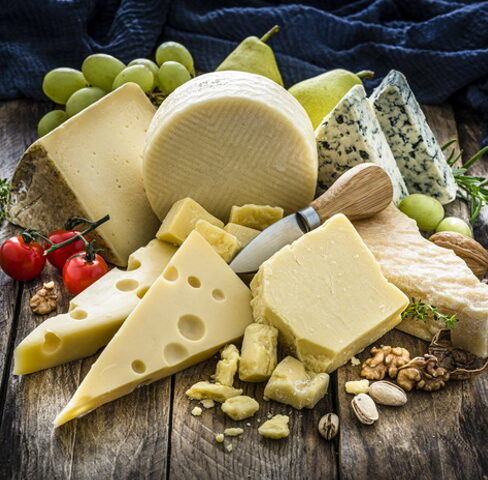
Soft cheeses like Brie and Camembert are best enjoyed fresh, not refrozen. Once thawed, their creamy texture becomes altered and less enjoyable. While freezing isn’t a common recommendation for soft cheeses, if you do freeze them, know they won’t quickly recover if refrozen. Cheese expert Janet Fletcher warns against refreezing due to changes in flavor and texture. Enjoying soft cheese at its peak is a treat in itself.
Re-thawed, refrozen soft cheese can turn crumbly or watery, making it challenging to use. Why sacrifice that indulgent experience for a textured mess? If you’re a cheese enthusiast, you know that good cheese is worth savoring as is. Consider sharing the wealth with friends or using the cheese in a dish instead. Let’s be honest – cheese is too delightful to be anything but delicious.
10. Coffee

Freezing coffee might seem like a good idea to keep it fresh, but it’s not ideal for refreezing. Once thawed, coffee beans or grounds can lose essential oils, leading to flavor degradation. Coffee connoisseurs know that flavor is everything, and refreezing can result in a less satisfying cup. If freshness is what you seek, it’s better to store coffee in a cool, dry place and only freeze it once if necessary.
Refreezing coffee can lead to a lackluster brew. The aromatic compounds that make coffee enticing don’t stand up well to freezing, and a second freeze can make them disappear. For those who can’t start their day without a cup, this is a real letdown. To preserve your coffee’s integrity, consider portioning it appropriately and storing it in airtight containers. After all, a good day often starts with a great coffee.
11. Fried Foods

Fried foods are a guilty pleasure, but refreezing them is a fast track to disappointment. The crispy coating that was once its selling point goes soggy and unappetizing after a refreeze. The frying process isn’t something that survives multiple freeze-thaw cycles. Instead of crisp and satisfying, you get limp and lifeless.
It’s not just about texture; the flavor of fried foods can suffer as well. The oil used in frying can become rancid over time, and refreezing speeds up this process. Instead of attempting to refreeze, enjoy fried foods while fresh or consider reheating leftovers in the oven to regain some crunch. It’s a small effort for that big, satisfying bite.
12. Gravies

Gravies are rich, flavorful, and perfect for comfort foods, but they’re not meant for refreezing. The fat content in gravy can separate and become a grainy mess upon a second freezing. All the effort put into making a silky, luxurious sauce can be undone by refreezing. Instead of a smooth pour, you end up with a lumpy ordeal.
Once thawed, a gravy’s flavor can also take a hit. Seasonings may not distribute as well, leaving you with bland or unevenly flavored sauce. To keep your gravy game strong, freeze it in smaller portions to avoid repeated thawing. It’s a simple strategy to ensure every meal is as delightful as intended.
13. Avocados

Avocados are a beloved superfood, but they don’t fare well in the refreezing arena. Once thawed, avocados can become brown and mushy, losing that creamy texture people love. Refreezing only worsens this, making them less pleasant to eat. Avocados are best enjoyed fresh, whether it’s in guacamole or sliced on toast.
Their flavor also declines with refreezing. Instead of a rich, buttery taste, you might find yourself with bland, uninspired fruit. If you’ve got more avocados than you can handle, consider making a batch of guacamole or incorporating them into a dish. Sharing with friends is always an option, too. Remember, avocados should be enjoyed at their peak, not refrozen into oblivion.
14. Homemade Soups
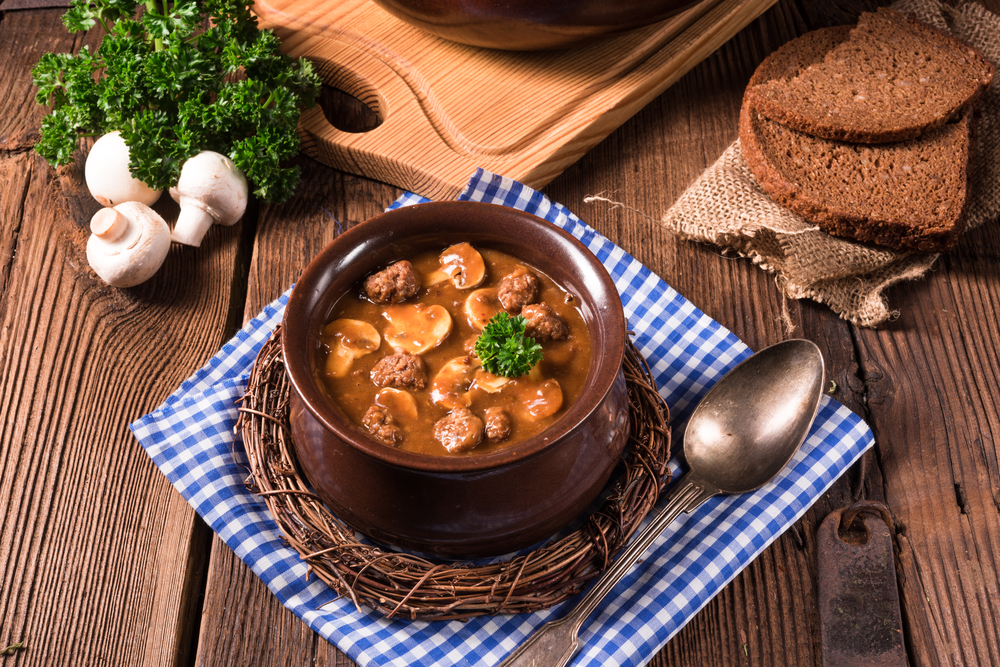
Homemade soups are a staple for many, especially in colder months, but they don’t handle refreezing well. A second freeze can ruin the texture of vegetables and meats in soups, making them mushy or tough. If you’ve gone to the effort of making a delicious pot of soup, don’t let refreezing spoil it. Portioning soup before freezing ensures you only thaw what you need.
Flavor also matters; seasonings can become muted or unevenly distributed after being refrozen. To enjoy a bowl of soup as intended, store it in smaller portions. This way, you’re always ready to enjoy a warm, comforting meal. It’s little adjustments like these that make a big difference in maintaining quality.
15. Sauces With Dairy

Sauces, especially those with dairy, are another category to watch out for when considering refreezing. Cream-based sauces can separate and become unappealingly textured when subjected to a second freeze. All the effort poured into creating a smooth, delicious sauce can be lost. Nobody wants clumps when you’re expecting creamy.
Refreezing can also impact the sauce’s flavor, turning something once robust into blandness. It’s not just about preserving a dish’s integrity but also its taste. If you find yourself with leftover sauce, consider using it in other meals instead of risking the refreeze. After all, sauce is meant to enhance dishes, not detract from them.


