
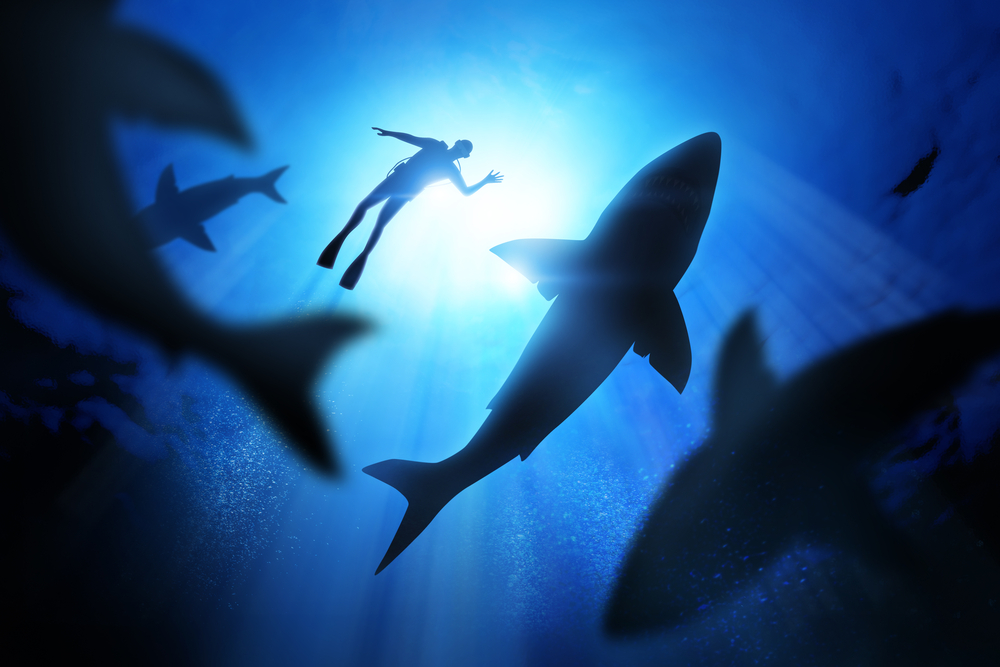
You probably grew up with Shark Week and Jaws, so you think you know the score: don’t swim at dawn, avoid chum, and if you see a dorsal fin, get out. But the reality of what’s happening in the deep is far more chilling, and the true biological profile of the shark is way more messed up than Hollywood ever dared to show. From cannibalism in the womb to a skin texture that is literally made of tiny teeth, these creatures are the apex predators of our worst nightmares.
Prepare to reconsider that beach vacation, because these 15 gruesome facts about the ocean’s most terrifying resident will give you permanent, landlocked anxiety.
1. Baby Sharks Eat Each Other in the Womb
The sand tiger shark practices a terrifying form of prenatal cannibalism known as oophagy and adelphophagy. The first and strongest embryo to hatch in the mother’s two uteri immediately begins to eat its siblings and the unfertilized eggs. This ensures that only the most aggressive, well-fed pup is born, having eliminated all competition before ever seeing the light of day. A 2013 study published in the Journal of Experimental Biology confirmed this strategy, explaining that the surviving pup is larger and stronger, giving it a massive advantage. Scientists noted that this is a dark, yet highly effective, evolutionary strategy to maximize the survival chances of a single offspring.
This aggressive competition starts moments after fertilization, turning the pregnancy into a nine-month-long feeding frenzy. When the mother finally gives birth, she typically delivers just one enormous, battle-tested pup from each side. This gruesome fact means that the very first act of a sand tiger shark is to kill and consume its own family.
2. Their Skin Is Made of Thousands of Tiny Teeth
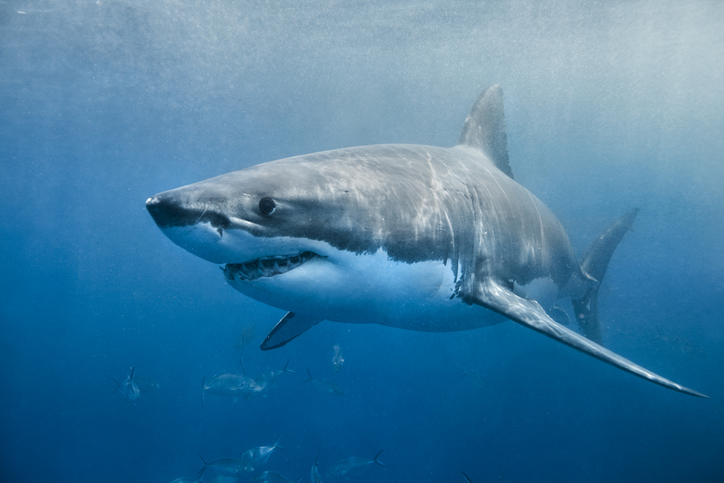
You might imagine a shark’s skin is smooth and rubbery like a dolphin’s, but touching a live shark would feel like running your hand across coarse sandpaper. That texture comes from dermal denticles, which are tiny, tooth-like structures that cover their entire body. These denticles are made of the same material as their teeth—enamel and dentine—and they point toward the tail to help the shark move silently through the water.
This “skin of teeth” makes them incredibly efficient predators, as it reduces drag and turbulence, allowing them to swim faster and more quietly than their prey. It also means that a glancing blow from a shark can cause a painful, serious abrasion even without an intentional bite. Think of it as wearing a full-body suit of miniature, microscopic knives.
3. They Can Detect Your Heartbeat from Miles Away
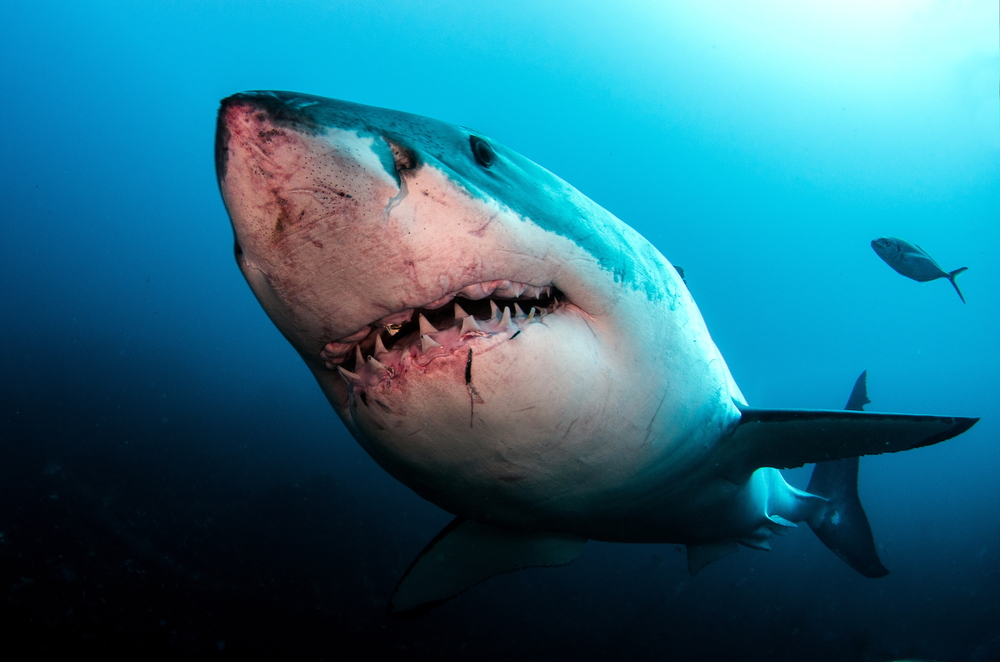
Sharks possess a terrifying “sixth sense” that allows them to hunt in total darkness or murky water, making human attempts to hide completely futile. This ability is powered by the ampullae of Lorenzini, a network of jelly-filled pores around their snout, which detect electromagnetic fields. They can sense the tiny, electrical signals produced by the muscle contractions of living prey.
This means that even if you freeze completely, the shark can still track you because it is sensing your beating heart and contracting gills. Research on this sensory ability, featured in a seminal 2017 Scientific American article, demonstrated the acute sensitivity of these organs. The study found that even the weak electric field generated by a hidden, immobile fish was enough to trigger a shark’s hunting response.
4. Some Sharks Have to Swim Constantly to Breathe
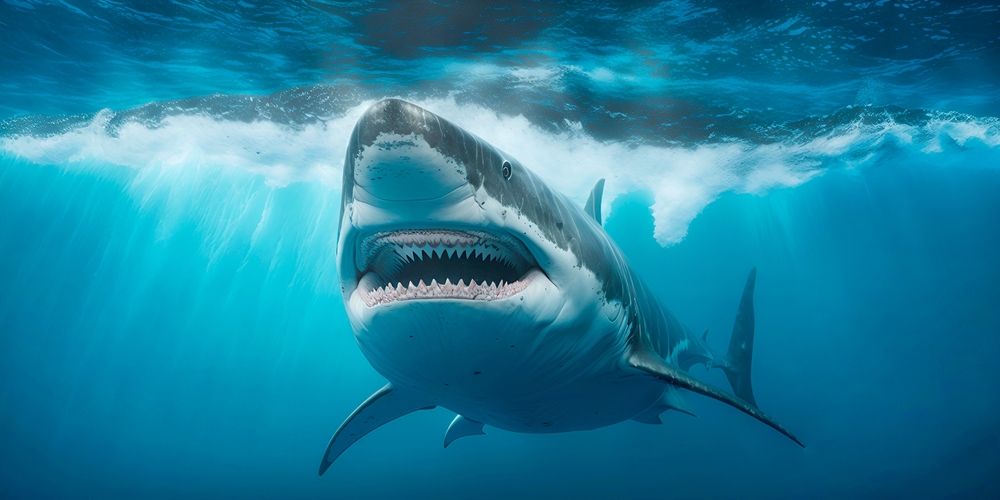
Many species of sharks, including the Great White and the Mako, are obligate ram ventilators, meaning they must constantly move forward to push water over their gills to extract oxygen. If they stop swimming, they literally suffocate, even in perfectly oxygenated water. This relentless biological demand means that they are constantly moving, always on the prowl, never truly resting.
The fear of a stationary shark is therefore misplaced; the truly terrifying fact is that every moment of a large shark’s life is dedicated to motion and survival. This constant, non-stop motion is what makes them such effective and tireless hunters, as they literally cannot afford to stop.
5. The Greenland Shark Is Older Than Shakespeare
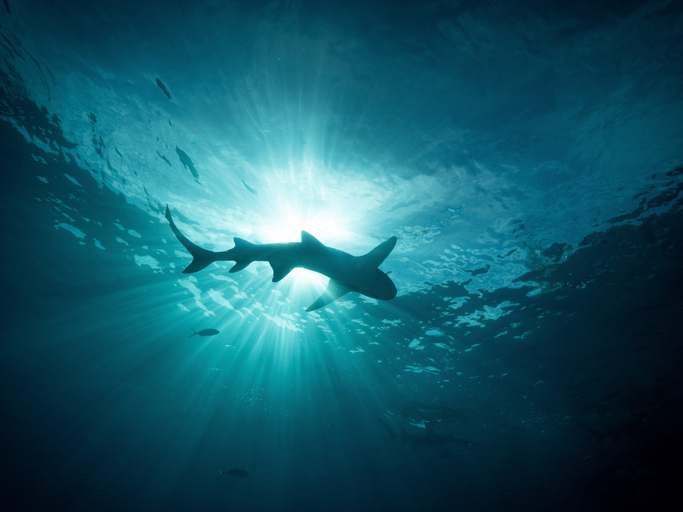
The Greenland shark holds the title of the longest-living vertebrate on Earth, with some individuals estimated to be over 400 years old. This means that sharks swimming in the Arctic today were alive when Shakespeare was writing plays and before the American Revolution even began. This extraordinary lifespan is a testament to the evolutionary success of the shark species.
A 2016 study, which involved researchers from the University of Copenhagen, determined the ages of these creatures using radiocarbon dating on the sharks’ eye lenses. They found that these sharks reach sexual maturity around age 150, meaning they cruise the deep ocean for over a century before they even start reproducing. This fact gives the animal an almost mythological quality, an ancient, slow-moving monster that has silently watched the entire history of the modern world unfold.
6. Their Teeth Are Constantly Being Replaced
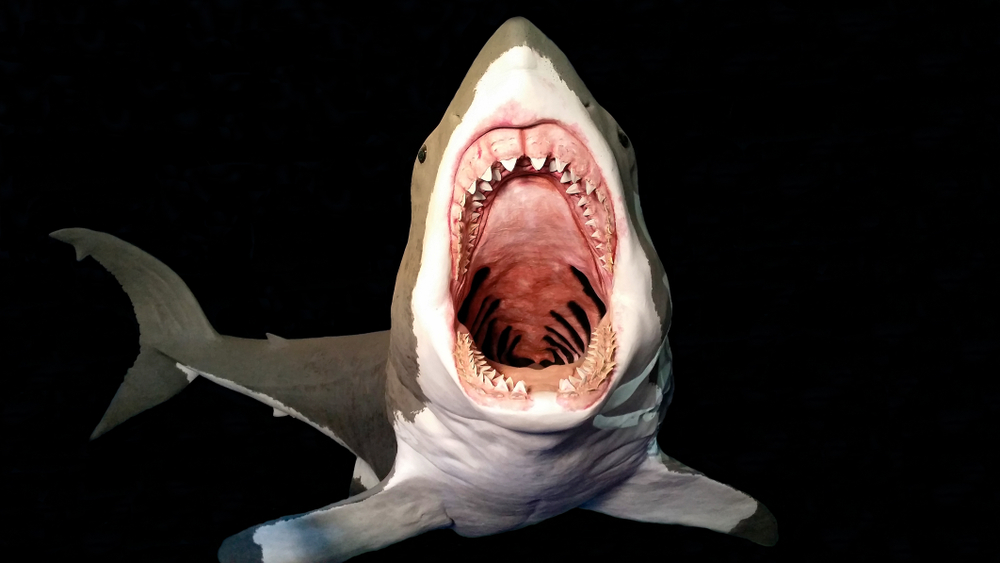
Unlike humans, who have two sets of teeth, a shark’s teeth are arranged in a continuous conveyor-belt system, with multiple rows ready to rotate forward. When a shark loses a tooth from the front row—which happens frequently when attacking prey—a new one slides into place within days or even hours. This mechanism ensures their weaponry is always razor-sharp and fully functional.
Some sharks can shed and regrow tens of thousands of teeth in a lifetime, essentially replacing their entire bite every couple of weeks. This incredible, terrifying biological recycling system ensures that every time a shark attacks, it does so with a fresh, devastating set of razor-edged instruments.
7. The Cookiecutter Shark Takes Chunks of Flesh Out of Living Prey
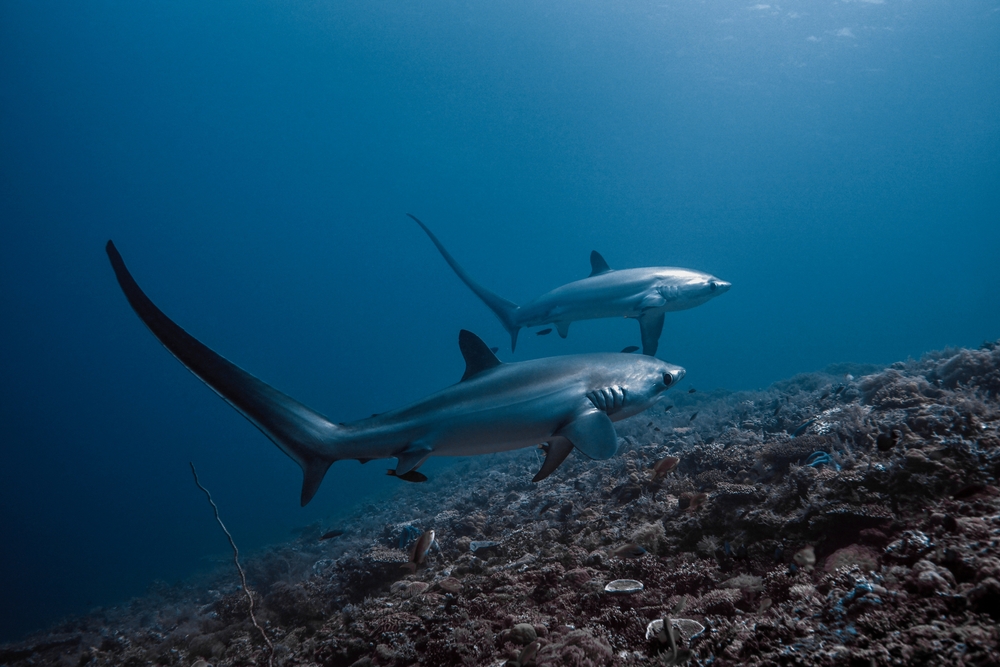
The innocuous-sounding cookiecutter shark is perhaps one of the most gruesomely efficient predators in the ocean, despite its small size. This deep-sea dweller gets its name because of its unique feeding technique: it uses its specialized, razor-sharp bottom teeth and suctorial lips to latch onto prey and twist its body, carving out a perfectly circular, core-sample-sized plug of flesh. It leaves a perfectly round, cauterized wound that looks exactly like a hole punched by a cookie cutter.
A 2011 analysis published in the journal Pacific Science detailed the unique morphology of this fish, noting that its lower teeth interlock to form a single cutting instrument. The incredible chilling part is that they often attack and take chunks out of much larger, living animals, including tuna, dolphins, and even Great White sharks, leaving their prey alive but horribly wounded. They are essentially aquatic, flesh-punching vampires.
8. Sharks Have Been Around Longer Than Trees
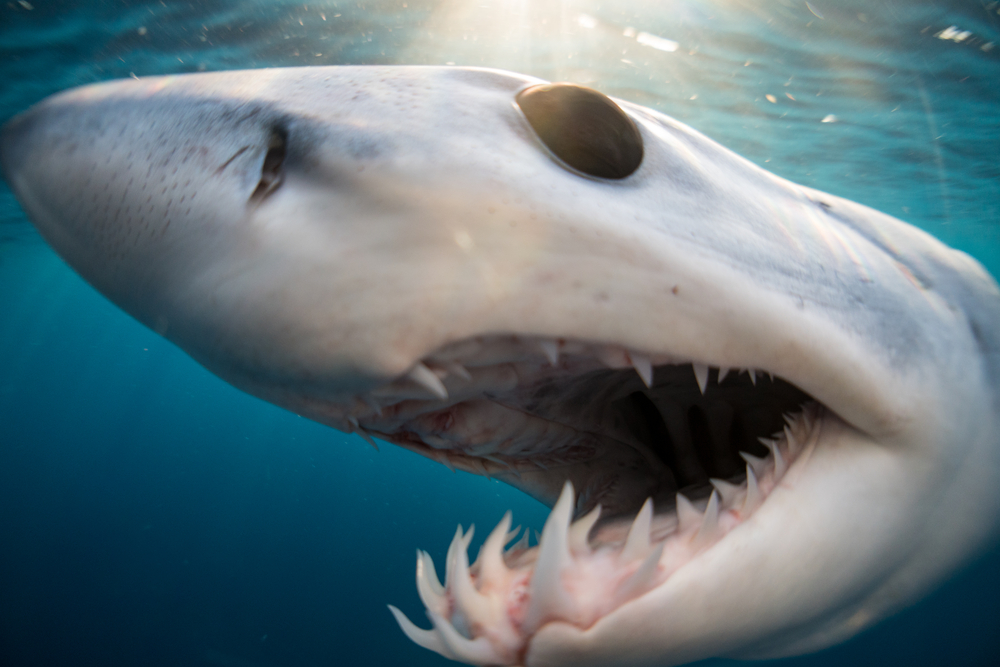
Fossil records indicate that the earliest ancestors of modern sharks appeared in the oceans over 450 million years ago. To put that in perspective, the first definitive tree species did not appear on Earth until around 350 million years ago. This means sharks were the dominant predators of the ocean for over 100 million years before the first forest ever grew on land.
This astonishing tenure makes them one of the ultimate survivors of evolutionary history, having navigated multiple mass extinction events without significant change. They are truly ancient beings, primal architects of the food chain, reminding us that we are just guests on a planet they have ruled for eons.
9. A Shark Can Go into a Trance-Like State
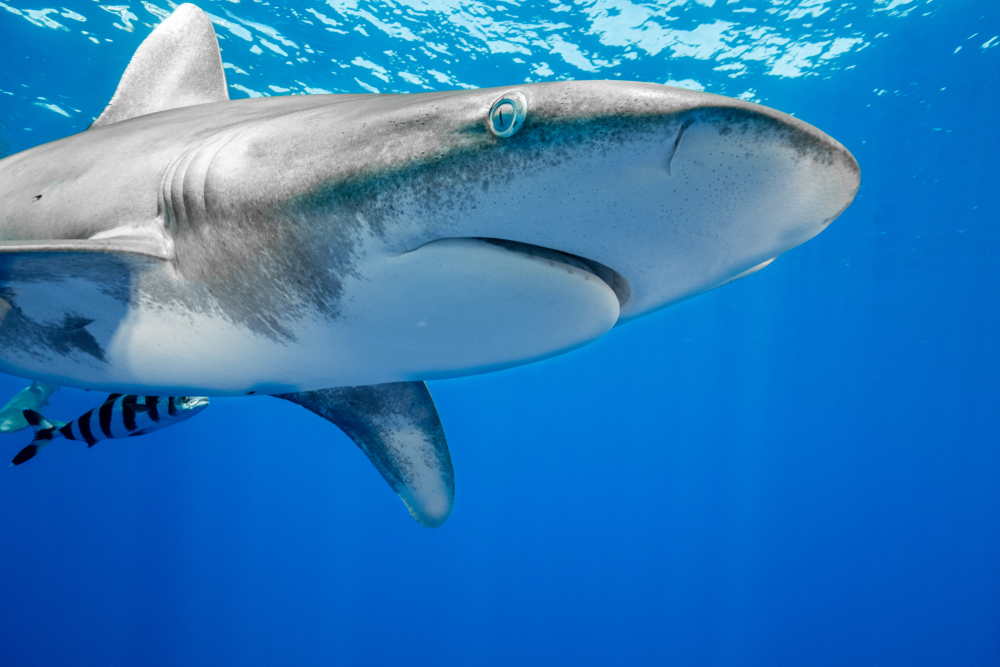
Sharks can be intentionally flipped upside down, which induces a temporary, trance-like state known as tonic immobility. In this state, the shark becomes completely placid and motionless, often for several minutes. This reflex is thought to be a defense mechanism or a way to help certain species rest.
While it is used harmlessly by scientists to study sharks, the idea that a massive predator can be “turned off” by a physical maneuver is strangely unsettling. This vulnerability is one of the only moments a shark isn’t an active threat, proving that even the most perfect hunter has a bizarre, hidden weakness.
10. Some Sharks Can Reproduce Without a Male
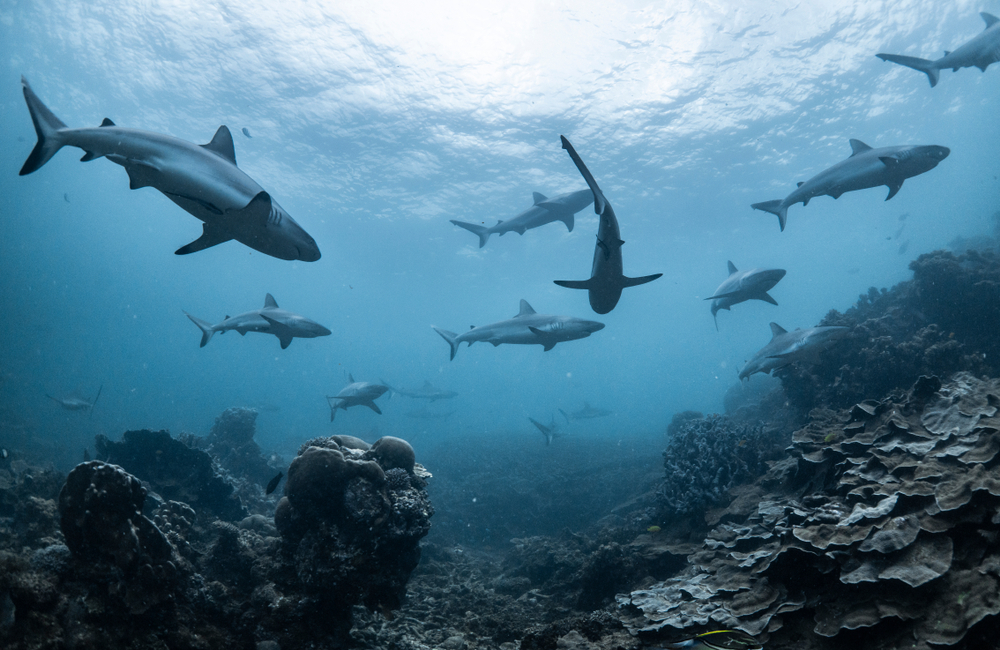
Certain female shark species, including the Bonnethead and the Blacktip, are capable of a rare phenomenon called parthenogenesis, or “virgin birth.” This means they can reproduce and produce viable offspring without any genetic contribution from a male. This is a terrifying level of self-sufficiency.
This capability was first documented in a blacktip shark at a Nebraska aquarium, highlighting an astonishing evolutionary backup plan. It means that a solitary female, trapped or isolated, can literally found a new population all by herself, making her the ultimate, self-sustaining apex predator.
11. Hammerhead Sharks Have 360-Degree Vision
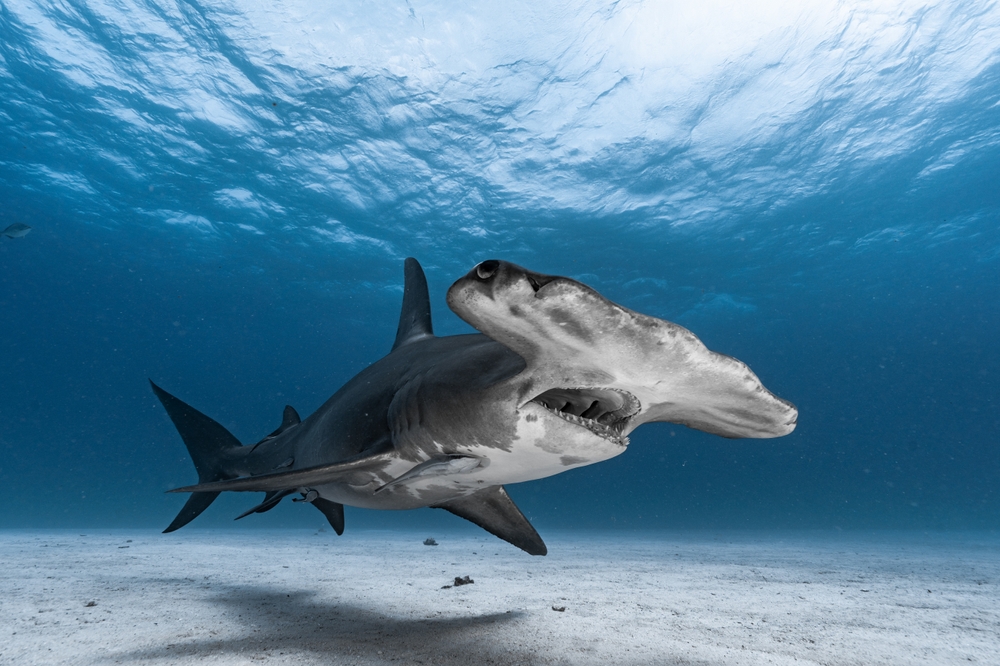
The uniquely shaped head of the Hammerhead shark, or cephalofoil, is not just for show; it provides them with a terrifyingly effective hunting advantage. Their widely set eyes give them a near 360-degree field of vision, meaning they can see almost everything around them at once, including what is directly above and below. You cannot sneak up on a hammerhead.
This wide-set vision gives them superior depth perception and panoramic awareness, making them virtually impossible to evade once they lock onto a target. They truly are the embodiment of “eyes everywhere,” making every direction a potential angle of attack.
12. Great Whites Can Launch Themselves Completely Out of the Water

The Great White shark is known for a spectacular hunting technique called “breaching,” in which it launches its entire several-thousand-pound body completely out of the water. This is typically done when attacking fast-moving prey, like seals, from below. The sheer power required to propel that much weight into the air is astounding.
Witnessing a great white breaching—a massive, streamlined torpedo suddenly flying ten feet into the air—is an awe-inspiring and deeply terrifying reminder of their raw, explosive power. It confirms their status as the ocean’s ultimate power-strike predator, capable of turning the ocean’s surface into a launch pad.
13. Shark Eyes Can Glow in the Dark
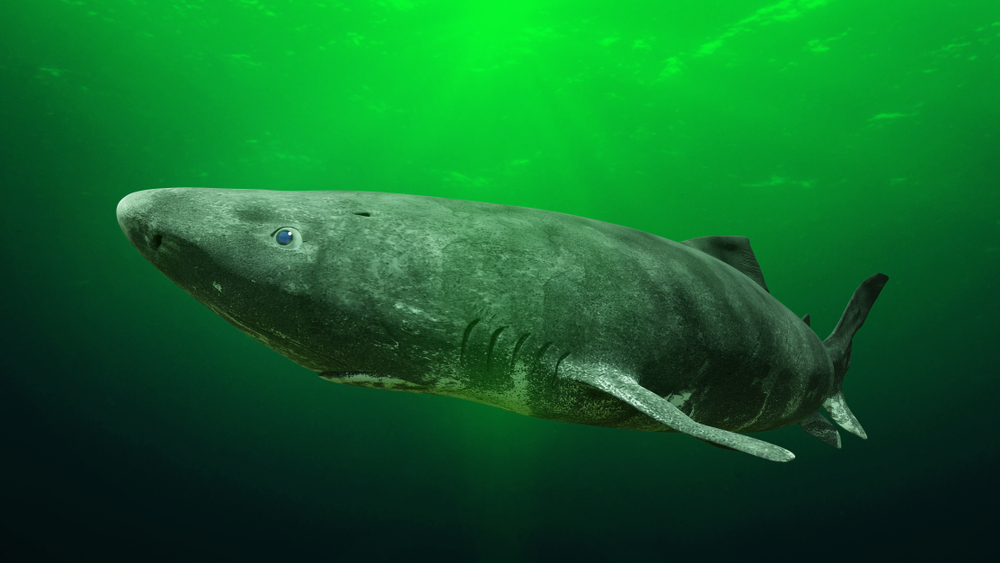
Like many nocturnal predators, sharks have a reflective layer behind their retinas called the tapetum lucidum, which helps them see incredibly well in low-light conditions. This layer reflects light through the retina, enhancing vision in dark depths or at night. The result is an unsettling glow in their eyes when hit by a flashlight.
This fantastic night vision ensures that the hours of darkness are actually the prime hunting time for many species. It means that while you may feel safe on a moonless night, the ocean’s most skilled hunters are actually seeing the world with greater clarity than you are.
14. They Use Their Tails Like Bullwhips
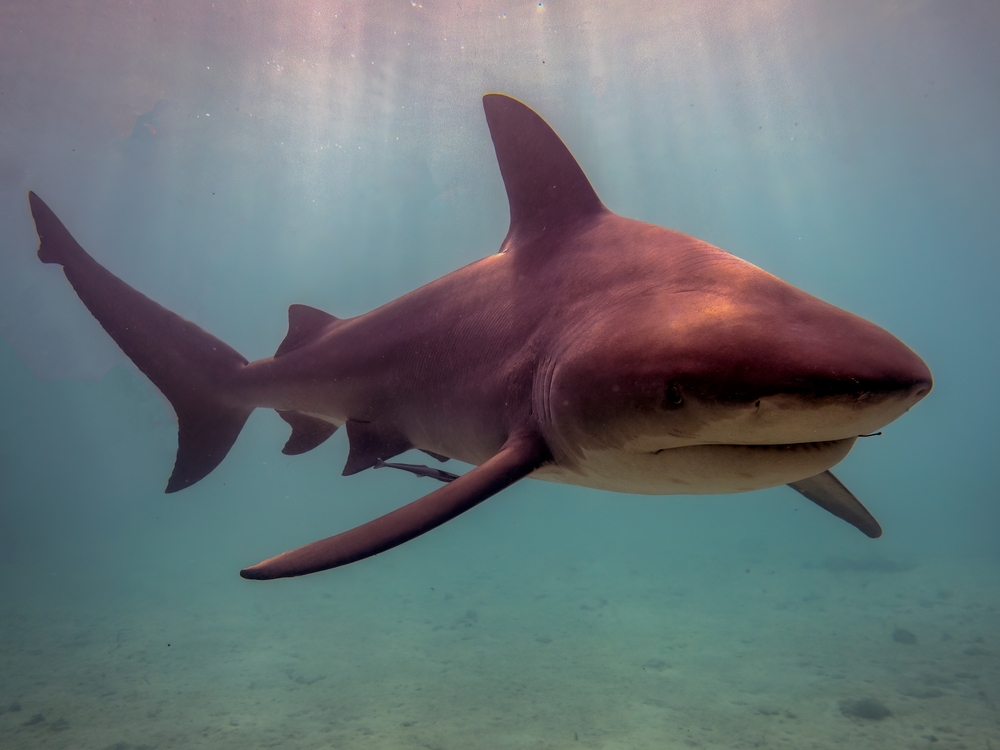
The Thresher shark, easily identified by its extremely long, scythe-like tail, uses this appendage not just for propulsion, but as a devastating hunting weapon. They swim up to schools of small fish and then use their powerful tails to deliver a rapid, stunning strike. The speed and force are enough to stun or kill their prey instantly.
Footage of this hunting technique shows the tail moving like a high-speed bullwhip, shattering the water’s surface with an audible crack. This unique, brutal method of subduing prey proves that not all shark attacks involve biting; sometimes, the sheer force of their body is enough to kill.
15. The Smallest Shark Fits in Your Hand
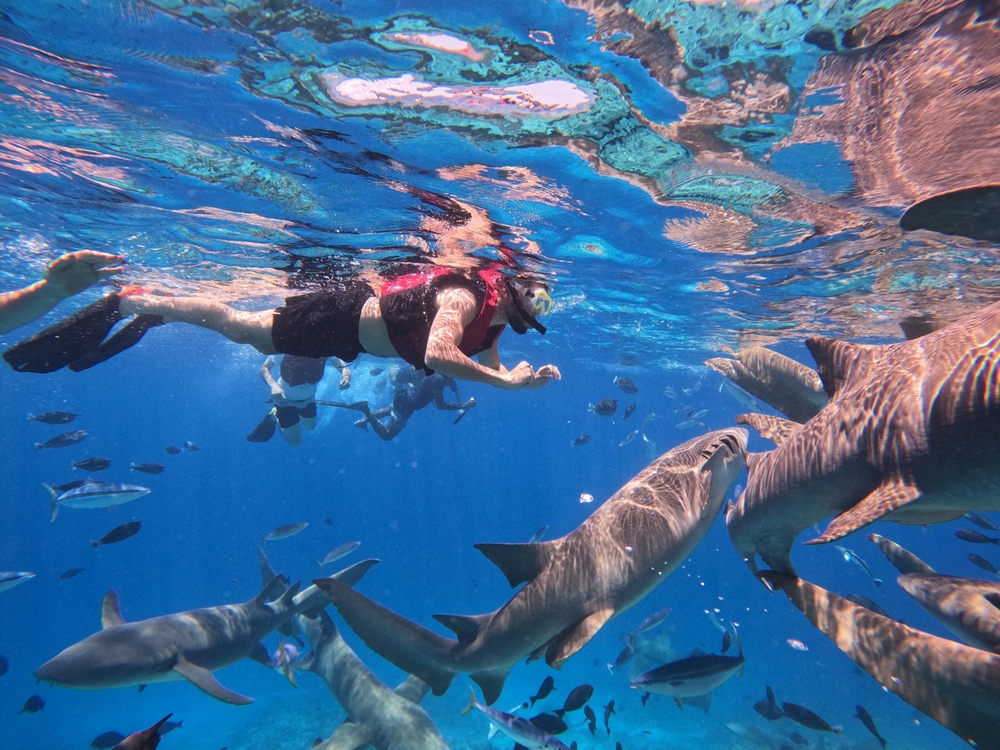
While the largest sharks inspire terror, the smallest known species, the Dwarf Lanternshark, is only about six to eight inches long. This tiny predator is a deep-sea creature that poses no threat to humans, yet its existence remains deeply unsettling. It possesses bioluminescent organs that make it glow in the dark.
This small, glowing shark is a subtle reminder that the vast, terrifying ecosystem of the shark is not limited to surface waters but extends into the crushing, lightless deep. The thought of thousands of tiny, glowing hunters patrolling the dark abyss is a different, but equally chilling, kind of nightmare.


