

There’s a growing sense that our planet is communicating with us, sending signals that the status quo is no longer sustainable. From the strangest weather patterns to unsettling shifts in animal behavior, Earth seems to be waving a red flag, urging humanity to pay heed. As you navigate daily life, these eerie phenomena might be easy to overlook, but each one serves as a reminder of our planet’s vulnerabilities. Here are 15 eerie things the planet is trying to warn us about, and why they’re worth your attention.
1. Extreme Weather Patterns
One of the most noticeable changes is the dramatic shift in weather patterns. What used to be predictable seasonal changes have turned into erratic, extreme weather events. You might find yourself experiencing a heatwave in winter or an unexpected snowstorm in spring, leaving you scratching your head and rearranging your schedule. These anomalies aren’t just inconveniences; they are signs of a larger climate imbalance.
According to a study published in Nature Communications, global weather patterns are becoming increasingly unpredictable due to climate change. The study highlights how these shifts are impacting agriculture, water supply, and even human health. It’s not just about adjusting your wardrobe; it’s about understanding how these changes affect the planet’s delicate ecosystems. Ignoring these patterns could lead to more severe consequences down the line, so staying informed is crucial.
2. Rising Sea Levels

The imagery of rising sea levels is often portrayed in dramatic photos of submerged cities and eroding coastlines. But for many people, it’s a reality that’s already altering their lives. You may not live near the coast, but the consequences of rising sea levels can ripple inward, affecting food security and migration patterns. It’s an urgent reminder that geographical distance doesn’t insulate you from environmental changes.
The gradual rise in sea levels is primarily caused by the melting of ice caps and glaciers, a process accelerated by global warming. As a result, coastal areas are more vulnerable to flooding, storms, and erosion. The economic impact is significant, with billions spent on infrastructure to hold back the tide. Understanding this issue encourages a collective push for policies and lifestyle changes that mitigate climate change effects.
3. Increasing Threat Of Wildfires

If you’ve noticed more headlines about devastating wildfires, it’s not just your imagination. The frequency and intensity of wildfires have surged, fueled by a combination of higher temperatures, droughts, and human activity. You might be miles away from the nearest blaze, but the smoke and ash can travel far, impacting air quality and respiratory health.
Research from the National Interagency Fire Center indicates that fire seasons are now longer and more severe than ever before. This trend affects not only forests and wildlife but also human communities, displacing thousands and causing billions in damage. It’s a stark reminder of the interconnectedness of ecosystems and how human actions can exacerbate natural disasters. Awareness and proactive measures are essential in reducing fire risks and their far-reaching consequences.
4. Disappearing Coral Reefs

Coral reefs, often dubbed the “rainforests of the sea,” are vanishing at an alarming rate. You might not see these vibrant underwater ecosystems daily, but their disappearance has profound implications. Reefs support a quarter of all marine life, and their loss disrupts the entire oceanic food chain. This, in turn, affects global fish supplies and marine biodiversity.
The primary culprit is climate change, leading to ocean acidification and rising sea temperatures that cause coral bleaching. This phenomenon leaves reefs fragile and unable to sustain marine life. The loss of coral reefs also means losing natural barriers that protect coastlines from storms and erosion. It’s a call to action for you to advocate for sustainable practices that protect these crucial ecosystems.
5. Declining Bird Populations
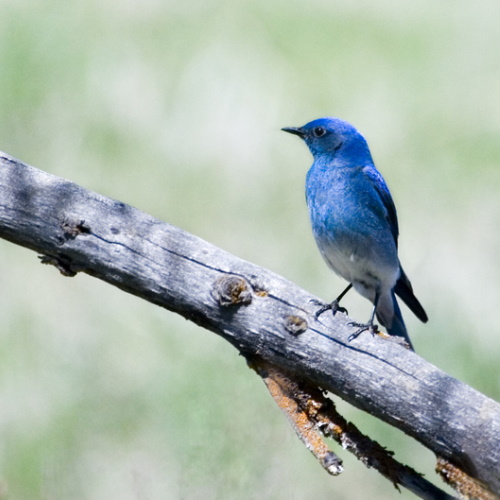
Birds are often considered indicators of environmental health, and their declining numbers signal troubling changes. You might notice fewer birdsong in the morning or diminished flocks in the sky. These declines are attributed to habitat loss, climate change, and pollution, which disrupt their migration patterns and breeding grounds.
A comprehensive study published in Science reveals that North America alone has lost nearly three billion birds since 1970. This decline affects not only the ecological balance but also agricultural systems, as birds play a critical role in pest control and pollination. The absence of birds can lead to increased pesticide use, impacting human health and biodiversity. By recognizing these trends, you can support conservation efforts that aim to reverse this alarming trajectory.
6. Rapidly Melting Glaciers

You may think of glaciers as distant and untouchable, but their melting has direct and indirect effects worldwide. These ancient ice formations hold vast amounts of freshwater, and as they melt, sea levels rise, and freshwater resources diminish. Even if you live far from these icy giants, their decline can influence global weather patterns and water availability.
The disappearance of glaciers also affects local communities that rely on them for water, agriculture, and tourism. It’s a stark reminder of how interconnected the natural world is, with changes in one part affecting the whole. The urgency to address climate change becomes more pronounced as you learn about the cascading effects of glacier melt. Advocating for sustainable policies and practices can help mitigate these impacts.
7. Alarming Plastic Pollution

Plastic pollution isn’t just an eyesore; it’s a growing environmental threat. You might see it in your local park or beach, but its reach extends far beyond, affecting oceans, wildlife, and even human health. Microplastics have infiltrated the food chain, showing up in fish, salt, and even the air you breathe.
A report from the United Nations Environment Programme highlights that every year, an estimated 8 million tons of plastic end up in the ocean. This pollution not only endangers marine life but also threatens global fisheries and tourism industries. It’s a wake-up call to reconsider your consumption habits and advocate for systemic solutions to reduce plastic waste. By understanding the scope of plastic pollution, you can contribute to meaningful change.
8. Widespread Global Deforestation

You might not notice the gradual disappearance of forests from your daily life, but the consequences are monumental. Deforestation leads to habitat loss, reduced biodiversity, and increases in greenhouse gases. This impacts not only the local environments but also contributes to global climate change, presenting a grim forecast for future generations.
Forests act as the planet’s lungs, absorbing carbon dioxide and releasing oxygen. Their destruction accelerates climate change and reduces nature’s ability to regulate itself. You can see the effects in increased flooding, soil erosion, and changes in local climates. Supporting reforestation efforts and sustainable practices can help curb these impacts and restore balance to our ecosystems.
9. Rising Ocean Acidification

The chemistry of the ocean is changing, and it’s not for the better. You may not notice the subtle shift in pH levels from shore, but ocean acidification is a significant threat to marine life. It’s caused by the ocean absorbing excess carbon dioxide from the atmosphere, leading to a more acidic environment.
This shift affects calcifying organisms like coral, shellfish, and some plankton, disrupting entire marine food webs. It’s a silent warning that the ocean’s capacity to buffer carbon emissions is not limitless. Understanding these changes can inspire you to support policies that reduce carbon footprints and promote ocean health.
10. Far-Reaching Permafrost Thawing

Permafrost, the frozen ground that covers much of the Arctic, is thawing, and its implications are far-reaching. You might not live near these frozen landscapes, but their melting releases greenhouse gases like methane, exacerbating climate change. This process also destabilizes the ground, impacting infrastructures like roads and buildings.
The thawing of permafrost can also unearth ancient viruses and bacteria, posing potential health risks. It’s a reminder of the intricate balance within ecosystems and how climate change can unleash unforeseen challenges. Recognizing these patterns highlights the importance of addressing and mitigating the impacts of global warming.
11. Shifts In Animal Migration

If you’ve noticed animals appearing in unusual places or times, you’re witnessing a shift in migration patterns. Climate change, habitat loss, and human interference have forced animals to adapt, often leading them into conflict with humans. These shifts can disrupt ecosystems, food supplies, and even lead to increased disease transmission.
The alteration of migration routes affects more than just the animals; it impacts entire ecosystems and human communities. You might find yourself dealing with unexpected wildlife encounters or changes in local agriculture. Understanding these shifts is crucial for developing adaptive strategies that support both human and animal needs.
12. Loss of Biodiversity

Biodiversity is essential for a healthy planet, and its loss is occurring at an alarming rate. You might not immediately see the effects, but biodiversity loss can lead to ecosystem collapse and reduced resilience against environmental changes. This impacts everything from food security to health and economic stability.
The extinction of species diminishes nature’s ability to provide essential services like pollination, water purification, and disease regulation. It’s a stark reminder of humanity’s impact on the natural world and the need for concerted conservation efforts. By acknowledging these changes, you can advocate for policies and practices that protect and restore biodiversity.
13. Increased Soil Degradation

Healthy soil is the foundation of food production, yet it’s degrading at unprecedented rates. You might not see the changes underfoot, but soil degradation leads to reduced agricultural yields, increased erosion, and diminished water quality. This threatens food security and the livelihoods of millions of people worldwide.
The loss of fertile soil is often driven by deforestation, overgrazing, and unsustainable farming practices. It’s a reminder of the intricate balance needed to sustain life on Earth. Understanding the importance of soil health can inspire you to support sustainable agricultural practices and policies that protect this vital resource.
14. Noise And Light Pollution

In the hustle and bustle of modern life, you might overlook the impacts of noise and light pollution. These aren’t just urban annoyances; they disrupt ecosystems, alter animal behavior, and impact human health. Excessive noise can interfere with animal communication, while artificial light affects migration and breeding patterns.
For humans, these pollutants contribute to stress, sleep disorders, and other health issues. It’s a call to action to reconsider the impacts of urban living on the natural world. Supporting efforts to reduce pollution can lead to healthier ecosystems and improved quality of life for you and the planet.
15. Emerging New Diseases

The rise of new diseases is closely linked to environmental changes and human encroachment on natural habitats. You might not immediately connect these outbreaks to environmental issues, but the loss of biodiversity and habitat fragmentation can increase disease transmission. These conditions often lead to increased contact between humans and wildlife, facilitating the spread of zoonotic diseases.
The COVID-19 pandemic is a stark reminder of how interconnected human health is with the environment. It’s essential to recognize the role of environmental stewardship in preventing future outbreaks. By understanding these connections, you can advocate for practices that protect both human and planetary health.
More Bolde Stories

People who never seem intimidated by impressive people usually have 8 habits that reveal genuine ...

Men who only value relationships for what they can get from them usually do these 7 things casually

