
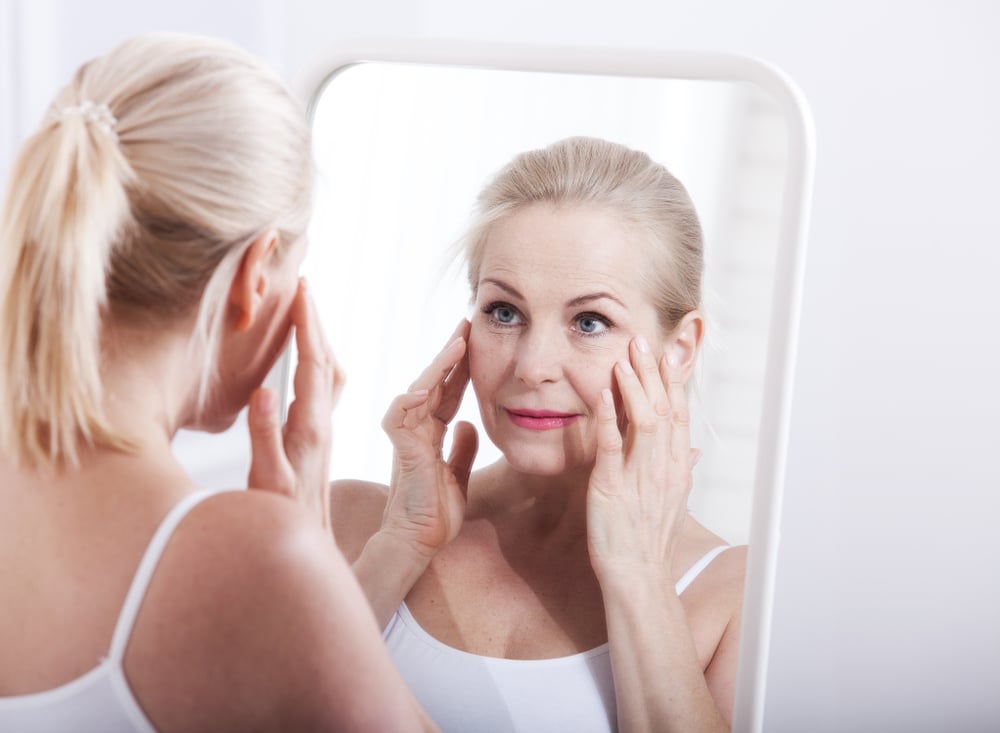
Somewhere between turning forty-five and hitting menopause, many women report a strange phenomenon—they start disappearing from social radar. Conversations happen around them, not with them. Professional contributions get overlooked. Strangers’ eyes slide past them as if they’re part of the furniture. But here’s what the research and lived experience also show: invisibility to others doesn’t have to mean invisibility to yourself.
1. Society Values Youth Over Experience
Research surveying women aged 50-89 found that older women experience intersectional discrimination at the nexus of ageism and sexism, with their aging bodies culturally devalued. This embodied discrimination creates a dilemma: attempt to mask signs of aging or age authentically while encountering heightened stigma. The research emphasizes that recognition—cultural status and visibility—is essential for social justice, yet older women consistently describe experiencing loss of visibility.
From an early age, women are socialized to value youth and beauty above almost anything else, and this pressure persists through every stage of life. Meanwhile, men are celebrated for the very things women are criticized for as they age—wrinkles become distinguished, gray hair becomes silver fox material. For women, the same features trigger assumptions of decline. Society equates a woman’s youth with her value, and when youth fades, so does perceived worth.
2. The Male Gaze Shifts Elsewhere

No longer being the object of constant sexual attention creates identity confusion for women raised in cultures that taught them their primary value was attractiveness. When men stop looking, it feels like disappearing entirely—not because attention from men actually defines worth, but because that attention was treated as confirmation of existence.
It’s about the sudden silence after decades of having your presence acknowledged, for better or worse, through male attention. When that stops, many women report feeling like they’ve become inanimate objects—present in spaces but not noticed as humans with thoughts, desires, or relevance.
3. Professional Contributions Aren’t Credited

Research on ageism in the workplace, surveying over 1,250 women across 46 countries, found that nearly 80 percent have encountered age-related discrimination in their careers. Almost half reported unfair treatment in promotion processes, and more than 80 percent witnessed women being treated differently because of age. One respondent noted: “I have never heard comments about male colleagues being too young or too old for their work. Women are either too young, too old, or may be in the age range of having children.”
Ideas proposed by middle-aged women get ignored in meetings, then praised when younger colleagues repeat them. Research contributions don’t get attributed properly. Project leadership gets passed to someone with “fresh energy.” The assumption that older women have less to offer professionally creates a self-fulfilling prophecy where their expertise gets systematically devalued and reassigned to people perceived as more relevant.
4. Physical Changes Disconnect You From Your Body
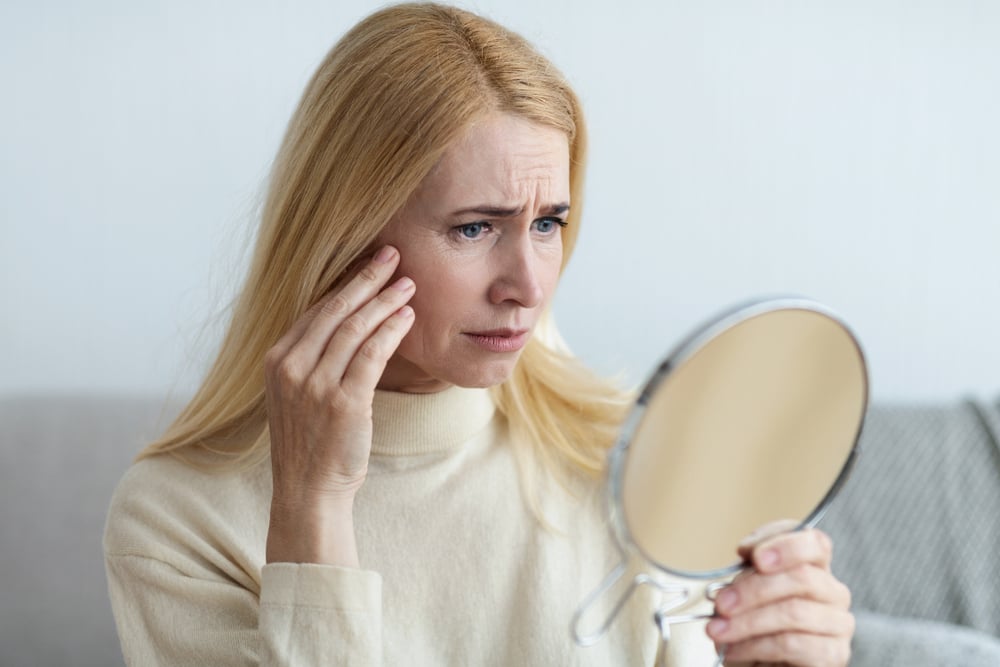
Menopause doesn’t just change hormones—it changes how women relate to physical existence. Hot flashes, weight redistribution, skin changes, thinning hair—the body you’ve inhabited for decades suddenly feels unfamiliar. This disconnect between the inner sense of self and outer physical reality creates what researchers call the “mask of aging,” where the visible body masks the inner self.
Women describe feeling like their younger self is trapped inside an aging body. The person in the mirror doesn’t match the person you feel like inside. This dissonance affects how women present themselves socially, leading to withdrawal or overcompensation.
5. Media Doesn’t Represent You

Data collection and research analysis stop at age 49 for many health, employment, and social metrics. The explanation for this limited age framework stems from a focus on women of reproductive age, as if women over 50 no longer matter. Less data is collected or analyzed on women past this age, rendering their experiences literally invisible in research, policy-making, and cultural understanding.
Television, film, and advertising feature women over forty-five primarily as mothers, grandmothers, or comic relief. Lead roles, romantic storylines, professional achievements—these belong to younger women. When your demographic doesn’t exist in media narratives, it reinforces the message that your experiences and perspectives don’t matter.
6. Career Opportunities Dry Up

Research from the Center for American Progress analyzing labor market data found women’s earnings peak at earlier ages and decline more rapidly with age than men’s. Older women are the least likely group of workers to seek out or obtain new jobs, raises, or promotions, even amid strong labor markets. More than one in three older women works in a low-wage job.
Promotions go to younger candidates with “more runway ahead.” Hiring managers favor people they assume will grow with the company long-term. Training opportunities focus on early-career workers. Middle-aged women find themselves stuck in positions below their capabilities, with nowhere to advance.
7. Social Invitations Become Sparse
The dinner party invitations slow. Group activities don’t include you. Social gatherings shift to events you’re not invited to, and nobody explains why. Older women become optional attendees, included when convenient but not missed when absent.
Friends prioritize relationships with people closer to their own life stages. Couples socialize with other couples who have similar schedules and concerns. Single middle-aged women find themselves particularly excluded, no longer fitting neatly into social structures organized around partnerships and families. The social network that sustained you for decades quietly reorganizes itself without you at the center.
8. Your Concerns And Complaints Get Dismissed

Any strong emotion, justified anger, or legitimate complaint gets attributed to hormones rather than reality. Women who advocate for themselves face accusations of being “difficult” or “going through something.” Medical concerns get downplayed as “just menopause” or “normal aging.”
This systematic invalidation of middle-aged women’s experiences creates learned helplessness. Why speak up when your perspective will be pathologized? Why report problems when you’ll be labeled as the problem? Menopause becomes a convenient excuse for others to ignore whatever women say, reducing complex humans to walking hormone fluctuations nobody takes seriously.
9. Retail And Service Workers Look Through You

Sales clerks help younger customers while you wait. Restaurant staff seat you at undesirable tables without a second thought. Service workers provide minimal attention, assuming you won’t complain. This isn’t imagined—studies document differential treatment based on perceived age and value.
The daily micro-exclusions accumulate. Being passed over, ignored, given cursory service—each incident small enough to dismiss individually, but together creating a pattern that communicates your reduced status. People who work in service roles unconsciously prioritize customers they perceive as more important, and middle-aged women don’t make that list.
10. Your Medical Symptoms Are Taken Less Seriously

Complaints of pain, fatigue, or cognitive changes get attributed to aging rather than investigated as potential conditions. Middle-aged women report being told to lose weight, reduce stress, or accept that “this is just what happens” instead of receiving thorough diagnostic workups. Medical dismissal of older women’s concerns is so prevalent that it’s become a documented healthcare disparity.
Research shows that women’s reported pain is taken less seriously than men’s across all age groups, but the problem intensifies with age. Middle-aged women describing symptoms often face skepticism rather than curiosity. This medical invisibility can have serious consequences when actual conditions go undiagnosed because doctors assume complaints are exaggerations or attention-seeking.
11. Fashion And Beauty Industries Tell You To Hide

The message shifts from “look attractive” to “hide the evidence of aging.” Anti-aging creams, hair dye, shapewear, age-appropriate clothing that means “boring and shapeless”—the beauty industry makes billions telling middle-aged women their natural appearance is unacceptable.
Pressure to “age gracefully” means age invisibly. Don’t show wrinkles, gray hair, or body changes that reveal your actual age. The alternative framing—embrace aging authentically—gets women labeled as “letting themselves go.” Either way, the message is that your natural middle-aged appearance disqualifies you from being seen as beautiful, relevant, or worth looking at.
12. Conversations Happen Around You, Not With You

Group discussions flow around middle-aged women as if they’re not present. Eye contact goes to others. Questions get directed elsewhere. Even when speaking, interruptions come frequently and without apology. This conversational exclusion signals reduced social value more effectively than any explicit statement.
The phenomenon extends beyond rude individuals to systemic patterns where middle-aged women’s contributions get systematically devalued. Their expertise dismissed, their stories interrupted, their questions ignored. Younger people dominate conversations while older women become silent observers in discussions where they have the most experience and knowledge.
13. Dating Pools Shrink To Nearly Nothing

Men this age pursue significantly younger women. Younger men aren’t interested. Dating apps yield minimal matches. The romantic marketplace treats middle-aged women as essentially invisible, while men the same age remain “catches” well into their sixties. This disparity reflects cultural attitudes that value women’s youth over men’s.
Single middle-aged women face romantic invisibility compounded by social assumptions. Coupled friends stop including them. Family members express concern about them being alone. Society treats single middle-aged women as problems to be solved or failures to be pitied, rather than complete people who might actually prefer their current situation.
14. Your Accomplishments Are “Impressive For Your Age”

Running a marathon becomes remarkable not because it’s difficult, but because you’re old. Professional success gets framed as surprising, given your age, rather than earned through competence. Even compliments carry subtle reminders that you’re operating outside expected parameters.
This patronizing framing positions middle-aged women as inspirational exceptions rather than normal participants in life. “You look great for your age” means you look terrible by actual standards but better than expected given your advanced years. Every age-qualified compliment reinforces that your age is a liability you’re impressively overcoming rather than just a neutral fact.
15. But You Finally See Yourself Clearly
Here’s the paradox: external invisibility often coincides with internal clarity. Freed from constant scrutiny and expectations, many middle-aged women report finally discovering who they actually are beneath the performance. No longer auditioning for approval, they make choices based on authentic preferences rather than what will be well-received.
Not being seen by others creates space to be seen by yourself. Research shows women at midlife describe feeling uncertain and isolated, but also report a budding sense of transition and possibility—a new story emerging. The invisibility imposed by others becomes freedom when you stop needing their recognition to know you exist.


