

When you’re on the road, anything can happen. While we all hope for smooth travels, it’s always better to be prepared for the unexpected. Keeping a well-stocked safety kit in your car isn’t just a smart idea—it’s essential for your peace of mind. Imagine being stuck on the side of a dark road or experiencing car trouble in an unfamiliar area. By having the right items at your disposal, you can tackle minor emergencies without added stress. Here’s a list of safety items you should always keep in your car to ensure you’re ready for anything.
1. First Aid Kit
A first aid kit is a must-have for any car. It’s your go-to for treating minor cuts, burns, or sprains that can happen during your travels. Dr. Emily Grant, an emergency medicine specialist, emphasizes the importance of having a first aid kit handy, as it can make a crucial difference in emergencies. Ideally, your kit should include adhesive bandages, antiseptic wipes, gauze pads, medical tape, and scissors. Customize it with any personal medications or supplies your family might need.
Beyond just having one, it’s important to know how to use it. Take a basic first aid course to familiarize yourself with handling minor injuries. You never know when you might need to help a fellow traveler in distress. Feeling prepared can ease your mind and make your travels more enjoyable. It’s a small step that provides a significant amount of reassurance on the road.
2. Jumper Cables

Getting stuck with a dead battery is never fun, but jumper cables can quickly get you back on the road. It’s a simple tool that can save you a ton of hassle and waiting time. Make sure the cables are of good quality and long enough to stretch between vehicles—about 10 to 20 feet is ideal. Keep a pair in your trunk, and you’ll be ready to revive your own or a fellow driver’s battery. Knowing how to use them properly is key, so it might be worth a watch on a how-to video for a refresher.
Even if you’re not mechanically inclined, jumper cables are straightforward to use once you understand the basics. Red goes to positive, and black goes to negative—it’s as simple as that. Always connect one end to the dead battery first to avoid any unwanted sparks. Ask a friend or a fellow motorist if you’re ever unsure. It’s a valuable skill that can come in handy almost anywhere.
3. Flashlight

When you’re out and about, a flashlight is your best friend in the dark. Whether you’re changing a tire or looking for something in your trunk, having a reliable light source is invaluable. According to a study published by the National Institute for Occupational Safety and Health, using a flashlight can significantly reduce the risk of accidents in low-light conditions. Make sure it’s a robust, waterproof model with extra batteries to avoid being left in the dark. It’s an often overlooked tool, but its importance can’t be overstated.
A flashlight doesn’t just help you see better; it also makes you more visible to others. This is crucial if you’re working outside your car on a busy road or highway. Consider keeping a headlamp in your kit as well, so you can keep your hands free. Regularly check the batteries to ensure your flashlight is ready to go when you need it. A little light goes a long way in keeping you safe and sound on the road.
4. Reflective Triangle

Visibility is key if you find yourself on the side of the road, and a reflective triangle can help. It’s designed to alert other drivers that your vehicle is stationary, reducing the risk of accidents. Set it up a distance away from your car to give oncoming traffic ample warning. The triangle is typically constructed from bright, reflective material, ensuring it stands out even on the darkest nights. These are lightweight and foldable, making them easy to store in your trunk.
Using a reflective triangle is straightforward, but it’s important to know the optimal distance for placement. Generally, experts recommend positioning it about 100 feet behind your vehicle. This gives drivers enough time to react and adjust their course if necessary. It’s an essential part of any road safety kit, especially for night-time breakdowns. With this simple tool, you can enhance your safety and that of others on the road.
5. Spare Tire And Jack

Flat tires are a common roadside issue, but having a spare tire and jack can make them a minor inconvenience. You might have an emergency tire repair kit, but nothing beats the reliability of a full spare. According to automotive expert John Davis, having a spare tire can save you time and money by avoiding costly towing services. Make sure you check the pressure of your spare tire regularly to ensure it’s road-ready. Your jack should be compatible with your vehicle and easy to use.
Changing a tire may seem daunting, but like any skill, it becomes easier with practice. Keep an instruction manual in your glove compartment if you’re unsure of the steps. It’s also helpful to have a lug wrench handy for removing nuts. Practice changing a tire in a safe, controlled environment like your driveway, so you’ll know what to expect. With the right tools and a little know-how, a flat tire won’t derail your plans.
6. Multi-Tool

A multi-tool is like having a toolbox in your pocket. It’s compact yet incredibly versatile, featuring essentials like a knife, screwdriver, and pliers. You never know when you might need to tighten a loose screw, cut a piece of rope, or even open a can. Having a multi-tool can simplify many tasks that might come your way while driving. Choose one with a sturdy design and reliable locking mechanisms for safety.
The beauty of a multi-tool is its adaptability to countless situations. Whether you’re camping, on a road trip, or simply dealing with day-to-day car issues, it’s invaluable. You’ll be surprised at how often it comes in handy, even for tasks not directly related to your car. Its compact size makes it easy to store in your glove box or center console. Having one ensures you’re prepared for a multitude of minor repairs and adjustments.
7. Fire Extinguisher
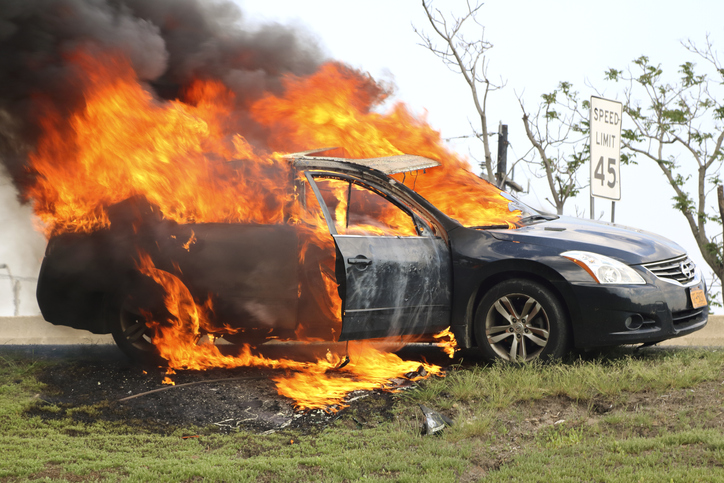
You might not think of a fire extinguisher as a car necessity, but it can be a lifesaver. Small vehicle fires can occur due to electrical issues or accidents, and having an extinguisher gives you a fighting chance to stop them. According to fire safety expert Lisa Hernandez, keeping a fire extinguisher in your car could prevent a small fire from becoming a major disaster. Choose a compact model designed specifically for automobile use, and ensure it’s securely mounted within reach. Regularly check the gauge to make sure it’s charged and ready to use.
Understanding how to use the extinguisher is just as important as having one. Familiarize yourself with the PASS technique: Pull the pin, Aim the nozzle, Squeeze the handle, and Sweep the base of the fire. This knowledge is crucial in an emergency situation where every second counts. It’s also wise to have a fire extinguisher checked regularly by a professional to ensure it’s in working condition. This small step can provide significant protection for you and your car.
8. Portable Phone Charger

In today’s world, staying connected is crucial, especially in an emergency. Keeping a portable phone charger in your car ensures your phone is always powered, even when you’re not near an outlet. Look for a charger that can hold multiple charges and supports fast charging. It’s a simple addition to your car kit, but it can make a world of difference if you need to make urgent calls. Having your phone charged means you can call for help, check maps, or update loved ones on your whereabouts.
Beyond emergencies, a portable phone charger is handy for everyday use. Whether you’re on a long road trip or in traffic, keeping your devices charged means you can stay entertained and informed. Many models also support charging multiple devices simultaneously, making them perfect for family trips. Small and compact, they can easily fit in your glove box or center console. It’s a modern must-have for any road traveler.
9. Blanket
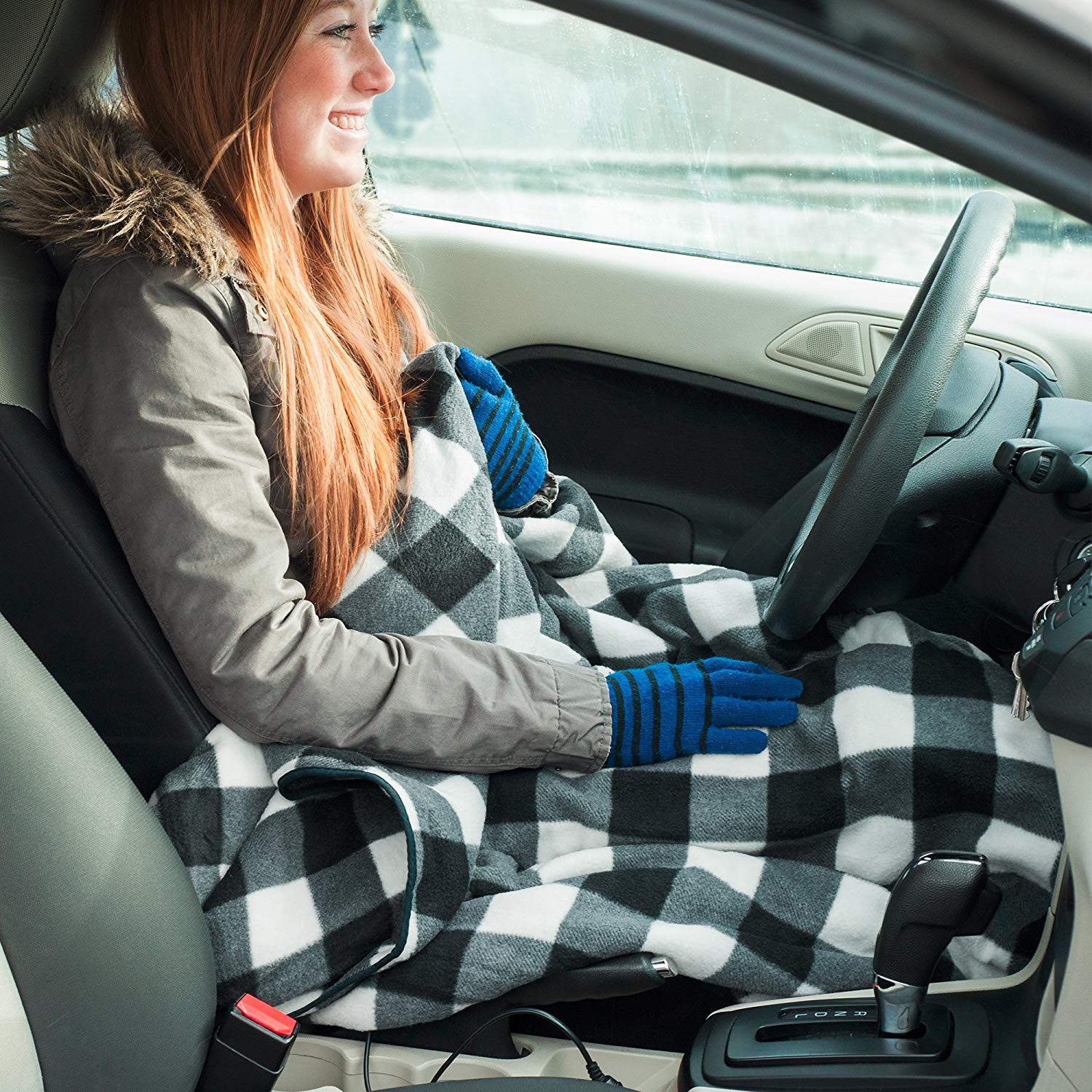
A blanket might seem like a comfort item more than a necessity, but it carries multiple uses. In cold weather, a blanket can keep you warm if you’re stuck waiting for help. It’s also invaluable if you need to lie on the ground to inspect under your car or change a tire. Opt for a thermal or emergency blanket designed to retain body heat. These are compact, lightweight, and often waterproof—perfect for storing in your trunk.
Aside from warmth, a blanket can double as a cushion or even a makeshift barrier for privacy. If you have pets or small children, it can also serve as a cover to protect your seats from spills or hair. In a pinch, it can be used for first aid purposes, such as immobilizing a limb or stopping bleeding. Given its versatility, a blanket is an excellent addition to your car safety kit. You’ll find it becomes indispensable for both planned and unexpected situations on the road.
10. Water And Snacks

Keeping water and snacks in your car can be a lifesaver during extended waits. You never know how long you might be stuck, whether it’s due to traffic, a breakdown, or an unexpected detour. Water is essential for staying hydrated, especially in hot weather. Choose non-perishable snacks like granola bars or nuts that won’t spoil in fluctuating temperatures. They offer a quick energy boost without needing to stop at a convenience store.
Having water and snacks is particularly beneficial when traveling with kids. Hunger and thirst can quickly turn a minor inconvenience into a major ordeal. A well-fed and hydrated group will be far more patient and cooperative in any situation. Consider rotating these supplies regularly to ensure everything is fresh and ready to consume. It’s a simple, thoughtful addition to your car that can keep spirits high no matter where the road takes you.
11. Map Or Atlas

While GPS technology has made paper maps seem obsolete, they’re still a valuable backup. Technology can fail—phones die, signals drop, and electronics malfunction. Having a physical map or atlas ensures you can navigate even when your digital devices can’t. Choose a detailed map that covers the areas you frequently travel through. Keep it in your glove box for easy access whenever you need it.
Knowing how to read a map is another skill worth brushing up on. It can help you get your bearings and plot an alternative route if your primary path is blocked. Maps also offer a broader view of an area, helping you understand the surrounding landscape. Teaching your kids or other passengers how to read a map can be a fun and educational experience. It’s an old-school tool that still holds significant value in today’s tech-driven world.
12. Ice Scraper And Snow Brush

If you live in or travel through areas with winter weather, an ice scraper and snow brush are essential. These tools help you clear frost, ice, and snow from your windshield, ensuring you can see clearly. Driving with obscured vision is dangerous and often illegal, making these tools a must-have for winter months. Look for a sturdy design with a comfortable handle for effective use. Keep them within reach, like in your trunk or under a seat, for quick access during frosty mornings.
Having the right tools can make a tedious task much easier and faster. Consider investing in a combination tool with an extendable arm, which can reach across larger vehicles. Regularly clearing your windshield and mirrors can prevent accidents and ensure you’re driving safely. Practice safe habits by stopping your car in a secure location to clear off any ice or snow. It’s a small effort that makes a big difference in your winter driving experience.
13. Tow Strap

A tow strap can be a lifesaver if your car gets stuck in mud, snow, or a ditch. It’s a simple tool that allows another vehicle to help pull yours to safety. Choose a heavy-duty strap made of durable material like nylon, with a high weight capacity. Make sure the hooks or loops are strong and secure to prevent them from snapping. Keep it neatly coiled in your trunk, so it’s ready when you need it.
Using a tow strap involves some coordination and communication with the other driver. Knowing how to properly attach the strap to secure points on both vehicles is crucial. Always ensure that the towing vehicle is capable of pulling your car’s weight. It’s smart to practice using the tow strap in a safe environment, so you’re familiar with the process. With the right technique, a tow strap can get you out of tricky situations with ease.
14. Gloves

A pair of sturdy gloves can be incredibly handy when dealing with car issues. Whether you’re changing a tire, handling hot metal, or dealing with cold weather, gloves protect your hands from injury and discomfort. Choose a pair that’s durable, with a good grip to help you handle tools efficiently. Keeping gloves in your car ensures you’re ready for any hands-on task. An insulated pair is particularly useful if you often travel in cold climates.
Gloves also provide a barrier against dirt, grease, and grime, keeping your hands clean. This can be especially beneficial if you need to make repairs on the go. Look for gloves that fit well and allow for dexterity, so you can easily maneuver small parts. Having them on hand means you can tackle any task with confidence and comfort. They’re a small addition to your safety kit that can make a big difference in your road readiness.
15. Duct Tape

Duct tape is the ultimate problem-solver in many situations. It’s strong, versatile, and can temporarily fix a multitude of issues, from sealing a broken window to holding a loose part in place. Keep a roll in your car for emergency repairs that require a quick and reliable solution. The tape’s adhesive properties work on various surfaces, making it useful for many quick fixes. It’s a simple tool that can save you a lot of hassle until you can get professional repairs.
Having duct tape in your car allows you to address minor problems without professional help. It’s perfect for those “just in case” moments that can happen when you least expect them. Even if you’re not particularly handy, duct tape is easy to use and can provide peace of mind. Consider wrapping some around a pencil to save space in your toolkit. It’s one of those items that proves its worth time and time again.


