

There’s an art to scoring the perfect airplane seat—and frequent flyers know it’s not just about luck. Whether you’re after legroom, peace and quiet, or a fast exit after landing, the best seats on any flight are almost never random. They’re claimed by travelers who know how to work the system.
From insider booking hacks to smart timing tricks and lesser-known airline secrets, there are plenty of ways to upgrade your flying experience without spending a dollar more. Here are 13 sneaky, tried-and-true ways to find the best seat on any flight—every single time.
2. Use SeatGuru
When it comes to finding the perfect seat, not all seats are created equal, and SeatGuru is your secret weapon. This online tool offers detailed seat maps with insights into legroom, proximity to noise, and even where the power outlets are located. You can use it to demystify the aircraft layout and avoid seats that might look good on the surface but hide unpleasant surprises. Whether you prefer extra legroom or a window view without a wing in the way, SeatGuru has your back.
It’s easy to get overwhelmed with options when selecting a seat, but SeatGuru simplifies your decision-making process. It’s like having a travel-savvy friend who knows the insider details about every airline’s seating configuration. Once you identify your flight, you’ll gain access to color-coded guides that highlight the best, worst, and somewhere-in-between seats. It’s your assurance that you’re not just guessing, but making an informed choice.
2. Book Early
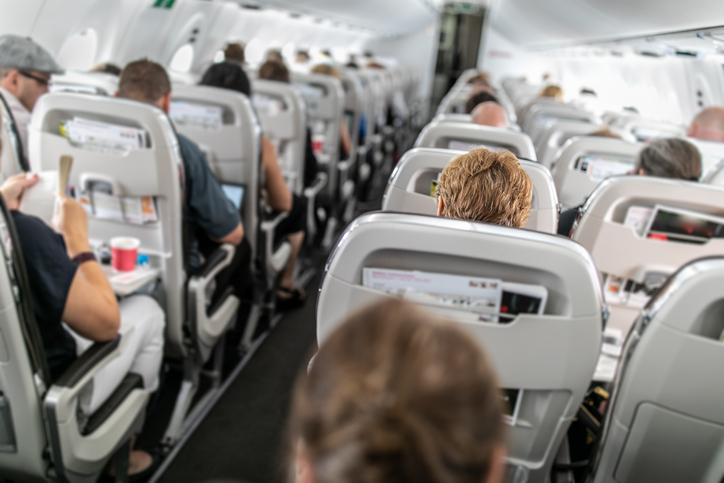
The early bird gets the worm, or in this case, the best seat on the plane. Booking your flight as soon as it’s available gives you first dibs on seating options before the masses start clicking away. You might think you can just waltz in a few weeks before departure and snag a prime seat, but availability quickly becomes limited the closer you get to takeoff. As NerdWallet notes, booking early can also sometimes net you cheaper flights, making this a win-win for your wallet and your comfort.
But don’t just stop at booking your ticket early. Make sure to select your seat during the booking process, as some airlines let you choose your seat for free at this stage. Even low-cost carriers often have a few good seats that don’t come with an extra charge if you book early enough. Remember, the best seats typically go to those who plan ahead, so don’t delay.
3. Check In Early

Checking in early isn’t just about beating the lines; it’s also a strategy for snagging a better seat. Many airlines open up seat assignments during the online check-in process, 24 hours before departure. By being among the first to check in, you might find that premium seats in the economy cabin are suddenly free for the taking. According to a study by Expedia, early check-ins are associated with a higher likelihood of seat upgrades, so it’s worth setting an alarm for that 24-hour mark.
Even if you already selected a seat when you booked, early check-in is an opportunity to make last-minute improvements. Travelers often change plans, leading to seats opening up, and you might just find a coveted aisle seat or extra legroom suddenly available. It’s like being in the right place at the right time — but you orchestrated it. So, treat check-in like a race, and make sure you’re at the front of the pack.
4. Join a Frequent Flyer Program
Being a member of any airline’s frequent flyer program can provide hidden perks, including access to better seats. Even if you’re not flying first class, elite status often means early boarding and complimentary upgrades to premium economy. Signing up is usually free and can pay off in more ways than one, such as priority queues and access to better seating options. It’s all about loyalty, and airlines reward passengers who choose to fly with them often.
More than just acquiring miles for free flights, these programs can unlock access to seats that others don’t even see. Often, airlines reserve their best economy seats for loyal members, and you might just find yourself enjoying extra legroom without the extra cost. Plus, programs sometimes offer members-only promotions that include seat upgrades. So, if you’re not already a member, it’s an easy step that could enhance your travel experience significantly.
5. Monitor for Upgrades

The allure of an upgrade is hard to resist, and staying vigilant for opportunities can land you a premium seat without the price tag. Some airlines offer last-minute upgrade deals close to the departure date, so keep an eye on your email and the airline’s app. According to The Points Guy, airlines often sell unsold business and first-class seats at a discount just to fill them. You might have to pay a little extra, but the comfort and perks can make it worth every penny.
It can be tempting to dismiss upgrade offers as a money grab, but they’re often a smart move for the savvy traveler. Consider the flight duration and what amenities you’ll get with the upgrade — such as more legroom, better food, and priority boarding. The cost might be lower than you expect, especially if you’re armed with points from a frequent flyer program. So, keep your upgrade radar on high alert for any deals that come your way.
6. Choose Flights With Fewer People
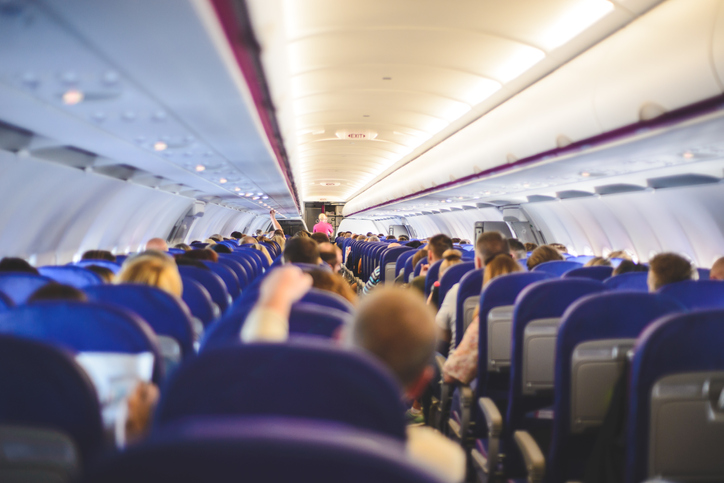
Flying at off-peak times can mean fewer people on the plane, which translates to more open seats and the possibility of spreading out. Late-night flights or those scheduled mid-week tend to be less crowded compared to weekend or peak holiday travel times. When there are more seats available, you have a better chance of finding a desirable spot or even switching seats once the plane is in the air. It’s like having the luxury of choice without all the cramped chaos.
While it might not always be convenient to fly at odd hours or days, the payoff in comfort can be significant. Fewer passengers often means a quieter cabin, less competition for overhead bin space, and less waiting time for boarding and deplaning. You might even get lucky and have an entire row to yourself, which is the economy class version of a jackpot. So if your schedule is flexible, consider booking flights during times when others are less likely to be traveling.
7. Pay for Seat Selection

Sometimes you have to spend a little to gain a lot, and paying for seat selection can be an investment in your comfort. Many airlines allow you to choose your seat for a small fee, which can be especially worthwhile on long-haul flights. According to travel expert Rick Steves, spending extra on a seat with more legroom or a preferred location can significantly enhance your travel experience. You might balk at the idea initially, but think of it as buying peace of mind.
This is particularly advantageous if you have specific preferences, such as needing an aisle seat for frequent bathroom breaks or wanting a window seat for the view. Paying for your seat selection means you don’t leave it to chance or the airline’s algorithm. You’re in control, and you have the guarantee that you’ll have the spot you want when you board. It’s a small price to pay for ensuring a bit of comfort in the often-uncomfortable world of air travel.
8. Use a Travel Agent

In the age of DIY travel booking, it’s easy to overlook the expertise of a travel agent, but they can be invaluable for securing the best seats. Travel agents often have access to deals and seat maps that aren’t available to the general public. They can advise you on the best flights to match your seating preferences and may even have the clout to request seat upgrades on your behalf. This can be especially helpful if you’re looking to coordinate seats with other travelers or have specific seating needs.
Using a travel agent can feel like a throwback, but their insider knowledge often pays off in unexpected ways. They can navigate the complex web of airline policies and fare classes more efficiently than most travelers. Agents often have longstanding relationships with airlines, which can help you get preferential treatment or access to seats that are usually blocked. It’s like having a personal advocate who makes sure your journey is as comfortable as possible.
9. Pick the Right plane
Not all aircraft are created equal, and knowing the differences can help you choose flights with better seating options. Some planes are configured with more spacious economy seating, while others might offer unique seating arrangements like double-decker layouts or premium economy sections. Doing a bit of homework on the aircraft type when booking your flight can give you a leg up in the quest for comfort. It’s a small detail that can make a big difference in your travel experience.
Reviewing the aircraft type can be as simple as a quick Google search or checking the airline’s website for seat maps. Certain aircraft models are renowned for offering more legroom or better amenities, even in economy class. If you’re someone who values space and comfort, this extra step is well worth your time. It’s a proactive way to ensure you’re not just traveling, but traveling well.
10. Request a Seat Change at the Gate

Even if you weren’t able to snag a great seat during booking, don’t give up hope until you’re on the plane. Once at the gate, you can request a seat change, especially if the flight isn’t fully booked. Gate agents often have real-time access to the most current seat map and might be willing to accommodate requests for better seats. It’s a last-minute move that has saved many travelers from less-than-ideal seating.
Politeness can go a long way when making this request, as gate agents are more likely to help friendly passengers. If the flight is overbooked, offering to take a later flight can sometimes result in a seat upgrade on the next available departure. It’s about being flexible and seizing opportunities as they arise. So, approach the gate desk with a smile and a bit of luck might just come your way.
11. Opt for Exit Rows

Exit rows are like the holy grail of economy seating, offering significantly more legroom than standard seats. These rows can be a game-changer for anyone over six feet tall or just looking for a bit more personal space. However, they come with responsibilities, such as assisting in an emergency, so they’re not suitable for everyone. But if you’re up for it, volunteering for an exit row can make your flight experience much more comfortable.
Not all airlines allow advance booking of exit row seats for free, so you might need to pay a small fee. But given the extra space, it’s often a worthwhile investment. Some airlines allow you to request these seats during check-in, so it’s worth asking if they’re available. Just remember that these seats are often in high demand, so act quickly if you see one open.
12. Consider the Noise Factor

Choosing a seat isn’t just about legroom or proximity to the bathroom; noise is a crucial factor too. Seats near the engines or lavatories can be notoriously loud, making it hard to relax or sleep. Selecting seats toward the front of the plane can often mean a quieter ride, as they’re further from engine noise. For those sensitive to sound, this can mean the difference between an exhausting flight and a restful journey.
Some people swear by noise-canceling headphones, but choosing the right seat can prevent the need for such gadgets. If you’re unsure about where noise levels might be highest, consulting resources like SeatGuru can offer insights based on seat location. This is your chance to control your flying environment as much as possible. Because a peaceful flight often sets the tone for the rest of your trip.
13. Travel With a Buddy

Flying with someone else isn’t just more fun; it can also strategically improve your seating situation. Booking two seats together means you have more control over your immediate surroundings, whether you want to trade seats or book an entire row. If the plane isn’t full, you might even end up with an extra seat between you, providing more space to stretch out. It’s a clever way to improve comfort without spending extra money.
Sometimes sharing is caring, and traveling with a buddy allows you to pool resources and ideas. You can take turns with the window seat or double up on snacks and entertainment options. Plus, having a companion makes long flights feel shorter and can transform the whole experience. So, team up for your next adventure, and enjoy the added benefits that come with flying together.


