

When it comes to gun laws in the United States, there’s a considerable divide between states with strict regulations and those that adopt a more lenient approach. For gun enthusiasts and advocates of the Second Amendment, states with relaxed gun laws often represent a sense of freedom and self-reliance. However, for those concerned with safety, such leniency might evoke anxiety over potential risks. As with any hot-button issue, perspectives vary widely, but the reality is that some states have chosen to minimize restrictions on gun ownership and usage. Here, we take a closer look at 15 states where gun laws are notably lax, providing insight into what that means for residents and visitors alike.
1. Arizona
Arizona is often cited as one of the most gun-friendly states in the U.S., thanks to its robust commitment to upholding the Second Amendment. In Arizona, you can carry a concealed weapon without a permit, a concept known as “Constitutional Carry.” This approach reflects Arizona’s broader stance on personal freedom and responsibility, allowing residents to bear arms without excessive governmental oversight. Gun sales and transfers are also relatively straightforward, with minimal red tape to hinder those looking to purchase firearms. As John Lott from the Crime Prevention Research Center notes, Arizona’s laws are designed to empower citizens rather than restrict them.
However, with this relaxed framework comes a need for heightened personal accountability. Residents are encouraged to take gun safety courses even though they are not mandatory. Law enforcement also plays a crucial role, focusing on community engagement to encourage responsible gun ownership. Critics argue that this lack of structure might lead to increased risks, but supporters maintain that it strengthens community ties and individual freedoms. Ultimately, Arizona’s approach emphasizes the role of personal responsibility in maintaining public safety.
2. Vermont

Vermont’s gun laws are surprisingly lax, considering the state’s reputation for progressive politics. This state has a long-standing tradition of minimal restrictions on gun ownership, offering a unique juxtaposition to its otherwise liberal policies. Residents can carry concealed firearms without a permit, reflecting the state’s historical roots in personal liberty. The state’s low crime rates are often highlighted as evidence that relaxed gun laws do not necessarily correlate with increased violence. For many, Vermont represents a successful balance between freedom and safety.
Yet, this freedom does not come without its challenges. Vermont’s sparse population and community-focused ethos contribute to a cultural understanding of responsible gun ownership. However, the absence of strict gun laws can lead to concerns about firearms falling into the wrong hands. Debate continues over whether more regulation is necessary to prevent potential misuse. Despite differing opinions, Vermont remains steadfast in its commitment to preserving its traditional approach to gun laws.
3. Alaska

Alaska’s vast wilderness and rugged terrain create a unique environment where gun ownership is not just about rights but also survival. Many residents rely on firearms for protection against wildlife and for hunting, which is an integral part of life in Alaska. The state allows open and concealed carry without a permit, showing its trust in residents’ ability to manage their firearms responsibly. In a study published by the University of Alaska Fairbanks, Professor Brian Brettschneider highlights the role that guns play in daily life for many Alaskans. This relationship between people and firearms is deeply ingrained in the state’s culture and identity.
The state’s relaxed gun laws also incorporate a sense of community responsibility. Residents are often encouraged to participate in local gun safety courses and workshops, fostering an environment of shared accountability. While some argue that more stringent regulations could enhance safety, others believe that the current system aligns well with the state’s lifestyle and needs. The discussion around gun laws in Alaska remains ongoing, but there’s an undeniable respect for the role firearms play in the Alaskan way of life. As such, Alaska continues to champion a system that prioritizes both freedom and responsibility.
4. Wyoming
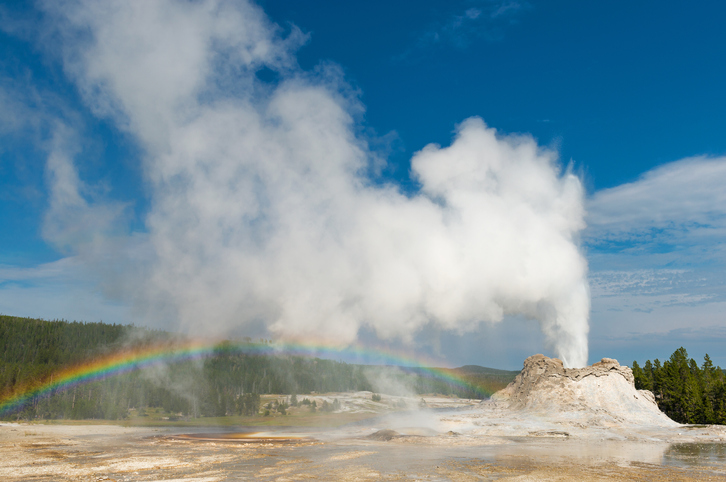
Wyoming is another state where gun laws are notably lenient, reflecting its identity as a land of wide-open spaces and rugged individualism. In Wyoming, both open and concealed carry are allowed without a permit, a testament to the state’s commitment to personal freedom. This freedom extends to hunting and recreational shooting, which are popular pastimes for many residents. The state’s approach to gun laws underscores a belief in minimal government intervention and trust in people’s ability to manage their firearms responsibly. This outlook is a cornerstone of Wyoming’s broader cultural values.
However, the state’s permissive gun laws require an equally strong emphasis on education and safety. Many communities in Wyoming offer voluntary gun safety training to ensure residents are well-equipped to handle their firearms. Critics of the state’s approach often raise concerns about the potential for increased risks, especially in urban areas. Yet, supporters argue that the state’s low crime rates are a testament to the effectiveness of its laws. In Wyoming, the emphasis on personal responsibility and community engagement remains key to maintaining balance in the face of relaxed regulations.
5. Idaho

Idaho’s gun laws are rooted in a strong tradition of personal freedom and self-reliance, allowing residents to carry firearms openly or concealed without a permit. This state’s approach to gun ownership is reflective of a broader cultural ethos that values individual rights and minimal government interference. According to a report by the Idaho State Police, the state maintains one of the highest rates of gun ownership in the country, illustrating the importance of firearms to its residents. Hunting and shooting sports are deeply ingrained in Idaho’s culture, contributing to the state’s lenient stance on gun laws. For many, Idaho represents a bastion of Second Amendment rights.
Nonetheless, Idaho’s relaxed gun laws necessitate a strong community focus on safety and responsibility. Gun safety courses, while not mandatory, are highly recommended and often encouraged by local law enforcement. The balance between freedom and regulation is a topic of ongoing debate, with some advocating for tighter controls to prevent misuse. Others argue that Idaho’s low crime rates demonstrate the effectiveness of its current approach. Ultimately, Idaho continues to prioritize personal freedom while fostering a culture of responsible gun ownership.
6. Montana

Montana’s expansive landscapes and frontier spirit contribute to its reputation as a state with lenient gun laws. Like many of its neighbors, Montana allows both open and concealed carry without a permit, underscoring its commitment to personal freedom. This freedom is a reflection of the state’s broader cultural values, where self-reliance and independence are highly prized. Hunting and outdoor sports are integral to Montana’s way of life, further supporting its relaxed stance on gun ownership. For many Montanans, firearms are an essential tool for both recreation and security.
The state’s approach to gun laws does not preclude a focus on safety and education. Montana communities often offer gun safety classes and encourage residents to participate in responsible firearm handling practices. While some express concern about potential risks associated with minimal regulation, others point to the state’s low crime rates as evidence of effective self-regulation. The debate over gun laws in Montana is ongoing, but there’s a strong cultural emphasis on balancing freedom with responsibility. In this rugged state, the right to bear arms is both a tradition and a testament to its frontier heritage.
7. New Hampshire
New Hampshire’s gun laws reflect a broader state philosophy that champions personal freedom and minimal government interference. Residents are allowed to carry firearms openly or concealed without a permit, illustrating the state’s commitment to individual rights. According to research by Professor Deborah G. Johnson from Dartmouth College, New Hampshire’s approach is rooted in a historical context that values liberty and self-determination. This perspective aligns with the state’s broader cultural ethos, where community trust and accountability are paramount. For many, New Hampshire represents a successful model of balancing freedom with safety.
Despite the lack of stringent regulations, there is a strong emphasis on education and community engagement in New Hampshire. Residents are encouraged to participate in voluntary gun safety courses, fostering a culture of responsible gun ownership. Critics argue for more regulation to prevent potential misuse, but supporters point to the state’s low crime rates as evidence of effective self-regulation. The discussion around gun laws in New Hampshire is dynamic, reflecting a diverse range of opinions. Ultimately, the state’s commitment to personal freedom remains a defining feature of its approach to gun ownership.
8. Mississippi

Mississippi is known for its relaxed gun laws, which reflect a broader cultural emphasis on freedom and self-determination. In Mississippi, residents can carry firearms openly or concealed without a permit, demonstrating the state’s commitment to upholding the Second Amendment. This freedom extends to hunting and recreational shooting, activities that are deeply ingrained in the state’s way of life. The state’s approach to gun laws underscores a belief in minimal government intervention and a trust in people’s ability to manage their firearms responsibly. This outlook is a cornerstone of Mississippi’s broader cultural values.
While the state’s permissive gun laws highlight individual rights, there’s also a focus on community safety and education. Many local communities offer voluntary gun safety training to ensure residents are well-equipped to handle their firearms. Critics often raise concerns about the potential for increased risks, particularly in urban areas with higher crime rates. However, supporters argue that Mississippi’s approach fosters a culture of responsibility and self-regulation. In Mississippi, personal responsibility and community engagement are key to maintaining balance in the face of relaxed regulations.
9. Missouri

Missouri’s gun laws are among the most lenient in the country, reflecting a strong commitment to the Second Amendment. Residents can carry firearms openly or concealed without a permit, emphasizing the state’s dedication to personal freedom. This approach aligns with Missouri’s cultural values, where firearm ownership is both a tradition and a right. Hunting and outdoor sports are popular pastimes, further reinforcing the state’s relaxed stance on gun ownership. For many Missourians, the ability to bear arms is a fundamental aspect of their identity.
Despite the permissive nature of Missouri’s gun laws, there is an emphasis on education and safety. Local communities often offer voluntary gun safety courses to promote responsible firearm handling. The balance between freedom and regulation is a topic of ongoing debate, with some advocating for tighter controls to enhance public safety. Others argue that Missouri’s current approach effectively balances individual rights with community well-being. Ultimately, Missouri’s commitment to personal freedom remains a defining feature of its approach to gun ownership.
10. Kentucky

Kentucky’s gun laws are among the most relaxed in the nation, showcasing a strong commitment to the Second Amendment. In Kentucky, residents are permitted to carry firearms openly or concealed without a permit, illustrating the state’s emphasis on personal freedom. This freedom resonates with Kentucky’s cultural values, where self-reliance and independence are highly regarded. Hunting and shooting sports are significant aspects of life in Kentucky, further supporting the state’s lenient stance on gun ownership. For many Kentuckians, firearms are an integral part of their heritage and lifestyle.
While the state’s gun laws emphasize individual rights, there is a concurrent focus on safety and education. Communities throughout Kentucky offer voluntary gun safety training to promote responsible firearm handling. Critics often express concerns about potential risks associated with minimal regulation, particularly in urban areas. However, supporters argue that Kentucky’s low crime rates are indicative of effective self-regulation. In Kentucky, the balance between freedom and responsibility is key to maintaining a successful model of gun ownership.
11. Kansas

Kansas is another state where gun laws are notably lenient, reflecting a broader commitment to personal freedom and self-reliance. Residents are allowed to carry firearms openly or concealed without a permit, highlighting the state’s dedication to upholding the Second Amendment. This approach is in line with Kansas’s cultural values, where individual rights and minimal government interference are highly prized. Hunting and outdoor activities are popular pursuits, further reinforcing the state’s relaxed stance on gun ownership. For many Kansans, the right to bear arms is an essential part of their identity.
Despite the permissive nature of Kansas’s gun laws, there is a strong focus on education and community safety. Local communities often offer gun safety courses to ensure residents are well-equipped to handle their firearms responsibly. The debate over gun laws in Kansas is ongoing, with some advocating for tighter controls to enhance public safety. Others argue that the state’s low crime rates are evidence of effective self-regulation. In Kansas, the emphasis on personal responsibility and community engagement remains key to balancing freedom with safety.
12. Arkansas

Arkansas is known for its relaxed gun laws, which reflect a strong commitment to personal freedom and the Second Amendment. In Arkansas, residents can carry firearms openly or concealed without a permit, demonstrating the state’s dedication to individual rights. This approach aligns with Arkansas’s cultural values, where self-reliance and independence are highly regarded. Hunting and recreational shooting are important aspects of life in Arkansas, further supporting the state’s lenient stance on gun ownership. For many Arkansans, firearms are an integral part of their heritage and way of life.
While the state’s gun laws emphasize freedom, there is also a focus on safety and education. Communities throughout Arkansas offer voluntary gun safety training to promote responsible firearm handling. Critics often express concerns about potential risks associated with minimal regulation, particularly in urban areas with higher crime rates. However, supporters argue that Arkansas’s approach fosters a culture of responsibility and self-regulation. In Arkansas, the balance between individual rights and community well-being is key to maintaining a successful model of gun ownership.
13. South Dakota

South Dakota’s gun laws are among the most permissive in the country, highlighting the state’s strong commitment to the Second Amendment. Residents are permitted to carry firearms openly or concealed without a permit, emphasizing the state’s dedication to personal freedom. This approach is in line with South Dakota’s cultural values, where individual rights and minimal government interference are highly valued. Hunting and outdoor sports are popular pastimes, further reinforcing the state’s relaxed stance on gun ownership. For many South Dakotans, the right to bear arms is a fundamental aspect of their identity.
Despite the permissive nature of South Dakota’s gun laws, there is a strong emphasis on safety and community engagement. Local communities often offer voluntary gun safety courses to promote responsible firearm handling. The debate over gun laws in South Dakota is ongoing, with some advocating for tighter controls to enhance public safety. Others argue that the state’s low crime rates are evidence of effective self-regulation. In South Dakota, the emphasis on personal responsibility and community engagement remains key to balancing freedom with safety.
14. Louisiana

Louisiana’s gun laws are known for being among the least restrictive in the nation, reflecting a broader cultural emphasis on freedom and self-determination. In Louisiana, residents can carry firearms openly or concealed without a permit, highlighting the state’s commitment to upholding the Second Amendment. This freedom extends to hunting and recreational shooting, activities that are deeply ingrained in the state’s way of life. The state’s approach to gun laws underscores a belief in minimal government intervention and a trust in people’s ability to manage their firearms responsibly. This outlook is a cornerstone of Louisiana’s broader cultural values.
While the state’s permissive gun laws highlight individual rights, there’s also a focus on community safety and education. Many local communities offer voluntary gun safety training to ensure residents are well-equipped to handle their firearms. Critics often raise concerns about the potential for increased risks, particularly in urban areas with higher crime rates. However, supporters argue that Louisiana’s approach fosters a culture of responsibility and self-regulation. In Louisiana, personal responsibility and community engagement are key to maintaining balance in the face of relaxed regulations.
15. West Virginia

West Virginia’s gun laws are among the most relaxed in the country, highlighting the state’s strong commitment to the Second Amendment. Residents are allowed to carry firearms openly or concealed without a permit, demonstrating the state’s dedication to personal freedom. This approach aligns with West Virginia’s cultural values, where self-reliance and independence are highly prized. Hunting and outdoor activities are popular pursuits, further reinforcing the state’s lenient stance on gun ownership. For many West Virginians, the right to bear arms is an essential part of their identity.
Despite the permissive nature of West Virginia’s gun laws, there is a strong focus on education and community safety. Local communities often offer gun safety courses to ensure residents are well-equipped to handle their firearms responsibly. The debate over gun laws in West Virginia is ongoing, with some advocating for tighter controls to enhance public safety. Others argue that the state’s low crime rates are evidence of effective self-regulation. In West Virginia, the emphasis on personal responsibility and community engagement remains key to balancing freedom with safety.


