

When you think of throwing things away, you probably imagine a straightforward process: toss it in the trash and forget about it. However, there are some items you might not know are illegal to dump in your regular garbage. Knowing what you can and can’t dispose of in your trash can help you avoid fines and keep the environment safe. Let’s dive into some unexpected things you should never throw away.
1. Batteries
You might have a drawer full of dead batteries, but tossing them in the trash can lead to harmful environmental effects. Batteries contain heavy metals like mercury, lead, and cadmium, which can leach into the soil and water if they end up in a landfill. Many areas have specific recycling programs for batteries to ensure they are disposed of safely. According to the Environmental Protection Agency (EPA), recycling batteries helps keep these toxic substances out of the environment and allows for the recovery of valuable materials. Do a quick search to find a local drop-off site or participate in a mail-in battery recycling program.
You might also consider switching to rechargeable batteries, which reduce waste and are more cost-effective in the long run. Rechargeable options are better for the environment, as they can be used hundreds of times before needing replacement. If you do use single-use batteries, make it a habit to collect them separately and take them to a recycling center every few months. This simple action will contribute to a healthier planet and ensure you’re compliant with local disposal laws. Plus, you’ll feel good knowing you’re doing your part.
2. Paint

Leftover paint can be a real headache. Whether it’s from a DIY project or a home renovation, you might be tempted to just toss it. However, paint contains chemicals that can be harmful if they leach into the ground or water supply. Improper disposal can also result in hefty fines, depending on your local regulations. Instead, look for a nearby hazardous waste collection site where you can safely dispose of your paint.
You can often donate usable paint to community centers, schools, or theater groups who might need it for their projects. This way, the paint gets a second life and doesn’t just end up as waste. If donation isn’t an option, try to use it up yourself with touch-ups or small projects around the house. Make sure to store paint properly, as this extends its usability. By managing paint disposal thoughtfully, you’re taking a responsible step toward environmental conservation.
3. Electronics

Your old smartphone or laptop may be gathering dust, but just throwing them away isn’t the right move. Electronic waste, or e-waste, contains hazardous materials like lead, mercury, and arsenic that are dangerous to the environment and public health. According to a study by the United Nations University, the world produced 53.6 million metric tons of e-waste in 2019, with only 17.4% properly recycled. This staggering statistic highlights the importance of recycling electronics through proper channels.
Many retailers offer recycling programs where you can drop off your gadgets for safe disposal. Some might even offer you a discount on a new purchase in exchange for your old device. If your electronics are still in working condition, consider donating them to schools or organizations in need. This not only helps the environment but also supports digital access for those who might not afford new technology. Making the effort to recycle or donate can have a significant positive impact.
4. Light Bulbs

When a light bulb goes out, it might seem like no big deal to throw it in the trash, but not all bulbs are created equal. Compact fluorescent lamps (CFLs) and other fluorescent bulbs contain small amounts of mercury, which can be harmful if released into the environment. These bulbs should always be taken to a recycling center that accepts them specifically. Many hardware stores have drop-off bins for used CFLs, making it convenient to dispose of them properly.
On the other hand, LED bulbs don’t contain mercury and have a longer lifespan, reducing the frequency of disposal. While LEDs can generally be thrown in the trash if your local regulations allow, recycling is still the greener option. Check if your local recycling center accepts LEDs; some companies specialize in electronics recycling that includes these bulbs. By switching to LEDs, you’re investing in a more sustainable option that reduces your environmental footprint. Always opting for proper disposal means playing your part in preventing pollution.
5. Medications

Flushing old medications down the toilet or tossing them in the trash might seem like an easy way to get rid of them, but it’s actually illegal and harmful. Pharmaceuticals can seep into waterways and have detrimental effects on aquatic life. A report published by the U.S. Geological Survey found various pharmaceuticals in streams across the country, affecting fish and other aquatic organisms. These findings illustrate the significant impact medications can have when not disposed of correctly.
Most pharmacies and some police stations offer take-back programs where you can safely dispose of unused or expired medications. These programs ensure that drugs are destroyed in a manner that prevents environmental contamination. If a take-back program is unavailable, check guidelines from the FDA on how to dispose of medications in the trash safely. Typically, this involves mixing them with an unpalatable substance and sealing them in a container. Caring about how you dispose of medications helps protect the environment and wildlife.
6. Tires

Tires are bulky and seem like they should just go in the trash, but that’s not the case. Disposing of them improperly is illegal because they pose significant environmental risks. Tires can trap methane gas, causing them to float to the surface in landfills and create air pockets that destabilize the site. Additionally, they provide breeding grounds for mosquitoes and pests if left in the open. Local waste management facilities typically offer tire recycling services.
Recycling old tires can serve many purposes, including producing rubber mulch, asphalt, or even new tires. Some auto shops will accept your old tires when you purchase new ones, handling disposal for you. If you’re creatively inclined, tires can also be upcycled into DIY projects, like garden planters or outdoor furniture. The goal is to keep tires out of the landfill and give them a second life. By doing so, you contribute to reducing waste and environmental hazards.
7. Mattresses

When you decide to replace an old mattress, you might wonder what to do with the old one. While it may seem easy to drag it to the curb, mattresses are on the list of items you can’t just throw away. They are bulky, take up a lot of space in landfills, and are challenging to compact and manage. A study from the International Sleep Products Association indicates that about 20 million mattresses are disposed of annually in the U.S., filling up landfill space unnecessarily.
Many cities offer special pick-up services for old mattresses, or you can locate a recycling facility dedicated to mattress disposal. Some charities and shelters accept mattress donations if they’re in good condition. Recycling a mattress can recover raw materials like metal springs, foam, and fabric, which can be reused. By opting for donation or recycling, you help reduce landfill waste and support a more sustainable approach to disposal. Always check local rules and resources for mattress disposal to ensure you’re following regulations.
8. Motor Oil

Changing your motor oil might be a DIY project you enjoy, but figuring out how to dispose of the used oil can be tricky. It’s illegal to throw motor oil in the trash or pour it down the drain because it can contaminate water supplies and harm wildlife. Used motor oil is considered a hazardous waste and should be handled properly. Fortunately, many auto shops and service stations accept used oil for recycling at no charge.
Recycling motor oil helps conserve a valuable resource and reduces environmental pollution. The oil doesn’t wear out; it just gets dirty, so recycling means it can be cleaned and used again. Besides taking it to an auto shop, you can also check with your local waste management facility for designated days to drop off hazardous waste. Establishing a routine for oil disposal ensures you’re handling it responsibly. Doing so protects the environment and keeps you compliant with the law.
9. Household Cleaners
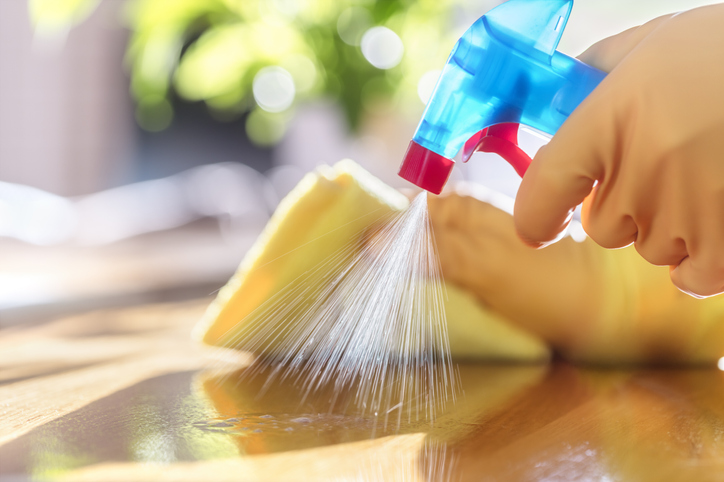
If you’re cleaning out your cleaning cabinet, you might come across some products you no longer use or need. It’s important to know that many household cleaners contain chemicals that shouldn’t simply be tossed in the trash. These substances can be harmful if they leak into the environment and can pose health risks to sanitation workers. Instead, look for a hazardous waste collection program in your area to dispose of these products safely.
Many communities offer periodic collection events for household hazardous waste where you can drop off items like cleaners, pesticides, and solvents. Alternatively, you might find that some products can be safely disposed of by following instructions on the label. Some cleaners might even be usable by others, so consider donating them to a neighbor or community organization. Proper disposal of cleaning products prevents environmental contamination and ensures your home is free of unnecessary chemicals. Taking that extra step makes a difference in maintaining a safer environment.
10. Thermometers And Other Mercury-Containing Devices

Mercury-containing devices like old thermometers or thermostats should never be casually thrown away. Mercury is highly toxic and can cause significant environmental harm if it leaks into the soil or waterways. Many places have banned the disposal of mercury items in regular trash due to these risks. Instead, they should be disposed of through a hazardous waste collection program that handles mercury safely.
Check with local health departments or waste management facilities to find out where you can drop off these items for proper disposal. Some places might even offer exchange programs, replacing old mercury devices with safer alternatives at no cost. This reduces the risk of mercury exposure and environmental damage. By being vigilant about how you dispose of these items, you protect both human health and the planet. Making informed choices about disposal shows your commitment to environmental responsibility.
11. Asbestos

Asbestos is a hazardous material that was commonly used in building materials for fire resistance and insulation. If you’re renovating an older home, you might encounter products that contain asbestos. It’s illegal to dispose of these materials with regular waste due to their health risks. Inhalation of asbestos fibers can lead to serious illnesses such as lung cancer and mesothelioma, making safe disposal crucial. Specialized services are required to handle asbestos removal and disposal.
It’s important to hire professionals who are certified to manage asbestos safely. Attempting to remove or dispose of asbestos on your own can expose you to harmful fibers and may be against the law. A professional service will ensure that the material is handled with the appropriate safety measures and disposed of in compliance with regulations. Always check local and federal regulations regarding asbestos handling and removal. Proper management of asbestos protects not only your health but also the well-being of others around you.
12. Pesticides

Pesticides can be found in many garages and sheds, especially if you garden or manage a lawn. When it’s time to dispose of these chemicals, throwing them in the trash is illegal and unsafe. Pesticides can contaminate water supplies and harm wildlife if they’re not disposed of correctly. Instead, look for a local hazardous waste collection event or facility that accepts pesticides for safe disposal.
You might also be able to return unused pesticides to the place of purchase, as some retailers have take-back programs. If you can’t find a disposal program, check with agricultural extension offices for advice on handling and disposal. Always store pesticides in their original containers and never mix different chemicals, as this can create dangerous reactions. Proper disposal of pesticides helps prevent environmental contamination and safeguards public health. Taking these steps ensures you’re protecting both your family and the surrounding ecosystem.
13. Fluorescent Lamps

Fluorescent lamps, including compact fluorescent lamps (CFLs) and tube lights, contain mercury, making them hazardous if disposed of incorrectly. Throwing them in the trash can lead to mercury contamination in landfills, which can harm the environment and human health. Many places have banned the disposal of fluorescent lamps in regular waste due to these risks. Instead, recycling is the preferred method of disposal.
Many hardware stores offer recycling programs where you can drop off used fluorescent lamps. This prevents mercury from entering the environment and allows for the recovery of materials like glass and metal. Always handle these lamps carefully to prevent breakage, and store used lamps in a safe place until you can dispose of them properly. By recycling fluorescent lamps, you contribute to a cleaner environment and comply with disposal regulations. Making informed disposal choices reflects your commitment to sustainability and health.
14. Appliances

Old appliances like refrigerators, air conditioners, and microwaves shouldn’t be thrown in the trash due to the hazardous materials they often contain. Refrigerants, oils, and other chemicals found in these items can be harmful to the environment if not handled properly. Many areas have specific regulations for appliance disposal, requiring them to be taken to a designated recycling facility. Some utility companies offer appliance recycling programs, even providing a pickup service for your convenience.
Recycling appliances allows for the recovery of valuable materials like metals and plastics, reducing the need for new raw materials. Before recycling, check if your appliance is eligible for a rebate or incentive program aimed at promoting energy-efficient replacements. You might also donate working appliances to charities or second-hand stores, extending their useful life. Proper appliance disposal helps prevent environmental pollution and conserves resources. By taking the right steps, you contribute to a more sustainable future.
15. Ammunition

If you find old or unused ammunition among your belongings, you might wonder how to dispose of it safely. Throwing it in the trash is illegal and highly dangerous, as ammunition can explode if mishandled. Local laws typically require ammunition to be disposed of through law enforcement agencies or specialized facilities. Many police departments offer take-back events or designated drop-off points for safe disposal.
Handling ammunition with care is crucial to preventing accidents and ensuring public safety. If you’re unsure about disposal procedures, contact your local police department for guidance. Never attempt to dismantle or alter ammunition as this poses significant risks. Proper disposal of ammunition ensures that it doesn’t end up in the wrong hands and prevents potential hazards. By following the law and reaching out to professionals, you help maintain community safety and security.


