

Bleach has long been the go-to for achieving pristine, germ-free surfaces, but its power can sometimes be too much for certain materials and situations. While it’s perfect for sanitizing your bathroom or brightening your whites, bleach can also cause irreparable damage if used indiscriminately. It’s important to recognize when this chemical powerhouse might do more harm than good. Here’s a rundown of 15 things you should never clean with bleach, ensuring you keep your home not just clean, but intact.
1. Stainless Steel Appliances
Stainless steel adds an elegant touch to kitchens, but using bleach on it can quickly ruin the finish. The chlorine in bleach can react with the metal, leading to corrosion and unattractive pitting. Instead, opt for a gentle stainless steel cleaner or a mixture of vinegar and water to maintain the shine without risking damage. Remember, prevention is key; always rinse and dry the surface thoroughly if bleach accidentally comes into contact with it.
According to Consumer Reports, maintaining your stainless steel appliances with suitable cleaners will not only extend their lifespan but also preserve their sleek appearance. Mistakes made while cleaning can lead to costly repairs or replacements, so it’s crucial to choose the right method. Gentle cleaning ensures that you won’t end up with a tarnished appliance that no longer matches the rest of your kitchen. A little extra diligence goes a long way in preserving your investment.
2. Wood Surfaces

Wood and bleach should never meet. The harsh chemicals in bleach can strip away wood’s natural oils, leading to discoloration and weakening the structure over time. Instead, treat your wood surfaces with gentle soap and water or a wood-specific cleaner. Regular maintenance with a proper polish can also help retain its natural beauty and extend its life.
Using bleach on wood isn’t just about aesthetics—it can affect the wood’s integrity. Once bleach gets into the grain, it can be nearly impossible to reverse the damage. If wood becomes dull or stained, sanding and refinishing might be the only solution. It’s worth taking the less abrasive route from the start to prevent unnecessary work and expense.
3. Colored Fabrics

While bleach is synonymous with brightening whites, using it on colored fabrics is a recipe for disaster. Bleach can strip away color, leaving unsightly spots or ruining entire garments. Instead, look for color-safe bleach alternatives or gentle fabric detergents designed for colored clothing. Keeping your clothes vibrant requires a milder touch and careful product selection.
The American Cleaning Institute advises avoiding chlorine bleach for anything other than white fabrics. Their experts highlight the importance of reading labels and choosing appropriate products for colored fabrics to maintain their appearance. Over time, even infrequent use of bleach can lead to fading and weakening of fabric fibers. By being mindful of what you use, you’ll keep your wardrobe looking fresh and lively.
4. Leather

Bleach and leather are not friends. This combination can dry out and crack the leather, leading to permanent damage. Instead, use specialized leather cleaners and conditioners to maintain its suppleness and sheen. Regular care ensures that your leather goods age gracefully and remain a stylish staple.
When leather becomes stained, the temptation might be to reach for stronger cleaners, but patience is key. Harsh chemicals can break down the natural fibers and oils in leather, leading to irreversible damage. By investing in proper cleaning products and methods, you protect your leather items from premature wear and tear. Longevity and beauty come from consistent, gentle care.
5. Painted Walls

Using bleach on painted walls can be a costly mistake. The chemical can strip away paint, leaving behind a blotchy, uneven finish. To clean painted surfaces, opt for mild soap solutions or specially-formulated wall cleaners. This approach keeps your paint intact while removing dirt and grime effectively.
Experts from the Painting and Decorating Contractors of America emphasize the importance of understanding the chemistry between cleaning products and wall surfaces. The wrong cleaner can result in more work in the form of touch-ups or complete repaints. By choosing appropriate methods and products, you ensure your walls remain a beautiful backdrop for your life. Maintaining your home’s aesthetic appeal requires a thoughtful, informed approach.
6. Granite and Marble Countertops
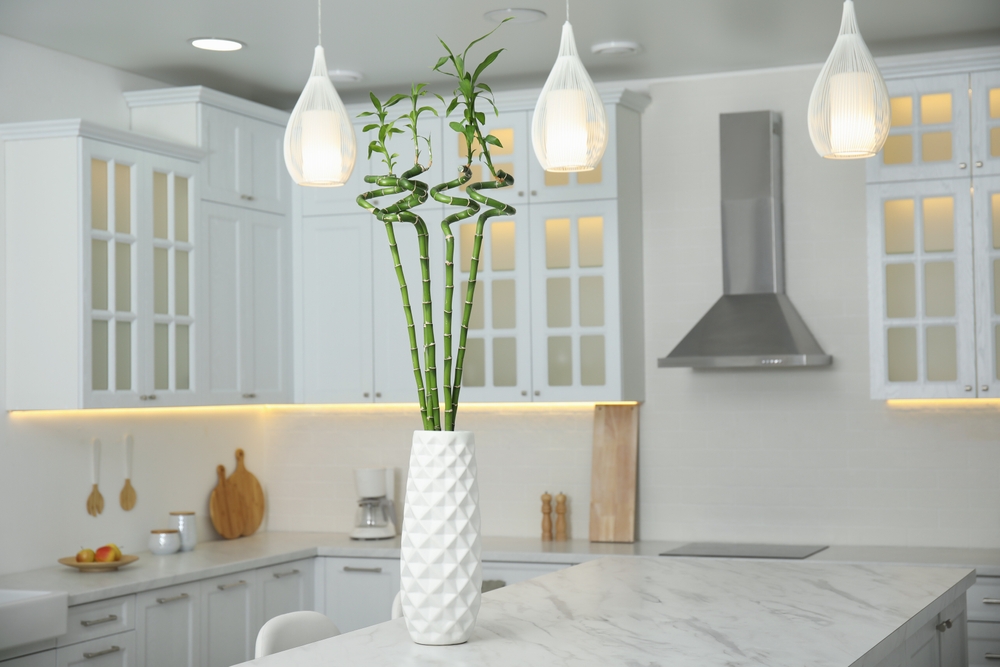
Granite and marble scream luxury but cleaning them with bleach can dull their shine. The porous nature of these stones makes them susceptible to etching and discoloration when exposed to harsh chemicals. Instead, use a pH-balanced stone cleaner or a simple mixture of warm water and mild dish soap. This will keep your countertops gleaming without compromising their integrity.
Despite their tough appearance, stone surfaces need gentle care to prevent damage. Bleach might offer a quick fix for stains but can lead to long-term issues that require professional intervention to resolve. Regular, gentle cleaning preserves the natural beauty and structural soundness of your countertops. An investment in appropriate cleaning solutions is an investment in the longevity of your stone surfaces.
7. Aluminum Surfaces

Aluminum might seem like it can withstand anything, but bleach is its kryptonite. The chemical reaction between bleach and aluminum leads to tarnishing and can even result in a dangerous release of hydrogen gas. Instead, use a mild detergent or a paste of baking soda and water for a safer, effective clean. Regular cleaning with these alternatives will ensure your aluminum remains sturdy and functional.
According to the American Society of Metals, understanding the properties of different metals is essential for their care. Using the wrong cleaning products can compromise the material’s integrity and lead to safety hazards. Ensuring that you use suitable cleaning methods helps maintain the functionality and appearance of your aluminum items. This careful attention to detail protects both your home and your health.
8. Carpets and Upholstery

Bleach on carpets and upholstery can be disastrous, leading to discoloration and weakening of the fibers. These surfaces demand a softer approach to avoid irreversible damage. Instead, use specialized carpet and upholstery cleaners that target stains without the harsh effects of bleach. Regular maintenance helps your home textiles withstand the wear and tear of daily life.
The appeal of bleach’s disinfectant power can be strong, especially after spills or stains. However, bleach isn’t just tough on germs; it’s tough on fabrics, too. A gentler method ensures that your carpets and upholstery remain vibrant and durable. Protecting these often-used surfaces requires a commitment to using the right tools and techniques.
9. Silk

Silk, with its delicate texture, should never be exposed to bleach. This luxurious fabric can become yellowed and brittle when treated with harsh chemicals. When it comes to cleaning silk, mild detergents formulated for delicate fabrics or professional cleaning are your best bets. This ensures the longevity and beauty of your silk pieces.
Using bleach on silk isn’t just about immediate damage; it can dramatically shorten the fabric’s lifespan. Once damaged, silk’s signature lustrous appearance can be difficult to restore. By choosing gentle cleaning methods, you protect your investment and enjoy your silk garments and furnishings for years. Thoughtful care of such a precious fabric ensures you continue to enjoy its elegance.
10. Hair

This might seem obvious, but bleach is not a safe option for cleaning anything related to your hair. The potent chemical can cause severe damage to the hair shaft and scalp, leading to breakage and irritation. For a healthy mane, opt for shampoos and conditioners that cater to your specific needs. Regular care with appropriate products helps maintain your hair’s health and shine.
That said, bleach is often used for hair dyeing, but under professional supervision with specific formulations. Using household bleach presents significant risks, including chemical burns. Protecting your hair and scalp means sticking to products specifically designed for hair care. Your best option for vibrant, healthy hair is to leave the harsh chemicals for cleaning, not grooming.
11. Food Surfaces

Using bleach on surfaces that come into contact with food can be hazardous. Any residue left behind can contaminate your food and lead to health issues. Instead, use food-safe cleaning products or a mixture of vinegar and water for a thorough, safe clean. Regular cleaning with the right products ensures both hygiene and safety.
Bleach’s germ-killing properties might seem ideal for food prep areas, but the risks outweigh the benefits. Even a small amount of residue can have negative health impacts when ingested. A milder, food-safe approach keeps bacteria at bay without compromising the safety of your meals. Ensuring a clean and safe kitchen requires choosing products that protect both surfaces and health.
12. Natural Stone Flooring

Bleach is a no-go for natural stone flooring like slate or limestone. The harsh chemicals can cause etching and dull the stone’s natural finish. Use stone-specific cleaners and regular sweeping to maintain the floor’s appearance and durability. This not only preserves the aesthetic appeal but also the structural integrity of your flooring.
While bleach may offer a quick fix for some stains, it can also cause long-term damage that is costly to repair. Stone surfaces require careful maintenance to keep them looking their best. A mix of mindful product selection and routine care ensures your floors remain a stunning feature in your home. By avoiding bleach, you avoid the risk of expensive restoration work.
13. Electronics

Bleach and electronic devices should never meet. The liquid can seep into your devices, causing internal damage and reducing their lifespan. Instead, use microfiber cloths and specialized electronics cleaners to keep screens and surfaces free from fingerprints and smudges. Regular upkeep with the right materials ensures your devices function smoothly.
Electronics are sensitive and require specific care to avoid premature failure. Using bleach not only risks physical damage but also voids warranties due to improper cleaning. Choosing appropriate cleaning methods maintains your devices’ performance and appearance. A little extra care goes a long way in extending the life of your electronics.
14. Rubber
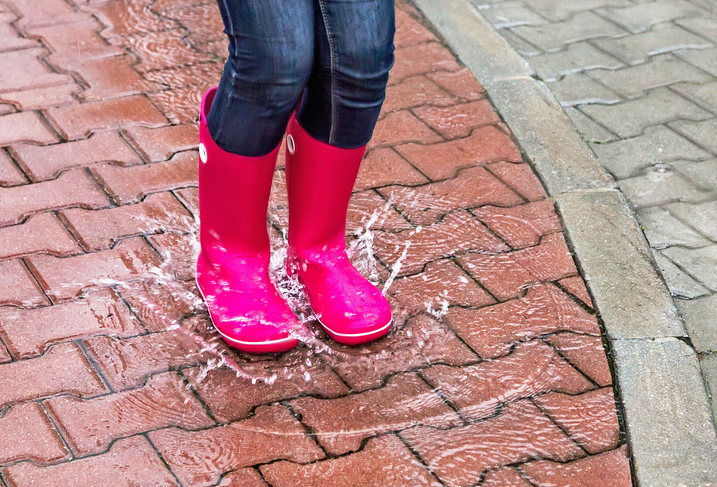
Bleach can deteriorate rubber, making it brittle and causing it to crack over time. This applies to everything from rubber seals in appliances to rubberized tools and accessories. Instead, clean these items with mild soap and water to preserve their elasticity and functionality. Consistent, gentle cleaning ensures your rubber items remain as durable as they are useful.
Though bleach might seem like an easy solution for stubborn stains or mold, it ultimately does more harm than good. Rubber needs to stay flexible to perform its function, and harsh chemicals compromise this quality. By choosing softer cleaning methods, you extend the life of rubber products. Protecting these everyday essentials means taking a measured, mindful approach to cleaning.
15. Grout

Using bleach on grout might seem like an excellent way to make it sparkle, but it can lead to issues. Bleach can erode grout over time, weakening its ability to hold tiles together. Instead, use a pH-neutral cleaner or baking soda paste to clean grout effectively without causing damage. Regular maintenance keeps grout in good condition and your tiles securely in place.
Grout is a crucial component of tiled surfaces, and its deterioration can lead to costly repairs. Bleach might offer a temporary brightening effect but compromises the grout’s integrity. Opting for gentler cleaning solutions ensures that your tile surfaces remain intact and visually appealing. Taking care of grout extends the life of your tile installations and maintains their aesthetic.


