
The holiday gift landscape has quietly shifted this year, and it’s no longer about buying the loudest, flashiest thing on the shelf. Instead, people are gravitating toward gifts that feel oddly specific, emotionally intelligent, and deeply reflective of the cultural moment we’re living in. TikTok trends, economic anxiety, burnout, and nostalgia are shaping what people actually want to unwrap. These are the Christmas gifts surging in popularity right now — not because they’re obvious, but because they hit exactly where people are.
1. Luxury Sleep Gadgets

High-end sleep aids have become one of the most sought-after gifts this season, especially among adults who are exhausted in ways coffee can’t fix. Smart sleep masks, temperature-regulating pillows, and white-noise machines designed by neuroscientists are flying off shelves. Sleep has become a status symbol, not a given. Gifting better rest now feels thoughtful rather than indulgent.
People are framing sleep tools as wellness investments instead of accessories. Burnout culture has made “just get more sleep” feel impossible without help. These gadgets promise control in a chaotic world. That promise is incredibly giftable right now.
2. Nostalgic Tech From the Early 2000s

MP3 players, digital cameras, and flip phones are suddenly everywhere again — but upgraded just enough to feel intentional. Younger shoppers are buying them for ironic reasons, while older shoppers are buying them emotionally. The appeal is partly aesthetic and partly a rejection of constant connectivity. This tech feels simpler, slower, and safer.
Gifting nostalgia has become a way to say, “Remember when life felt lighter?” People want objects that pull them out of algorithmic overwhelm. These devices feel like time machines in a box. That emotional payoff makes them wildly popular.
3. Personalized AI Companions

AI-powered journaling apps, voice-note companions, and digital planners customized to the recipient’s personality are booming. These gifts promise emotional support, productivity, and reflection without judgment. In a lonely, overstimulated world, that feels comforting. The personalization makes them feel intimate.
People aren’t gifting AI because it’s futuristic — they’re gifting it because it feels attentive. These tools adapt, remember preferences, and respond thoughtfully. That responsiveness feels almost human. It’s unsettling, but also irresistible.
4. Elevated “Grandma” Aesthetic Home Items

Crochet throws, ceramic butter dishes, embroidered linens, and floral lamps are having a major moment. The so-called “grandma core” trend exploded this year as people leaned into warmth and softness. These items feel comforting rather than trendy. They signal coziness instead of status.
Gifting these pieces feels like offering emotional shelter. They evoke slower mornings and familiar kitchens. In a year defined by instability, softness sells. People are craving homes that feel gentle.
5. Experience Gifts With Built-In Meaning

Instead of vague gift cards, people are buying very specific experiences tied to memory-making. Cooking classes, pottery workshops, guided hikes, and sound bath sessions are surging. These gifts promise presence, not stuff. They feel intentional rather than lazy.
Experiences are replacing objects because people feel overwhelmed by clutter. Gifting an experience suggests you know someone’s inner world. It also sidesteps the pressure to conform to physical perfection. That emotional intelligence resonates.
6. Functional Jewelry With Hidden Purpose
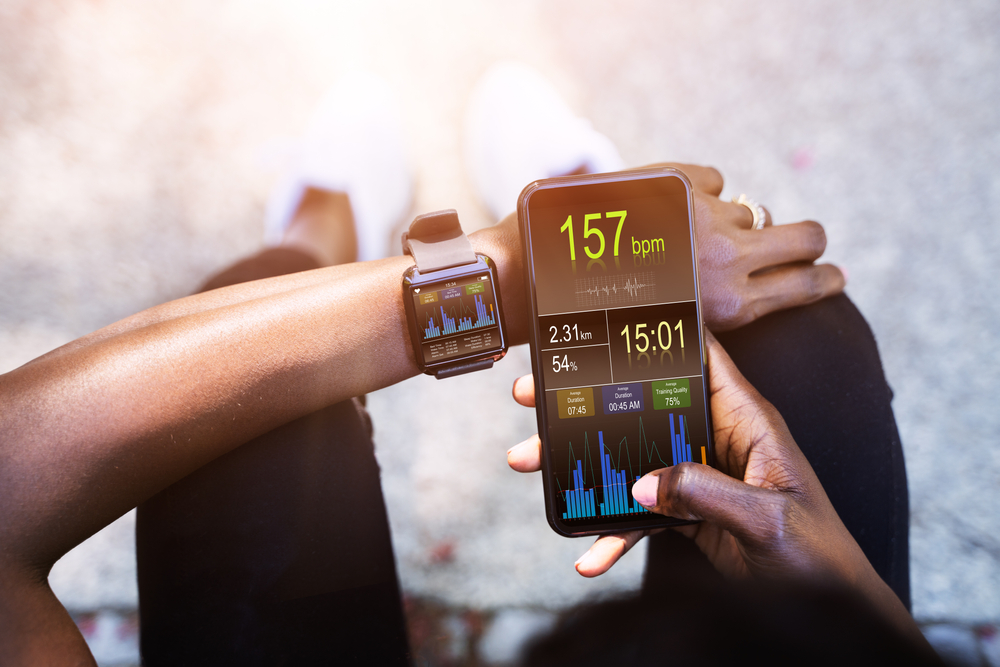
Necklaces that double as fidget tools, rings that track stress, and bracelets infused with calming technology are everywhere. Jewelry has become less about sparkle and more about support. These pieces are designed to soothe, not impress. That subtlety feels modern.
People love gifts that quietly help them cope. Functional jewelry blends beauty with emotional regulation. It feels private and thoughtful. That combination is proving irresistible.
7. High-End Kitchen Tools for “Soft Cooking.”

Manual pasta makers, artisan knives, bread-proofing baskets, and ceramic cookware are trending strongly. Cooking has shifted from a productivity task to a form of therapy for many people. These tools support slower, more intentional food rituals. They signal care rather than efficiency.
Gifting kitchen tools now feels personal instead of domestic. It says, “I see how you decompress.” Cooking has become a grounding practice. These gifts meet people where they are emotionally.
8. Hyper-Specific Coffee and Tea Subscriptions
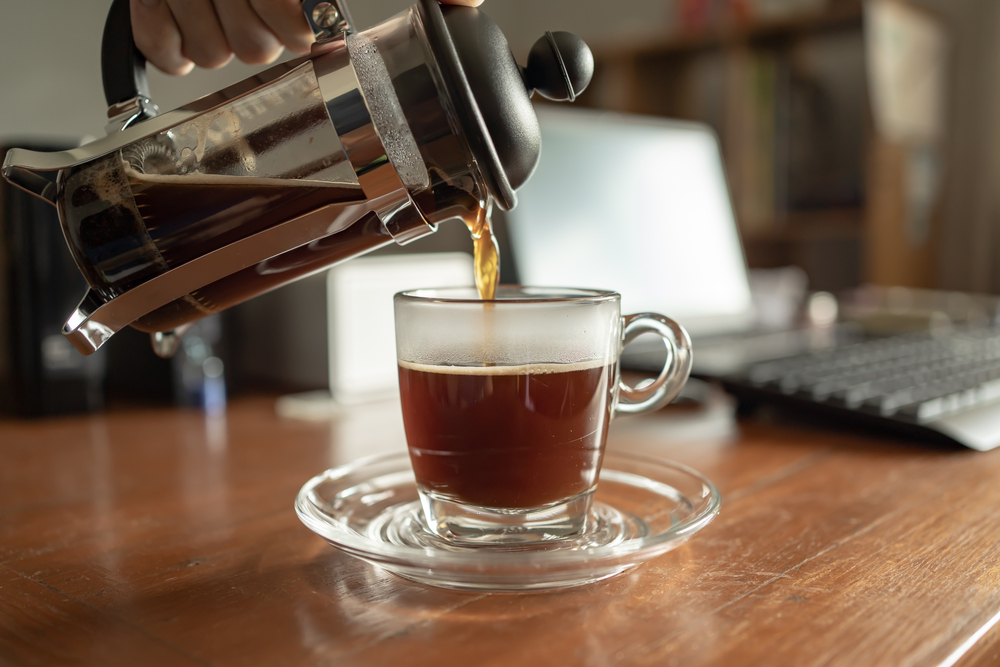
Generic coffee gifts are out — hyper-curated subscriptions are in. Single-origin beans, mushroom blends, ceremonial-grade matcha, and regional teas are selling out. These subscriptions feel refined and personal. They turn daily routines into rituals.
People are gifting calm in liquid form. The customization makes recipients feel known. Small daily pleasures carry more weight now. These subscriptions deliver that repeatedly.
9. Therapeutic Games for Adults

Board games and card games designed around communication, intimacy, and emotional intelligence are exploding. These aren’t party games — they’re connection tools. Many are marketed as therapist-approved. That framing resonates deeply.
People want structured ways to talk without pressure. These games make vulnerability easier. Gifting them signals emotional maturity. That’s a powerful holiday message.
10. Elevated Organizational Tools

High-design planners, aesthetic storage systems, and fridge organizers are everywhere this year. Organization has become a coping mechanism. These tools promise clarity and control. That promise is deeply appealing right now.
Gifting organization feels supportive rather than critical. It suggests fresh starts and manageable lives. The aesthetic element makes it aspirational. People are buying hope disguised as containers.
11. Low-Alcohol and No-Alcohol Drink Sets

Curated mocktail kits, non-alcoholic wines, and adaptogenic beverages are huge this season. Drinking culture is shifting fast, especially among younger adults. These gifts align with wellness without preaching. They feel inclusive.
Gifting these drinks acknowledges changing values. It offers celebration without pressure. That balance feels modern. People appreciate being seen in their choices.
12. Wearable Comfort Clothing

Ultra-soft lounge sets, weighted hoodies, and temperature-regulating socks are dominating gift guides. Comfort has overtaken fashion as a priority. These items feel like permission to rest. That’s powerful.
People are gifting clothes that soothe rather than perform. The appeal is physical and emotional. These items feel safe. Safety is trending.
13. Creative Hobby Starter Kits

Embroidery kits, watercolor sets, candle-making supplies, and journaling boxes are everywhere. People want hands-on hobbies that slow their minds. These kits lower the barrier to creativity. That accessibility matters.
Gifting a hobby suggests belief in someone’s inner life. It encourages play without pressure. Creativity feels healing right now. These kits deliver that promise.
14. Thoughtful Tech Detox Tools

Lockboxes for phones, minimalist alarm clocks, and distraction-free writing devices are surging in popularity. People want boundaries with technology. These tools make disconnection tangible. That’s appealing.
The Gifting Detox Tools message says, “Your peace matters.” It acknowledges digital fatigue without judgment. These gifts feel protective. Protection is a compelling holiday theme.
15. Emotionally Intelligent Books

Books about boundaries, midlife reinvention, trauma, and meaning are topping gift lists. These aren’t self-help clichés — they’re reflective and grounded. People want language for what they’re feeling. Books offer that quietly.
Gifting a book now feels intimate. It suggests shared values and understanding. These books don’t promise fixes. They promise companionship.


