
Climate change is no longer a distant concern; it’s something you’re experiencing right now, often in subtle ways that creep into daily life. The evidence is all around you, from the shifting seasons to the unpredictable patterns of weather. These changes affect not only the environment but also the rhythms and routines you’ve long taken for granted. Here are 15 ways climate change is already impacting your everyday life without you even realizing it.
1. Altered Seasonal Patterns

Remember when you could count on snow by December or flowers blooming in March? These predictable patterns are becoming less reliable as climate change alters seasonal timelines. Winters are starting later, and springs are arriving earlier, throwing off the traditional calendar you’ve grown accustomed to. This shift impacts everything from agriculture to your favorite outdoor activities like skiing or gardening. According to a study published in the journal Nature Climate Change, these shifts are having cascading effects on ecosystems and economies, affecting everything from plant growth cycles to retail sales of seasonal goods.
Beyond academia, these changes hit you personally. Suddenly, your favorite ski resort isn’t open as early as it used to be, or your allergy season starts before you’ve even packed away your winter coat. Even culturally significant events, such as cherry blossom festivals, are being rescheduled or disrupted. The gradual blurring of distinct seasons can leave you feeling disoriented and nostalgic for the predictable past.
2. Allergies Are On The Rise

If it seems like your allergy seasons have become more intense, you’re not imagining things. Climate change is causing plants to produce more pollen and for longer periods. The result? A longer, more relentless allergy season that could have you reaching for tissues far more often than you’d like. Pollen counts are rising, and for those who suffer from hay fever, it feels like an endless battle against the sniffles and sneezes.
These intensified allergies don’t just affect your comfort; they can also impact your productivity and overall quality of life. You might find yourself less energetic and more irritable, which can ripple into your work and social interactions. Allergy medications can cause fatigue, making it a struggle to get through the day. This is more than a minor inconvenience—over time, it can contribute to long-term health issues and increase healthcare costs.
3. Unpredictable Weather Events

Gone are the days when you could safely rely on the weather forecast for your weekend plans. What used to be standard summer thunderstorms are now more likely to escalate into severe weather events. You might find your plans derailed by unexpected heatwaves or sudden downpours, often with little warning. According to the National Oceanic and Atmospheric Administration (NOAA), the frequency of extreme weather events has significantly increased over the past 50 years, a trend tied directly to climate change.
This unpredictability can leave you feeling unprepared and anxious. It’s not just about carrying an umbrella; it’s about planning for potential power outages, flights cancellations, or even evacuations. The mental toll of living with this uncertainty can be profound, adding stress to your life in ways that previous generations never had to worry about. Whether it’s stocking up on supplies or investing in a good generator, the costs, both emotional and financial, are starting to add up.
4. Rising Energy Costs

You might have noticed that your energy bills are creeping up each season. As temperatures climb, the demand for air conditioning increases, driving costs higher. Alternatively, milder winters might seem like a reprieve, but they also lead to increased heating expenses due to longer cold spells. This fluctuation in energy needs directly affects your budget, making it harder to predict your monthly expenses.
Furthermore, power grid issues, exacerbated by climate-related stresses, can lead to energy shortages or failures, forcing you to adapt to energy-saving measures. You might find yourself investing in energy-efficient appliances or considering solar panels as a long-term strategy. The pressure to be more energy-conscious can feel overwhelming, especially when weighed against immediate financial burdens. This shifting energy landscape requires you to think strategically about consumption, a task that can be both time-consuming and financially challenging.
5. Threats To Food Security

Have you noticed your grocery bill growing despite buying the same items? Climate change disrupts agricultural productivity, leading to price hikes on everyday staples. Droughts and floods affect crop yields, making certain foods more expensive and less available. The International Food Policy Research Institute (IFPRI) anticipates that climate change could significantly reduce global agricultural productivity, driving up food prices and impacting your weekly shopping list.
You may also observe a shift in the types of foods available, with some products becoming seasonal luxuries rather than everyday staples. This can make meal planning more challenging and force you to get creative with substitutes. Beyond the grocery store, these changes can impact how you view food security and sustainability, sparking a deeper conversation about the long-term impacts of your buying habits. The choices you make at the supermarket are increasingly influenced by environmental concerns, aligning your diet more closely with global climate realities.
6. Water Is Running Out

Turning on the tap and having fresh water is something you might take for granted, but climate change is threatening this basic amenity. As droughts become more common, water scarcity is a pressing issue, even in places that once seemed abundant. Water restrictions can alter your daily routines, from watering your garden to bathing or cooking. The psychological impact of this scarcity can create anxiety about the future availability of essential resources.
Moreover, water scarcity doesn’t just affect households; it ripples across industries and communities, impacting food production, energy, and public health. As resources become strained, you might find yourself advocating for water conservation measures or adjusting your lifestyle to reduce consumption. This awareness can cultivate a sense of responsibility, prompting you to think critically about your water footprint. It’s a shift in mindset that, while necessary, underscores the broader challenge of living sustainably in an era of climate uncertainty.
7. More Health Risks

The link between climate change and health is becoming increasingly evident, with rising temperatures and pollution levels impacting your well-being. Heatwaves can exacerbate conditions like asthma or cardiovascular problems, posing significant health risks. Moreover, the spread of vector-borne diseases, like Lyme disease and West Nile virus, is expanding as the climate shifts. According to the World Health Organization, climate change is expected to cause approximately 250,000 additional deaths per year between 2030 and 2050 due to heat stress, malnutrition, and disease.
With these health risks more prevalent, your approach to personal health may need to evolve. You might find yourself investing in air purifiers, adjusting dietary habits, or even relocating to more climate-resilient areas. This proactive approach is not just about prevention but also about adapting to a new reality where climate and health are intricately linked. The need to stay informed about these changes is paramount, ensuring you’re prepared to protect your health and that of your loved ones.
8. Increased Insurance Costs

Your home insurance premiums might be climbing, and climate change is a significant factor behind it. As extreme weather events become more frequent, insurance companies adjust their policies to account for higher risks. This can translate to increased costs for you, as well as stricter terms and conditions. The financial impact can be substantial, affecting your ability to invest in property or plan for the future.
Beyond the immediate financial burden, this shift in insurance dynamics can alter your perception of security and stability. You might need to reconsider the location and structure of your home, weighing risks that were previously not on your radar. The prospect of increased premiums can also prompt you to implement preventative measures, such as reinforcing structures or adopting eco-friendly building practices. This proactive stance, while initially costly, underscores a broader need for resilience in the face of uncertain climate futures.
9. Disruption of Travel Plans

If you’ve ever had a flight canceled due to extreme weather or a destination affected by natural disasters, you’ve felt the impact of climate change on travel. Increasingly, your vacation plans can be thwarted by climate-related disruptions, from hurricanes to wildfires. This unpredictability can make planning trips more stressful, demanding flexibility and backup strategies. The emotional toll of interrupted travel dreams can leave you feeling frustrated and disappointed.
Moreover, there’s a growing awareness of the environmental impact of travel itself. You might find yourself grappling with the carbon footprint of air travel and seeking out more sustainable options like trains or local getaways. This shift in travel mindset reflects a broader cultural movement towards conscious consumption and environmental responsibility. As you navigate these new travel realities, the balance between wanderlust and ecological mindfulness becomes an ongoing consideration.
10. Impacted Mental Health

The emotional weight of climate change is a growing concern, affecting mental health in profound ways. Whether it’s anxiety about the future or grief for ecosystems lost, the psychological toll can be significant. You might find yourself feeling overwhelmed by the constant stream of climate-related news or helpless in the face of global challenges. This emotional burden is often termed “eco-anxiety,” a state recognized by mental health professionals who emphasize the importance of coping strategies.
To manage these feelings, you might engage in activism or community initiatives, finding solace in collective action. Alternatively, seeking support through therapy or mindfulness practices can provide relief and resilience. This mental health aspect of climate change underscores the need for a holistic approach to well-being, recognizing the interconnectedness of environmental and personal health. Navigating these emotional landscapes is as crucial as addressing the physical impacts of a changing climate.
11. Changes in Biodiversity
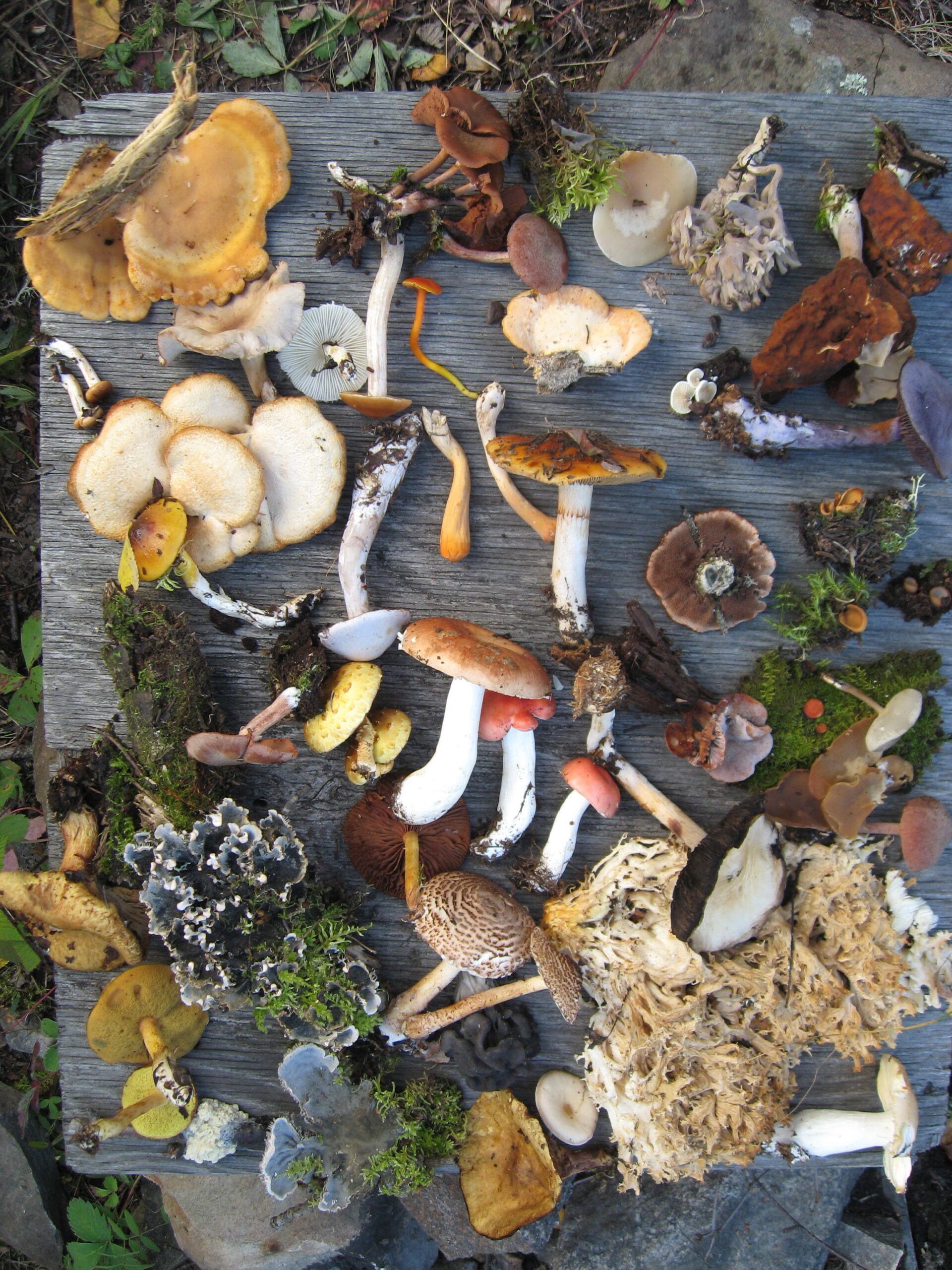
The natural world you cherish is undergoing profound transformations, with climate change driving shifts in biodiversity. Species are migrating to new habitats, altering ecosystems and affecting wildlife you may have enjoyed observing. This loss of biodiversity can have cascading effects, impacting everything from pollination to food chains. The result is a changed landscape that may feel less vibrant and diverse than what you remember.
These ecological shifts can alter recreational activities, such as birdwatching or hiking, as beloved species become harder to find. Moreover, the loss of biodiversity can impact local economies reliant on tourism and natural resources. As you witness these changes, the imperative to support conservation efforts becomes more personal and urgent. Engaging with local initiatives or supporting biodiversity-friendly policies can help mitigate these losses and preserve the natural beauty you cherish.
12. Urban Heat Islands

Living in a city might feel hotter than ever, and urban heat islands are to blame. This phenomenon occurs when urban areas experience higher temperatures than their rural surroundings due to human activities and infrastructure. The increase in heat can make city living uncomfortable, affecting your health, energy consumption, and overall quality of life. Finding ways to stay cool, whether through air conditioning or seeking green spaces, becomes essential in navigating this urban challenge.
Moreover, urban heat islands can exacerbate social inequalities, disproportionately affecting communities with limited access to cooling resources. This disparity can spark conversations about urban planning and environmental justice, urging you to advocate for greener, more sustainable cities. Embracing initiatives like rooftop gardens or increased tree planting can help mitigate these effects, contributing to a cooler, more livable urban environment. This proactive engagement with city planning not only addresses climate impacts but also enhances community resilience and inclusivity.
13. Shifts in Marine Life

The oceans, too, are changing, with rising temperatures and acidification impacting marine ecosystems. If you enjoy activities like fishing or snorkeling, you might notice changes in marine life abundance and diversity. Coral bleaching and declining fish populations are visible signs of these shifts, affecting both recreational experiences and livelihoods dependent on the oceans. The loss of marine biodiversity not only impacts your leisure but also the global economy and food supply.
These changes in the ocean’s health may prompt you to rethink seafood consumption, opting for sustainable choices that support marine conservation. Engaging with marine preservation efforts, whether through education or activism, can also provide a sense of agency in addressing these challenges. As you adapt to these shifts, the connection between personal habits and global environmental health becomes increasingly apparent. Navigating this delicate balance requires both awareness and action, ensuring the oceans and their wonders remain vibrant for future generations.
14. Adaptations To Your Lifestyle

Climate change is prompting a reevaluation of everyday habits and lifestyles, pushing you toward more sustainable choices. Whether it’s reducing waste, conserving energy, or supporting eco-friendly products, these adjustments reflect a growing consciousness of environmental impact. You might find yourself embracing practices like composting, biking instead of driving, or switching to reusable alternatives. These lifestyle shifts, while initially challenging, often foster a deeper appreciation for conservation and sustainability.
Moreover, these changes can influence community dynamics, encouraging collective efforts towards environmental stewardship. As you adapt, the realization that personal choices can contribute to broader environmental goals is empowering. The transition towards a more sustainable lifestyle is not only about mitigating climate impacts but also enhancing overall well-being and quality of life. This journey is both a personal and communal endeavor, shaping a future where environmental responsibility is woven into the fabric of daily life.
15. Shifting Cultural Norms

Climate change is reshaping cultural narratives, influencing everything from fashion to food trends. As awareness grows, there’s a push towards sustainability and ethical practices, with brands and consumers alike embracing eco-conscious values. You might notice a rise in second-hand shopping, plant-based diets, or products boasting minimal environmental footprints. These shifts are not just trends but reflections of a deeper cultural transformation, prioritizing environmental integrity over convenience.
This cultural evolution also affects social interactions and community values, fostering a collective identity centered around sustainability. Engaging with these new norms can feel both invigorating and challenging, requiring you to reassess long-held beliefs and habits. The dialogue around climate change and cultural identity is dynamic, offering opportunities for creativity and innovation in addressing environmental challenges. As you navigate this changing landscape, the fusion of tradition and innovation becomes a guiding principle in crafting a resilient and inclusive future.


