

Vacuuming might seem like the simplest of chores, but there’s more to it than just pushing a machine across the floor. Many of us might not even realize we’re making small mistakes that can lead to less effective cleaning, wasted time, or even damage to our floors and vacuum. Let’s take a stroll through the world of vacuuming and uncover some common missteps we all make, and how to fix them.
1. Vacuuming Too Fast
When you’re in a rush, it’s tempting to speed through vacuuming. However, moving too quickly doesn’t allow the vacuum enough time to pick up all the dirt and debris. According to a study by the Carpet and Rug Institute, slowing down your vacuuming pace can increase the effectiveness by up to 50%. Imagine that: half of your dirt could be left behind if you’re racing. So, take a deep breath and slow down for a cleaner home.
The benefits don’t stop at cleanliness. Slower vacuuming reduces the wear and tear on your vacuum and carpets. When you zip through the process too quickly, you may inadvertently skip certain areas, leading to uneven wear on the carpet fibers. By taking your time, you’re not just cleaning better; you’re also prolonging the life of your carpet. So next time, pace yourself and enjoy the process a bit more.
2. Ignoring The Attachments

Attachments might seem like a bunch of extra plastic, but they’re designed to make your vacuum more versatile. Ignoring them means you’re missing out on cleaning various surfaces effectively. Dust and pet hair love to hide in small places, and those little tools can reach them effortlessly. Different attachments work wonders on upholstery, curtains, and even in the car, where a standard vacuum might not reach.
Using attachments can transform your vacuuming routine from a chore to an effective cleaning session. Instead of just focusing on the floor, imagine getting those pesky cobwebs from the corners of the ceiling. The crevice tool, for example, is perfect for getting into tight spots where dust accumulates. Remember, those attachments are there for a reason, so dust them off and give them a spin.
3. Not Adjusting The Height Setting

Your vacuum cleaner probably has a height adjustment setting, but are you using it correctly? Each carpet type and floor surface requires a different setting to optimize cleaning. According to cleaning expert Melissa Maker, setting the height correctly ensures you’re neither damaging your carpet nor missing out on picking up dirt. The wrong setting can mean you’re either too far away to suck up the grime or too close, causing damage.
Height settings aren’t just about suction power; they’re also about ease of use. If the vacuum is set too low, it can be tough to push, making the task unnecessarily hard. Conversely, if it’s set too high, the vacuum isn’t doing its job effectively. Adjust the settings according to the surface, and you’ll find the sweet spot between ease and efficiency. Check the manual if you’re unsure which height setting suits your carpet type.
4. Vacuuming With A Full Bag Or Bin

Vacuum bags and bins aren’t bottomless pits, and when they’re full, you’re not cleaning efficiently. A full bag or bin reduces suction power, meaning your vacuum is doing half the job. Think of it like trying to drink a thick milkshake through a narrow straw; it’s inefficient and frustrating. Empty your vacuum’s bin or replace the bag regularly to maintain optimal performance.
Regularly checking the bag or bin status saves you from issues down the line. A full bin might lead to clogs or even damage the vacuum motor if ignored for too long. Plus, it’s much more satisfying to see a clear bin after vacuuming, knowing it’s been doing its job. Make it a habit to check the volume before each vacuuming session, and you’ll be on your way to a cleaner home.
5. Skipping The Edges

The edges of your rooms might seem insignificant, but they can harbor a surprising amount of dust and debris. It’s tempting to focus solely on the open floor space, but neglecting the edges means you’re only doing part of the job. According to cleaning specialist Jolie Kerr, dust loves to settle along baseboards where it’s easily overlooked. Over time, this build-up can contribute to indoor air quality issues and allergies.
Taking the time to vacuum along the edges and corners ensures a thorough clean. You might need to break out the crevice tool for these areas, but it’s worth the effort. Not only will your home look and feel cleaner, but you’ll also be reducing allergens and improving the longevity of your carpet. Don’t underestimate the power of a little extra attention to detail.
6. Vacuuming In Only One Direction

Running the vacuum in just one direction might seem efficient, but it can leave dirt behind. Carpets have fibers that can trap dirt at different angles, and a single pass won’t always lift everything. It’s a bit like combing your hair; sometimes you have to go over it a few times to get it right. Going over the same area from different directions ensures a deeper clean.
This technique also helps fluff up the carpet fibers, giving your carpet a fresher appearance. It might take a bit longer to vacuum this way, but the results are noticeable. You’ll likely find that the carpet looks more vibrant and feels softer underfoot. So next time, take a few extra minutes and vacuum in a crisscross pattern to tackle dirt from all angles.
7. Forgetting About The Filter
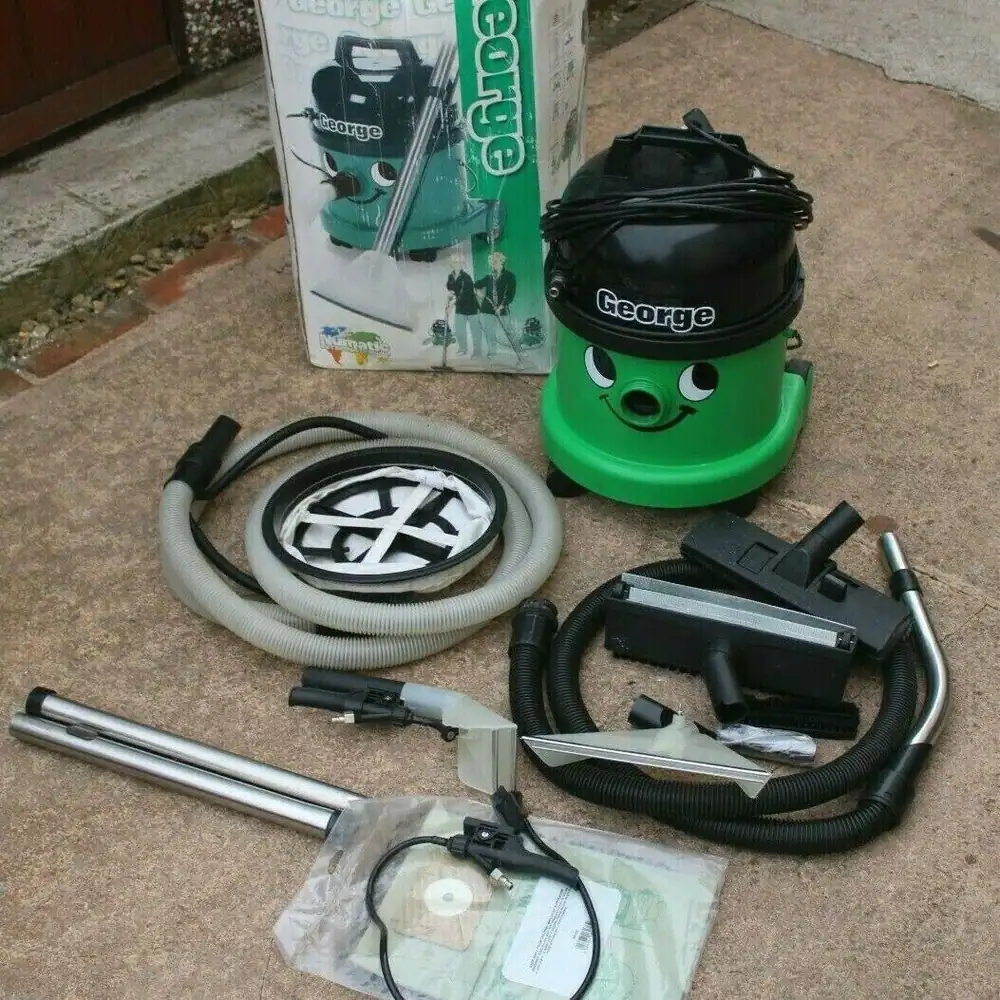
The filter in your vacuum plays a crucial role in maintaining air quality and performance. A clogged filter can severely impact your vacuum’s efficiency, making it work harder for fewer results. According to the American Lung Association, regularly cleaning or replacing your vacuum’s filter can help reduce allergens in your home. Forgetting about the filter isn’t just a cleaning issue; it’s also a health concern.
A clean filter helps the vacuum maintain strong suction, ensuring it picks up as much dirt as possible. If the filter is clogged, the vacuum has to work harder, which can lead to overheating or even permanent damage. Check the filter as part of your regular maintenance routine, and replace it according to the manufacturer’s guidelines. This small step can make a significant difference in both cleanliness and air quality.
8. Not Using The Right Vacuum For The Job

Vacuums are not one-size-fits-all, and using the wrong type can lead to inefficient cleaning and potential damage. For instance, using a heavy-duty upright vacuum on delicate hardwood floors can cause scratches. On the other hand, a lightweight stick vacuum might not have the power needed for thick carpets. Consider the surfaces in your home and choose a vacuum designed to handle them appropriately.
When shopping for a vacuum, think about the specific needs of your space. If you have pets, a vacuum with specialized pet hair attachments might be necessary. If you have a mix of floor types, look for a model that can easily transition between carpets and hardwood. Picking the right vacuum will make your cleaning routine more effective and help protect your floors.
9. Overlooking Maintenance

Regular maintenance of your vacuum is crucial for its longevity and effectiveness. Over time, parts can wear out, and without proper care, you might find your vacuum losing suction or making strange noises. Make it a point to check the belt, brushes, and other components regularly. A little TLC goes a long way in preventing larger issues down the road.
Neglecting maintenance can result in costly repairs or the need for a new vacuum altogether. Simply taking a few minutes every month to check for clogs, clean the brushes, and ensure everything is in working order can save you time and money. Remember, a well-maintained vacuum is not only more efficient but also lasts longer. So, add it to your cleaning checklist and keep your vacuum running smoothly.
10. Not Vacuuming Often Enough
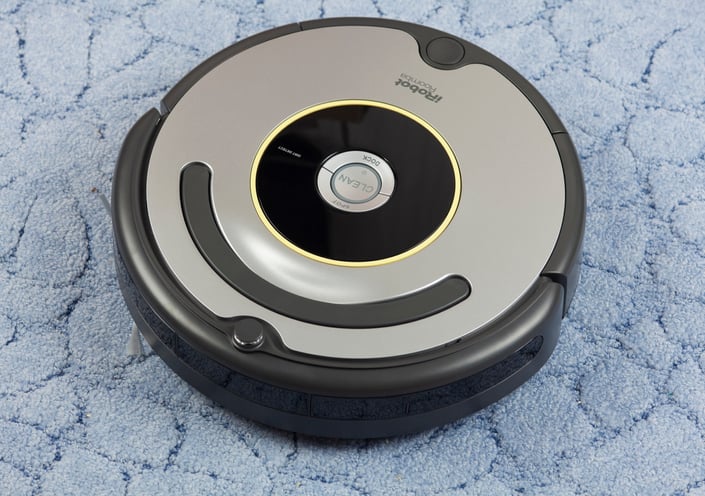
How often you vacuum can make a huge difference in the cleanliness of your home. Dirt and dust accumulate quickly, and waiting too long between sessions means more work for you. For households with pets or high foot traffic, vacuuming at least twice a week is recommended. Even if you live alone, a weekly vacuum can help maintain a clean and healthy environment.
Regular vacuuming prevents dirt from settling deep into your carpet fibers, which can be a nightmare to remove later. It also helps reduce allergens and improve air quality. Consistency is key, so make it part of your routine, just like any other chore. A little bit of effort regularly can prevent a major cleaning session later on.
11. Using The Wrong Technique

You might not think there’s a right or wrong way to vacuum, but technique matters. For instance, pulling the vacuum backward rather than pushing it forward can increase efficiency. This way, the brush hits the dirt first, loosening it before suctioning it up. Experiment with different techniques to see what works best for your vacuum and floor type.
Your posture also plays a role in how effective your vacuuming is. Standing in one place and using only your arms can lead to discomfort and missed spots. Instead, walk with the vacuum and use your body to guide it. This approach ensures even coverage and reduces strain on your arms and back. A simple change in how you vacuum can significantly improve the results.
12. Not Cleaning Under Furniture

It’s easy to skip vacuuming under furniture, but those areas can gather a lot of dust and debris. Ignoring these spots means the dirt can eventually spread to the rest of the room. Plus, it can contribute to unpleasant odors and indoor allergies. Take the time to move furniture periodically or use a vacuum with a low-profile head to reach underneath.
If moving furniture is too cumbersome, consider investing in a vacuum with a flexible hose or specialized attachments. These tools can make it easier to clean under beds, couches, and other heavy items. Regularly tackling these often-forgotten spots will make your home fresher and reduce allergen buildup. So, don’t overlook the hidden spaces in your cleaning routine.
13. Vacuuming Wet Carpet

Vacuuming wet carpet can be a big mistake, as most vacuums aren’t designed to handle moisture. Doing so can lead to electrical issues or even ruin your vacuum. If you spill something on the carpet, it’s best to dry it first with towels or a wet-dry vacuum. Regular vacuums are meant for dry debris, not liquids.
In cases where moisture is unavoidable, such as after a flood or leak, rely on a wet-dry vacuum or professional cleaning services. Wet carpets pose a risk of mold and mildew, so it’s crucial to address the issue correctly. Ensure the area is thoroughly dry before returning to your regular vacuuming routine. This approach not only protects your vacuum but also maintains your carpet’s integrity.
14. Forgetting To Change The Vacuum Bag Regularly

If your vacuum comes with a bag, changing it regularly is crucial for maintaining efficiency. A full bag reduces suction power, making it less effective at picking up dirt. Many people wait until it’s completely full before changing it, but experts recommend doing so when it’s about three-quarters full. This practice helps maintain optimal performance and extends the life of your vacuum.
Keeping an eye on the bag’s fullness also prevents potential clogs and overworking the vacuum motor. It might seem wasteful to change it before it’s entirely full, but it’s better for your machine and your home’s cleanliness. Make it a habit to check and replace the bag as needed. This simple step ensures your vacuum continues to work effectively.
15. Only Vacuuming Carpets

Vacuuming isn’t just for carpets; it’s also beneficial for hardwood, tile, and other hard surfaces. Dust and dirt can accumulate just as easily on these surfaces and can be just as harmful. Many vacuums come with settings or attachments designed for hard floors, ensuring they’re cleaned effectively without being scratched. Incorporating these surfaces into your routine means a more comprehensive clean.
Besides debris, hard surfaces can accumulate allergens and bacteria, affecting your home’s air quality. Regular vacuuming of these areas helps keep them hygienic and reduces the need for more intensive cleaning later. So, don’t limit your vacuuming to just carpets. Make sure you’re covering all your floors for a truly clean home.
More Bolde Stories

People who are highly stressed perfectionist adults usually started as sweet kids who had these 1...

People who are slowly losing their trust in other people usually say 8 phrases in casual conversa...

