
Keeping your house in tip-top shape is no easy task, and sometimes, your habits might be working against you. You might not even realize that certain things you’re doing daily are causing slow but steady damage to your home. By adjusting a few of your routines, you can keep your living space healthier for longer. Here are 15 surprising habits you might not have considered that could be quietly harming your home over time.
1. Ignoring Small Leaks

A little drip here and there might seem harmless, but those small leaks can add up to big trouble. The constant moisture can lead to mold growth, which is not only unsightly but also a health hazard. Water damage can also weaken your home’s structure over time, leading to costly repairs. According to the Environmental Protection Agency, fixing leaks can save homeowners about 10% on their water bills and prevent further damage to the home. So next time you hear that tap dripping, take it seriously and fix it sooner rather than later.
Ignoring leaks also means more than just dealing with water damage. It can lead to increased humidity levels throughout your home, creating a breeding ground for other problems like mildew and dust mites. Your indoor air quality may suffer, impacting allergies and respiratory issues for you and your family. Plus, standing water can attract pests, turning a minor issue into a full-blown infestation. Not only will you be battling higher repair costs, but you’ll also have to deal with these unwelcome guests in your home.
2. Slamming Doors

You might not give it a second thought when you let a door slam shut, but over time, this habit can wreak havoc on your home’s structure. Slamming puts unnecessary stress on the door’s hardware, including hinges and latches, which can lead to misalignment or even breakage. The repeated force can also damage the door frame and surrounding walls, leading to cracks and loosening of structural elements. If you’ve noticed doors not closing properly or gaps appearing, it might be time to change your slamming habits.
Aside from the physical damage, the noise caused by slamming doors can be disruptive to everyone in the house. It’s an easy habit to fall into, especially when you’re in a hurry, but making a conscious effort to close doors gently can save you a lot of trouble down the road. Installing soft-close mechanisms or door dampers can be a simple solution to prevent any unintentional damage. Over time, this small change can lead to a quieter, more peaceful, and well-maintained home environment.
3. Skipping Regular HVAC Maintenance
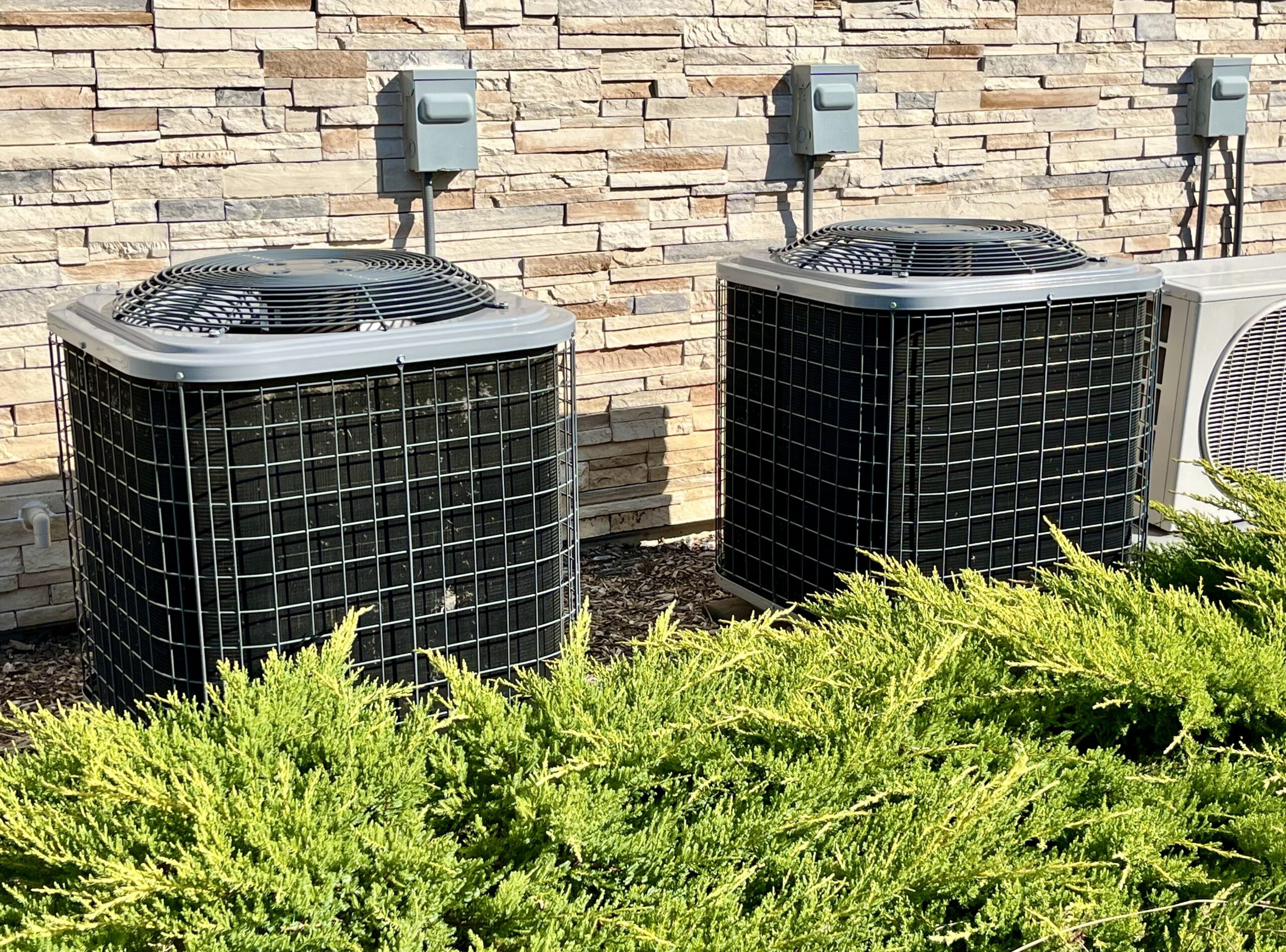
Your HVAC system is the unsung hero of your home, keeping you comfortable all year round. But skipping regular maintenance checks can lead to inefficiency and potential breakdowns. When your system isn’t running efficiently, it has to work harder, which can increase your energy bills and decrease its lifespan. According to the U.S. Department of Energy, regular HVAC maintenance can improve system efficiency by up to 15% and extend its lifespan by several years. So, it’s worth scheduling those routine check-ups to keep your system running smoothly.
Neglecting your HVAC system can also have consequences for your indoor air quality. Dust, pollen, and other allergens can accumulate in the system and circulate throughout your home, affecting everyone’s health. In extreme cases, a poorly maintained system can even lead to carbon monoxide leaks, posing serious health risks. Regular maintenance not only protects your investment but also ensures a healthier living space for you and your family. Don’t wait until it’s too late and your system breaks down in the middle of a heatwave or cold snap.
4. Overloading Electrical Outlets
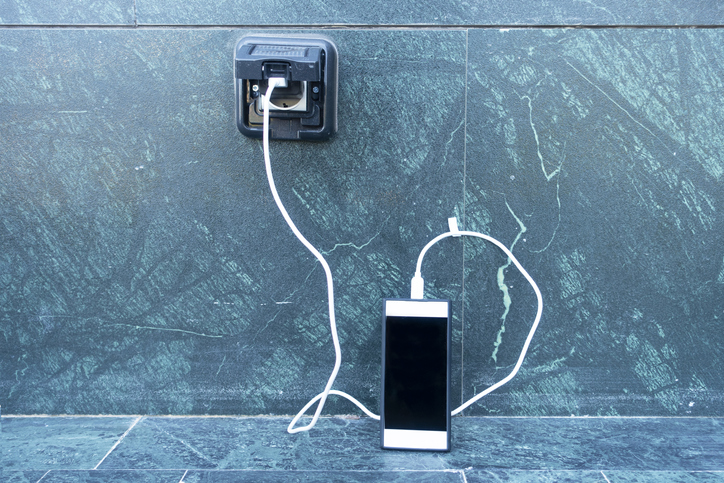
With all the gadgets and appliances we rely on today, it’s tempting to plug everything into a single outlet for convenience. But overloading your outlets can lead to serious electrical problems, including blown fuses or even electrical fires. Each outlet is designed to handle a certain load, and exceeding that capacity can cause the wiring to overheat. Be mindful of how much you’re plugging into each outlet, and consider using power strips with built-in circuit breakers for added protection.
Not only does overloading pose a safety risk, but it can also shorten the lifespan of your appliances. When you’re constantly maxing out an outlet’s capacity, it can cause uneven power distribution, leading to malfunctions or reduced efficiency. Using a dedicated circuit for high-energy appliances like refrigerators or air conditioners can help prevent these issues. Spread out your devices and take the time to organize your cables to ensure a safer, more efficient use of your home’s electrical system.
5. Neglecting Gutter Cleaning

Out of sight, out of mind might apply to your gutters, but leaving them unchecked can cause significant damage. When gutters become clogged with leaves and debris, they can’t effectively channel water away from your home. This can lead to water pooling around the foundation, which, over time, can cause cracks and basement leaks. According to gutter expert Bob Vila, cleaning your gutters at least twice a year can prevent these issues and protect your home’s structural integrity. So grab a ladder and make it a routine to keep them clean.
Gutter neglect can also lead to other unexpected problems, like pest infestations. Stagnant water is a breeding ground for mosquitoes, and clogged gutters can provide shelter for birds, rodents, and insects. All of these uninvited guests can bring their own set of problems into your home. Additionally, the weight of debris-filled gutters can cause them to sag or pull away from the house, requiring costly repairs. Regular maintenance is a small price to pay for peace of mind and a well-functioning gutter system.
6. Forgetting About Exhaust Fans

Exhaust fans in your kitchen and bathroom are essential for venting out moisture and odors, but they often go unnoticed. Forgetting to turn them on or neglecting their maintenance can lead to moisture buildup. High humidity levels in these areas can cause paint to peel, wallpaper to bubble, and even mold to grow. Ensure you use these fans during and after showers or when cooking to keep humidity in check.
Ignoring exhaust fan maintenance can also affect indoor air quality. Dust and grease build-up can clog the fans, reducing their efficiency and potentially circulating pollutants back into your home. Cleaning these fans periodically can help maintain their effectiveness and prolong their lifespan. A bit of attention can go a long way in preserving both your home’s interior and the air you breathe every day.
7. Leaving Your Basement Damp

Basements often get the short end of the stick when it comes to home upkeep, but ignoring a damp basement can spell disaster. A moist environment encourages mold growth, which can affect the air quality throughout the house and pose health risks. Moreover, persistent moisture can weaken the foundation and lead to costly structural repairs. A study by the American Society of Home Inspectors found that over 60% of homes have moisture problems in the basement at some point, highlighting the importance of vigilant maintenance.
It’s crucial to identify and address the sources of moisture early on. Whether it’s through installing a sump pump, improving drainage, or using a dehumidifier, taking proactive steps can save you a lot of trouble down the line. Regularly inspecting your basement for leaks or water seepage can also help catch potential issues before they escalate. By keeping your basement dry, you’re not just protecting one room but the entire structural integrity of your home.
8. Using The Wrong Cleaning Products

Not all cleaning products are created equal, and using the wrong ones can cause more harm than good. Harsh chemicals can damage surfaces like natural stone, wood, or stainless steel, leading to discoloration or erosion. Over time, this damage can become more pronounced, and you might find yourself needing to replace or repair these surfaces. It’s essential to read labels carefully and ensure that you’re using products specifically designed for the materials in your home.
Beyond the physical damage, certain cleaning products can also affect your indoor air quality. Many contain volatile organic compounds (VOCs) that can contribute to respiratory issues or trigger allergies. Choosing eco-friendly or low-VOC products can help maintain a healthier environment in your home. Additionally, using the right products will often mean you need less elbow grease to get the job done, making cleaning more efficient and safe for both you and your home.
9. Piling Up Firewood Against The House

Stacks of firewood piled up against your home’s exterior might be convenient, but they’re also an open invitation for pests. Termites and ants are particularly attracted to wood, and once they’re in the pile, it’s only a short journey to your home. Over time, these pests can cause significant damage, gnawing away at your home’s structure. To avoid this, store firewood at least 20 feet away from your house and elevate it off the ground to reduce the risk of infestation.
Aside from pests, moisture is another concern when firewood is stacked against your house. Wood that’s exposed to rain or snow can become saturated, leading to rot and decay. If the pile is resting against your siding, it can also trap moisture against your home, leading to potential water damage. By taking the time to store firewood properly, you’re not only protecting your woodpile but also safeguarding your home’s integrity against pests and moisture-related issues.
10. Overwatering Your Lawn

A green lawn is the pride of many homeowners, but overwatering can do more harm than good. Excess water can lead to root rot, shallow root systems, and increased susceptibility to pests and diseases. Moreover, constantly waterlogged soil can put pressure on your home’s foundation, potentially leading to cracks or shifts over time. It’s crucial to find the right balance and ensure your lawn is getting just the right amount of hydration it needs.
Overwatering also wastes precious resources and can lead to higher water bills. By installing a rain sensor or using smart irrigation controllers, you can optimize your watering schedule and conserve water. Not only will this help maintain a healthier lawn, but it will also contribute to a more sustainable environment. A little mindfulness about watering can go a long way in preserving both your landscape and the structural health of your home.
11. Skipping Chimney Inspections

Chimneys might seem like a set-it-and-forget-it feature, but neglecting regular inspections can be risky. Over time, creosote can build up inside the chimney, which is a highly flammable byproduct of burning wood. Without proper cleaning, this can increase the risk of chimney fires, posing a danger to your home and family. Scheduling annual inspections and cleanings can help prevent these issues and ensure your fireplace operates safely.
Beyond the risk of fire, a poorly maintained chimney can also lead to other problems. Blockages from debris or animal nests can impede airflow, causing smoke to enter your home rather than venting outside. Additionally, cracks in the chimney structure can allow water to seep in, leading to leaks and potential damage to your home’s interior. Regular maintenance will not only protect your home but also extend the life of your chimney system.
12. Leaving Plants Unattended

Indoor plants bring life and color to your home, but leaving them unattended can cause issues beyond just wilted leaves. Overwatering can lead to water stains on floors or furniture, while neglected plants might attract pests like gnats or mites. Additionally, some larger plants can become root-bound, causing their containers to crack or even damage nearby surfaces. Keeping an eye on your plants’ needs ensures they stay healthy and don’t inadvertently cause harm to your home.
The type of plant you choose also matters, as some species can be more problematic than others. For example, fast-growing vines might look beautiful but can become invasive, attaching themselves to walls or other structures. Regular pruning and maintenance of your plants can prevent these types of issues, keeping your indoor garden and home in harmony. With a little care, plants can be a stress-free and beneficial addition to your living space.
13. Failing To Check Smoke Detectors Regularly

Smoke detectors are crucial for your family’s safety, but they’re only effective if they’re working properly. Failing to test them regularly can leave you unaware of a potential malfunction. It’s recommended to check your smoke detectors at least once a month and replace the batteries twice a year. This small task can make a big difference in ensuring your home is prepared in case of a fire emergency.
Ignoring your smoke detectors also means you’re missing out on an early warning system for potential fires. In the event of a malfunction or a dead battery, you could lose precious time to escape safely. Keeping up with regular checks and maintenance not only gives you peace of mind but also enhances your home’s safety. It’s a simple habit that requires minimal effort but can have lifesaving implications.
14. Leaving Pet Hair Unchecked

If you have furry friends, you’re probably familiar with the never-ending battle against pet hair. But leaving it unchecked can lead to more than just a messy home. Accumulated pet hair can clog air filters and vents, reducing the efficiency of your HVAC system and increasing your energy bills. It can also contribute to poor indoor air quality, aggravating allergies for you and your family members.
Regular grooming and cleaning can help manage this issue and keep your home healthier. Vacuuming often, using lint rollers, and brushing your pets can make a significant difference. Investing in a high-quality air purifier can also help capture stray hairs and dander, improving the air you breathe. With a proactive approach, you can enjoy your pets without compromising your home’s cleanliness and air quality.
15. Letting Clutter Accumulate

Clutter might seem like a cosmetic issue, but letting it accumulate can have more serious implications for your home. Piles of items can obstruct pathways, create tripping hazards, and make it harder to clean effectively. Over time, dust and allergens can build up, affecting air quality and creating an environment that pests might find attractive. Regular decluttering sessions can help maintain a safer, more accessible, and healthier living space.
Beyond the physical impacts, clutter can also take a toll on your mental well-being. A disorganized home can contribute to stress and make it difficult to relax and unwind. Establishing a routine of organizing and purging unnecessary items can improve both your home’s condition and your overall quality of life. By keeping clutter in check, you create a more pleasant and functional environment for everyone in your household.


