

Feeling unattractive is like wearing an itchy sweater you can’t take off—everyone knows the feeling, but no one wants to talk about it. Let’s break the silence and explore the peculiar things people do when they’re struck by the self-doubt bug. After all, it’s time to get real about the quirks and habits that arise when you’re not feeling your fabulous self. From overly strategic selfie angles to compulsive mirror checks, the things we do might seem strange, but they’re surprisingly common. Here’s a look at 15 odd behaviors people adopt when plagued by the feeling of unattractiveness.
1. They Engage In Excessive Selfie-Taking
You might think snapping selfies is a self-love exercise, but often it’s a way to scrutinize every perceived flaw. While you might take dozens of photos just to find that one “perfect” shot, the real goal is usually validation. According to a study published in Computers in Human Behavior, excessive selfie-taking can be linked to lower self-esteem. The more you try to capture a flawless image, the more you feed into the cycle of self-critique. When you finally post the photo, the likes and comments become temporary relief from your self-doubt.
In this quest for validation, you become acutely aware of every pimple, stray hair, and awkward angle. The phone’s front camera transforms into a magnifying glass for insecurities, making every flaw feel larger-than-life. You might even use photo-editing apps to tweak your appearance, blurring the line between reality and fantasy. This can become an endless cycle of dissatisfaction, as each edited photo sets a new benchmark for your real-world appearance. Yet, the more you edit, the more disconnected you become from your true self.
2. They Avoid All Mirrors
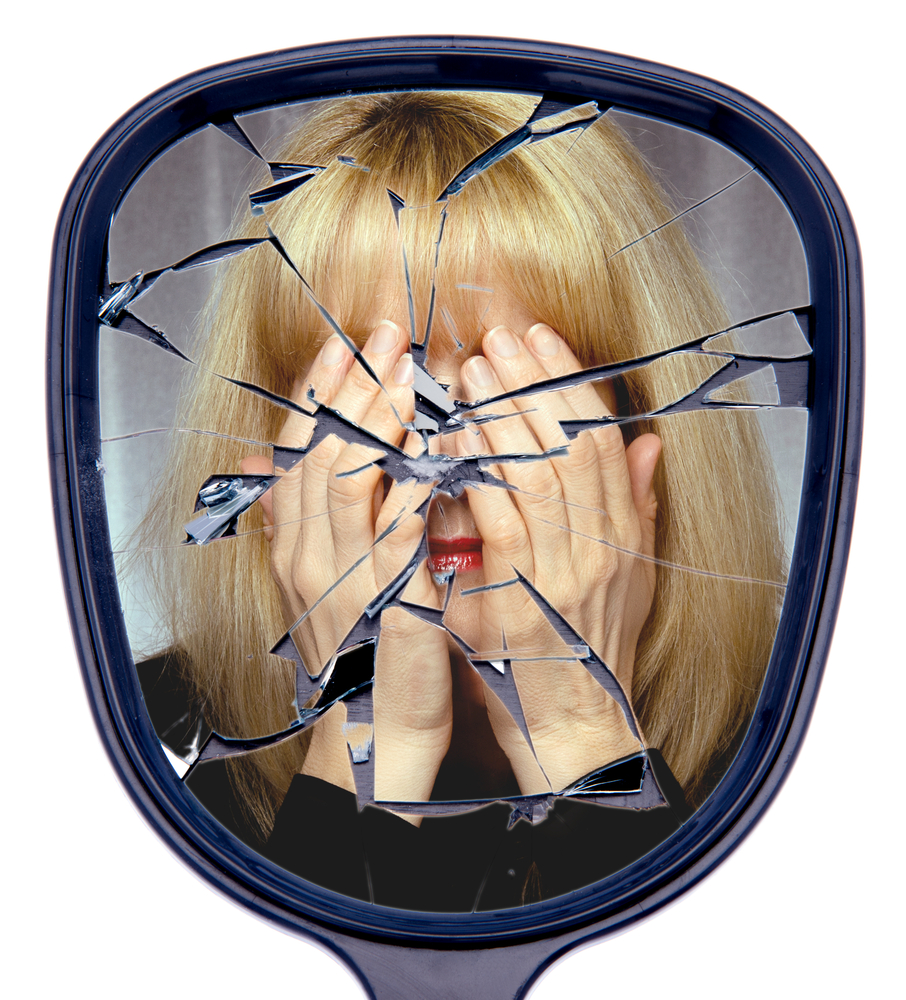
On the flip side of the selfie obsession is the complete avoidance of mirrors. If you’re feeling unattractive, mirrors become the enemy, reflecting what you’re not ready to face. You might find yourself dodging reflective surfaces, whether it’s a bathroom mirror or a shop window. This avoidance is a way to sidestep the negative self-talk and critical internal monologue. While it might offer temporary relief, avoiding mirrors can detach you from understanding and accepting your own appearance.
Without regular mirror check-ins, you may lose touch with how you truly look, leading to a distorted self-image. This can make social interactions even more stressful, as your mind fills in the blanks with imagined flaws. By not confronting your reflection, you deny yourself the opportunity to build self-acceptance. It’s a bit like hiding from a problem rather than addressing it. While it might be painful at first, facing your reflection can be the first step toward self-compassion and confidence.
3. They Overanalyze Social Media
When you’re in a self-doubt spiral, even a casual scroll through Instagram can turn into a game of comparison. Every perfectly curated photo and seemingly flawless friend becomes a stark reminder of your perceived shortcomings. According to the American Psychological Association, social media can significantly impact self-esteem, especially when comparisons are involved. You might find yourself dissecting every detail of others’ photos, from their glowing skin to their trendy outfits. This habit can amplify feelings of inadequacy and make you question your own worth.
These comparisons lead to a constant cycle of self-judgment, where you measure your life against someone else’s highlight reel. It’s a losing game because you’re not seeing the full picture of anyone’s life, just the polished parts they choose to share. You may even feel resentment towards people who appear to have it all together. But remember, social media is a curated version of reality, not the whole truth. The key is to remind yourself that everyone has their struggles, even if they’re edited out of the frame.
4. They Engage In Compulsive Shopping

Retail therapy becomes a coping mechanism for those who feel unattractive. Shopping offers a temporary escape, allowing you to reinvent yourself with new clothes or beauty products. You might start believing that the right outfit or new lipstick will mask your insecurities. But once the shopping high wears off, you often find yourself back where you started, now with a lighter wallet. This cycle can become addictive, as each purchase is a short-lived boost to your self-esteem.
Shopping sprees might provide a quick fix, but they don’t tackle the root of the issue. The thrill of the purchase fades, leaving you with a closet full of items that don’t necessarily make you feel better about yourself. Instead of seeking external solutions, it can be more beneficial to work on internal confidence. When you base your self-worth on material possessions, you set yourself up for disappointment. True confidence comes from within, not from a shopping bag.
5. They Obsess Over Skincare Routines
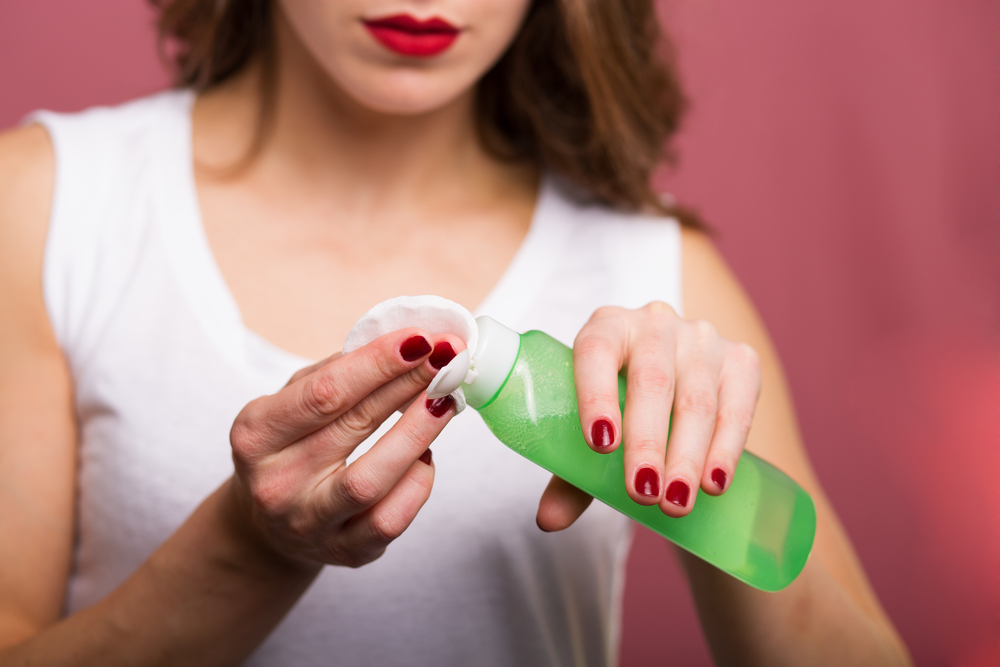
When you’re feeling unattractive, you might take your skincare routine to the extreme. You become a detective, scrutinizing every pore, wrinkle, and blemish like they hold the secret to your discontent. Dermatologist insights, like those from the Journal of Dermatological Science, suggest that stress and anxiety can exacerbate skin issues, creating a vicious cycle. A 10-step skincare routine might seem like self-care, but it often spirals into an obsession. You pile on products, hoping for a miracle transformation that rarely materializes.
In your quest for perfect skin, you might experiment with every trending product and treatment out there. This frenzy can lead to over-exfoliation, irritation, or even breakouts, ironically worsening the very issues you were trying to solve. It’s easy to get lost in this cycle, but remember that no magic potion can substitute for self-acceptance. While a solid skincare routine is important, finding balance and being kind to your skin is crucial. Acceptance, not perfection, is the ultimate goal for any skincare enthusiast.
6. They Fish For Reassurance
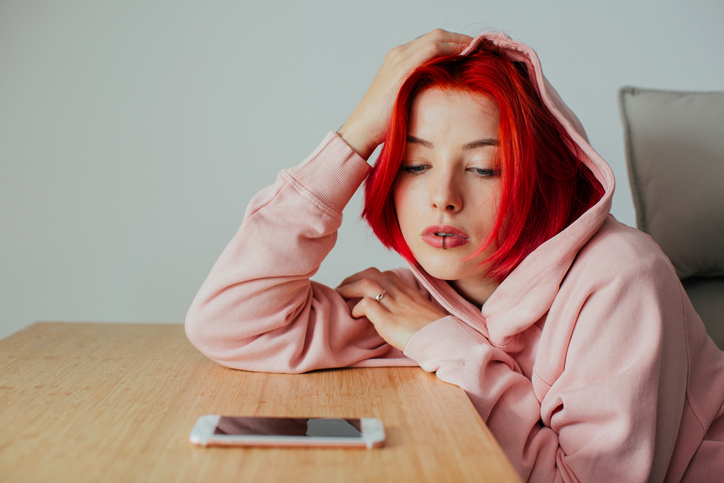
You may find yourself constantly seeking reassurance from friends and family when your self-esteem dips. Every compliment becomes a lifeline, and every comment is dissected for hidden meanings. While it’s natural to seek validation from others, relying too heavily on external opinions can be harmful. It creates a dependency where your self-worth is contingent on others’ perceptions. This reliance can become exhausting for both you and your loved ones, as no amount of reassurance seems sufficient.
This habit can lead to a cycle of needing more and more validation to feel okay. It sets the stage for disappointment if you don’t receive the compliments you crave. Instead of depending on others, it’s beneficial to cultivate self-reassurance and affirmations. Building a strong sense of self-love requires internal validation, not just external approval. Over time, you can learn to be your own source of confidence, reducing the need for constant outside affirmation.
7. They Engage In Extreme Dieting

Feeling unattractive can sometimes lead to drastic changes in eating habits as people search for control. When self-esteem is low, the promise of a “better” body becomes alluring, often leading to extreme dieting. Nutritionists like those quoted in the International Journal of Eating Disorders warn that restrictive eating can lead to a host of physical and mental health issues. You might convince yourself that a smaller size will equate to more beauty or worth. However, this mindset can be destructive, leading to a cycle of deprivation and eventual regret.
Instead of finding satisfaction, extreme dieting often results in feelings of inadequacy and failure. It’s an unsustainable approach that can take a toll on both your body and mind. The fixation on weight can overshadow other aspects of well-being, such as energy levels and mental health. True health and attractiveness come from balance and self-care, not from punishing your body. Learning to nourish yourself with kindness and moderation is a more fulfilling path.
8. They Over-Edit Photos
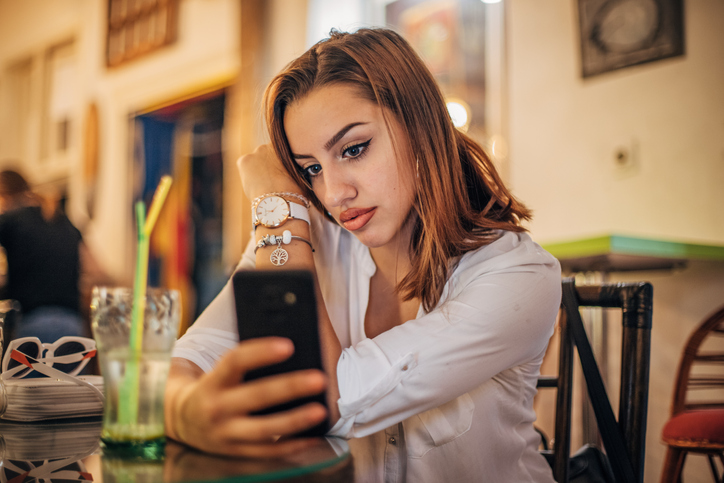
When you’re feeling unattractive, the temptation to over-edit photos becomes hard to resist. You might find yourself smoothing out skin, reshaping features, or altering reality to create the “perfect” image. Over-editing can offer temporary satisfaction but often leaves you feeling even more disconnected from your real appearance. This digital alteration becomes a barrier to self-acceptance, as it sets an unattainable standard for your real-life self. The more you edit, the more you reinforce the idea that your natural appearance isn’t good enough.
While it’s easy to get caught up in the possibilities of photo-editing apps, it’s important to remember that everyone has imperfections. Perfecting every photo might make you feel better temporarily, but it doesn’t address the underlying feelings of unattractiveness. Social media becomes a curated version of reality, not an authentic representation. Instead of hiding behind filters, embracing your natural self can be empowering. Remember, imperfections are what make you uniquely you.
9. They Wear Heavy Makeup
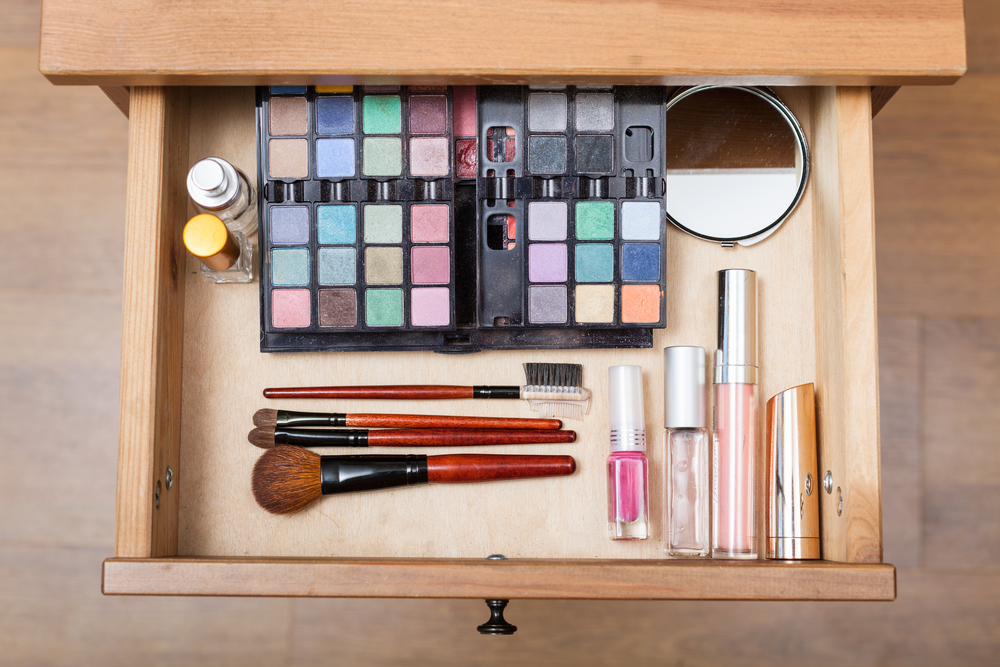
Feeling unattractive can lead to wearing more makeup than usual in an attempt to mask insecurities. You might layer on foundation, contour, and highlighter, hoping to transform your face into a canvas of perfection. While makeup can be a fun form of self-expression, using it as a crutch can strip away authenticity. You might end up feeling more like a caricature than your true self. This reliance on makeup can create a cycle where you feel unable to face the world barefaced.
The ritual of applying makeup can become more about hiding than enhancing. Instead of feeling empowered, you might feel trapped by the layers you apply daily. It’s important to distinguish between using makeup for fun and using it as a shield. Striking a balance where makeup complements rather than conceals your natural beauty is key. Knowing you can rock a no-makeup day with confidence is a powerful feeling.
10. They Obsess Over Fashion

When you’re feeling less than fabulous, you might obsess over fashion as a way to compensate. You invest time and energy in crafting the “perfect” outfit, hoping it will boost your confidence. While fashion can be a form of self-expression, it can also become a mask for deeper insecurities. The pursuit of trendy items and flawless style can be exhausting, often leaving you feeling empty. Instead of following every trend, focusing on what makes you feel genuinely good can be more rewarding.
Fashion should be about personal expression, not a means to hide insecurities. Obsessing over the latest trends can detract from enjoying the clothes you actually love. It’s easy to get lost in the allure of fast fashion, but true style comes from confidence, not conformity. Embracing your personal style, regardless of trends, can help you feel more at ease in your skin. After all, the best fashion accessory is self-confidence.
11. They Hyper-Critique Others

Insecurity can sometimes lead to projecting your feelings onto others through hyper-criticism. You might find yourself nitpicking friends’ appearances or choices as a way to deflect from your own self-doubt. While this might provide temporary relief, it doesn’t solve the underlying issue of feeling unattractive. Critiquing others only fuels negativity and can strain relationships. Instead of focusing on others’ perceived flaws, shifting attention to personal growth can be more fulfilling.
Critiquing others becomes a mirror that reflects your insecurities back at you. It creates a toxic cycle where negativity breeds more negativity. Instead of tearing others down, building them up can foster a sense of community and self-worth. The energy spent on criticizing can be redirected toward self-improvement and acceptance. Positivity starts from within, and uplifting those around you can inspire a more compassionate view of yourself.
12. They Isolate Themselves

When unattractiveness looms large, isolating yourself might seem like the easiest option. You avoid social gatherings, cancel plans, and retreat into your own world. This self-imposed isolation becomes a way to shield yourself from judgment and vulnerability. While it might feel safe initially, isolation can exacerbate feelings of loneliness and inadequacy. Human connection is crucial, and withdrawing from it can create a vicious cycle of self-doubt.
Isolation offers a false sense of security but ultimately reinforces negative self-perceptions. The more you cut yourself off, the harder it becomes to re-enter social circles. Building connections with others can provide support, understanding, and a different perspective on your insecurities. While stepping out can be daunting, small social engagements can help rebuild confidence. Remember, you’re not alone in your feelings, and sharing your experiences can be healing.
13. They Groom Obsessively

Feeling unattractive often leads to an obsession with grooming. You may spend excessive time plucking, shaving, or styling, aiming to achieve a polished appearance. While grooming is a healthy habit, obsessing over it can become compulsive and detrimental. You might find that no amount of grooming feels like enough to make you feel attractive. This endless cycle can drain energy and time, leaving you feeling frustrated and exhausted.
Obsessive grooming can become a way to control your appearance when deeper insecurities are at play. The pursuit of perfection can overshadow the importance of self-acceptance. Grooming should enhance your natural beauty, not mask it or become a source of anxiety. Embracing imperfections can be liberating and help you focus on what truly matters. Striking a balance between grooming and self-love is key to breaking this cycle.
14. They Overthink Compliments

When you’re feeling unattractive, even compliments can become a source of anxiety. Instead of accepting them graciously, you may overanalyze the motive behind every kind word. Compliments that should boost your confidence often have the opposite effect, causing you to doubt their sincerity. This habit can lead to a cycle of mistrust, where you second-guess genuine kindness. Instead of enjoying the positive feedback, you might convince yourself it’s not deserved.
Overanalyzing compliments can create a barrier to experiencing the joy of connection with others. The more you question the motives of others, the more you distance yourself from genuine appreciation. Accepting compliments without suspicion can be a challenge but is crucial for building self-esteem. Learning to say “thank you” and moving on can help shift your mindset to one of acceptance. Embracing compliments as a gesture of kindness can transform your outlook on self-worth.
15. They Resort To Oversharing

In moments of feeling unattractive, oversharing becomes an unlikely outlet for seeking validation. You might find yourself divulging personal details or insecurities to friends or even strangers. This oversharing can feel like a way to bridge gaps and connect with others. However, it can also leave you feeling exposed and vulnerable. The temporary relief of sharing doesn’t always lead to the understanding or validation you seek.
Oversharing often stems from a desire to be seen and understood, but it can backfire if not reciprocated. When you share too much too soon, it can leave you open to judgment or misunderstanding. Building trust gradually and sharing when comfortable can create more meaningful connections. It’s important to differentiate between healthy vulnerability and seeking validation through oversharing. A balanced approach to sharing can enrich relationships without compromising your sense of self.


