

Some years feel chaotic. Some feel overwhelmed. And then there was 2025, a year that didn’t just test our collective sanity — it kneecapped it, stole our lunch money, and set the cafeteria on fire. It was the year when America’s political psychodrama met a hyperactive internet, climate disasters, celebrity scandals, bureaucratic collapses, and a cultural attention span shortened by algorithmic overstimulation. It wasn’t just difficult; it felt like society was being speed-run through every possible existential threat in a single calendar year.
And because trauma doesn’t arrive in one clean wave, 2025 delivered blow after blow — absurd, tragic, chaotic, and bizarre. We weren’t just stressed; we were spiritually concussed. Here are 15 reasons 2025 became the year everyone will be unpacking in therapy until 2050.
1. ICE Raids Escalated — And Even U.S. Citizens Got Detained
Immigration and Customs Enforcement (ICE) entered 2025 with an aggressive new posture, prioritizing large-scale workplace and community raids that were less about targeted enforcement and more about a widespread spectacle. This escalating campaign of “Operation Zero Tolerance” instantly generated a climate of deep fear, causing immigrants and even documented residents to avoid schools, hospitals, and jobs for fear of sudden separation. The psychological damage inflicted on these communities was immediate and devastating, forcing families into a constant state of hyper-vigilance against a government agency whose tactics felt deliberately cruel.
The raids immediately affected the labor market, particularly in sectors such as agriculture, construction, and hospitality that rely heavily on immigrant workers. When ICE sweeps occurred, entire workforces vanished overnight, leaving produce to rot in fields and construction sites stalled, resulting in major economic disruption for local businesses. According to a 2024 analysis published by the Center for American Progress, aggressive enforcement results in an estimated $28 billion in annual losses in gross domestic product, illustrating the policy’s self-sabotaging nature. The resulting labor vacuum proved that the true cost of these raids was paid not only in human lives but also in the sudden, needless erosion of essential American industries.
2. The Labubu Craze Broke the Economy (And Our Brains)

What started as a collectible toy trend spiraled into a cultural mania fueled by scarcity, hype, and increasingly unhinged resale prices. Labubu figurines — adorable, haunting, goblin-like creatures — ignited bidding wars, stampedes, mall brawls, and online auctions that spiraled into absurdity. People sold them for rent money, and many others *spent* their rent money chasing them, as if emotional stability came in limited-edition pastel colors. The toys became a strange emotional crutch in a year where everyone felt one good cry away from breaking.
Supply-chain issues only made the craze worse, turning every shipment into a miniature Hunger Games reenactment. The phenomenon revealed a society desperately grabbing onto anything whimsical to distract from systemic collapse. Psychologists even weighed in, suggesting the mania reflected a widespread longing for joy packaged in a three-inch vinyl imp. If 2025 had a mascot, it was a bug-eyed creature worth more on eBay than most Americans’ emergency savings.
3. Elon Musk Gutted Federal Agencies With a Chainsaw

Elon Musk’s and DOGE’s presence loomed over public institutions in 2025, sparking widespread speculation about his influence on everything from NASA to the FAA. His advisory roles — formal or rumored — led many to fear essential agencies were being “restructured” with the same reckless speed as his takeover of Twitter. Governance experts cited by the Brookings Institution warned that instability within federal agencies erodes public trust, and 2025 became the year those warnings felt prophetic. Americans weren’t sure if they were witnessing innovation, sabotage, or a billionaire bored enough to play Jenga with democracy.
Even the perception of chaos was destabilizing, sending shockwaves through public confidence and national morale. Rumors multiplied online faster than fact-checkers could debunk them, creating a constant fog of anxiety. People joked about Musk running the DMV through an app that would spontaneously crash, but the humor had a nervous edge. By midyear, most Americans wanted nothing more than to unplug from every headline featuring his name.
4. Health Care Costs Ballooned Into Pure Absurdity

2025 was the year Americans realized the health care system wasn’t “broken” — it was behaving exactly as designed, just more expensively than ever. Premiums soared, out-of-pocket costs exploded, and insurers perfected their beloved pastime of denying claims for increasingly nonsensical reasons. Even basic medications surged in price, forcing families to choose between groceries and treatment for the flu. The trauma wasn’t merely financial — it was spiritual.
Watching essentials become luxuries broke public morale in a new, bleak way. TikTok flooded with hospital bill horror stories, some so incomprehensible they felt like modern art commentary on suffering. Millennials and Gen Z began referring to medical care as “aspirational,” the saddest trend of the year. Nothing captures the American health crisis quite like paying $700 for antibiotics and praying it’s enough.
5. The Sad and Shock Deaths of Rumors Diane Keaton and Robert Redford

The nation barely had a moment to breathe in 2025 before losing two cinematic giants: Diane Keaton and Robert Redford. Their deaths hit with the force of a cultural earthquake, stunning fans who had long considered them untouchable icons. According to media psychologists cited in The Journal of Cyberpsychology, the sudden loss of beloved public figures triggers grief responses comparable to personal bereavement — and this year those responses reached unprecedented intensity. The emotional impact was magnified by the fact that both stars had shaped American cinema across generations, leaving millions feeling as though part of their own history had vanished overnight.
Tributes flooded every corner of the internet, from film scholars to teenagers discovering Annie Hall and The Sting for the first time. The grieving process became communal, raw, and strangely unifying in a year otherwise defined by chaos. Fans shared memories, favorite scenes, and heartfelt essays, trying to make sense of losing both of them within months. In a year full of instability, their deaths didn’t just hurt — they deepened the existential ache of a society watching its legends disappear.
6. “The 6/7 Craze” Broke the Internet and Everyone Questioned the Next Generation

The “6/7 craze” erupted from nowhere — a numerological meme, conspiracy theory, and digital inside joke that spiraled into mass confusion. People blamed relationship collapses, stock market dips, weird weather, and unexpected life changes on this mysterious ratio. No one could explain it, yet everyone talked about it, transforming it into a cultural fever dream. Even experts shrugged, admitting they had no idea what the internet was trying to manifest this time.
The craze perfectly represented the mood of 2025: anxious, mystical, disoriented, and driven by vibes rather than logic. It became a coping mechanism disguised as spiritual awakening, a digital superstition people clung to for community. Social media amplified it into an existential riddle nobody asked for. It was the Y2K panic, but dumber and somehow more soothing.
7. Katy Perry’s Space Stunt: The Billionaire Mission That Landed Poorly

Pop icon Katy Perry’s involvement in a high-profile, non-NASA civilian space mission—widely speculated to be organized by SpaceX founder Elon Musk—ignited a massive public debate, less about technological progress and more about vulgar display. The mission, featuring Perry and two other highly visible billionaires, was immediately slammed as a tone-deaf vanity project amid global economic instability and escalating social crises. The collective feeling was that the architects of the mission were fiddling while the world burned, highlighting an uncomfortable truth about extreme wealth inequality.
The immense media fanfare surrounding the flight, including reality-show-style training videos and constant social media updates, only intensified the backlash, fueling accusations that the mission was in poor taste. Many criticized the resources diverted to space tourism when climate change, poverty, and healthcare crises remained acutely pressing. A 2025 study from Oxfam highlighted that the world’s 10 richest individuals possessed wealth equal to the bottom 40% of the world’s population, information that only sharpened the public’s anger regarding the space jaunt. For many, the sight of celebrities escaping gravity’s pull simply cemented the moral vacuum separating the ultra-wealthy from everyone else.
8. The Existential Panic of AI Architects as Person of the Year

In a year where AI infiltrated nearly every corner of life—from generating Hollywood scripts to running complex scientific experiments—Time’s nomination of the “Architects of AI” as Person of the Year pushed society to an emotional breaking point. The recognition was less a celebration of progress and more a confirmation of an encroaching crisis of relevance for humanity itself. People weren’t just curious about the technology; they were existentially offended by the sheer power this small group wielded over culture, work, and the very definition of intelligence.
The choice, which recognized the human minds behind the machine, symbolized a collective anxiety over what humanity now valued: prioritizing algorithmic efficiency and unlimited output over empathy and lived experience. The honor felt like the final betrayal in a year already fraught with technological surrealism. A study from the Pew Research Center in late 2025 noted a 40% rise in public concern about AI’s impact on employment, underscoring fears that this celebrated architecture was built to replace, rather than assist, the human workforce.
9. Pantone’s White Choice: The Color of Existential Dread

When Pantone, the global authority on color trends, announced “Pure White” as its Color of the Year, the cultural reaction was immediate and overwhelmingly negative, bordering on existential despair. Commentators described the selection as “clinical despair,” “apocalypse chic,” and the visual embodiment of “an economy stuck in neutral.” Instead of the vibrant, hopeful hue people craved after a tumultuous year, society was handed a sterile, personality-free canvas that felt less like inspiration and more like giving up.
This official coronation of white became a potent, widely shared metaphor for 2025’s broader aesthetic collapse—sterile, emotionless, and devoid of genuine vibrancy. For many, it symbolized the cultural austerity and emotional fatigue gripping society, a feeling compounded by pervasive headlines about corporate layoffs and persistent economic uncertainty. The internet mourned the loss of color like a fallen cultural icon, fueling a massive trend of parody designs and colorful counter-movements that tried to inject vibrancy back into a world that felt clinically drained of joy.
10. Annunciation School Shooting: The Spiritual Rupture of Violence in a Sanctuary

One of the most devastating events of the year occurred when a school program held inside Annunciation Church became the scene of a horrific shooting. The violation of a sacred space added a layer of spiritual trauma that felt impossible for the nation to process. Communities nationwide struggled publicly to reconcile such devastating violence with the fundamental notion of sanctuary, striking at the primal belief that houses of worship should be untouchable havens from the chaos of the outside world.
The tragedy reignited long-standing, intense debates about gun violence, the failure of public safety measures, and the nature of collective grief in the modern era. Parents questioned whether any space—even one dedicated to faith and community—was truly safe for their children anymore, deepening the year’s pervasive sense of instability and fear. Faith leaders attempted to guide their congregations toward healing while themselves facing profound heartbreak, turning the event into one more raw, emotional fracture in a year already defined by systemic disappointments.
11. Camp Mystic Tragedy: When Climate Chaos Ruined Childhood Innocence

Historic flash floods swept through Texas, utterly devastating several long-established summer camps, most notably the cherished Camp Mystic, transforming treasured childhood spaces into terrifying scenes of chaos. Cabins washed away, critical evacuation routes were rapidly inundated, and terrified children had to be airlifted out under storm-blackened skies by emergency crews. Parents watching the harrowing news coverage felt their hearts drop into their stomachs, as the event served as a stark, dramatic collision between childhood nostalgia and the brutal reality of climate change. In this battle, climate change absolutely won.
The psychological impact of seeing a place of pure, uncomplicated joy turn into a disaster zone rippled far beyond Texas’s borders. Parents across the country were forced to reevaluate whether traditional outdoor adventures were still safe in a world defined by unpredictable, catastrophic weather patterns. The event became a potent and tragic symbol of childhood innocence eroding under the pressures of the modern climate. Even the simple, nostalgic idea of telling campfire stories and roasting marshmallows felt haunted afterward, as the year proved that nowhere, not even summer camp, was immune to systemic instability.
12. Lauren Sánchez Married the Amazon Founder in a Wedding That Broke the Internet

Lauren Sánchez’s extravagant wedding to Jeff Bezos dominated the cultural conversation like nothing else. Lavish drone shots, celebrity guests, and opulent details flooded every feed. People dissected the gown, the ceremony, and even the napkin choices with forensic intensity. It was the year’s most mesmerizing billionaire spectacle.
But the wedding hit differently in 2025, a year defined by financial anxiety and widening inequality. For many, it felt dystopian to witness such grandeur while struggling to afford shampoo or groceries. Social media amplified the contrast with memes that were equal parts humorous and heartbreaking. In the end, the wedding wasn’t just an event — it was a cultural mirror reflecting everything uneasy about the times.
13. Reality TV’s Accountability Crisis: The Love Island Racism Scandal

The seventh season of Love Island USA was derailed by an unprecedented, back-to-back scandal that put the entertainment industry’s casting practices and the pervasive nature of social media prejudice under intense scrutiny. The season saw the sudden, unexplained removal of two separate contestants, Yulissa Escobar and Cierra Ortega, after online fan detectives swiftly resurfaced old videos and posts containing egregious racial slurs.
This firestorm was more than just reality-show drama; it forced a public reckoning with the idea that contestants’ past digital lives were fair game for cancellation, even as the contestants themselves were cut off in the villa. The controversy, fueled by the network’s swift actions, highlighted the power of audience-driven accountability and the increasing speed with which production companies must respond to viral ethical crises. It confirmed for many that no amount of TV fame could outrun a toxic digital footprint from years past.
14. The Palisades Fire: Hollywood’s Apocalyptic Wake-Up Call

The Palisades Fire ripped through Los Angeles County in early 2025 with a ferocity that stunned even longtime residents, transforming affluent coastal communities like Pacific Palisades and Malibu into a literal cinematic horror film. Driven by relentless Santa Ana winds, the blaze consumed over 23,000 acres and destroyed thousands of structures, creating an apocalyptic, orange-black sky that choked the city for days and left the air quality at hazardous levels.
The number of high-profile residents magnified the fire’s indiscriminate destruction, showing climate instability recognized no velvet rope. Actor Billy Crystal and his wife spoke publicly about losing their home of 45 years, saying they “ache for our friends and neighbors.” Actress Anna Faris and reality star Spencer Pratt were among those whose houses were destroyed, posting about their shock in real time. Even icons like Mark Hamill and Tom Hanks and his family were forced into terrifying last-minute evacuations, which they documented in their escapes from the approaching flames. The event became a stark, visible symbol that neither wealth nor fame offered sanctuary, forcing a public reckoning with the reality that the climate crisis had arrived at Hollywood’s doorstep.
15. Politics Imploded and The White House Was “Demolished.”
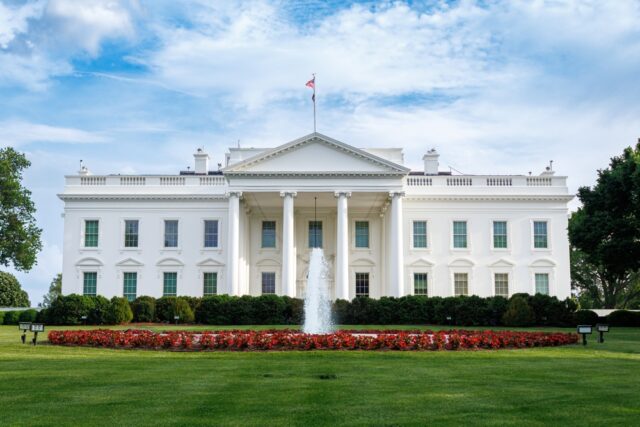
The year’s political chaos reached surreal heights when the President allegedly insulted President Zelensky in a moment that ignited global backlash. Soon after, bizarre construction changes to the White House — including aggressive Rose Garden renovations — stirred wild conspiracies about “demolition.” Add RFK Jr.’s bizarre headlines, Trump’s derogatory comments toward women, and Charlie Kirk being labeled a martyr, and you have a national migraine. It was dysfunction layered on dysfunction.
Americans watched their political institutions behave like an unstable group chat nobody could exit. Outrage fatigue became the national default setting. Even usually calm commentators struggled to maintain composure. In 2025, politics wasn’t leadership — it was performance art in a burning theater.
16. Nicole Kidman and Keith Urban’s Split Shattered Our Last Remaining Faith in Love

News of Nicole Kidman and Keith Urban’s alleged split struck the public like a lightning bolt. The couple symbolized stability, longevity, and Hollywood love that actually seemed to function. When rumors swirled that they were done, the internet spiraled into horoscope readings, compatibility debates, and emotional obituaries. People could not fathom losing one more comforting illusion.
The breakup broke something deeper than celebrity culture. It pierced the collective belief that long-term love could survive the chaos of modern living. Fans held vigil-like comment threads, posting nostalgic photos from red carpets past. In a year of unrelenting chaos, this heartbreak felt strangely personal.
17. Coldplay’s JumboTron Scandal: The Affair That Broke the Internet

A Coldplay concert—a global event normally associated with wholesome, communal vibes and syncing LED wristbands—devolved into the most dramatic infidelity scandal of the year after a couple was caught in a moment of undeniable passion on the massive jumbo screen. The screen, which momentarily cut away from Chris Martin to show the crowd, broadcast an intense, unmistakable exchange between a man and a woman who were clearly not each other’s partners. Within minutes, grainy phone footage of the screen was uploaded, and the hashtag #ColdplayCheaters was trending worldwide.
The ensuing digital chaos was unprecedented, transforming the concert from a musical event into an impromptu courtroom as internet sleuths instantly identified the alleged partners and their spouses. The intensity of the public spectacle turned personal tragedy into viral entertainment, raising thorny questions about digital voyeurism and the loss of privacy in public spaces. The incident confirmed a collective fear: in a world wired to record everything, even a fleeting, emotional mistake at a stadium concert could instantly become a permanent, global plot twist that ruins lives.
18. The Epstein Files ‘Cover-Up’ and Maxwell’s Alleged Special Treatment

2025 saw another explosion of leaks, redactions, and conspiracy theories surrounding the Epstein case. Whispers circulated online about Ghislaine Maxwell receiving “special privileges” behind bars, igniting furious debate. True-crime bloggers fanned the flames with theories that ranged from plausible to entirely unhinged. The national anxiety intensified with every new alleged revelation.
But the psychological toll came from the sense of déjà vu. People were exhausted by a story with endless smoke but no clear fire. Confusion blended with outrage to create a fog of emotional instability. In 2025, the truth didn’t feel hidden — it felt intentionally scrambled.
19. The Luigi Mangione Scandal: The Darkest Meme Meets Corporate Malice

In the most bizarre, tragic, and meme-worthy crime headline of 2025, a man identified as Luigi Mangione was arrested in connection with the fatal shooting of a major United Healthcare CEO. The absurdity was impossible to process: the suspect was allegedly seen wearing an outfit strikingly similar to Luigi from the Mario Kart franchise. This detail immediately made the event viral but divorced from its severe tragedy. Images of the suspect, often juxtaposed with the cartoon character, floated around social media faster than context could keep up.
This surreal crime triggered a complex cultural reaction: the nation laughed nervously, gasped in horror, and doom-scrolled in equal measure. While the violence was real, the internet’s obsession with the “Luigi” detail highlighted a public deeply frustrated with the healthcare industry—a reflection of deep-seated corporate malice and profit-over-people narratives that had dominated headlines all year. The incident forced an uncomfortable realization: society had become so emotionally fried and distrustful of authority that its default response to a tragedy involving a corporate titan was a dark, nervous meme.
20. Trump’s Derogatory Insults Toward Female Journalists Reached New Lows

Donald Trump’s commentary toward female reporters in 2025 descended into surreal territory, making his previous insults look restrained and setting a new low bar for public discourse. His aggression and use of highly personal, gendered attacks against journalists who asked challenging questions became a routine feature of his interactions with the press, attracting widespread condemnation. For instance, while aboard Air Force One, he snapped at Bloomberg White House correspondent Catherine Lucey, telling her, “Quiet. Quiet, piggy,” after she asked about politically sensitive information. He later told CBS News reporter Nancy Cordes, “Are you stupid? Are you a stupid person?” when she pressed him on a contentious issue.
After The New York Times correspondent Katie Rogers co-authored an article examining his age and physical stamina, Trump assailed her on social media, calling her a “third-rate reporter” who is “ugly, both inside and out.” He also berated ABC News’s Rachel Scott, calling her “the most obnoxious reporter in the whole place” and “a terrible reporter.” This persistent pattern of attacks against women in the press, which the Society of Professional Journalists noted was an “unmistakable pattern of hostility,” went beyond typical political disagreement and became a cultural flashpoint, forcing a national debate on whether public discourse could ever bounce back from being dragged through such cartoonish and personal cruelty.
21. People Started Calling Charlie Kirk a Martyr, and It Became a Whole Cultural Meltdown

Somehow, Charlie Kirk went from conservative firebrand to “martyr” in certain online circles without any clear triggering event. Followers framed him as a persecuted hero in increasingly dramatic rhetoric. TikTok trends emerged comparing him to historical figures with zero irony. It was a meme turned ideology.
The cultural reaction was swift and bewildered. People debated whether this shift reflected polarization, delusion, or algorithm-driven groupthink. The word “martyr” lost all meaning under the weight of satire. In 2025, even vocabulary experienced identity crises.
22. The Nation Had to Deal With Erika Kirk’s Constant Viral Outbursts

Erika Kirk spent 2025 in a never-ending cycle of viral moments, emotional monologues, and performative meltdowns. Her feed became a chaotic reality show that nobody subscribed to but everyone kept seeing anyway. Clips circulated every week, each more dramatic than the last. People grew emotionally fatigued by simply witnessing it.
Her presence symbolized the era of influencer overload. Too many opinions, too much noise, and not enough substance defined her brand of chaos. Viewers didn’t dislike her — they were simply overwhelmed by her. She became the poster child for content fatigue.
23. RFK Jr. Could Not Stop Saying Things That Made Everyone Clench Their Souls

Every time RFK Jr. spoke in 2025, the collective national reaction was a full-body cringe. His comments on vaccines, conspiracies, and fringe science dominated headlines and destabilized conversations. Interviews went viral for all the wrong reasons. It felt like watching a train derail in slow motion.
Even supporters struggled to defend his more unhinged statements. Journalists braced themselves before transcribing interviews. Fact-checkers worked overtime correcting claims that seemed deliberately chaotic. RFK Jr. didn’t just stir controversy — he exhausted the nation.
24. A Baby Dying From Measles Became the Devastating Symbol of 2025’s Anti-Science Spiral

One of the most heartbreaking events of the year involved a baby dying from measles — a disease that modern vaccines have made almost entirely preventable. The tragedy reignited debates about misinformation and the consequences of rejecting science. Communities grieved not only for the child but for the erosion of public trust. It was a haunting symbol of what happens when ideology trumps evidence.
The event marked a tipping point in national discourse. People demanded accountability from anti-vax influencers and negligent policymakers. The emotional weight forced many to reconsider long-held beliefs. In 2025, consequences were no longer hypothetical — they were heartbreakingly real.
25. Americans Realized They’d Been Traumatized for 12 Straight Months Without a Break

The final trauma of 2025 wasn’t one single event but the realization that every week delivered a fresh catastrophe. People joked about “weekly main characters,” “new villains,” and “boss battles,” but humor couldn’t hide the truth. Burnout became the default national setting. Even therapists admitted they’d never seen anything like the emotional load of this year.
By December, Americans weren’t summarizing the year — they were trying to survive the memory of it. Every headline felt heavier in retrospect, like emotional sediment that refused to settle. Historians will one day struggle to capture the sheer absurdity and heartbreak of this era. In the end, 2025 didn’t just traumatize us — it rewired us.


