

Resetting your body is not about fad diets or trendy detoxes; it’s about making smart food choices that support your overall well-being. By incorporating these 15 foods into your diet, you can rejuvenate and restore your system in just two weeks. Each of these foods offers a wealth of nutrients that work together to enhance your physical health and mental clarity. Think of it as a gentle nudge towards a healthier, more vibrant you.
1. Leafy Greens
Leafy greens like spinach, kale, and Swiss chard should be staples in your diet if they aren’t already. Rich in essential vitamins and minerals, they offer a wealth of benefits, including better digestion and improved heart health. Their high fiber content helps cleanse your digestive tract, aiding in the body’s natural detoxification processes. According to a study published in the Journal of the Academy of Nutrition and Dietetics, consuming leafy greens regularly can significantly lower your risk of developing chronic diseases.
Integrating leafy greens into your meals is easier than you might think. Toss a handful into your morning smoothie, or use them as a base for salads and side dishes. Try sautéing them with garlic for a simple, delicious dish that pairs well with almost any meal. You’ll find that their versatility and nutritional profile make them an easy addition to your weekly menu.
2. Berries

Berries, whether they are blueberries, strawberries, or raspberries, pack a powerful punch of antioxidants. These antioxidants help your body fight off free radicals, which can cause cellular damage and accelerate aging. Berries also contain high levels of fiber, which promotes gut health and can aid in weight management. Not to mention, they are a naturally sweet treat that can curb sugar cravings without derailing your diet.
One of the great things about berries is their adaptability in recipes. You can add them to your morning yogurt or oatmeal for a nutritious start to your day. Blend them into smoothies or bake them into muffins if you’re feeling creative. Their burst of flavor and color enhances any dish, making healthy eating a delightful experience.
3. Salmon

Salmon is a fantastic source of omega-3 fatty acids, which are crucial for reducing inflammation in the body. These healthy fats are also known to support brain health, enhancing cognitive function and mood. A study by the American Heart Association found that eating fish rich in omega-3s at least twice a week can significantly reduce the risk of heart disease. With its rich, buttery flavor, salmon is both a nutritious and delicious choice for your meals.
Incorporating salmon into your diet is simple and satisfying. Grill it with a squeeze of lemon for a quick dinner, or try it smoked with whole-grain bread for a savory breakfast. Pair it with a side of roasted vegetables or a fresh salad to complete your meal. Its versatility and health benefits make salmon a key player in resetting your body’s systems.
4. Nuts and Seeds

Nuts and seeds, such as almonds, walnuts, chia seeds, and flaxseeds, are nutritional powerhouses. They are packed with healthy fats, protein, and fiber, all of which help keep you full and satisfied throughout the day. These tiny treats are also rich in antioxidants and anti-inflammatory compounds, which can improve heart health and support brain function. Plus, they add a satisfying crunch to dishes or make an excellent snack on their own.
You can easily add nuts and seeds to your daily diet in creative ways. Sprinkle them on top of salads or yogurt for an added layer of texture and flavor. Blend them into smoothies or use them as a base for energy bars. Their convenience and versatility make them an invaluable addition to a health-conscious lifestyle.
5. Avocado

Avocado is not only delicious but also incredibly nutritious, offering a wealth of healthy monounsaturated fats. These fats help lower bad cholesterol levels and are beneficial for heart health. A study published in the Journal of the American Heart Association found that consuming an avocado daily can improve LDL cholesterol levels, further supporting cardiovascular health. Its creamy texture and mild flavor make it a versatile ingredient in a variety of dishes.
Adding avocado to your meals can be both fun and flavorful. Spread it on toast for a trendy breakfast option or mix it into salads for a creamy texture. Use it as a base for a healthy, homemade guacamole, or blend it into smoothies for added creaminess. The possibilities are endless, and your heart will thank you for it.
6. Sweet Potatoes

Sweet potatoes are a nutrient-dense carbohydrate choice that brings a natural sweetness to your meals. They are rich in vitamins A and C, which are essential for maintaining healthy skin and immune function. Their high fiber content aids in digestion, making them a great addition to any diet focused on resetting your body. Moreover, they have a low glycemic index, which means they provide a steady release of energy without causing blood sugar spikes.
Including sweet potatoes in your diet can be as easy as baking or roasting them for a simple side dish. Mash them with a bit of cinnamon for a comforting alternative to traditional mashed potatoes. You can even slice them into wedges and air-fry them for a healthier take on fries. Their sweet, earthy flavor pairs well with a variety of spices and herbs, making them a versatile and satisfying food choice.
7. Greek Yogurt

Greek yogurt is an excellent source of probiotics, the beneficial bacteria that help maintain gut health. Its high protein content also makes it a satisfying snack that can keep hunger at bay between meals. According to research published in the Nutrition Reviews journal, consuming probiotics regularly can improve digestion and boost the immune system. Choose a plain, unsweetened version to maximize health benefits and avoid added sugars.
Incorporating Greek yogurt into your diet is a breeze due to its versatility. Enjoy it on its own, or mix it with fresh fruit and a drizzle of honey for a naturally sweet treat. Use it as a base for smoothies or as a substitution for sour cream in recipes. Its creamy texture and tangy flavor enhance both savory and sweet dishes, making it a staple in any health-focused kitchen.
8. Quinoa

Quinoa is a complete protein, meaning it contains all nine essential amino acids your body needs. This makes it an excellent option for those looking to increase their protein intake without relying on animal sources. Quinoa is also rich in fiber, which supports digestion and helps maintain steady blood sugar levels. Its subtle, nutty flavor makes it a versatile grain that pairs well with a variety of ingredients.
Cooking with quinoa is straightforward and rewarding. Use it as a base for salads, or serve it as a side dish with your favorite protein. You can even prepare it as a breakfast porridge, similar to oatmeal, for a hearty start to your day. Quinoa’s adaptability and nutritional profile make it a must-try for anyone interested in clean eating.
9. Green Tea

Green tea is renowned for its antioxidant properties, which can help protect your body from oxidative stress. The catechins found in green tea are particularly effective in boosting metabolism and enhancing fat oxidation. Sipping on this soothing beverage can also promote mental clarity and reduce stress levels. It’s a simple yet powerful addition to any health-focused regimen.
Incorporating green tea into your daily routine is straightforward and enjoyable. Start your morning with a warm cup, or opt for iced green tea as a refreshing afternoon pick-me-up. You can even use brewed green tea as a liquid base for smoothies or soups. Its mild, earthy flavor pairs well with citrus and ginger, offering endless possibilities for flavor exploration.
10. Whole Grains

Whole grains like oats, brown rice, and barley are rich in essential nutrients and fiber, supporting digestion and heart health. Unlike refined grains, they contain the entire grain kernel, providing more vitamins, minerals, and antioxidants. Regular consumption of whole grains has been linked to a reduced risk of chronic diseases, such as diabetes and heart disease. They are a satisfying and nourishing addition to any meal.
Incorporating whole grains requires minimal effort and offers maximum rewards. Use them as a base for grain bowls or pilafs, or enjoy a warm bowl of oatmeal for breakfast. Try experimenting with different types of whole grains to discover new flavors and textures. Their wholesome goodness will keep you energized throughout the day.
11. Citrus Fruits

Citrus fruits, such as oranges, lemons, and grapefruits, are bursting with vitamin C, an essential nutrient for immune health. They also contain flavonoids, which have been shown to possess anti-inflammatory and antioxidant properties. Adding citrus to your diet can help brighten your skin, boost your mood, and support overall well-being. Their tart, juicy flavors make them a refreshing addition to any meal.
There are countless ways to add citrus fruits to your diet. Enjoy them on their own as a snack, or squeeze fresh juice into your water for a zesty twist. Use their zest to add a burst of flavor to baked goods, or incorporate them into savory dishes for a hint of acidity. Citrus fruits’ versatility and health benefits make them a delightful choice for resetting your body.
12. Beans and Legumes

Beans and legumes, such as lentils, chickpeas, and black beans, are a fantastic source of plant-based protein and fiber. They are known to promote digestive health and provide long-lasting energy due to their slow-digesting carbohydrates. Rich in vitamins and minerals, they can help support heart health and reduce the risk of certain chronic diseases. Plus, they are incredibly cost-effective and versatile.
Incorporating beans and legumes into your meals is both practical and satisfying. Use them as a base for soups, stews, and salads, or try them as a filling for wraps and tacos. You can even blend them into dips or spreads for a nutritious snack. Their hearty texture and earthy flavor make them a staple in any balanced diet.
13. Garlic
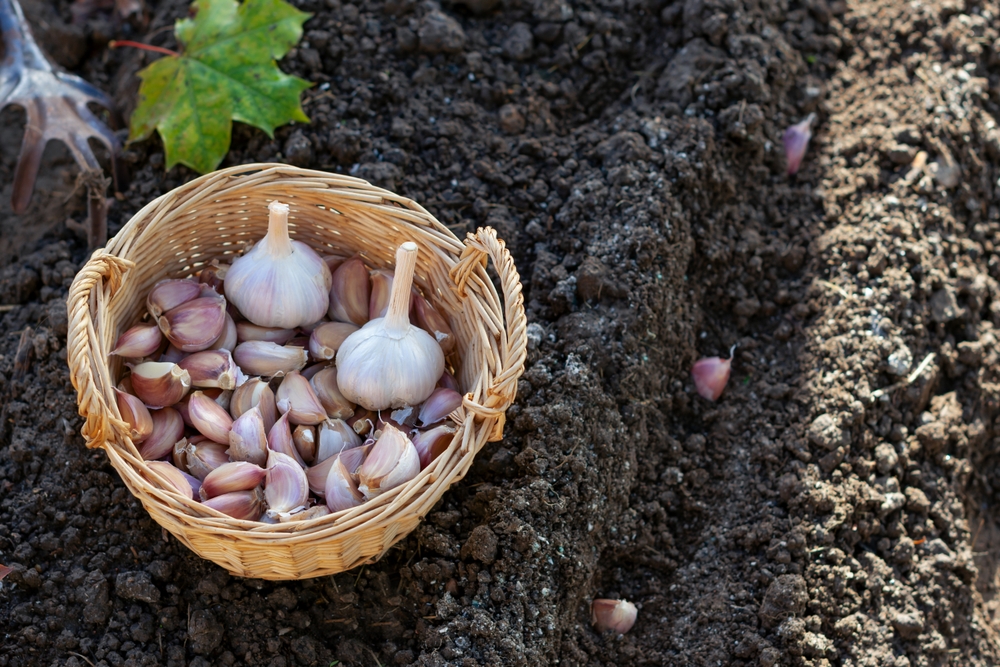
Garlic is a culinary powerhouse with numerous health benefits, including its ability to strengthen the immune system. Rich in compounds like allicin, garlic has been shown to have antibacterial and antiviral properties. Regular consumption can also support heart health by lowering cholesterol levels and improving circulation. Its pungent aroma and bold flavor make it a favorite in kitchens around the world.
Adding garlic to your meals is a straightforward way to enhance both flavor and nutrition. Roast whole cloves for a mellow, sweet addition to dishes, or mince raw garlic for a sharper taste. Use it as a base for sauces, dressings, and marinades, or incorporate it into soups and stews. Garlic’s versatility and health benefits make it a valuable ingredient in your culinary arsenal.
14. Apples

Apples are a convenient and nutritious snack full of fiber, which supports digestive health and keeps you feeling full. They also contain vitamin C and numerous antioxidants that can help mitigate inflammation and reduce the risk of chronic diseases. The saying “an apple a day keeps the doctor away” holds some truth, as regular consumption can contribute to overall health. Their natural sweetness satisfies sugar cravings without the added calories of processed snacks.
There are numerous ways to enjoy apples beyond just eating them raw. Slice them into salads for added crunch, or bake them with cinnamon for a warm, comforting dessert. You can also add them to smoothies or oatmeal for a naturally sweet boost. Apples’ crisp texture and refreshing flavor make them a beloved staple for mindful eaters.
15. Broccoli

Broccoli is a cruciferous vegetable that provides a wealth of nutrients, including vitamins C and K, fiber, and potassium. It’s known for its potential cancer-fighting properties due to compounds like sulforaphane. Including broccoli in your diet can support heart health, improve digestion, and enhance the body’s detoxification processes. Its slightly bitter flavor is balanced by its crisp texture and nutritional benefits.
Cooking with broccoli offers endless possibilities for creativity. Steam it for a simple side dish, or roast it with olive oil and garlic for added depth of flavor. You can also toss it into stir-fries, soups, or pasta dishes for a nutrient boost. Broccoli’s versatility and health benefits make it an excellent choice for anyone looking to reset their body.


