My mom stopped mid-conversation the other day when an old cash register dinged in a TV show. Her whole face changed. “That sound,” she said, and then she was somewhere else—back at the corner store near her childhood house, counting out pennies for candy, the shopkeeper hitting that register key with a satisfying ding. It’s wild how a sound can do that. Not a smell, not a sight—just a noise that pulls you back decades in an instant. For Boomers, certain sounds carry entire worlds. Here are the ones that hit the hardest.
1. The Rotary Phone Dial
The mechanical click-click-click of a rotary phone dialing is instant time travel. Each number had weight—you had to put your finger in the hole, pull it around to the metal stopper, and wait for it to spin back. It took effort. It took time. And if you messed up halfway through a long-distance number, you had to start over. Research on sensory memory and nostalgia shows that sounds associated with physical, repetitive actions—particularly those requiring manual engagement—create stronger autobiographical memories than passive auditory experiences, which explains why tactile sounds like rotary dialing trigger such vivid recall. There was something satisfying about it, though. The rhythm of it. The certainty that you were connecting to someone, that the call was being built one number at a time. Hearing that sound now—in a movie, in a museum—brings back the feeling of calling friends, stretching the cord as far into the hallway as it would go, sitting on the floor with the phone in your lap. A whole communication ritual, gone. But the sound remains.
2. The Screen Door Slamming

That sharp bang, followed by the rattle of the spring, is pure childhood for a lot of Boomers.
Screen doors didn’t close gently. They slammed. Every single time. And parents yelled about it constantly—”Stop slamming that door!”—but it was impossible not to. The spring pulled it shut with force, and that sound became the soundtrack of summer.
In and out, in and out, all day long. The sound meant freedom—being outside, being in motion, being a kid with nowhere to be and nothing to do but play until the streetlights came on. Hearing it now takes them right back to that feeling.
3. The Ice Cream Truck Jingle

The distant, tinny music of an ice cream truck could stop an entire neighborhood of kids in their tracks. They’d hear it blocks away and start running—digging through couch cushions for change, yelling for their parents, sprinting barefoot down the sidewalk to catch it before it turned the corner.
Studies on auditory cues and emotional memory have found that sounds associated with childhood rewards and sensory pleasures—particularly those linked to anticipation and social experiences—remain emotionally potent across the lifespan, with ice cream truck music consistently ranking among the most nostalgia-inducing sounds for people who grew up in suburban and urban areas. The jingle itself—”Pop Goes the Weasel,” “The Entertainer,” “Turkey in the Straw”—was often slightly off-key, tinny, repetitive. But it meant something was about to happen. A Popsicle. A drumstick. Hearing that sound now, even faintly, brings back the scramble and excitement.
4. TV Channels Changing With A Dial
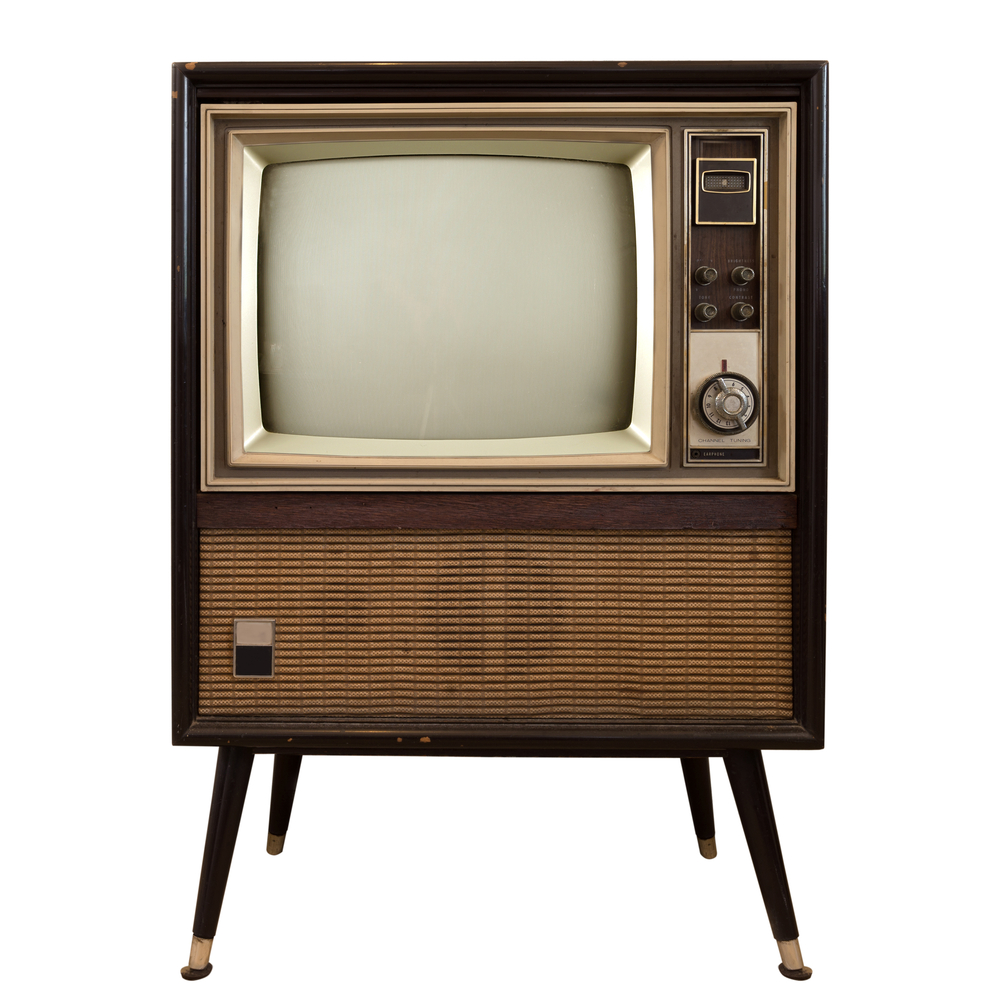
Before remotes, changing the channel meant getting up and turning a physical dial on the TV. And it made a sound as the dial rotated through the channels. There were only a handful of them, so you cycled through fast: 2, 4, 5, 7, 9, 11, 13. If the channel was fuzzy, you adjusted the antenna. If it didn’t come in at all, you moved on. There was no scrolling through hundreds of options. You watched what was on, or you didn’t watch TV. I asked my dad about this once, and he said the sound of that dial clicking takes him right back to Saturday mornings—kneeling in front of the TV in his pajamas, turning the dial to find cartoons, the rest of the house still quiet.
5. The Vinyl Record Crackling Before The Music Starts

The hiss and crackle of a record starting—before the first note even plays—is a sound Boomers know in their bones. You’d drop the needle, and there’d be that moment of static, of anticipation, before the music kicked in.
Research on music and autobiographical memory indicates that the sensory experience of playing vinyl records—the tactile ritual of handling the record, the auditory anticipation of the pre-music crackle—creates layered memory associations that purely digital music consumption cannot replicate, contributing to why vinyl records retain emotional significance beyond their functional obsolescence.
And if the record was worn or scratched, you’d hear pops and skips throughout, but that was just part of it. You didn’t skip songs easily. You listened to whole albums, Side A and then Side B, flipping the record over halfway through. The crackle meant music was coming. It meant someone had chosen this album, put it on deliberately, and was about to fill the room with sound. Hearing that crackle now brings back afternoons spent lying on the floor next to the record player, album covers spread out, listening to the same songs over and over until you knew every word.
6. The Metal Lunchbox Clicking Open
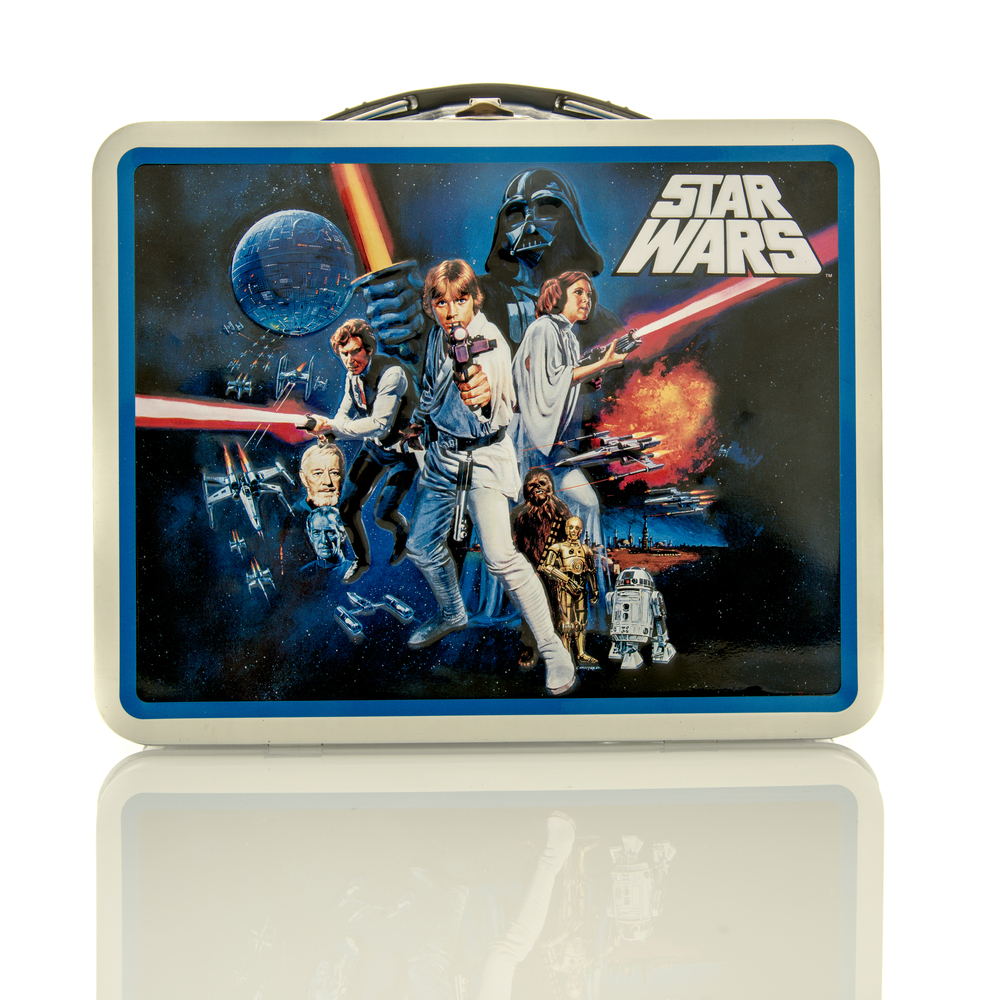
Metal lunchboxes had a specific sound when they opened—a metallic click and creak as the latch released. And every Boomer who carried one to school can still hear it.
The lunchbox itself was part of childhood identity—whatever character or show was on the front, that was yours.
The Jetsons.
Star Trek.
The Beatles.
Bonanza.
Studies on material culture and childhood memory show that objects carrying personal or cultural significance—particularly those used in daily routines like eating lunch—serve as powerful memory anchors, with the multisensory experience of these objects (visual, tactile, auditory) creating robust recall even decades later. Inside was the same thing most days: a sandwich in wax paper, an apple, maybe some chips or cookies, a thermos of milk or juice. But opening that lunchbox at the cafeteria table, hearing that click, sitting with friends—that sound is attached to the whole experience of being a kid at school, navigating friendships, trading snacks, belonging somewhere. It’s a small sound. But it holds a lot.
7. The TV Sign-Off Tone

Before 24-hour television, stations signed off at night. And when they did, there was a sequence: the national anthem, a test pattern, and then a long, sustained tone—eeeeeeeeeee—that meant there was nothing left to watch. If you stayed up too late and heard that sound, you knew you’d missed your window. Everything was over. The tone was loud and final.
But it also meant freedom in a weird way. The TV wasn’t an option anymore, so you had to do something else. Read, sleep, think. It created a boundary that doesn’t exist now, when content never stops. Hearing that tone—or even thinking about it—takes Boomers back to late nights as kids, the house quiet, the TV glowing with that test pattern, knowing it was time to give up and go to bed.
8. The Typewriter Keys Clacking

The clack-clack-clack-ding of a typewriter is muscle memory made audible. You’d hit the keys, and each one struck the paper with force. When you reached the end of a line, the carriage return bell would ding, and you’d push the lever to start a new line. The sound was constant in offices, in homes, anywhere someone was writing. It meant work was being done. It meant something was being created, one letter at a time, with no undo button, no backspace—just Wite-Out and starting over if you messed up. For Boomers who learned to type on those machines, the sound brings back the feel of the keys under their fingers, the focus it required, the permanence of every keystroke. It’s a sound that’s been replaced by the soft tapping of keyboards. But it’s not the same. The weight, the noise, the physicality—that’s gone. And hearing it now is like hearing a language that used to be everywhere and is now almost extinct.