

I was scrolling through Instagram at 10 PM on a Tuesday when I saw it—another story from someone I vaguely knew from an old job, now 24 and apparently living their best life at some rooftop party in Brooklyn. Everyone looked gorgeous, carefree, like they were starring in their own music video. And I felt it. That familiar pang of missing out, of being left behind, of wondering if my quiet night at home meant I was boring now. I have a mortgage. I go to bed at 10:30 most nights because I have to be up early. But watching these 24-year-olds live it up made me feel like I was somehow failing at life. So I made a decision: I was overhauling my social media. That meant unfollowing, muting, and curating my feed to exclude some people whose lifestyles no longer aligned with mine. And honestly? It’s been one of the best things I’ve ever done for my mental health. Here’s why.
1. I Quit Comparing My Real Life To Someone Else’s Party Phase
When you’re following a ton of people who are ten years younger than you, you’re watching them live a completely different life stage. They’re out every weekend. They’re traveling on a whim. They’re staying out until 3 AM and sleeping until noon. And if you’re not careful, you start comparing their lifestyle to yours and feeling like you’re missing something.
But you’re not missing something. You’re just in a different phase. And comparing your Tuesday night at home to a 24-year-old’s Saturday night out is like comparing apples to…I don’t know, tequila shots. They’re not the same thing. Studies on social comparison have found that viewing content from people in different life stages—particularly younger individuals engaged in high-energy social activities—can significantly increase feelings of inadequacy and regret in older viewers, even when those viewers report high satisfaction with their own lifestyle choices. Once I stopped seeing that content constantly, I stopped feeling like I was somehow doing life wrong just because I wasn’t doing it like they were.
2. I No Longer Felt Guilty About My Choices

I used to see someone’s party photos and feel this weird guilt.
Like I should be doing more.
Going out more.
Being more social.
Living a bigger, louder, more exciting life.
Revamping my social media feed helped remove that guilt. I wasn’t seeing content that made me question my choices anymore. I was just living them, confidently, without the constant whisper that I should be doing something else.
3. I Stopped Following Celebrities And Influencers Who Made Me Feel Old

I used to follow a bunch of Gen Z influencers and young celebrities because, I don’t know, I thought it kept me cool? Relevant? In touch with what was happening?
But all it did was make me feel ancient. They’d reference things I didn’t understand. Use slang I had to Google. Talk about cultural moments I’d completely missed. And I’d sit there feeling like I was aging out of relevance, like I was becoming the out-of-touch one who just didn’t get it anymore.
So I unfollowed some of them, and started following more celebrities and influencers my own age. And suddenly, I felt this sense of camaraderie. We got the same references. We remembered the same cultural moments. We were living through the same life stage together. Research shows that sticking to your own age group on social media actually makes you feel better—those shared cultural moments and life stages make you feel understood instead of left behind.
I’m more Forever 31 than Forever 21 now, and that’s okay. Actually, it’s better than okay. Because following people my own age made me realize that my generation is pretty cool, too.
4. My Feed Started Reflecting My Actual Life
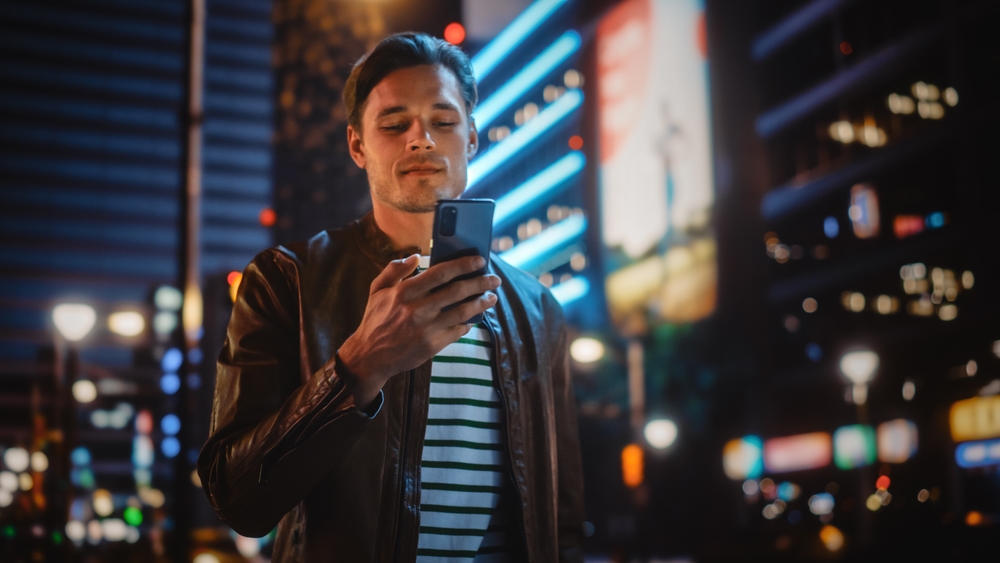
When I overhauled my social media, I started following people who were actually in my life stage. People with mortgages and careers and grocery shopping routines. People who got excited about a new kitchen appliance or a quiet weekend at home. People whose idea of a wild Friday night was trying a new recipe and watching a movie.
And suddenly, my feed felt normal and relatable, like I wasn’t the only one living this way. Studies have found that when you follow people living similar lives to yours, you feel better overall and less isolated—it’s validation instead of comparison.
Now I wasn’t constantly bombarded with a lifestyle that made mine look boring by comparison. I was seeing people live lives similar to mine, and that made me feel like I was exactly where I was supposed to be.
5. I Had More Mental Energy For What Actually Matters

FOMO is exhausting. It’s this low-level anxiety that sits in the background, making you feel like you’re always missing something better, and always on the outside of some more exciting version of life. Honestly, it drains you. Not in an obvious way, but in a cumulative, background-noise kind of way that leaves you feeling vaguely dissatisfied with everything. Studies show that frequent exposure to aspirational content—particularly content depicting lifestyles mismatched to viewers’ current life stages—creates persistent low-grade stress that depletes mental resources and reduces overall life satisfaction.
When I stopped following people whose lives triggered my FOMO, that background anxiety pretty much disappeared. I had more mental space for my actual life, my actual relationships, and my actual goals. I wasn’t wasting energy wishing I was somewhere else or being someone else for a change.
6. I Realized I Don’t Actually Want That Life Anymore

Here’s the thing that took me way too long to figure out: I was feeling FOMO about a lifestyle I don’t even want.
I don’t want to go to clubs every weekend, stay out until 2 AM, or spend my Sundays hungover. I’ve aged out of that phase, and I’m genuinely happy about it. But seeing other people do it made me question whether I should still want it and if opting out meant I was getting old and boring.
Curating my feeds differently helped me realize that just because something looks fun on someone else doesn’t mean I actually want it for myself. I was experiencing FOMO for a life I’d already lived and consciously moved on from. And once I stopped watching so many people live that life, the FOMO disappeared. I wasn’t missing out. I was just on a different path.
7. My Friendships Became More Intentional

When you’re following hundreds of people whose lives you’re not actually part of, you’re maintaining this weird parasocial relationship with acquaintances who really don’t matter to you. You’re watching their lives, feeling FOMO about their activities, but you’re not actually connected to them in any meaningful way.
Cleaning up my social media forced me to be intentional about who I followed and why. I muted accounts that made me feel bad. I started focusing on the people who were actually in my life, the friendships that mattered, and the relationships I was actively investing in. And those friendships got way deeper as a result.
8. I Stopped Romanticizing Life Stages I’ve Outgrown

There’s something about seeing younger people party that makes you nostalgic for your twenties. Even if your twenties were messy and stressful and kind of a disaster, social media makes them look like this magical time of freedom and possibility that you’ve somehow lost. My social media overhaul stopped me from romanticizing a past that wasn’t actually as good as Instagram made it look in hindsight. I started appreciating where I am now—more stable, more secure, more myself—instead of wishing I could go back to being 24 and drunk at a warehouse party in Bushwick.
9. I Accepted That Different Doesn’t Mean Wrong
Here’s what spring-cleaning my social media really taught me: living differently than other people doesn’t mean I’m doing it wrong.
I’m not traveling constantly. I’m not at every party, every concert, or every event. And for a long time, seeing other people do those things made me feel like I was somehow failing and should be doing more.
But I’m not failing. I’m just living a life that makes me happy, even if it doesn’t always look exciting on Instagram. Sure, it’s quiet and stable and maybe even a little boring by some people’s standards, but I’m finally 100% OK with that. My FOMO has turned into JOMO—the joy of missing out—and that’s fine by me.


