

We’ve all been there: you open the fridge, and it feels like a chaotic jungle of mismatched containers, wilting produce, and an unidentifiable odor lurking in the background. Organizing your fridge might not be the most exciting task, but doing it right can streamline meal prep, reduce waste, and make you the envy of anyone who dares to peek inside. Plus, a well-organized fridge can even help you save money by preventing spoiled food. Ready to take on the challenge? Here are 13 ways to transform your fridge into a model of order and efficiency.
1. Start With A Clean Slate
Before you can organize anything, you’ve got to clear out the chaos. Begin by emptying your fridge completely, placing everything on a counter or table. This allows you to see exactly what you have and what needs to go. Dr. Lisa Young, a nutritionist and author of “Finally Full, Finally Slim,” suggests cleaning shelves and drawers with a mixture of water and vinegar to eliminate bacteria and lingering odors. Toss out expired items and anything you can’t remember buying, creating space for a fresh start.
Once the fridge is empty and clean, take a moment to adjust your shelves if possible. Many fridges have adjustable shelving, allowing you to accommodate taller items or create specific zones. Think about how you typically use your fridge and arrange it to suit your needs. This might mean raising a shelf for taller bottles or lowering another to make room for a dedicated snack zone. By planning ahead, you’ll make it easier to keep things organized in the long run.
2. Group Similar Items Together

Just like in a well-organized pantry, grouping similar items is key to maintaining order in your fridge. Place all your dairy items like milk, cheese, and yogurt in one section. Keep condiments together, preferably on the door where they’re easily accessible. When you categorize items this way, it’s easier to find what you need quickly, and you’ll become more aware of what you’re running low on. This approach not only speeds up meal prep but also helps prevent overbuying staples you already have.
Grouping similar items also helps family members or roommates know where to find things, reducing the usual fridge chaos. If everyone knows that leftovers are always on the middle shelf, you won’t have to play fridge detective every time you want a snack. Consider using bins or baskets to further corral items like snacks or sandwich fixings. This way, when you’re in a rush, you can easily grab an entire bin and take it to your prep area. Grouping items simplifies cooking and makes clean-up a breeze.
3. Use Clear Containers

Opting for clear containers can be a game-changer in fridge organization. When you use transparent storage, you can see what’s inside without having to open each container, making it easy to identify what you have at a glance. A study published in the Journal of Food Research found that people who used see-through containers were more likely to use their leftovers, reducing food waste significantly. This means you’re more likely to eat what you have before it goes bad, saving you money in the long run.
Clear containers also help in maintaining a uniform look, which can make your fridge feel less cluttered. Choose stackable designs to maximize space and ensure lids are interchangeable to make storage stress-free. While containers can be an initial investment, the long-term benefits of reduced food waste and a streamlined fridge make it worthwhile. Plus, you’ll love the satisfaction of opening your fridge to a perfectly organized sight every time.
4. Keep Fruits And Vegetables Separate

Fruits and vegetables may both be healthy, but they don’t always play well together in the fridge. Many fruits emit ethylene gas, which can accelerate the ripening (and eventual spoiling) of vegetables. To extend the life of your produce, store fruits and vegetables in separate drawers or containers. This simple act helps preserve freshness and reduces waste, ensuring you enjoy your produce at its peak. You’ll notice a difference in the taste and longevity of your greens and berries.
Beyond separation, consider using the crisper drawers for their intended purposes. Most fridges come with a high and low humidity drawer; use the high humidity setting for vegetables and the low humidity setting for fruits. By doing so, you create the optimal environment for each, keeping them fresher for longer. Remember to wash and dry produce thoroughly before storing to prevent mold and bacteria growth. With a little attention, your fresh produce will stay crisp and delicious until you’re ready to enjoy it.
5. Label Everything

Labels might seem like an unnecessary step, but they can be invaluable in keeping your fridge organized. When everything has a clearly marked place, it’s easier for everyone in the household to put things back where they belong. According to organizing expert Marie Kondo, labeling can also help you become more conscious of what you have and need, reducing unnecessary purchases. Consider using waterproof labels or a dry-erase marker on containers to note contents and dates.
Labeling doesn’t have to be a chore. Make it part of your fridge routine by labeling leftovers with the date they were made and any reheating instructions. This way, you’ll always know what’s still safe to eat. Use labels on bins or shelves to designate specific zones, like “Lunch Box Items” or “Breakfast Essentials.” Clear labeling minimizes confusion and ensures everyone in the household knows the system, contributing to a consistently organized fridge.
6. Store Meat On The Bottom Shelf
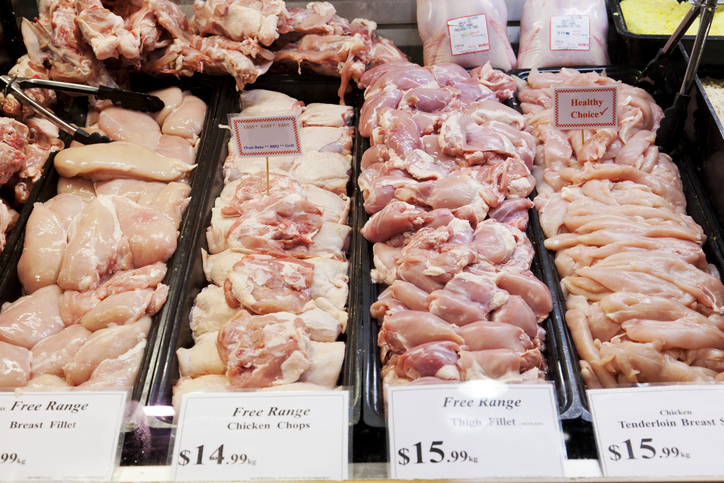
Proper meat storage is critical to maintaining food safety and preventing cross-contamination. Always store raw and thawed meat on the bottom shelf of your fridge. This prevents any juices from dripping onto other foods, which could lead to contamination and foodborne illnesses. If possible, place meat on a tray or in a bin to contain potential leaks. By taking this precaution, you protect the other contents of your fridge and keep them safe for consumption.
Beyond placement, it’s important to keep meat well-wrapped. Use airtight packaging to prevent exposure to air, which can cause spoilage. If you buy meat in bulk, consider dividing it into meal-sized portions before freezing or refrigerating. This way, you reduce the need to thaw and refreeze, which can degrade quality. Keeping meat properly stored ensures it remains fresh until you’re ready to cook.
7. Embrace The “First In, First Out” Rule

Rotating your food is a simple yet effective way to reduce waste. The “First In, First Out” rule, often used in the restaurant industry, is about using older items before newer ones. This system encourages you to place new groceries behind older stock, ensuring you use up items with the earliest expiration dates first. Chef Gordon Ramsay recommends regularly checking expiration dates and moving older products to the front to keep everything fresh and safe for your family.
Implementing this rule doesn’t require much effort once it’s a habit. Start by dedicating a few minutes each week to assess what needs to be used up soon. This not only helps with meal planning but also reduces the likelihood of discovering forgotten, expired items. By staying consistent with this practice, you maintain a fridge that’s always stocked with fresh, consumable goods. Plus, you’ll feel good knowing you’re minimizing food waste and making the most of every grocery trip.
8. Avoid Overpacking

A packed fridge might seem like a sign of abundance, but it can actually lead to inefficiencies. When your fridge is overstuffed, air circulation is restricted, leading to uneven cooling and potentially spoiling food faster. Leave enough space between items to allow cold air to circulate effectively. Think about it like a traffic jam; if everything’s too close, nothing moves efficiently. Keeping your fridge around two-thirds full is the sweet spot for energy efficiency and accessibility.
Avoiding overpacking also makes it easier to see and access what you have. When everything isn’t crammed together, you don’t have to dig through piles to find one small item. This is especially helpful when you’re in a hurry or have others in the household who struggle to keep the system tidy. Consider purchasing smaller or more frequent grocery hauls if space is an issue. By focusing on what you need, rather than stocking up unnecessarily, you keep your fridge efficient and organized.
9. Use A Lazy Susan Or Turntable

Maximize corner space and improve accessibility by using a lazy Susan or turntable in your fridge. This simple addition allows you to spin and easily reach items in the back without having to remove everything in front. It’s perfect for jars and bottles that tend to get lost in the shuffle. A lazy Susan ensures that all items are visible and accessible, reducing the chance of forgotten, wasted food. Best of all, it’s a low-cost solution that can make a significant difference in your fridge’s organization.
Consider using a turntable in other areas as well, like the condiments section or for frequently used items like dairy. Having things in easy reach encourages everyone to put items back where they belong. Choose a style with non-slip surfaces to prevent items from sliding off when you spin it. This little tool makes it easy to keep track of everything and ensures nothing gets overlooked. With a lazy Susan, your fridge becomes a more user-friendly space for everyone in the household.
10. Designate A Snack Zone

Creating a dedicated snack zone can make your fridge more efficient and family-friendly. Set aside a specific area or shelf for quick, grab-and-go snacks that everyone in the household loves. This could be a drawer or a bin filled with pre-portioned items like cheese sticks, fruit cups, or yogurt. By keeping these items together, you make it easy for family members to find what they want without rummaging through the entire fridge. This approach also encourages healthier snacking choices.
A snack zone is particularly helpful for kids who are old enough to get their own snacks. When they know exactly where to look, they’re less likely to interrupt you searching for something to eat. It also provides an opportunity for you to control what’s available for snacking, keeping it nutritious and balanced. Rotate snacks regularly to keep things interesting and ensure items don’t sit for too long. With a designated snack area, you streamline the process of satisfying snack attacks.
11. Make Use Of Fridge Doors Wisely

The doors of your fridge are prime real estate but are often misused. They tend to be warmer than the rest of the fridge, so avoid storing perishable items like milk and eggs there. Instead, designate this space for condiments, juices, and other items that can handle slight temperature fluctuations. Utilize door shelves for smaller items that can easily go unnoticed in other parts of the fridge. By using the door space wisely, you free up more room for perishables on the inside shelves.
To really maximize this space, consider using adjustable bins to keep everything orderly. These bins can hold small bottles and jars, preventing them from tipping over every time you open the fridge. Make it a habit to rotate items in the doors to ensure nothing gets overlooked. If you find yourself with more condiments than will fit comfortably, it might be time to pare down. Using your fridge doors thoughtfully keeps your fridge organized and makes it easier to find what you need.
12. Store Herbs Like Flowers

To extend the life of fresh herbs, treat them like a bouquet of flowers. Trim the ends, place them in a glass of water, and cover loosely with a plastic bag before storing them in the fridge. This method provides the hydration they need to stay fresh longer. Basil is an exception, preferring to be kept at room temperature. By storing herbs this way, you ensure they stay vibrant and flavorful, ready to elevate your dishes.
In addition to prolonging freshness, storing herbs this way makes them more visible and top of mind. You’re more likely to use them if you see them frequently when opening the fridge. Additionally, this method prevents the dreaded slimy herb syndrome, a common issue when they’re left in plastic bags. Maintain the water level and change it every few days to keep them fresh. With a little attention, your herbs will add a fresh touch to your meals.
13. Make Fridge Cleaning A Regular Habit
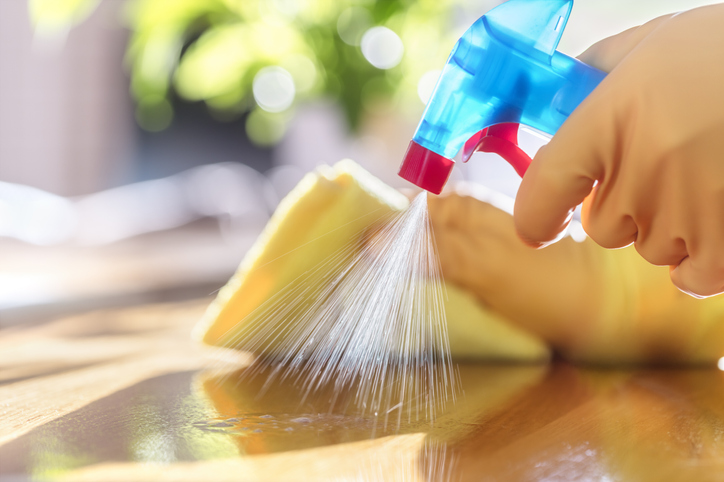
Finally, committing to a regular cleaning schedule prevents buildup and keeps your fridge in top shape. Set aside time once a week or bi-monthly to tidy up, wipe down surfaces, and check expiration dates. This regular maintenance keeps your fridge from becoming overwhelmed and helps you stay on top of what’s inside. A clean fridge is not only more pleasant to use but also more efficient, as you’ll know exactly what you have on hand.
Incorporate this task into your routine, perhaps as part of meal planning or before your regular grocery shopping trip. By keeping things clean and organized, you prevent the buildup of mystery spills or lingering odors. Plus, this habit makes it easier to spot any areas that might need more thorough attention. A clean and orderly fridge ensures your food stays safe and your kitchen runs smoothly. With just a little effort, you maintain a system that benefits the whole household.


