

When it comes to beauty products, you might not always think about what’s inside the bottle. Sure, the packaging looks great on your bathroom shelf, and you can’t get enough of the scent, but the origins of some ingredients might give you pause. You’d be surprised to know just how many everyday cosmetics are made using items you’d never want on your grocery list. Here’s an eye-opening look at 13 beauty products that have some truly unexpected origins. You might rethink your beauty routine by the time you’re done reading.
1. Lipstick
Lipsticks are a staple in many makeup bags, but did you know they often contain crushed beetles? Yes, some lipsticks get their rich red hues from carmine, a dye made from cochineal beetles. These beetles are harvested, dried, and crushed to produce a vibrant red color that’s been used since ancient times. According to Dr. Amy Green from the University of Cosmetics Science, carmine is considered safe and is favored for its intense pigmentation and longevity. However, the idea of bug-based beauty doesn’t sit well with everyone, especially those with vegan leanings.
If you’re checking your lipstick label right now, you’re not alone. Many people have started looking for vegan alternatives, given the rise in demand for cruelty-free products. The good news is that plant-based dyes are gaining popularity, offering a more palatable option for conscious consumers. Brands are increasingly trying to formulate lip products that don’t rely on animal-derived ingredients. So, you can still rock that bold red lip without squirming at the thought of beetles.
2. Perfume

Perfumes might evoke images of floral fields and serene oceans, but some have pretty unexpected origins. Ambergris, a common fixative in high-end perfumes, is essentially whale vomit. Formed in the digestive system of sperm whales, it’s highly prized for its unique scent and ability to enhance other fragrances. This rare substance washes up on beaches and can fetch high prices due to its scarcity and the complexity of its collection. While the use of ambergris is more traditional, many contemporary perfumes now use synthetic alternatives.
For those concerned about animal welfare, the notion of using ambergris can be off-putting. Fortunately, the perfume industry is gradually moving towards sourcing aroma chemicals that replicate its properties without involving marine life. The shift is partly driven by the ethical concerns of consumers as well as the challenges involved in obtaining ambergris. As sustainability becomes more pressing, the use of synthetic alternatives is likely to increase. So next time you spritz on your favorite scent, you might feel a bit better knowing it’s less likely to involve whales.
3. Hair Conditioner

Hair conditioners can leave your locks silky and smooth, but the origins of some ingredients might raise an eyebrow. Lanolin, a common component, is derived from sheep’s wool. This waxy substance helps protect a sheep’s fleece and is excellent for moisturizing and conditioning human hair. It acts as a barrier, locking in moisture and giving hair its sheen. However, some people feel uncomfortable with the idea of using animal by-products in personal care items.
According to Dr. Laura Stevens, a dermatology expert, lanolin is generally safe for most people and is rich in emollients. However, those with sensitive skin may experience irritation, prompting them to seek alternatives. Plant oils, like argan or coconut, offer similar moisturizing properties without the animal connection. As vegan and cruelty-free products gain traction, brands are innovating with plant-based formulas. So, if you’re leaning towards a more plant-friendly routine, there are plenty of choices that won’t compromise on performance.
4. Shaving Cream
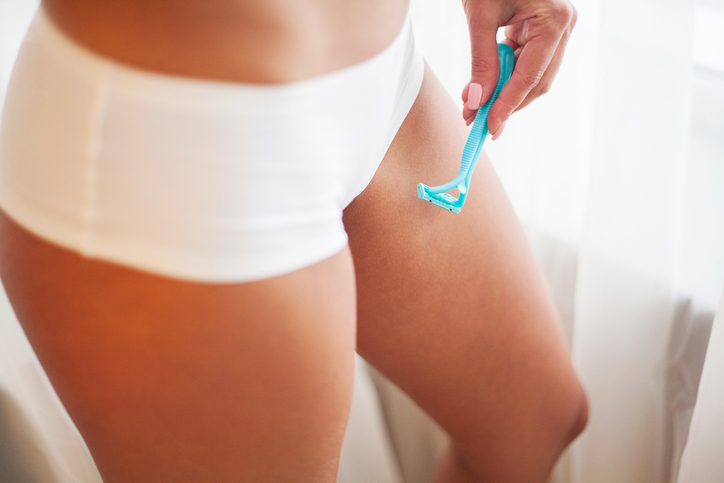
Shaving cream often feels luxurious, but its composition might surprise you. Some formulations include squalene, a compound traditionally sourced from shark liver oil. Squalene provides excellent lubrication, offering a smoother shave and reducing irritation. Its origin, however, raises ethical concerns, particularly for those interested in marine conservation. Many people find the idea of using products derived from sharks unsettling.
Luckily, the beauty industry has been moving towards more sustainable practices. Plant-derived squalane, made from olives or sugarcane, is becoming a popular alternative. This not only eases ethical qualms but also suits vegan lifestyles. Brands are recognizing the shift in consumer preferences and are opting for plant-based versions without compromising on quality. So, your shaving ritual can be both silky smooth and shark-free.
5. Eyeshadow

Eyeshadows come in dazzling palettes, but some get their shimmer from a less-than-glamorous source. Guanine, a crystalline material, is often sourced from fish scales to give eyeshadows their iridescent finish. Extracted primarily from herring, this ingredient creates that shimmering effect you see in many eye makeup products. Dr. Emily Carter, a cosmetic chemist, points out that guanine has been used for decades due to its natural light-reflecting properties. While it’s effective, it may not align with everyone’s ethical views, particularly those avoiding animal-derived ingredients.
With the rise of vegan cosmetics, many brands are exploring synthetic alternatives to traditional guanine. These lab-created compounds provide the same pearlescent quality without involving fish scales. As awareness grows, more consumers are opting for products that align with their values. This shift encourages brands to innovate and offer stunning eye makeup that doesn’t compromise on ethics. So, you can still dazzle with your eye look without catching any fishy vibes.
6. Nail Polish

Nail polish can be a fun way to express yourself, but you might not be aware of all the ingredients involved. Some nail polishes gain their lustrous finish from ingredients sourced from shellac beetles. These insects secrete a resin that’s processed to enhance the glossiness of your polish. Despite its effectiveness, this might be off-putting for those trying to avoid animal-derived components in their beauty regime.
Thankfully, there are plenty of alternatives in the market today. Many brands are shifting towards synthetic and plant-based resins that offer a similar finish. These formulas not only cater to vegan preferences but also tend to have less environmental impact. With a growing number of options, you can keep your manicure vibrant and eco-friendly at the same time. So, no need to sacrifice your style for your conscience.
7. Face Cream

Face creams that promise youthful skin often rely on some surprising ingredients. One such ingredient is snail mucin, which is exactly what it sounds like—snail slime. This might not sound appealing, but snail mucin is lauded for its hydrating and anti-aging properties. Dr. Lisa Wong, a dermatologist, states that the glycolic acid and proteins found in snail mucin can promote skin regeneration and improve elasticity. Despite its benefits, the origin can be a deal-breaker for those looking to maintain an animal-free skincare routine.
For those uncomfortable with the idea, there are plant-based alternatives that also offer skin-rejuvenating properties. Ingredients like hyaluronic acid and aloe vera can deliver similar benefits in terms of hydration and plumping. As the demand for vegan-friendly options grows, brands are innovating and expanding their product lines to meet these needs. So, whether you’re a fan of snail mucin or prefer to go vegan, you can find a face cream that suits your skincare goals. It’s all about finding what works best for you while aligning with your values.
8. Soap

Soap is an everyday essential, but its origins can be surprising. Traditional soaps often use tallow, which is rendered fat from animals like cattle or sheep. Tallow gives soap a creamy texture and helps it create a rich lather. However, for those leaning towards a plant-based lifestyle, the thought of using animal fat in their hygiene routine can be unsettling.
Fortunately, there are numerous vegetable-based soaps available that offer the same cleansing power without animal-derived ingredients. Olive oil, coconut oil, and palm oil are popular alternatives that provide similar benefits in terms of skin nourishment and foaming quality. With the rise of eco-friendly brands, it’s easier than ever to find vegan soap options. Whether you’re concerned about animal welfare or simply prefer plant-based products, you can cleanse with a clear conscience.
9. Mascara

Mascara is a go-to product for many looking to enhance their lashes, but its formulation might surprise you. Some mascaras use fish scales to achieve that desirable shimmer effect. This is thanks to a compound known as guanine, which gives the product its pearlescent shine. For those mindful of animal-derived ingredients, this might not be the most appealing news.
Thankfully, beauty brands are taking note of consumer preferences and are moving towards more ethical alternatives. Synthetic compounds that mimic the effects of guanine are becoming more common in mascara formulations. These not only suit vegan preferences but also avoid the environmental concerns associated with sourcing fish scales. With an increasing array of options, you can enhance your lashes without compromising your ethical stance. It’s all about making informed choices that align with your values.
10. Foundation

Foundation helps create that flawless base, but some of its components might make you think twice. Certain formulas have historically used placenta extract due to its purported skin-rejuvenating properties. Placenta, often derived from sheep, is rich in nutrients and believed to promote cell regeneration. While this might sound enticing, the idea of using animal placenta in cosmetics can be unsettling for many.
The good news is that the beauty industry is innovating with plant-derived alternatives. Ingredients like bamboo extract or plant-based peptides offer similar anti-aging benefits without involving animal by-products. These cruelty-free formulations appeal to consumers looking to avoid animal-derived ingredients while still achieving a smooth complexion. As more people demand transparency in beauty products, the shift towards ethical formulations continues to gain momentum. So, you can perfect your base while sticking to your principles.
11. Blush

Blush adds a healthy glow to your cheeks, but one of its key ingredients has unexpected origins. Carmine, a red pigment, is often derived from cochineal beetles. These insects are harvested and crushed to create a vibrant dye used in many blushes and other cosmetics. While effective, this practice is not compatible with vegan or cruelty-free lifestyles.
Fortunately, plant-based pigments are making significant strides in the beauty industry. Beetroot, for example, provides a natural red color that can be used as an alternative to carmine. With more brands prioritizing ethical ingredients, you can find blushes that deliver a rosy glow without the bug-based backstory. Consumers are increasingly seeking products that align with their values, prompting brands to innovate. So, you can put on that pop of color with peace of mind.
12. Shampoo

Shampoos that promise luscious locks might have some surprising ingredients up their sleeve. Keratin, often featured for its hair-strengthening qualities, is traditionally derived from animal parts like hooves, feathers, and horns. This protein is lauded for fortifying hair and providing that salon-like shine. Despite its benefits, the animal origins of keratin can be a deal-breaker for some.
Thankfully, the beauty industry is innovating with plant-based proteins that offer similar benefits. Hydrolyzed wheat or soy proteins can provide the fortifying effects of keratin without involving any animal parts. These vegan-friendly options cater to a growing audience seeking cruelty-free haircare solutions. As awareness grows, more brands are embracing plant-based alternatives. So, you can keep your hair strong and shiny while staying true to your values.
13. Lip Balm

Lip balm is a must-have, especially during the colder months, but did you know it might contain surprising ingredients? Lanolin, a common component, is a waxy substance derived from sheep’s wool. It’s excellent for providing moisture and forming a protective barrier on the lips. However, if you’re aiming for a vegan lifestyle, lanolin might not be your go-to ingredient.
Fortunately, there are plant-based alternatives that offer similar benefits. Ingredients like shea butter, coconut oil, and carnauba wax are popular in vegan lip balm formulations. These options provide the same nourishing and protective properties without any animal-derived components. With an increasing demand for vegan products, many brands are focusing on ethical and effective solutions. So, you can keep your lips soft and supple without compromising on your ethical beliefs.


