

Technology is a wondrous thing, but navigating it can sometimes feel like a battlefield, especially when you’re trying to help your boomer parents or grandparents get a handle on it. While everyone has their quirks, there are some common habits among boomers that can drive you up the wall. They might not see it, but we certainly do, especially when trying to streamline the simplest online tasks. Here’s a rundown of habits that might sound all too familiar.
1. Forgetting Their Passwords
Passwords are like the keys to the digital world, yet boomers seem to misplace them like car keys. It’s common to hear them utter, “I swear it’s the same one I always use!” only to get locked out repeatedly. The confusion often stems from using simple or reused passwords, which is a habit cybersecurity experts, like Bruce Schneier, warn against. According to Schneier, using strong, unique passwords for each account is crucial to keep online information secure. Despite these recommendations, the idea of remembering one more complex password can feel insurmountable.
For many boomers, the concept of a password manager is akin to learning a new language. Instead of embracing these helpful tools, they often resort to writing passwords on sticky notes or in notebooks. This approach not only undermines security but also poses a risk of losing access entirely if those notes get misplaced. Encouraging boomers to adopt password managers can vastly improve their digital experience, yet resistance often prevails.
2. Ignoring Software Updates

Boomers often see software updates as annoying interruptions rather than necessary improvements. The frequent pop-up reminders are more likely to be dismissed rather than installed, leading to outdated systems. This avoidance stems from a fear that an update might change things too much, making familiar processes harder to navigate. What they might not realize is that updates often patch security vulnerabilities and improve functionality. By skipping them, they potentially leave their devices more susceptible to cyber threats.
The reluctance to update isn’t just about fear of change; it’s also about timing. Updates often seem to rear their heads at the most inconvenient times, like when they’re about to send an urgent email. The perception that updates take forever doesn’t help either. If boomers can be convinced to schedule updates for times when their devices aren’t in use, they might find this less of an intrusion. The key is showing them the tangible benefits of keeping their software current.
3. Printing Out Everything

There’s a certain comfort that boomers find in holding a physical piece of paper, which is why printing everything seems to be their default mode. Whether it’s emails, online articles, or bank statements, if it can be printed, it will be. This habit often perplexes younger generations who are more comfortable with digital formats. According to a study by the Pew Research Center, nearly 60% of boomers still prefer paper over screens for reading. While this might seem quaint, it also results in wasted paper and cluttered spaces.
The reliance on printed documents often stems from the tangibility they offer. For boomers, having a physical copy provides a sense of security that digital files don’t. It’s a mindset that’s hard to shift, even with the convenience of cloud storage and digital backups. Encouraging them to save documents digitally can reduce clutter and make sharing information easier. However, breaking the habit of printing can feel like an uphill battle.
4. Overusing Emojis
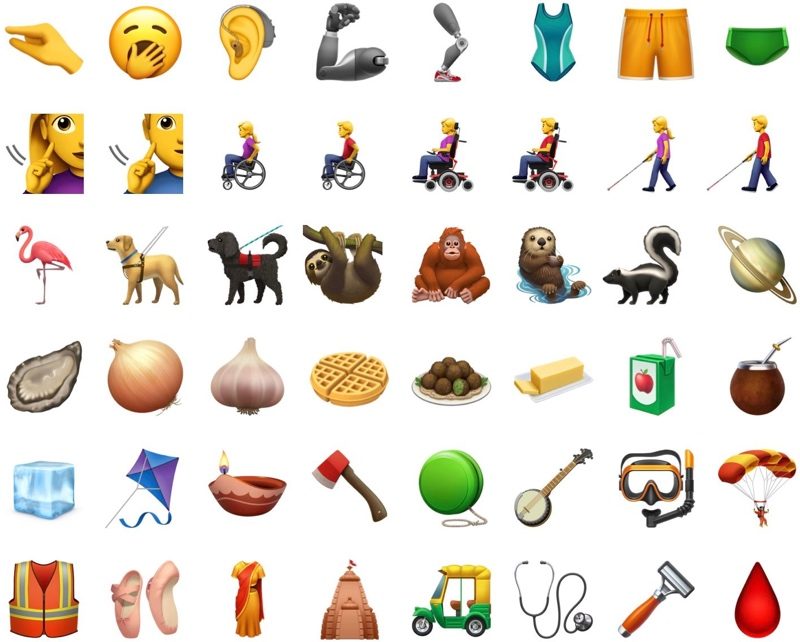
For boomers trying to keep up with digital communication trends, emojis seem like a fun and easy way to express themselves. However, the overuse or incorrect use of emojis can lead to a lot of confusion and misinterpretation. A simple thumbs-up or smiley face might be harmless, but stringing together random emojis without context can be baffling. For younger generations, who usually use emojis to enhance communication, this can lead to eye rolls and awkward laugh-offs. It’s a classic case of trying to fit in with digital natives but missing the mark.
The enthusiasm to use emojis often stems from a desire to appear hip or relatable. However, without understanding the nuanced meanings behind certain icons, messages can quickly get lost in translation. Gently introducing the idea that sometimes words convey a message more effectively can help bridge the gap. By showing them how to use emojis sparingly and appropriately, their digital conversations can become clearer and more engaging. It’s all about finding the right balance between words and digital icons.
5. Asking For Tech Support For Everything

Boomers’ tendency to call upon you for every minor tech issue can be both endearing and exhausting. Simple problems, such as adjusting the volume on their phone or changing the font size on their computer, become a family affair. It’s not that they can’t learn—it’s a mix of intimidation and lack of confidence in their tech skills. According to Danah Boyd, a principal researcher at Microsoft, boomers sometimes feel overwhelmed by technology because they didn’t grow up with it. This reliance on tech-savvy family members can often feel like a crutch.
Teaching boomers how to solve tech issues themselves can be a slow process, but it’s rewarding. Encouraging small victories, like fixing a minor problem without help, can build their confidence. Patience is crucial; while they might not grasp everything immediately, a gentle nudge in the right direction can work wonders. Providing them with resources, such as online tutorials or tech workshops, can also empower them to tackle issues independently. The goal is to make them feel less reliant on constant assistance.
6. Assuming All Devices Work The Same

Boomers often believe that if they’ve mastered one device, they’ve mastered them all. This assumption usually leads to frustration when they encounter the nuances of different tech ecosystems. Whether it’s moving from a Windows PC to a Mac or switching from an Android phone to an iPhone, the learning curve can be steep. The assumption that all devices should operate identically is a common source of confusion and tech support calls. It’s a case of familiarity breeding a false sense of security.
The reality is that each device has its own set of rules and operations. Once boomers start to understand this, their tech life can become much simpler. This realization often requires a bit of humility and patience, as each new device demands a learning phase. Providing them with tips or guides specific to each device can ease this transition. Demonstrating the benefits and unique features of each system can make the adaptation process smoother and more rewarding.
7. Being Overloaded With Notifications

There’s something about notifications that seems to perplex boomers endlessly. Rather than managing or customizing them, they live with a constant barrage of pings, beeps, and buzzes. Research from the University of Washington shows that constant notifications can contribute to stress and disrupt concentration, which may be particularly relevant for boomers. The endless stream can lead to missed important alerts amidst the noise of trivial ones. For younger users, who streamline notifications, this might seem like unnecessary chaos.
The reluctance to customize notifications often comes from a fear of missing out on something important. However, this results in a cacophony of alerts that can make digital interactions overwhelming. Showing boomers how to prioritize alerts can greatly enhance their digital experience. Encouraging them to silence or limit unnecessary notifications can help them focus on the most important ones. It’s about creating a manageable and less stressful digital environment.
8. Not Understanding Cloud Storage

To boomers, the concept of cloud storage can feel abstract and somewhat untrustworthy. The idea that their photos and documents are floating somewhere in the ether doesn’t provide the same reassurance as having them physically on a device. This often leads to full hard drives and the dreaded “storage almost full” notification. Younger generations, who appreciate the convenience of the cloud, might find this hesitance baffling. Convincing them that cloud storage is both safe and practical is often an uphill task.
The key to demystifying cloud storage is illustrating its benefits clearly. Showing them how easy it is to access files from any device, or the peace of mind that comes with having photos backed up, can help ease their concerns. Once they see how cloud services integrate seamlessly with their devices, the transition becomes less daunting. With a few nudges, they might start appreciating the convenience of not having to juggle storage issues. It’s about turning the abstract into something tangible and beneficial.
9. Ignoring Privacy Settings

Privacy settings are crucial in a world where personal information can easily be exploited, but boomers often skip over these vital details. They tend to stick with default settings, which can leave personal data more exposed than intended. For younger users mindful of privacy, this oversight can be exasperating. Helping boomers understand the importance of customizing privacy settings can protect them from unwanted data sharing. It’s not just about privacy; it’s about control over who sees their information.
The lack of engagement with privacy settings usually stems from not knowing where to start. With various platforms having different privacy options, the process can quickly become overwhelming. Walking boomers through the settings on their favorite apps or devices can make a significant difference. Once they understand how to manage their privacy, they often appreciate the added security. The goal is to make them feel empowered to protect their digital footprint.
10. Using All Caps In Texts

In the digital world, using all caps is equivalent to shouting, but many boomers don’t realize this. Whether it’s a quick text or a social media post, all caps can come across as aggressive or overly emphatic. Younger generations, who understand the subtleties of digital communication, might cringe when they see those capital letters. It’s not just about aesthetics; it’s about misinterpretation. Helping boomers understand digital etiquette can prevent unintentional offense.
The overuse of caps often comes from a desire to emphasize a point or ensure the message is seen. However, this can lead to miscommunication and misunderstandings. Introducing boomers to other ways of expressing emphasis, like bold text or using exclamation marks sparingly, can improve their digital interactions. Once they grasp the impact of all caps, they’re usually willing to adapt. The key is balancing clarity with courtesy.
11. Relying On Old Gadgets

Boomers often hold on to outdated gadgets long past their prime, finding comfort in what they know. This can lead to slower performance, security vulnerabilities, and compatibility issues with newer technology. While nostalgia plays a role, it often comes down to cost and reluctance to change. This persistence can be frustrating for those used to the pace of technological advancement. Encouraging upgrades can improve their tech experience and security.
The reluctance to upgrade often stems from a combination of sentimentality and cost concerns. Showing boomers the benefits and enhanced capabilities of newer devices can help sway them. Sometimes, a hands-on demonstration of speed improvements or new features can make the difference. Emphasizing the long-term cost benefits of newer technology can also be persuasive. It’s about highlighting the positives of moving forward.
12. Fearing Online Shopping And Banking

Online shopping offers unparalleled convenience, yet many boomers approach it with skepticism and caution. Stories of online fraud and security breaches can overshadow the benefits of clicking instead of driving to a store. This fear often leads them to miss out on the convenience and savings that online deals offer. Younger generations, who grew up with e-commerce, might find this hesitance puzzling. The key is addressing their concerns about safety and security.
Helping boomers navigate online shopping safely can open a world of possibilities. Teaching them how to recognize secure websites, use secure payment methods, and spot potential scams can build their confidence. Once they understand the safety nets in place, they often become more open to online shopping. Highlighting the convenience of home delivery and easy comparison shopping can further ease their fears. It’s about transforming apprehension into empowerment.
13. Sharing Misinformation On Social Media

Boomers often fall into the trap of sharing sensational or misleading information on social media without verifying its authenticity. This habit can lead to the spread of misinformation, much to the dismay of younger, more digitally savvy users. The rapid pace of online content can make it difficult to discern fact from fiction. Encouraging them to fact-check before sharing can curb the spread of false information. It’s about fostering responsible digital citizenship.
The tendency to share without verifying sources often comes from a place of trust or excitement about new information. Educating boomers on the importance of credibility and providing them with tools to verify information can help. Demonstrating how to use fact-checking websites or identify reputable sources can empower them to share responsibly. By slowing down and considering the impact of their posts, they can contribute to a more informed online community. The goal is to promote a culture of careful sharing and awareness.


