

Microplastics are sneaky little particles that have found their way into our environment, and now, into our food. You might be surprised to learn that they’re lurking in some of your favorite snacks and meals. These tiny bits of plastic can be harmful to both you and the planet. Understanding where you might find them can be eye-opening and help you make more informed choices. Let’s dive into 13 foods that you probably didn’t know are full of microplastics.
1. Shellfish
Shellfish, like mussels, oysters, and scallops, are often loaded with microplastics. These creatures filter large volumes of water to feed, and in the process, they inadvertently ingest microplastics suspended in their aquatic environments. A study by Dr. Richard Thompson at the University of Plymouth revealed that shellfish are among the most affected by microplastic contamination. When you eat shellfish, you may be consuming these tiny particles along with your meal. It’s a reminder to consider the sources and quality of your seafood.
If you’re a shellfish lover, this might be a bit unsettling. The microplastics end up in the water from various human activities, such as plastic waste in the ocean. Over time, they break down into smaller particles that marine life can’t avoid. While it’s unrealistic to expect seafood without any microplastics, choosing sources known for cleaner waters can help. Awareness and responsible consumption are key to reducing the impact on your health.
2. Salt

Yes, even your kitchen staple, salt, isn’t safe from microplastics. This versatile seasoning is harvested from the sea, where it’s exposed to microplastic contamination. When you sprinkle sea salt on your food, you’re likely adding a dash of microplastics too. The issue isn’t limited to sea salt; even some rock salts have been found to contain these tiny particles due to environmental pollution.
The implications of this are concerning, given how frequently salt is used in diets worldwide. While it’s difficult to avoid salt altogether, awareness can lead you to brands that prioritize purity and test for these contaminants. Opting for such products is a small step towards limiting your microplastic intake. Remember, the goal is to minimize exposure whenever possible.
3. Bottled Water

Bottled water is often marketed as a pure and healthy choice, but it can be a surprising source of microplastics. Studies, including one conducted by Professor Sherri Mason of State University of New York, have shown that many bottled water brands contain microplastic particles. These particles are introduced during the bottling process or come from the packaging itself. With our reliance on bottled water, it’s important to acknowledge what might be lurking within.
Choosing alternatives like filtered tap water or brands known for rigorous testing can help reduce your exposure. It’s a reminder that convenience isn’t always synonymous with purity. By making informed decisions, you can better protect your health and reduce plastic waste. The key is to stay informed and make choices that align with your values.
4. Beer

For beer enthusiasts, this might come as a shock: your brew could be tainted with microplastics. The contamination usually occurs during the brewing process, as water is a primary ingredient. Given the prevalence of microplastics in water sources, it’s not surprising they find their way into the final product. This doesn’t mean your beer is teeming with plastic, but the presence is enough to warrant concern.
While it’s hard to avoid microplastics entirely when enjoying a cold one, being informed about your favorite brands can help. Some breweries are taking steps to ensure cleaner water and reduce contamination. Supporting such efforts can make a difference in both your health and the environment. Remember, being a conscious consumer is a part of savoring your drink responsibly.
5. Honey
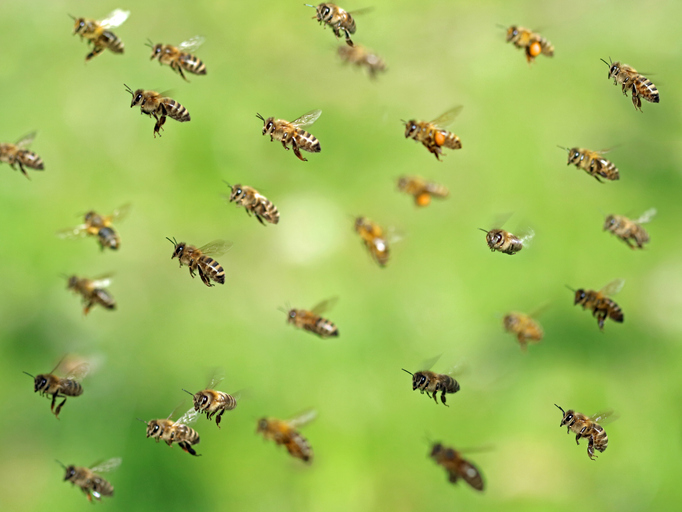
Even the sweet, golden nectar that is honey isn’t immune to microplastic contamination. Bees collect pollen from flowers, but they also inadvertently gather microplastics from the environment. A study conducted by Dr. Melanie Bergmann from the Alfred Wegener Institute found microplastics present in many honey samples. This contamination occurs because bees are exposed to polluted environments, directly affecting the purity of honey.
While the presence of microplastics in honey isn’t ideal, opting for local and organic varieties can be a better choice. These sources may offer a cleaner product, as they often prioritize sustainable and environmentally friendly practices. As a consumer, you have the power to support producers who prioritize reducing pollution. It’s a small but significant step toward cleaner consumption.
6. Tea Bags

Your favorite tea might not be as pure as you think. Many tea bags, especially those made from plastic or containing plastic mesh, release microplastics into your cup when steeped in hot water. As a result, you might be sipping on more than just tea leaves. This can be an unpalatable thought for tea lovers who enjoy multiple cups a day.
Switching to loose leaf tea or brands that use biodegradable materials can help you avoid this issue. It’s a simple change but one that can significantly reduce your microplastic intake. Knowing what’s in your cup empowers you to enjoy your tea time with peace of mind. As a bonus, you’ll likely enjoy a richer flavor from quality loose leaf teas.
7. Chicken
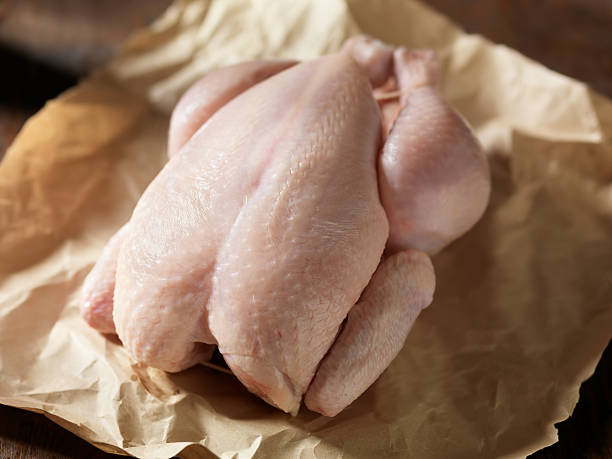
You might not associate microplastics with chicken, but they can be present in poultry products. Chickens raised in environments with contaminated feed or water sources can ingest microplastics. According to research by Dr. Wen Zhang from Rutgers University, microplastics can make their way into chickens and subsequently, the meat you consume. It’s a hidden aspect of poultry farming that isn’t widely discussed but has implications for your diet.
Being selective about the chicken you purchase can help mitigate this issue. Opt for organic or free-range poultry, as these options might have less exposure to contaminated environments. Supporting farmers who prioritize clean practices can contribute to a healthier food chain. Awareness is your ally in making choices that impact both your health and the planet.
8. Rice

Rice is a staple food for many around the world, but it can also be a source of microplastics. During processing, microplastics can be introduced into rice, especially if machinery or packaging materials contain plastic components. This contamination might be more prevalent in certain regions where environmental pollution is higher. It’s an unsettling thought for those who rely on rice as a dietary mainstay.
Choosing rice from organic sources or those with transparent processing methods can help reduce your exposure. It’s about finding balance and making choices that align with your values. By demanding cleaner products, consumers can push for industry-wide changes. Every conscious choice contributes to a larger impact on reducing plastic contamination.
9. Milk

Milk, whether from cows or plants, can sometimes contain microplastics. The presence often depends on the environment where the source material is produced or processed. For cow’s milk, it might be due to contamination in feed or water. Plant-based milks aren’t exempt either, as the production process can introduce microplastics.
Being mindful of your milk choices means considering the source and the brand’s practices. Opting for organic or brands known for sustainable practices can make a difference. It’s a reminder that even everyday staples can have unexpected contaminants. Through informed decision-making, you can take steps to minimize your exposure.
10. Sugar

Microplastics can also find their way into sugar during the production process. Whether it’s cane or beet sugar, contamination can occur at various stages. This might happen during harvesting, processing, or packaging. It’s a lesser-known fact that can make you reconsider where your sweetness comes from.
Looking for sugar brands that emphasize purity and environmental responsibility can be a good start. It’s often about supporting companies that prioritize cleaner production methods. By doing so, you contribute to a demand for higher standards in food production. It’s an empowering way to sweeten your day without added concerns.
11. Fruits and Vegetables

Fresh produce might seem like a safe bet, but even fruits and vegetables aren’t untouched by microplastics. These contaminants can come from polluted soil, water used for irrigation, or even airborne particles. When you wash and prepare produce, you might also be washing away some of these unwanted guests, but not all. It’s a reminder of the far-reaching impact of plastic pollution.
Opting for organic produce and supporting farmers who use clean practices can be a healthier choice. While it’s nearly impossible to avoid microplastics entirely, reducing their presence in your diet is beneficial. Awareness and proactive choices can help you enjoy fresh produce with more confidence. It’s about making the best choices given the circumstances.
12. Canned Fish

Canned fish is a convenient option, but it can be a source of microplastics. These particles can enter during the canning process or from the fish themselves, who have absorbed microplastics from their habitats. This contamination doesn’t mean canned fish is harmful, but it’s a reminder of the pervasive nature of plastic pollution. Being aware of this aspect can guide your choices.
Choosing canned fish brands that emphasize sustainable fishing and clean production methods can be a better option. Supporting such products encourages industry practices that minimize pollution and protect marine life. It’s all part of being a conscious consumer in a world where plastic is ever-present. By making informed choices, you contribute to a healthier ecosystem.
13. Bread

Bread, a daily staple for many, can also harbor microplastics. These particles can be introduced during various stages of production, from the flour milling process to packaging. It’s a surprising but real concern for those who consume bread regularly. While the levels might be low, it’s still a factor to consider.
Opting for bread from bakeries that use traditional and transparent methods can be a step in the right direction. Many artisanal bakeries prioritize minimal processing and clean ingredients, reducing the risk of contamination. By supporting these businesses, you’re also contributing to a larger movement toward sustainable food production. It’s about savoring your sandwich with confidence.


