

In today’s app-saturated world, it’s easy to get lost in the sea of icons on your phone. From productivity boosters to quirky games, these apps promise to enhance your digital experience. But lurking beneath their innocent facades can be hidden dangers that drain your battery and pry into your personal data. Let’s walk through a list of apps that might look harmless but could be quietly wreaking havoc on your device. Knowledge is power, so let’s arm you with what you need to keep your phone and data safe.
1. Free Flashlight Apps
Flashlight apps seem simple enough, turning your phone’s camera flash into a handy beacon of light. However, many of these free apps are notorious for requesting excessive permissions that go beyond lighting up a dark room. According to a study by cybersecurity expert Gary Davis from McAfee, some flashlight apps have been caught accessing your contacts, location, and even your microphone. This is all in the name of collecting data that can be sold to advertisers or worse. When it comes to illuminating your way, consider using your phone’s built-in flashlight function instead.
The excessive permissions requested by these apps are a red flag that something more sinister could be at play. Gary Davis points out that apps with minimal functions don’t need access to your personal data. Yet, many people grant these permissions without thinking, unknowingly putting their privacy at risk. It’s a simple task to check the permissions before downloading an app, but it’s a step often overlooked in the quest for convenience. So next time you need a flashlight, remember that what these apps can see might be more than what you want them to.
2. Weather Apps

Weather apps are a staple on most smartphones, providing you with up-to-date forecasts and alerts. However, some of these apps come with a hidden cost—your data. They often track your location, which seems reasonable for weather updates, but they can also collect additional information that’s shared with third parties. This can include your browsing history, contacts, and even text messages. It’s important to review the privacy practices of these apps and consider whether a simple weather check is worth the potential data breach.
The convenience of knowing if it’s going to rain is undeniable, but it shouldn’t come at the expense of your privacy. Some weather apps have been identified as culprits in data mining, turning your local weather update into a goldmine of personal information. While you might assume your data is secure, it’s being passed along to advertisers who want to know every detail about you. This can lead to targeted ads and other privacy invasions you never signed up for. Always read the fine print before handing over your data to seemingly harmless apps.
3. Free VPN Apps

Virtual Private Networks (VPNs) have become increasingly popular as people seek to secure their online activities. However, not all VPN services are created equal, and free options can be especially problematic. According to a study by CSIRO, many free VPN apps don’t provide the privacy they promise, instead harvesting your data for profit. These apps lure you in with the promise of anonymity but sell your browsing habits to third parties. For peace of mind and true privacy, it might be worth investing in a reputable, paid VPN service.
When using a VPN, you’re trusting the service to encrypt your data and keep it safe from prying eyes. However, free VPN apps often lack robust security measures, leaving you vulnerable to data breaches. As CSIRO’s research points out, these apps can be more concerned with turning a profit than protecting your privacy. It’s crucial to do your homework and choose a VPN that prioritizes your security, even if it means paying a small fee. In the world of VPNs, you often get what you pay for, so choose wisely.
4. Social Media “Enhancement” Apps

Social media enhancement apps offer ways to boost your online presence, promising more followers or likes. These apps might seem like a quick fix for your social media woes, but they often come with hidden dangers. They commonly require access to your account information, passwords, and other personal data. This not only compromises your social media accounts but can lead to broader security issues. Sharing your credentials with these apps is like handing over the keys to your digital kingdom, so think twice before you click accept.
While the allure of instant social media fame is tempting, it can come at a high cost. These apps can exploit your data, selling it to advertisers or using it for fraudulent activities. Even if they claim to be secure, there’s no way to guarantee your information is safe once it leaves your hands. It’s crucial to weigh the benefits against the risks and consider whether the promise of popularity is worth jeopardizing your security. Protect your privacy by sticking to official apps and being wary of third-party services offering shortcuts to social media success.
5. Battery Saver Apps

Battery saver apps promise to extend your phone’s battery life, a tempting offer for anyone constantly on the go. However, experts like Dr. Richard Shaw from the University of Sussex warn that many of these apps do the opposite. Instead of conserving energy, they can drain your battery faster by running background processes. These apps also tend to collect data on your phone usage, adding another layer of risk. It’s better to optimize your phone’s built-in settings to enhance battery life without adding unnecessary apps.
The allure of getting more juice from your phone is hard to resist, but not when it comes at the cost of your data security. Dr. Richard Shaw’s research shows that many battery saver apps use deceptive practices to gather information on your habits. This data can be used to target you with ads or, worse, be sold to data brokers. Before downloading these apps, consider tweaking your phone’s settings or investing in a portable charger. Sometimes, the simplest solutions are the safest for both your battery and your data.
6. Gaming Apps With Excessive Permissions
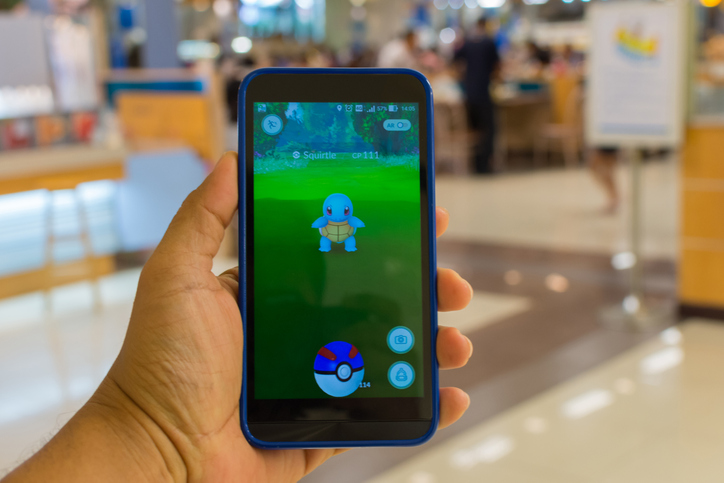
Gaming apps are a fun way to pass the time, but some ask for more access than they need. It’s not uncommon for a simple game to request permissions to your contacts, location, and even your microphone. This can be a red flag that the app is more interested in data mining than providing entertainment. While the game may be addictive, it’s crucial to ask yourself if it’s worth the potential risk to your privacy. Always review the permissions of any app before downloading, especially when it comes to games.
These apps might offer exciting gameplay, but they’re often operating under the guise of gathering data. Many gaming apps are free to download, making money by collecting and selling your personal information. This can lead to targeted ads, spam, or even more malicious activities. It’s vital to stay vigilant and opt for games that respect your privacy. By being selective with the apps you choose and mindful of their permissions, you can enjoy gaming without sacrificing your personal data.
7. Fitness Tracking Apps

Fitness tracking apps are great for monitoring your health goals, but they can also track more than just your steps. They often collect detailed health data, location information, and even access your social media profiles. Dr. Linda Brennan from RMIT University found that some apps share this data with third parties, including marketers and insurance companies. This means your health habits could end up in the hands of companies looking to profit off your data. It’s crucial to scrutinize the privacy policies of these apps and ensure they align with your comfort level.
While these apps can motivate you to stay active, the data they collect can have unintended consequences. Dr. Linda Brennan’s research highlights the potential risks of sharing your health information with companies that may not have your best interests at heart. By understanding how your data is used and shared, you can make informed decisions about which apps to trust. Consider using apps from reputable developers or those with strong privacy protections. Staying fit shouldn’t mean compromising your personal data, so choose wisely.
8. Photo Editing Apps

Photo editing apps are a fun way to enhance your pictures, but they often come with hidden costs. Many of these apps request access to your camera, photos, and sometimes even your location data. This access can lead to your images being uploaded to servers, where they can be stored or sold. While the effects and filters may seem harmless, the implications for your privacy can be significant. It’s essential to review what permissions you’re granting and consider if the app’s features are worth the potential privacy risks.
These apps are popular for their ability to transform ordinary photos into stunning works of art, but there’s more at stake than just aesthetics. By granting these apps access to your personal photos, you’re also opening the door to potential data breaches. Your images can be used without your consent, leading to privacy issues and even identity theft. To safeguard your pictures and privacy, choose apps with transparent data practices and minimal permissions. Your memories should remain yours, so take steps to keep them secure.
9. Keyboard Apps

Custom keyboard apps are a popular way to personalize your typing experience, offering a range of designs and emojis. However, many of these apps request full access to everything you type, including sensitive information like passwords and credit card numbers. This data can be logged and sent to the app’s creators for analysis or, worse, sold to third parties. While the promise of a unique keyboard is enticing, it’s crucial to weigh the benefits against the potential privacy invasion. Opt for reputable keyboard apps and always check what permissions they require.
The customization options offered by these apps can make typing more fun, but they often come at a steep privacy cost. By granting full access to your keyboard data, you’re trusting the app developers with highly sensitive information. This data can be mined and misused, leading to potential identity theft or financial fraud. Protect yourself by understanding the implications of granting such permissions and choosing apps with a proven track record of respecting user privacy. Sometimes, a standard keyboard is the safest choice when it comes to keeping your data secure.
10. Language Learning Apps

Language learning apps are a fantastic tool for expanding your linguistic skills, but they can also expand their reach into your personal data. These apps often request access to your microphone, contacts, and location, gathering data under the guise of enhancing your learning experience. This information can be used to build detailed profiles that are shared with advertisers and other third parties. While learning a new language is admirable, it’s important to consider the risks associated with these apps. Be cautious about what permissions you grant and prioritize apps that offer strong privacy protections.
These educational tools can make learning accessible and convenient, but not without potential privacy pitfalls. By accessing your contacts and location, language learning apps can piece together a comprehensive profile of your habits and interests. This data is valuable to advertisers looking to target you with tailored ads, often at the expense of your privacy. It’s crucial to choose language apps that are transparent about their data usage and committed to protecting your information. Enjoy the benefits of learning without compromising your privacy by being selective and vigilant.
11. News Aggregator Apps

News aggregator apps offer a convenient way to stay informed, curating content from a variety of sources in one place. However, these apps often require access to your browsing history, location, and even your contacts. This access allows them to build a detailed profile of your reading habits and personal interests. While having the latest headlines at your fingertips is handy, it’s worth considering the trade-off between convenience and privacy. Always check the permissions and privacy policies of these apps to ensure your data is used responsibly.
The tailored content provided by news aggregators can keep you engaged and informed, but it’s often fueled by your personal data. By collecting information about your browsing habits and preferences, these apps can serve you personalized news and ads. While this might seem beneficial, it can also lead to privacy invasions and unwanted data sharing. Protect your personal information by choosing apps with strong privacy practices and transparent data policies. Staying informed shouldn’t mean sacrificing your privacy, so take the time to find news apps that respect your data.
12. Shopping Apps

Shopping apps are a convenient solution for browsing and buying goods on the go, but they can also be a gateway for data collection. These apps often request access to your location, contacts, and payment information to enhance your shopping experience. However, this data can be shared with advertisers, leading to targeted ads and increased privacy concerns. While the ease of shopping from your phone is appealing, consider the potential risks to your personal data. Review the permissions and privacy settings of these apps to ensure you’re comfortable with how your information is used.
With the promise of exclusive deals and easy transactions, shopping apps can make purchasing a breeze, but not without potential downsides. By collecting your payment details and browsing history, these apps can tailor ads to your preferences and habits. While personalized ads might seem harmless, they can also feel intrusive and exploit your personal data. It’s important to choose shopping apps that respect your privacy and offer clear options for managing your data. Enjoy the convenience of online shopping without compromising your security by being mindful of the apps you use.
13. Messaging Apps With Unsecure Features

Messaging apps keep you connected with friends and family, but not all of them prioritize security. Some apps lack end-to-end encryption, leaving your conversations vulnerable to interception and data breaches. This can lead to sensitive information falling into the wrong hands, exposing you to privacy risks. While staying in touch is essential, it’s crucial to choose apps that offer robust security features. Be wary of messaging platforms that don’t prioritize your privacy and opt for those that do.
Communication is vital, but it shouldn’t come at the expense of your security. Messaging apps that don’t secure your data can lead to unintended consequences, from identity theft to personal information leaks. It’s essential to research the security measures of any app you use to ensure your conversations remain private. Choose apps with a strong track record of protecting user data and offering features like end-to-end encryption. Stay connected without compromising your safety by selecting messaging apps that prioritize your privacy.


