

Keeping your fridge organized and clutter-free is a daily battle for many. But it turns out, you might be contributing to the chaos by storing items that don’t even belong there in the first place. While it’s second nature to stash groceries in the fridge as soon as you get home, not everything needs—or benefits from—a chilly retreat. It’s time to rethink your fridge habits and make room for what actually belongs there. Here’s a list of things you keep putting in the fridge that absolutely shouldn’t be.
1. Tomatoes
Tomatoes are one of those foods that seem intuitively meant for the fridge, especially in the summer when they’re ripe and juicy. But refrigeration can actually ruin their texture and flavor. According to Harold McGee, a food science expert, cold temperatures damage the membranes inside the fruit walls, leading to a mealy and less flavorful result. Instead, keep them at room temperature, away from direct sunlight. You’ll enjoy a more robust taste and a better texture when they’re stored properly.
Furthermore, the natural process of ripening is stalled when tomatoes are refrigerated, which can leave you with an underwhelming, bland flavor. The cold can also affect their vibrant color, making them less appealing visually. By storing them on the counter, you allow the natural sugars to develop, enhancing both taste and aroma. A simple fruit bowl or a space on your kitchen counter will do the trick. Trust in nature’s design; your taste buds will thank you.
2. Bread

Bread is another common victim of unnecessary refrigeration. People often think that keeping bread in the fridge will extend its freshness, but the opposite is true. The cool environment speeds up the staling process due to a chemical reaction known as retrogradation. This causes the starches to crystallize and harden much faster than at room temperature. Instead, store bread in a cool, dry place and consider freezing if you need to keep it longer.
Moreover, refrigeration can dry out the bread, making it lose that delightful chewiness that fresh bread is known for. Freezing, on the other hand, halts the staling process without sucking the moisture out. Simply slice your bread before freezing so you can easily thaw just what you need. To revive stale bread, a little heat from a toaster or oven can work wonders. Remember, the fridge is a bread’s worst enemy when it comes to maintaining texture and flavor.
3. Potatoes

Potatoes are often stored in the fridge under the assumption that they’ll last longer. But the cold temperature can convert their starch into sugar more quickly, leading to an unpleasantly sweet taste. As the University of Idaho Extension points out, refrigeration can also cause the potatoes to develop dark spots and a gritty texture when cooked. Instead, keep them in a paper bag in a cool, dark place like a pantry. This will help them maintain their taste and texture for weeks.
Furthermore, the moisture present in the refrigerator can encourage mold growth, especially if the potatoes are unwashed or have skin damage. Keeping them in a well-ventilated area also prevents sprouting, which often occurs in damp environments. Light exposure should be minimal, as it can cause them to turn green, a sign of solanine, which is toxic in large amounts. A little attention to storage conditions will allow you to enjoy your potatoes at their best. A simple burlap sack or a basket will work well.
4. Onions

Onions and refrigeration simply don’t mix. The cold, moist environment of a fridge affects their texture, turning them mushy and accelerating spoilage. When exposed to moisture, onions can absorb the dampness, leading to a soggy mess. Instead, store your onions in a dry, well-ventilated area, perhaps in a mesh bag or an open basket. This will keep them fresh and firm for much longer.
Refrigerating onions can also lead to cross-contamination of flavors with other foods. Their pungent aroma tends to permeate throughout the fridge, potentially affecting the taste of other items. Keeping them out of the fridge ensures that your other foods remain unaffected. Plus, onions stored properly outside the fridge can last for weeks or even months. Just be sure they aren’t stored near potatoes, as the gases they emit can cause each other to spoil faster.
5. Coffee

Many people mistakenly believe that storing coffee in the fridge will keep it fresh for longer. However, this approach can actually degrade the quality of your coffee. According to coffee expert Scott Rao, the moisture in a refrigerator can lead to stale coffee beans as they absorb unwanted odors and flavors. Instead, store your coffee in an airtight container at room temperature, away from light and heat. This will help maintain its aroma and flavor profile.
Coffee is particularly sensitive to changes in temperature and humidity, both of which can compromise its freshness. Keeping it in the original packaging isn’t enough if you’re aiming for that freshly brewed aroma and taste. Invest in a quality airtight container, and you’ll notice a significant difference in the taste of your morning brew. Your coffee should be as vibrant and flavorful as the day you bought it. Enjoy it the way it was meant to be enjoyed—aromatic and full of life.
6. Garlic
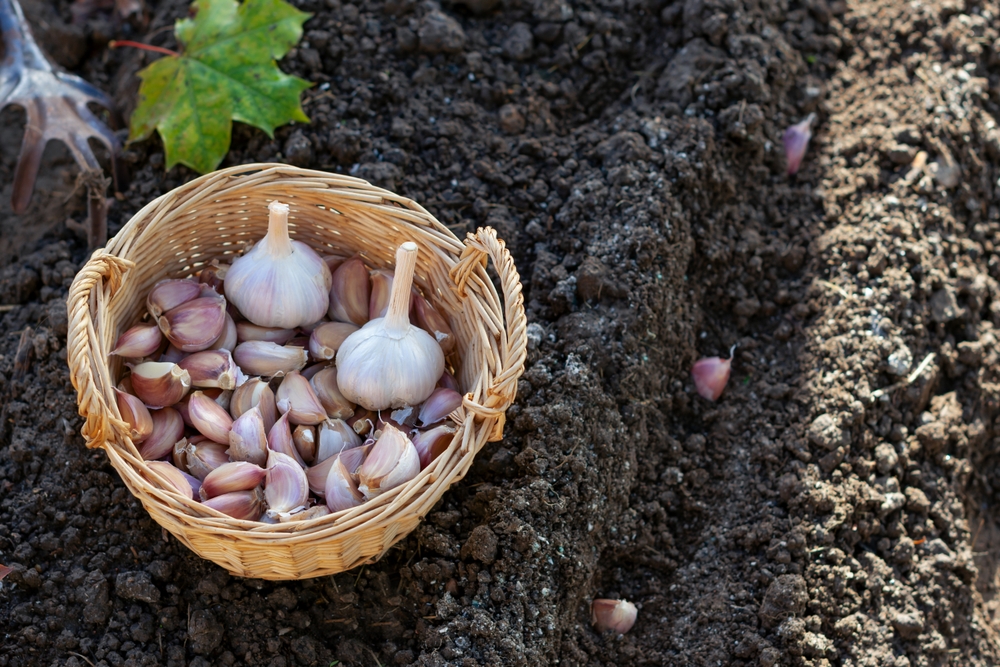
Garlic is another item people often get wrong by putting it into the fridge. The cold and moisture in the fridge encourage sprouting and can lead to mold growth. Instead, garlic should be stored in a cool, dry place, ideally in a breathable container like a mesh bag. This allows it to stay fresh and potent, preserving its flavor. A dark corner of your pantry works perfectly.
When garlic is stored properly, it can last for several weeks. Refrigeration not only shortens its shelf life but also diminishes its robust taste. If you’ve ever bitten into a lackluster clove, you know the disappointment of poorly stored garlic. By keeping it in the right conditions, you’ll ensure that its pungent aroma and flavor are ready to elevate your dishes. A simple change in storage can make all the difference.
7. Honey

Honey is a natural preservative and doesn’t require refrigeration at all. Storing it in the fridge can cause it to crystallize and become difficult to use. According to Dr. Ranjit Kumar, a food scientist, honey’s unique composition allows it to last indefinitely when stored correctly at room temperature. The ideal way to store honey is in a sealed container in a pantry or cupboard. This helps maintain its smooth, syrupy consistency.
When honey crystallizes, it becomes gritty, resembling wet sand, and although it’s still edible, it’s not as pleasant to use. To re-liquefy crystallized honey, simply place the jar in warm water and stir until the crystals dissolve. Keeping honey at room temperature ensures it remains in its most usable state. It’s one of nature’s longest-lasting foods, so trust its innate ability to preserve itself. Save your fridge space for items that truly need it.
8. Olive Oil

Olive oil’s quality diminishes when exposed to cold temperatures. Refrigeration can cause it to become cloudy and thicken, which can be confusing when you’re trying to pour it. Instead, store olive oil in a cool, dark place to maintain its flavor and nutritional benefits. The pantry is an ideal spot, away from sunlight and heat. This will ensure your olive oil stays in prime condition for months.
The refrigerator’s cold can affect the compounds in olive oil that give it its peppery taste and rich aroma. Once returned to room temperature, the cloudiness will dissipate, but repeated exposure to fluctuating temperatures can degrade the oil over time. Investing in a good-quality storage bottle can further protect it from light and air. Treat olive oil with the same care you would a fine wine. After all, it’s a staple in any kitchen worth its salt.
9. Avocados

Many people throw avocados in the fridge right away, but this can impede their ripening process. Avocados should ripen at room temperature to develop their creamy texture and rich flavor. Placing them in the fridge prematurely can leave you with rock-hard, tasteless fruit. Once ripened, you can store them in the fridge to prolong their shelf life. But remember, they should be ripe before chilling.
Let your avocados bask in the room’s natural warmth until they’re ready to eat. A simple paper bag can even speed up the process if you’re in a hurry. Refrigerating ripe avocados is a great way to extend their usability, but doing so beforehand only leads to disappointment. Enjoy them at their peak, whether in guacamole or sliced over toast. A little patience goes a long way with this versatile fruit.
10. Bananas

Storing bananas in the fridge is a common error; it halts the ripening process and can leave them mushy and brown. The fridge’s cold environment affects their cell structure, leading to an unappetizing texture. Instead, keep bananas at room temperature to allow their natural sweetness to develop fully. Place them away from other fruits to avoid speeding up their ripening too quickly. It’s best to let them hang out on the counter.
Once bananas reach the ripeness you desire, feel free to pop them in the fridge. The peel may still brown, but the fruit will stay firm and delicious inside for a few more days. If you end up with overripe bananas, consider peeling and freezing them for smoothies or baking. Bananas are one of nature’s most convenient snacks, so let them ripen naturally. You’ll get the most flavor and enjoyment this way.
11. Peaches

Much like tomatoes, peaches suffer when subjected to the fridge’s chilly embrace. Cold temperatures interrupt their ripening process and can even give the fruit a woolly texture. Leave peaches out at room temperature until they achieve their full sweetness and juiciness. Only then should they be moved to the fridge to extend their shelf life. A little patience goes a long way with these summertime favorites.
Refrigerating unripe peaches can result in a lackluster flavor profile, depriving you of their natural sweetness. Let them develop their aroma and taste on the counter, and you’ll enjoy a far superior fruit. Once ripe, a quick stint in the fridge will help keep them fresh for a few more days. Enjoy peaches at their best by allowing them to ripen fully. It’s worth the wait for that perfect, juicy bite.
12. Apples

While apples can technically be refrigerated, it’s not always necessary. If you plan on consuming them within a week, there’s no need to take up valuable fridge real estate. Apples stored at room temperature retain their texture and flavor, making them a convenient snack. However, if you want to keep them for an extended period, refrigeration is an option. Just be aware that cold can slightly alter their crispness over time.
Apples emit ethylene gas, which can cause other fruits to ripen more quickly. Keep them separate from other produce if you’re storing them at room temperature. If you do refrigerate apples, be sure to place them in a breathable bag to maintain some moisture. Whether in a bowl on the counter or chilling in the fridge, apples are versatile in their storage needs. Choose the method that best suits your consumption habits.
13. Chocolate

Chocolate is often seen as a candidate for refrigeration, especially when trying to avoid it melting. However, cold temperatures can cause it to bloom—a white, powdery film that appears when the sugar or fat rises to the surface. Keep chocolate in a cool, dry place instead, like a pantry or cupboard. This will maintain its texture and prevent it from losing flavor. A consistent, moderate temperature is key.
Refrigerating chocolate can also affect its taste and snap, two qualities that are integral to its enjoyment. If you must store it in a warmer climate, consider wrapping it tightly in plastic before refrigerating to protect it from moisture. But remember, chocolate is best enjoyed at room temperature, where its full flavor and texture can be appreciated. Treat your chocolate with care, and it will reward you with every bite. Enjoy it as it’s meant to be—rich and satisfying.


