

Are you tired of playing Tetris with your groceries every time you open the fridge? You’re not alone. An organized fridge can make life so much easier, and it’s not as hard as you think to achieve. With a few smart strategies, you can transform your fridge from chaos to calm. Here are 14 ridiculously smart ways to get your fridge in order, so everything you need is always at your fingertips.
1. Categorize Your Shelves
The first step to a more organized fridge is to categorize your shelves. Assign each shelf a specific purpose, like dairy, condiments, or leftovers. This way, you’ll always know where to look when you need something—or where to put an item back. According to organizational expert Julie Morgenstern, grouping like items together creates a more intuitive layout, making it easier for you to keep track of what you have and what you need. Plus, it helps reduce food waste by making sure nothing gets lost in the shuffle.
Consider using bins or baskets to further separate items within each category. Label these containers to make it even easier for everyone in your household to find what they’re looking for. You can use clear containers so you can see everything at a glance, or color-coded ones if that works better for you. This method also makes cleaning your fridge a breeze because you can simply remove the bins and wipe down the shelves. It’s all about making your life easier with a little upfront effort.
2. Keep Condiments In The Door

Condiments are often used frequently, so keeping them accessible is key. The fridge door is the perfect spot for these items because it’s easy to reach and often has built-in compartments that are great for holding bottles and jars. Storing condiments in the door also frees up shelf space for other items that need to be kept colder. Since the temperature is slightly warmer in the door, it’s not ideal for perishable items, but condiments can handle it just fine.
Make sure to organize the condiments by type or frequency of use. Place the items you reach for most often at the front. You can even use additional door racks or baskets if you have a lot of condiments. This practice not only saves time but also prevents the door from becoming a clutter zone. Keep everything tidy by periodically checking for expired items and removing them.
3. Use Clear Containers For Leftovers

Leftovers have a way of disappearing into the dark corners of your fridge. To avoid this, store them in clear containers so you can easily see what’s inside. Clear containers make it simple to do a quick scan of your fridge and know exactly what you have on hand. A study by the Journal of Consumer Research found that people are more likely to use leftovers when they can see them, reducing food waste significantly.
Label the containers with the date and contents to ensure you use them before they spoil. You’ll be more likely to grab them for lunch the next day if you know what’s in them without having to open each container. Stack similar shapes together to maximize space and keep everything looking orderly. This habit is not just about cleanliness, but also about making the most of what you’ve already cooked. It encourages a more sustainable and efficient kitchen routine.
4. Designate A Snack Zone

If you’ve got kids or you’re a snacker yourself, a designated snack zone can be a lifesaver. Choose a spot in the fridge that’s easy to reach, like a middle shelf or a drawer, and fill it with healthy snacks that are ready to go. Think cheese sticks, yogurt cups, or pre-cut fruits and veggies. This eliminates the need to rummage through the fridge when hunger strikes, making healthier choices easier.
Organize the snacks in clear bins or trays so everyone can see their options. You can even label the bins or use a turntable to make access even easier. Having a snack zone also helps prevent the rest of the fridge from becoming cluttered with random snack items. It encourages portion control and ensures that snacks don’t get buried behind other groceries. Plus, it makes packing lunches or prepping for a quick bite super convenient.
5. Implement A First In, First Out System

The “First In, First Out” (FIFO) system is a classic for a reason—it’s effective. The idea is simple: place newer items behind older ones so that you use up older products first. This method helps prevent food spoilage and reduces waste. According toDEEfrom Johns Hopkins University, implementing FIFO in households can significantly curb food waste, as it encourages the use of older products before they expire.
To make it work, you’ll need to be diligent about organizing your fridge every time you put away groceries. As new items come in, check the dates and arrange them accordingly. It might take a little getting used to, but soon it will become a habit. This system encourages mindfulness about your consumption and ensures that you’re getting the most out of your groceries. Plus, you’ll save money by not having to replace spoiled items.
6. Group Dairy Products Together

Dairy products like milk, cheese, and yogurt should be stored together to make them easy to find. Since they have similar storage requirements, grouping them together also helps ensure they stay fresh. Keep dairy products on a shelf with a consistent temperature rather than the door, where temperatures fluctuate. This simple practice extends the life of your dairy and keeps it organized.
Consider using a dedicated dairy bin for smaller items like yogurt cups or cheese slices. Label it clearly so everyone knows where to find what they need. This way, they won’t have to dig through the rest of the fridge to find a snack or ingredient. Keeping dairy organized also makes meal prep smoother, as you can quickly grab all the items you need. It’s another step towards a more efficient and functional fridge.
7. Store Meat On The Lowest Shelf
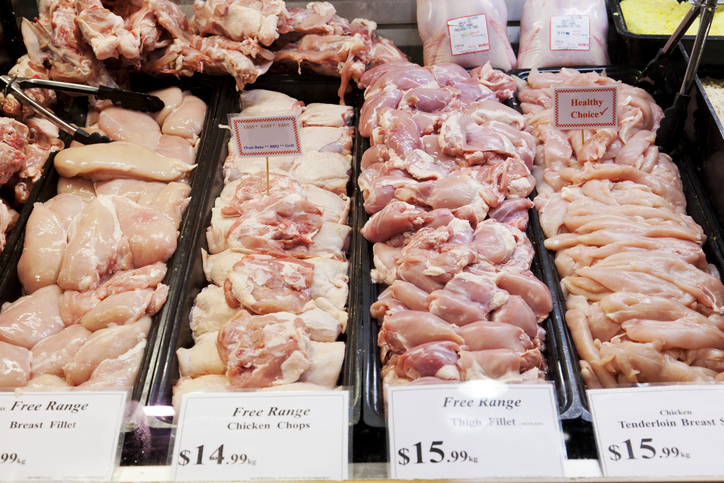
Raw meat should always be stored on the lowest shelf of your fridge. This placement is crucial to prevent any potential drips or leaks from contaminating other foods. A study by the U.S. Department of Agriculture emphasizes the importance of this practice to reduce the risk of foodborne illnesses. The bottom shelf is often the coldest part of the fridge, which is ideal for keeping meat fresh until you’re ready to cook it.
Use a separate container or tray to catch any drips and make cleanup easier. You can also employ the FIFO system here, putting newer packages behind older ones. This setup allows you to see all your options at a glance and ensures you’re using the oldest products first. Keeping meat separate from other groceries not only promotes safety but also helps maintain a tidy fridge. It’s a practical habit that safeguards your health and simplifies meal planning.
8. Place Fruits And Vegetables In Their Proper Drawers

Fruits and vegetables have different storage needs, and most fridges come with crisper drawers designed for each. Keep fruits in one drawer and vegetables in another to maintain their freshness. These drawers typically have humidity controls, which you can adjust based on the contents. Vegetables prefer higher humidity, while fruits last longer in a low-humidity environment.
Be sure to wash your produce before putting it away to remove any dirt or bacteria. However, make sure it’s dry before storage to prevent mold growth. Organize these drawers by placing items with a shorter shelf life at the front. This way, you’re more likely to use them before they spoil. A well-organized crisper drawer not only preserves your produce but also helps you plan meals around what’s available and ripe.
9. Label Everything

Labeling isn’t just for storage bins and containers; it can be a game-changer for fridge organization. Use labels to identify different sections, like “Dairy,” “Snacks,” or “Leftovers.” This system makes it easy for everyone in the household to know where things belong, promoting consistent organization. You can use a label maker or simple sticky notes to get started.
For a more eco-friendly option, try reusable labels that can be wiped clean and used again. Labeling is particularly useful when you have multiple people accessing the fridge, as it helps maintain order. It also assists in quickly identifying items that need to be used up soon. This method ensures that your hard work in organizing the fridge doesn’t go to waste. It’s an ongoing effort, but one that pays off with time and convenience.
10. Use A Lazy Susan For Easy Access

A lazy Susan isn’t just for the dining table—it can be incredibly handy in the fridge too. Use one on a shelf to store items like jars, condiments, or small containers. This rotating tray allows you to access everything on it without having to rearrange other items. It’s especially useful for the back of the fridge, which can often become a black hole for forgotten products.
To implement this, choose a lazy Susan that fits well on your fridge shelf. Group similar items together on it for even greater convenience. You can quickly spin it around to find what you need, minimizing the time the fridge door is open. This simple addition can save you time and help keep your fridge more organized. It’s an inexpensive tool that transforms how you store and access food.
11. Keep A Fridge Inventory

An inventory might sound like overkill, but it can really streamline your fridge management. Keeping a simple list of what’s in your fridge helps you keep track of what you have and what you need. You can maintain your inventory on a whiteboard attached to the fridge door or use an app for a more high-tech solution. This practice reduces the chances of buying duplicates and forgetting about items you already have.
Update the inventory as you use and restock items. It’s a good habit to get into, especially if you tend to overstock or forget what’s in the fridge. This list also comes in handy when planning meals or creating shopping lists. It’s about maximizing the use of your space and your groceries. With time, you’ll find this routine saves both money and time.
12. Adjust Shelves To Fit Your Needs

Most fridge shelves can be adjusted to different heights, so don’t hesitate to customize them to suit your storage needs. If you buy large bottles or have tall leftovers, move a shelf to accommodate them comfortably. This flexibility prevents you from having to cram things into unlikely spaces, which can lead to spills or breakage. It also helps keep everything visible and accessible.
Take a few minutes to assess how you use your fridge most often and adjust the shelves accordingly. You might find that dedicating more space to one category makes sense for your household. Don’t forget to clean the shelves as you rearrange them. This practice keeps your fridge organized and tailored to your specific usage. It’s a personalized approach to storage that makes everyday tasks smoother.
13. Use Magnetic Clips Or Baskets

The inside of your fridge door can be put to good use with magnetic clips or baskets. These can hold smaller items like butter or small condiment packets, freeing up shelf space. Magnetic accessories are easy to rearrange, allowing you to adapt your storage as your needs change. They keep items visible and accessible, minimizing the likelihood of forgetting about them.
Choose sturdy magnets to ensure they can hold the weight of the items you want to store. This solution is cost-effective and adds another layer of organization to your fridge. You can even use magnetic clips to hold notes or shopping lists on the fridge door. It’s all about maximizing every inch of your fridge in a practical way. This method turns unused space into functional storage.
14. Regularly Clean And Declutter

Regular cleaning is essential to maintaining an organized fridge. Set a schedule to clean and declutter your fridge at least once a month. This routine prevents expired items from piling up and ensures that spills or crumbs don’t become bigger messes. A clean fridge is much easier to keep organized, as you’ll be more inclined to return items to their proper place.
Use natural cleaning solutions or mild detergents to avoid leaving harsh chemical residues. As you clean, remove everything from the fridge and give it a thorough wipe-down. Take the opportunity to reassess your organizational strategy and make any necessary adjustments. This regular maintenance keeps your fridge fresh and functional. It’s the final step in ensuring your fridge remains a well-organized hub of your kitchen.


