

When it comes to kitchen appliances, the garbage disposal often gets treated like an indestructible workhorse. But despite its mechanical prowess, there are just some things it can’t handle. Misuse can lead to costly repairs and a hefty plumber bill you didn’t budget for. To help you avoid such kitchen catastrophes, here are 13 times you should absolutely not use your garbage disposal. Let’s keep your kitchen running smoothly with a little preventative maintenance.
1. Grease Or Oil
It’s tempting to dump leftover grease or oil down the drain, but resist the urge. Once these liquids cool, they solidify, clogging both your disposal and pipes. This can lead to serious plumbing issues that require professional intervention. According to plumbing expert Bob Vila, grease is one of the top culprits for kitchen drain clogs. Instead, pour grease into a container, let it solidify, and dispose of it in the trash.
Besides clogging your pipes, grease can also coat your disposal’s blades, making it less effective over time. You might find yourself dealing with an unpleasant odor as old grease accumulates. Regular cleaning can help, but it won’t solve the root problem if you keep pouring oil down the drain. Save yourself the headache and find a better way to dispose of fats and oils. A little forethought can go a long way in preventing expensive repairs.
2. Eggshells

Many people believe that eggshells help sharpen the disposal blades, but that’s a myth. Eggshells can actually do more harm than good. The thin membrane inside the shell can wrap around blades and other components, causing performance issues. Over time, these blockages can lead to more serious mechanical failures. Instead of using your disposal, consider composting eggshells or throwing them in the trash.
Eggshells can also contribute to pipe clogs when ground into a sandy substance. This can settle in your pipes, causing blockages and restricting water flow. Not to mention, the abrasive particles can wear down your disposal’s components faster than usual. If you aim to be eco-friendly, composting is the better option. Not only will it keep your disposal running smoothly, but it’s also great for your garden.
3. Fibrous Vegetables

Vegetables like celery, asparagus, and corn husks might seem harmless, but they can be quite problematic. Their fibrous nature can wrap around the disposal blades, causing them to jam. Dr. Ben Carter, a mechanical engineer, explains that these fibers can also get tangled in other parts of the disposal, making it less effective. You’ll likely encounter clogging issues that require professional help to resolve. Instead, toss these vegetables in the trash or compost.
When fibrous vegetables make their way into your plumbing, they create a tangled mess. This makes it difficult for your disposal to grind effectively, and it can lead to bigger plumbing issues. Even if you think small amounts won’t hurt, it’s best to err on the side of caution. Regularly cleaning your disposal can help, but avoiding putting fibrous vegetables in the first place is the real solution. Keep your plumbing clear by disposing of these vegetables properly.
4. Pasta And Rice

Pasta and rice may seem harmless, but they expand when exposed to water. Even after being ground up, these foods can swell and cause blockages in your pipes. In the worst-case scenario, you could face a complete plumbing shutdown. The sticky nature of these foods can also cling to the disposal blades, reducing their efficiency. Instead, scrape pasta and rice into the trash or compost bin.
When pasta and rice accumulate in your disposal, they can create a gummy mess. This not only affects the appliance’s performance but also gives off a foul odor. Over time, the buildup can damage your disposal and lead to costly repairs. It’s better to clean your plate into the trash before washing it in the sink. A small effort now can save you from a major inconvenience later.
5. Coffee Grounds

Coffee grounds are another common culprit of disposal damage. They might seem harmless because they’re so fine, but they can actually wreak havoc on your pipes. According to plumbing specialist Jane Thompson, coffee grounds clump together and form a thick sludge, leading to stubborn blockages. Over time, this can significantly reduce water flow and require professional plumbing services. Instead, use coffee grounds in your compost or as a natural garden fertilizer.
The abrasive nature of coffee grounds can also wear down your disposal’s blades. This decreases the appliance’s efficiency and could lead to mechanical issues. If you’re dealing with frequent clogs, your coffee habit might be to blame. Rethink how you dispose of these grounds to keep your disposal functioning optimally. A simple change in routine can help prevent future headaches.
6. Bones

While your disposal can handle small amounts of soft foods, bones are a different story. The hard material can damage your disposal blades and motor. Over time, trying to grind bones can lead to mechanical failures. Even if the disposal seems to handle it initially, the wear and tear will catch up. Instead, toss bones in the trash to maintain your disposal’s lifespan.
Bones can also become lodged in your pipes, causing stubborn clogs. This can block other waste from being processed, leading to a bigger problem. The removal of these clogs often requires professional help, which can be costly. Prevent these issues by avoiding bones in your garbage disposal entirely. You’ll save yourself both time and money in the long run.
7. Fruit Pits

Throwing fruit pits into your garbage disposal can be tempting, but this is a mistake. Similar to bones, the hard material can damage the blades and motor. According to Dr. Emily Thompson, a mechanical engineer, the dense composition of fruit pits can cause your disposal to overheat or even break down. This can lead to costly repairs or the need to replace your appliance altogether. A better solution is to toss fruit pits in the trash or compost bin.
If a fruit pit gets stuck in your disposal, it can cause a frustrating jam. This will require you to manually remove the obstruction, which is both time-consuming and potentially dangerous. Even if you manage to remove it, the damage might already be done. Avoid the hassle by keeping these pits out of your disposal in the first place. It’s a small step that can lead to significant savings.
8. Onion Skins

Onion skins, though thin, can cause significant disposal issues. Their papery texture can wrap around the blades, causing them to jam. This can lead to an inefficient appliance that doesn’t grind properly. Additionally, the skins can create a tangled mess inside your pipes, leading to clogs. Instead, toss onion skins in the trash or compost.
The small pieces of onion skin can also slip past the disposal, accumulating in your pipes over time. This leads to reduced water flow and eventually necessitates costly plumbing repairs. Even if you think the disposal can handle it, it’s best to err on the side of caution. Your plumbing system will thank you for it. The less strain you put on your disposal, the longer it will last.
9. Nuts

You might think nuts are soft enough for the disposal, but they can be problematic. Grinding nuts is similar to making nut butter, creating a sticky paste that can clog your pipes. This paste can coat the disposal blades, reducing their effectiveness. Over time, the buildup can lead to unpleasant odors and decreased performance. Toss nuts in the trash or find another use for them, like baking or cooking.
Nuts can also become lodged in your pipes, causing blockages that restrict water flow. If ignored, this can lead to a more serious plumbing issue that requires professional attention. The sticky nature of ground nuts can also attract other debris, compounding the problem. Avoid these issues by keeping nuts out of your disposal. This simple habit can save you from future headaches and expenses.
10. Shells From Seafood

Whether they’re from shrimp, crab, or a lobster dinner, seafood shells should never go down the disposal. These hard materials can damage the blades and motor of your appliance. Even if they don’t cause immediate harm, the wear and tear will shorten your disposal’s lifespan. Additionally, shells can become lodged in your pipes, causing stubborn clogs. Dispose of seafood shells in the trash to avoid these issues.
The rough texture of these shells can also wear down your disposal blades over time. This can lead to decreased performance and the need for costly repairs. Plus, the strong odor of decomposing seafood can make its way back into your kitchen. Save yourself the hassle by handling seafood waste with care. Your plumbing—and your nose—will appreciate it.
11. Banana Peels
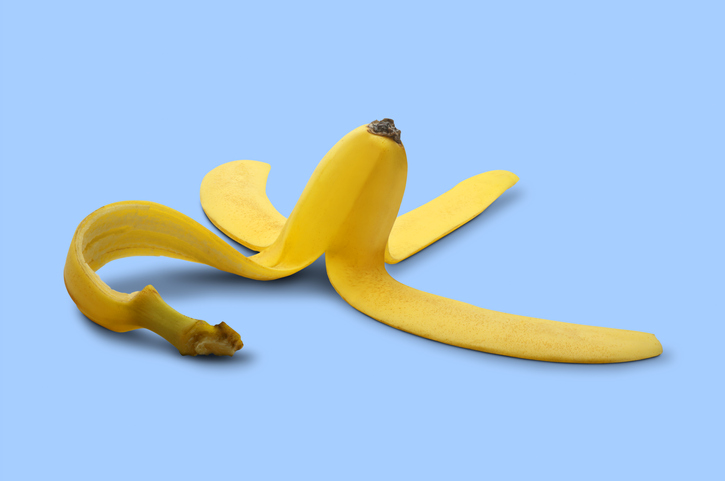
Banana peels may seem harmless, but they can create serious problems for your disposal. The fibrous nature of the peel can wrap around the blades, causing jams. This can lead to decreased efficiency and even damage over time. The sticky residue can also build up on the blades, leading to unpleasant odors. Instead, compost or throw banana peels in the trash.
When banana peels accumulate in your pipes, they can create blockages that restrict water flow. Ignoring the issue can lead to costly plumbing repairs. Even if you think a small piece won’t hurt, it’s better to play it safe. Regular maintenance can help, but avoiding banana peels in the first place is the best solution. Keep your disposal running smoothly by disposing of peels properly.
12. Potato Peels

Potato peels may seem soft enough for your disposal, but they can cause problems. The starch in potatoes can turn into a glue-like substance when ground, creating clogs. This can lead to reduced water flow and necessitate plumbing repairs. The sticky residue can also coat the disposal blades, making them less effective over time. Toss potato peels in the trash or compost instead.
When potato peels accumulate in your pipes, they can lead to stubborn blockages. These clogs restrict water flow, causing plumbing issues that require professional intervention. Even if you think a few peels won’t hurt, it’s best to avoid putting them in the disposal altogether. Regular maintenance can help, but prevention is the most effective solution. Keep your disposal and pipes clear by disposing of peels properly.
13. Non-Food Items

It should go without saying, but non-food items don’t belong in your garbage disposal. This includes paper towels, rubber bands, and plastic wrappers. These materials can jam your disposal and create blockages in your pipes. They can also damage the blades, reducing the appliance’s effectiveness over time. Dispose of non-food items in the trash where they belong.
Non-food items can also end up causing more significant plumbing issues. These blockages can restrict water flow and require costly repairs. Even if you think a small item won’t hurt, it’s better to avoid putting it in the disposal. Simple maintenance can help prevent issues, but vigilance is key. Keep your plumbing system in top shape by disposing of non-food items properly.


