

Cleaning isn’t always the most exciting task on your to-do list, but it feels great when your space is sparkling clean. Over the years, older generations have perfected some handy tricks to make cleaning a bit more efficient. These “boomer” cleaning hacks are simple, effective, and often use items you already have at home. Whether you’re looking to remove stubborn stains or just want to freshen up your space, these tips have got you covered. Let’s dive into some timeless cleaning wisdom that you can put to work right away.
1. Vinegar For Showerheads
Mineral buildup can make your showerhead less efficient, reducing water flow and leading to an uneven spray. To fix this, grab a plastic bag and some white vinegar. Fill the bag with vinegar, then secure it around your showerhead with a rubber band. Leave it to soak overnight, and by morning, the vinegar will have dissolved the deposits. Dr. Jerry Bell from the Cleaning Institute highlights that vinegar is a natural descaler, making it perfect for this job.
After removing the bag, run the shower to rinse away any remaining residue. You’ll likely notice an immediate improvement in water flow. This trick saves you from having to buy expensive cleaning products or even replace the showerhead. Plus, vinegar is eco-friendly and safe to use around the house. If your showerhead detaches easily, you can also soak it in a bowl of vinegar for the same effect.
2. Baking Soda For Carpet Odors

Carpets can trap odors over time, especially in high-traffic areas. One easy way to freshen them up is by using baking soda, which is excellent at absorbing odors. Sprinkle a generous amount over your carpet and let it sit for at least 15 minutes. For stronger odors, you might want to leave it overnight. After that, vacuum the carpet thoroughly to remove the baking soda.
You’ll be amazed at how much fresher your room smells. This method can be used on area rugs and even upholstered furniture. It’s a cost-effective way to tackle smells without resorting to chemical-laden products. Baking soda is readily available and won’t damage your carpet fibers. For an extra boost, consider adding a few drops of your favorite essential oil to the baking soda before sprinkling.
3. Newspaper For Streak-Free Windows

Want streak-free windows without the expense of specialized cleaners? Try using old newspapers instead of paper towels. Spray your windows with a mixture of equal parts water and white vinegar. Then, crumple up a newspaper and use it to wipe down the glass. According to a study by the Journal of Environmental Health, newspapers are more effective at leaving windows streak-free due to their fibers and ink.
The newspaper trick is simple and quick, and it repurposes something you might otherwise throw away. You’ll find that the ink from the newspaper doesn’t transfer to the glass, but it’s always a good idea to wear gloves just in case. This method works well for mirrors, too. It’s a fantastic way to reuse and recycle while achieving a spotless finish. Just be sure to use black-and-white newspaper pages for the best results.
4. Salt For Cast Iron Skillets

/Shutterstock
Cleaning cast iron skillets can be tricky, especially if you want to maintain their seasoning. Instead of using soap, which can strip the seasoning, reach for some coarse salt. Sprinkle a generous amount into the skillet, then scrub with a damp cloth or sponge. The salt acts as a mild abrasive, helping to lift food particles without harming the pan. Afterward, rinse the skillet with water and dry it thoroughly.
This method keeps your cast iron in top condition, preserving its non-stick surface. Salt is excellent for removing stubborn, stuck-on bits without scratching the skillet’s surface. Once clean, rub a light layer of oil over the skillet to maintain its seasoning. This keeps your cast iron ready for the next use and prevents rusting. Proper care ensures that your trusty skillet lasts for generations.
5. Toothpaste For Silver Polishing

If your silverware or jewelry has lost its luster, toothpaste can help bring back the shine. Non-gel toothpaste contains mild abrasives that can polish silver without scratching it. Apply a small amount to a soft cloth and rub it gently onto the silver in circular motions. Rinse thoroughly with warm water and dry with a clean towel. Home Depot recommends this hack for its accessibility and effectiveness in restoring silver’s shine.
Toothpaste is a budget-friendly alternative to specialized silver cleaners. It’s especially handy for items with intricate designs, as the paste can reach into crevices. This hack works on various silver items, from cutlery to accessories. Just make sure to use plain white toothpaste, avoiding those with whitening agents or microbeads. Regular maintenance with this technique can keep your silver looking like new.
6. Lemons For Microwave Cleaning

Microwaves can get pretty grimy, especially if you warm up leftovers frequently. A simple way to tackle this is to use a lemon. Cut a lemon in half and squeeze the juice into a microwave-safe bowl filled with water. Drop the lemon halves into the bowl and microwave on high for about five minutes. The steam from the lemon juice loosens up any food splatters, making them much easier to wipe away.
Once the time is up, carefully remove the bowl and wipe down the interior with a damp cloth. The fresh lemon scent will also help neutralize any lingering odors. This technique is effective because the citric acid in lemons helps cut through grease. Plus, it’s a natural and non-toxic cleaning method. Keep in mind that this can be done regularly to keep your microwave clean and smelling fresh.
7. Coffee Grounds For Garbage Disposal Deodorizing

If your garbage disposal has developed an odor, coffee grounds might be the solution you need. After brewing a pot of coffee, save the used grounds to help deodorize your disposal. Simply put a handful of damp grounds into the disposal and let them sit for a few minutes. According to Dr. Linda J. Mason, a food scientist from Purdue University, coffee grounds can absorb odors effectively. Then, run cold water and turn on the disposal to clean and freshen it.
Coffee grounds have the added benefit of being slightly abrasive, which helps remove any food residue built up in the disposal. This hack is perfect for coffee lovers who routinely have leftover grounds. However, be cautious not to use this method too frequently, as excessive use could lead to clogs. It’s a sustainable way to reduce waste while keeping your kitchen smelling pleasant. For best results, alternate this hack with other disposal-cleaning methods.
8. Rubbing Alcohol For Stain Removal

If you have stubborn fabric stains, rubbing alcohol might be your new best friend. This versatile household item can effectively break down various stains, from ink to grass. Dab a small amount of rubbing alcohol onto a clean cloth or cotton ball and gently blot the stain. Avoid rubbing, as this can spread the stain further. It’s always a good idea to test on a hidden area of the fabric first.
Once the stain has started to lift, rinse the area with cold water and launder as usual. Rubbing alcohol evaporates quickly, making it ideal for fabrics that can’t be soaked. This method is particularly effective on cotton and polyester materials. With a bit of patience, rubbing alcohol can help save garments you thought were ruined. Keep it in your cleaning arsenal for those unexpected spills and stains.
9. Potato For Rust Removal

Potatoes might not be the first thing you think of when it comes to rust removal, but they can be surprisingly effective. The oxalic acid in potatoes helps break down rust on metal surfaces. Simply cut a potato in half, sprinkle some baking soda or salt on the cut side, and rub it on the rusty area. Allow the potato juice to sit on the rust for about an hour before rinsing it off with water.
You’ll notice the rust has started to dissolve, making it easier to scrub away with a brush or cloth. This eco-friendly method is perfect for small household items like knives or gardening tools. It’s a fun and unexpected way to tackle rust, and it uses ingredients you probably already have at home. Potatoes are safe on most metals, but you should test on a small area first. Repeat the process if stubborn rust remains after the first attempt.
10. Chalk For Grease Stains

Grease stains can be a pain to remove, but plain white chalk can make a difference. Before laundering, rub chalk onto the stained area of the fabric. The chalk powder absorbs the grease, making it easier to wash out. Let the chalk sit for a few minutes before shaking off the excess. Then, wash the item as usual in warm water.
This hack works well on a variety of fabrics, including cotton and synthetics. It’s a great pre-treatment option for greasy kitchen stains or even food spills. Using chalk is a non-messy way to treat spots without chemicals. It’s also something you might already have on hand if you have kids or enjoy drawing. Regular use of this trick can keep your clothes looking clean and stain-free.
11. Bread For Broken Glass

Cleaning up broken glass is tricky and potentially dangerous. Instead of struggling with tiny shards, use a slice of soft bread. Press the bread onto the area where the glass broke, and it’ll pick up the small pieces you might otherwise miss. The soft texture of the bread helps it mold to the surface, grabbing even the tiniest bits. Be sure to dispose of the bread carefully once done.
This method is especially helpful for cleaning up around areas where people walk barefoot. It’s a simple hack using something you already have on hand, saving you the trouble of sweeping multiple times. Remember to wear shoes or gloves when cleaning up glass to protect yourself. This technique is best for small cleanups and can be a lifesaver in a pinch. Always follow up with a vacuum to ensure all shards are gone.
12. Rubber Gloves For Pet Hair
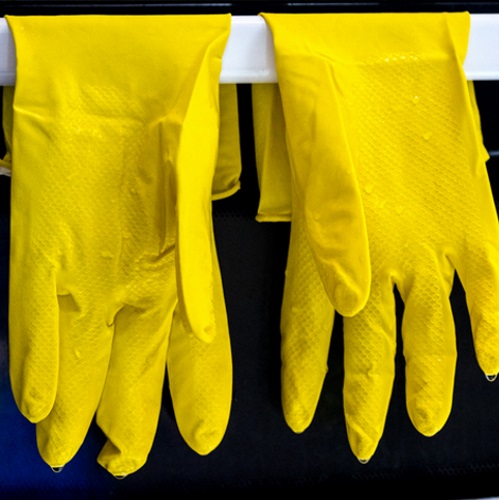
Pet owners know that fur can get everywhere, no matter how often they clean. One easy way to tackle pet hair on furniture and fabrics is with a pair of rubber gloves. Put on the gloves and run your hands over the surfaces where pet hair has gathered. The rubber creates static, making the hair cling to the gloves. This method is quick, effective, and doesn’t require any special tools.
Once you’ve gathered the hair, rinse the gloves under water to clean them off. You can easily repeat this process whenever needed, keeping your furniture fur-free. It’s a budget-friendly solution for pet owners, using something you likely already have at home. This hack works well on couches, chairs, and even car seats. For best results, slightly dampen the gloves before use to boost their effectiveness.
13. Toothbrush For Grout Cleaning

Grout lines can get grimy and discolored over time, making your tiles look less than their best. Instead of buying specialized tools, grab a toothbrush and some baking soda. Mix the baking soda with a little water to create a paste, then use the toothbrush to scrub the grout. The small bristles are perfect for getting into those tight spaces. After scrubbing, rinse the area with water to wash away the grime.
This method is both cost-effective and simple, using items you likely already have. Baking soda is a mild abrasive, making it ideal for cleaning without damaging your tiles. Regular maintenance with this method keeps grout looking fresh and bright. It’s also a more eco-friendly option compared to chemical cleaners. For stubborn stains, add a bit of vinegar to the paste for extra cleaning power.
14. Olive Oil For Stainless Steel

Stainless steel appliances look great, but can show fingerprints and smudges easily. A surprising way to polish them is by using olive oil. Dab a small amount onto a soft cloth and buff it onto the surface in circular motions. The oil helps to remove smudges and leaves a nice shine. Be sure to use a second clean cloth to buff away any excess oil.
Olive oil is a natural, non-toxic solution for keeping your kitchen looking sleek. This method can also help to minimize the appearance of scratches. It’s an affordable alternative to store-bought stainless steel cleaners. Regular application can keep your appliances looking new and shiny. Always use a light touch to avoid leaving the surface greasy.
15. Dryer Sheets For Baseboard Dusting

Baseboards can be a magnet for dust, but there’s an easy way to keep them clean. Grab a used dryer sheet and run it along the baseboards. The sheet not only picks up dust but also leaves behind a coating that repels future dust. This simple hack makes cleaning less frequent and more efficient. Plus, it gives your home a fresh scent.
Dryer sheets are perfect for this task because they hold onto dust rather than just moving it around. It’s a smart way to reuse something you already have before throwing it away. This hack works well for other dusty surfaces, too, like blinds or fan blades. With minimal effort, your baseboards will stay dust-free longer. Keep a few sheets handy for quick touch-ups whenever needed.


