

Have you ever been in the middle of a culinary adventure only to be stopped dead in your tracks by an unexpected smell? You’re not alone. We’ve all experienced those olfactory moments that make us wonder why we thought this dish—this choice—was a good idea. Some scents are just universally unsettling, and they can be powerful enough to make us reconsider not just the meal at hand but the choices that led us to it. These 13 kitchen smells are far from the sweet aroma of freshly baked cookies; they might make you pause and ponder your life decisions.
1. Overripe Exotic Fruit
The allure of exotic fruits is undeniable—they promise a taste of the tropics, an escape to a sun-soaked paradise. But when they cross the threshold from ripe to overripe, the scent can become overwhelmingly pungent. The aroma of a neglected papaya or a forgotten jackfruit can fill your kitchen with a thick, almost suffocating sweetness that clings to everything. According to Dr. Harold McGee, a food science expert, some fruits release ethylene gas as they ripen, accelerating the process dramatically (source: “On Food and Cooking” by Harold McGee). This chemical reaction can turn your kitchen into a fruit-scented purgatory, leaving you to question whether your tropical fruit escapade was worth it.
Overripe fruits are particularly sneaky because their outer appearance often remains unchanged. You may reach for what you think is a juicy mangosteen only to be hit with a smell reminiscent of overly fermented wine. This isn’t just an unpleasant surprise; it’s a reminder that nature has its own timeline, one that doesn’t care about your weekend plans. Such an experience might lead you to reconsider your fruit-buying habits or at least inspire a more diligent approach to your produce management. After all, a little vigilance with the fruit bowl can save you from the scent of an olfactory disaster.
2. Fish Sauce Mistakes

Fish sauce is an umami powerhouse, an essential in many Asian dishes, revered for its ability to elevate flavors. But misjudging a dash for a pour can transform your kitchen into a scene from a marine horror story. The potent aroma of fish sauce is not just strong; it’s assertive, a reminder of its origins in fermented fish. What was meant to be an aromatic enhancer quickly becomes an overpowering presence that doesn’t easily dissipate. Instead of adding a subtle depth to your dish, the scent lingers like an uninvited guest refusing to leave.
It’s not just the quantity that can make fish sauce a formidable opponent in the kitchen. Spilling even a small amount can lead to a lasting fragrance that clings to surfaces. Cleaning up a fish sauce mishap is akin to an intricate chemistry project, requiring precision to eradicate the odor. It’s enough to make you reevaluate your culinary ambitions, leading you to question whether you’re truly ready to embrace the bold flavors of Southeast Asia. Perhaps the next time you reach for the bottle, you’ll proceed with a touch more caution, sparing your senses and your space from a lingering maritime invasion.
3. Burnt Popcorn

Few smells can rival the intensity of burnt popcorn. What begins as a simple, comforting snack can quickly turn into a smoky nightmare if you’re not vigilant enough. The acrid scent of burnt kernels doesn’t just fill the air; it seeps into fabrics and upholstery, clinging to your home like an unwanted memory. According to Dr. Pamela Dalton, an olfactory scientist at the Monell Chemical Senses Center, the smell of burnt popcorn is particularly potent due to the release of acrylamide, a chemical formed during high-temperature cooking (source: Monell Chemical Senses Center). This chemical reaction is a stark reminder of the hazards of distracted snack-making.
Once that charred odor has taken hold, it seems to develop a life of its own, refusing to fade away easily. You might find yourself in a futile battle involving air fresheners, open windows, and baking soda, none of which seem to make a dent in its persistence. It’s a humbling moment, one that forces you to contemplate your multitasking habits and the cost of attempting to do too much at once. Next time you decide to pop some corn, perhaps you’ll remember the consequences of an inattentive approach and keep a closer eye on the microwave timer.
4. Leftover Curry

Curry is a dish loved for its complex blend of spices and flavors. However, its aroma can become a double-edged sword when leftovers are involved. What was once a fragrant culinary masterpiece can turn into an aromatic onslaught when those spices settle into your kitchen. The scent of turmeric, cumin, and coriander can linger for days, as if your house has been permanently transformed into an Indian restaurant. The richness of curry is both its strength and its downfall in this aromatic scenario.
Reheating leftover curry might seem like a convenient dinner option, but it comes with olfactory consequences. The scent can become embedded in everything around, from curtains to clothing, making it difficult to escape. It can lead to second-guessing your choice of dinner and wondering if a simpler, less pungent option might have been wiser. Next time you whip up a batch of curry, you might consider only making enough for one meal, or investing in some powerful air circulation. That way, you can enjoy your culinary creation without the lingering reminder of last night’s dinner.
5. Forgotten Potatoes

You might not think of potatoes as fragrant, but leave them forgotten in a dark corner of your pantry, and you’ll discover a different story. As they begin to rot, the smell is nothing short of a nasal assault. It’s a scent that starts subtly and grows into a pungent, earthy stench that fills your space. Dr. Steven Holt, an agricultural scientist, notes that the decomposition of potatoes releases solanine, a substance that, while toxic in large quantities, produces an unmistakable odor (source: Journal of Agricultural and Food Chemistry). This is a far cry from the comforting aroma of mashed potatoes or crispy fries we typically associate with this humble vegetable.
The real challenge comes in locating the source of the smell, as potatoes have a knack for hiding in the most obscure places. By the time you identify and dispose of the offending spuds, the scent may have already embedded itself in the fabric of your kitchen. It’s a moment that makes you question your organizational skills and inspires a more systematic approach to pantry management. The next time you’re doing inventory, you might be more thorough, ensuring that no potato is left to its own devices and sparing yourself from a future nasal invasion.
6. Overcooked Brussels Sprouts

Brussels sprouts have made a culinary comeback, transitioning from a dreaded childhood vegetable to a trendy side dish. However, the line between perfectly roasted and overcooked is a thin one. When Brussels sprouts are overdone, they release sulfur compounds that emit an odor reminiscent of rotten eggs. This is not just unpleasant; it’s an aroma that can make you question why you ever decided to try Brussels sprouts again. The once-promising dish becomes a testament to the importance of timing and temperature.
The scent of overcooked Brussels sprouts can linger long after the meal is over, an olfactory reminder of what went wrong. It’s strong enough to make you reconsider your cooking skills and even your entire approach to vegetables. Perhaps this time you’ll opt for a different cooking method or pay closer attention to the timer. This culinary misstep serves as a reminder that even the trendiest dishes have their pitfalls, and a slight misjudgment can lead to an aromatic disaster.
7. Spilled Vinegar

Vinegar is a versatile kitchen staple, renowned for its ability to enhance flavors and tackle tough cleaning jobs. But when it spills, especially in large quantities, its acetic odor can overwhelm your senses. The sharp scent fills the air, evoking memories of failed science experiments and pungent pickling jars. According to Dr. Wendy Zukerman, who hosts the Science Vs podcast, the acetic acid in vinegar is what gives it its distinctive smell, and even a small spill can lead to an outsized olfactory impact (source: Science Vs). This potent aroma can linger, making you question your decision to handle vinegar so carelessly.
Cleaning up spilled vinegar requires more than just a quick wipe; it demands a strategic approach to neutralize the odor. The persistence of the smell can make you reevaluate your storage solutions, perhaps leading you to invest in more secure containers. This experience might also instill a newfound respect for the power of acidity and its ability to influence your kitchen’s atmosphere. In the future, you’ll likely handle vinegar with a touch more caution, avoiding the overpowering aromatic repercussions of a spill.
8. Stale Frying Oil

Frying oil has a life cycle, and its end is marked by an unmistakable scent. When fresh, it adds a delightful crispness to foods, but when overused, its smell turns rancid. This not only affects the flavor of your meals but also leaves a greasy, unpleasant aroma hanging in the air. It’s as if your kitchen has been transported to a greasy spoon diner, and not in a nostalgic way. The scent of stale oil is a potent reminder of the importance of regular oil changes in your culinary adventures.
The persistence of this odor is enough to make you second-guess your frying habits. It lingers, clinging to clothes and surfaces, making you wonder why you didn’t swap out the oil sooner. This experience might lead you to rethink your approach to frying, perhaps opting for healthier cooking methods or being more diligent in maintaining your oil. After all, a fresh start with new oil is more than just a culinary choice—it’s a commitment to a more pleasant kitchen environment.
9. Charred Toast

Toast is a simple pleasure, a breakfast staple that rarely demands much attention. But when it goes wrong, the smell of charred toast can be a formidable presence. It’s a scent that not only fills your kitchen but seems to cling to every surface as a burnt reminder of a morning mishap. The acrid aroma of burnt bread is difficult to shake, stubbornly lingering long after the toast has been discarded. This experience can make you question your morning routine and your reliance on technology to deliver a perfectly crisp slice.
The smell of burnt toast serves as a reminder that even the simplest tasks can go awry. It encourages a more attentive approach to the everyday rituals we often take for granted. Perhaps next time, you’ll keep a closer eye on the toaster, preventing another aromatic calamity from creeping into your morning. After all, starting the day with the scent of charred toast is enough to make anyone reconsider their breakfast choices.
10. Boiled Cabbage

Boiled cabbage is a staple in many traditional dishes, from Irish stews to Eastern European classics. However, its smell is far from universally appreciated. The strong, sulfurous odor released during the boiling process can be off-putting, pervading your kitchen and beyond. It’s a scent that can overshadow the comforting nature of the dish, leaving you to question whether cabbage was the right choice for dinner. Cooking cabbage can become a test of your tolerance for pungent aromas.
The smell of boiled cabbage is not easily masked, and it can linger long after the meal is over. This can make you reconsider your approach to cooking with cabbage and inspire a search for odor-reducing techniques. Perhaps you’ll try steaming or roasting next time, in hopes of achieving a more pleasant aromatic outcome. Ultimately, the experience is a reminder of the power of scent and its ability to influence our perception of food and flavor.
11. Burnt Garlic
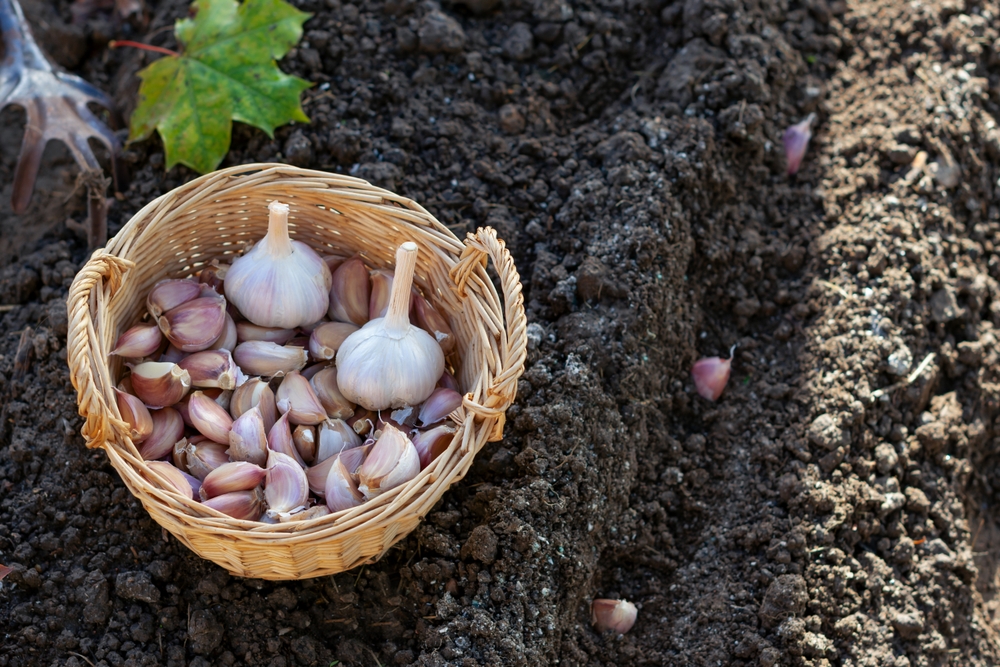
Garlic is a beloved ingredient, praised for its ability to transform dishes with its bold, savory flavor. But let it burn, and the result is a smell that’s nothing short of a kitchen nightmare. The acrid, bitter scent of burnt garlic is not just unwelcome; it’s a powerful reminder of what went wrong. This olfactory misstep can lead you to question your timing and technique, wondering how something so small could go so awry. The smell of burnt garlic lingers, adding an aromatic layer of regret to your culinary endeavors.
Dealing with the aftermath of burnt garlic is a lesson in precision and patience. It’s a reminder to slow down and pay attention to the details, especially when working with such a potent ingredient. Next time you wield a clove of garlic, you might approach with a touch more caution, mindful of the fine line between perfectly sautéed and disastrously burnt. In the end, the experience serves as a humble reminder of the power of heat and timing in the kitchen.
12. Old Coffee Grounds

Coffee is a cherished part of many people’s daily routines, offering a comforting aroma that signifies the start of a new day. But let those coffee grounds sit too long, and they transform from a source of pleasure to a source of olfactory discomfort. The stale, musty smell of old coffee grounds is a far cry from the rich, inviting scent we associate with a fresh brew. This aromatic transformation can lead you to question your coffee habits and the importance of a clean coffee maker. It’s a reminder that freshness is key to maintaining the beloved coffee experience.
The scent of old coffee grounds can be stubborn, refusing to dissipate as quickly as you’d like. This can inspire a more diligent approach to coffee cleanup, ensuring that you maintain the integrity of your morning ritual. Perhaps you’ll start by emptying the grounds more frequently and giving your coffee maker a thorough cleaning. In doing so, you preserve the sanctity of your morning brew and avoid the aromatic consequences of neglect.
13. Forgotten Bread Dough

Baking bread is a rewarding endeavor, but forget about that dough, and the results are less than pleasant. As dough ferments, it releases a sour, yeasty smell that can quickly fill your kitchen. This scent is a stark contrast to the comforting aroma of freshly baked bread and serves as an unwelcome reminder of neglect. The smell of forgotten dough is not just an oversight; it’s an invitation to question your time management skills and dedication to the baking process.
As the sour scent wafts through your space, you may find yourself reconsidering your approach to homemade bread. This aromatic misstep is a lesson in vigilance, encouraging a more mindful approach to baking. Perhaps next time, you’ll set a reminder to check the dough’s progress, avoiding the aromatic repercussions of an extended fermentation. In the end, the experience is a humble reminder of the balance between patience and attentiveness in the kitchen.


