

We all love capturing memories, but sometimes, pulling out your camera isn’t the best idea. Whether it’s to respect people’s privacy or adhere to local laws, there are places where snapping a photo can land you in hot water. You’ll want to know where these spots are so you can navigate them with confidence and sensitivity. Here, we explore 14 places where you should think twice before clicking that button.
1. Art Galleries
In many art galleries, taking photos is not just frowned upon—it can be downright prohibited. You might think it’s harmless to take a quick snapshot of a favorite piece, but galleries often have strict rules to protect the artwork. The flash from your camera could potentially damage paintings over time, and even if your camera is flash-free, galleries usually aim to provide a distraction-free environment for their visitors. According to Dr. Annabelle Rupp, an art historian at the University of Cambridge, the ambiance in galleries is carefully curated, and excessive phone use can disrupt this balance.
While some galleries have relaxed their rules in recent years to allow photography in certain areas, it’s crucial to check their policies before you start snapping away. Often, the rule is in place to maintain visitor flow and to ensure everyone enjoys the art equally. Also, remember, some artworks are on loan or under specific rights agreements that prevent photography. So, even if you’re itching to capture that stunning painting, it’s best to practice restraint and enjoy the experience in the moment.
2. Sacred Sites

Many sacred sites around the world have photography restrictions for good reason. These locations are often considered deeply spiritual and personal to those who visit them. Taking photos can be seen as disrespectful to the sanctity of the place. It’s crucial to remember that these sites aren’t tourist attractions—they are places of worship and reflection for many people. Taking a few moments to observe the customs and traditions at these sites can offer more insight than a photo ever could.
While some sites do allow photos, they might restrict areas or specific objects from being photographed. For example, you might be able to snap the exterior of a temple but not the inner sanctum. Always look for posted signs or ask a guide if photography is allowed. When in doubt, it’s always better to err on the side of caution and keep your camera tucked away. Your respectful visit will be appreciated far more than an Instagram post.
3. Live Performances

When you’re at a live performance, the urge to capture the magic of the moment can be strong. Yet, many venues strictly prohibit photography during performances. This isn’t just to protect the performers’ intellectual property, but also to enhance the experience for the audience. According to a study by the University of Southern California, distractions such as flashing lights and phone screens can significantly reduce audience enjoyment and attention. Performers put a lot of effort into creating a specific atmosphere, and unauthorized photography can detract from this.
Moreover, some performers have exclusive rights to their images and performances, and unauthorized photos can violate these rights. Even if others around you are snapping away, it’s wise to respect the rules set by the venue. Remember, you’re there to enjoy live art, not document it for later. The memories you make in the moment will last longer than any blurry photo.
4. Prisons

It might seem obvious, but prisons are definitely places where photography is off-limits. These facilities have strict rules about what can and cannot be photographed, and for good reason. Security is a primary concern, and unauthorized photos could potentially compromise the safety of the institution. Moreover, taking photos in a prison setting can be seen as a violation of privacy for both the staff and detainees.
Even if you find yourself outside the prison walls, taking pictures from a distance can still be problematic. It’s always a good idea to put down your camera and simply observe. Many prisons have visitor guidelines that clearly state their photography policies. Disregarding these rules can lead to serious consequences, both legally and personally. Instead, take the opportunity to understand more about the justice system through guided tours or official materials.
5. Museums

Much like art galleries, museums often have strict no-photography rules. This policy is usually in place to protect delicate artifacts from damage caused by flashes and to avoid crowding around popular exhibits. According to John Simmons, a conservationist with the American Institute for Conservation, repeated exposure to camera flashes can accelerate the degradation of sensitive materials. For this reason, many museums opt to preserve their collections by banning photography entirely.
Some museums may allow photos in certain areas, but it’s important to pay attention to any posted signs or instructions from staff. Often, special exhibitions or borrowed collections have their own specific rules, which may differ from the museum’s general policy. Always remember that your visit to the museum is about education and appreciation, not just photo opportunities. Instead of capturing an image, try to engage with the exhibits on a deeper level.
6. Courtrooms
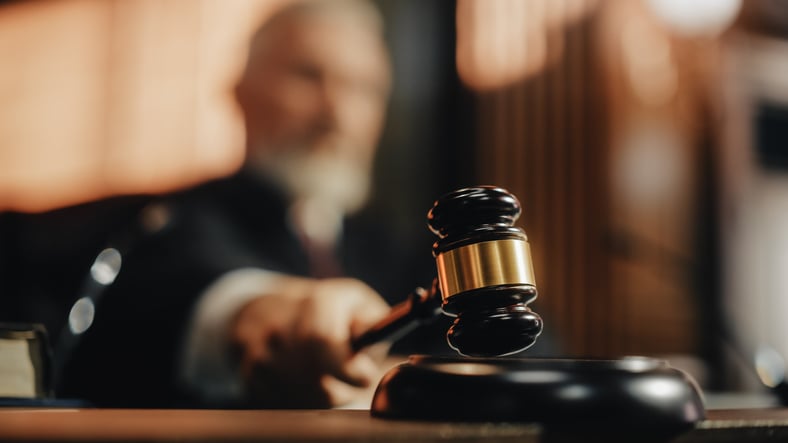
Courtrooms are places of serious business, where the rule of law is upheld, and photography is routinely prohibited. This restriction is in place to protect the privacy of those involved and to maintain the integrity of legal proceedings. Cameras can be seen as intrusive, and photographing witnesses, lawyers, or even the architecture could be disruptive. The expectation in a courtroom is one of decorum and respect, and snapping photos doesn’t align with that atmosphere.
Even outside the courtroom, it’s wise to be cautious with your camera. Some courthouses extend their photography bans to the entire building or property. If you’re keen to capture a memory of your day in court, many jurisdictions allow for sketch artists instead. It’s always best to check with the court’s administration beforehand or simply leave your camera at home. This ensures you’re respecting the legal environment and those within it.
7. Airports

Taking photos in airports might seem harmless, but it’s often restricted for security reasons. In many countries, photography near security checkpoints, customs areas, or even on the runway is prohibited. The Transportation Security Administration (TSA) in the United States notes that photography in certain restricted areas can raise security concerns and lead to unnecessary delays. For the safety of travelers and staff, it’s crucial to know where you can and cannot take photos.
While some airports have relaxed their rules in non-secure areas like shopping zones or lounges, it’s still important to be aware of your surroundings. Taking a quick picture without considering the context can unintentionally capture sensitive information or people who prefer their privacy. If you’re unsure, airport staff are usually available to clarify photography rules. Remember, your travels are about experiences, not just the photos you take along the way.
8. Military Bases

Military bases are high-security areas where photography is often heavily restricted or outright banned. The reasons for this are fairly straightforward: photos can inadvertently reveal sensitive information that could compromise national security. Even if you’re visiting the base for a public event or as part of a family tour, you’ll likely be asked to keep your camera away. In some cases, special permissions might be granted, but these are rare and often come with strict guidelines.
Additionally, capturing the likeness of military personnel without their consent can be seen as a violation of privacy. This is especially true during active operations or in areas where classified activities are taking place. The best approach when visiting a military base is to respect the rules and focus on the experience rather than documenting it. Those memories will be just as meaningful without a photographic record.
9. Government Buildings

Government buildings, particularly those involved in national security, often have strict rules against photography. This is largely to protect sensitive information and ensure the safety of both the public and government officials. While some areas like public lobbies might allow photography, it’s important to know the specific rules of each building. Even if you’re in an area that seems benign, there may be restrictions you’re not aware of.
It’s always a good idea to ask for permission before snapping any photos, especially inside or near government offices. Security personnel are often on high alert and may approach you if they see your camera out. Avoid any potential issues by being proactive in understanding the rules. This way, you can focus on the purpose of your visit without unnecessary distractions or concerns.
10. Hospitals
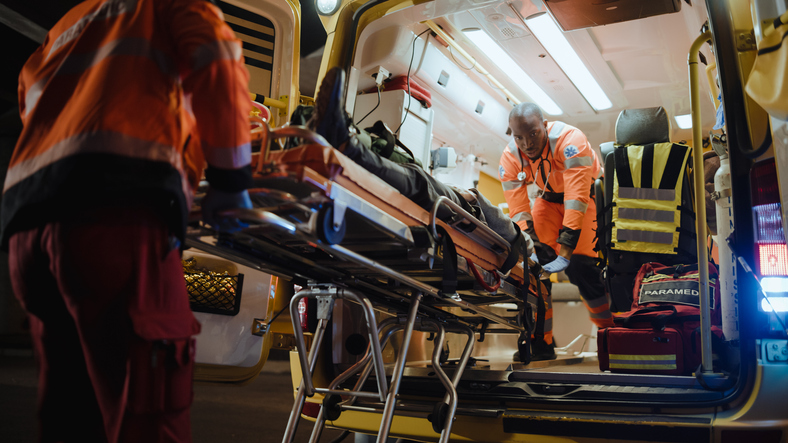
Hospitals are places where privacy and sensitivity are of utmost importance, making photography a delicate issue. Taking photos can infringe on patient confidentiality and disrupt the calm, healing environment these facilities strive to maintain. Hospital staff are vigilant about protecting the privacy of patients, and unauthorized photos can lead to serious privacy violations. Even if you’re there to visit someone, it’s important to keep your camera away unless you have explicit permission from both the hospital and the person you’re visiting.
In many cases, hospitals have clear signage prohibiting photography, particularly in sensitive areas like emergency rooms and intensive care units. These rules are not just about patient privacy but also about maintaining a focus on care and treatment. If you’re looking to capture a moment, consider doing so outside of the hospital premises. By respecting these rules, you contribute to the dignity and respect that all patients deserve in their time of need.
11. Private Homes

When visiting someone’s home, it’s essential to remember that their space is private, and photography rules vary greatly. While some people may be more than happy for you to take photos, others may consider it an invasion of their privacy. Before snapping away, always ask for permission and respect any boundaries they set. Taking unauthorized photos can strain relationships and make future visits uncomfortable.
It’s also important to consider the context of your visit. If you’re attending a private event or gathering, the host may have specific requests about photography to ensure everyone’s comfort. Always approach the situation with sensitivity and awareness, ensuring that your camera does not become an unwelcome guest. By being considerate, you’ll likely find that your hosts are more open to sharing their space and experiences with you.
12. Cemeteries
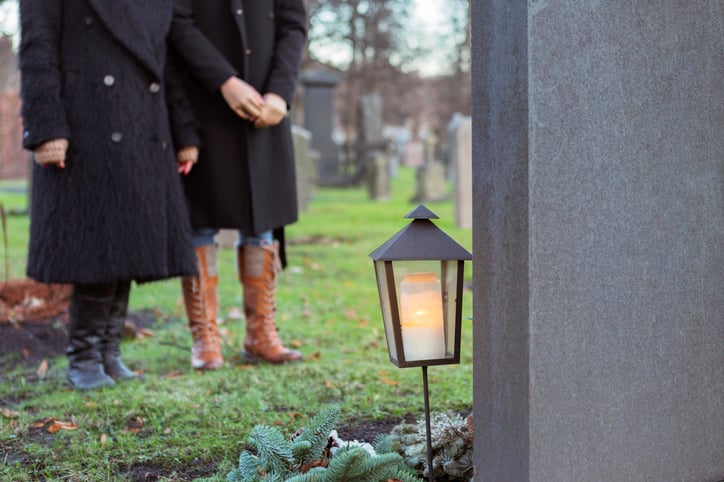
Cemeteries are often serene and reflective spaces, and photography can be a sensitive topic here. People visit these places to remember and honor their loved ones, and snapping photos can feel intrusive or disrespectful. While some cemeteries might allow general photography, it’s crucial to be mindful of those around you. Always consider the context and the potential impact of your actions on others.
If you’re visiting a cemetery with the intent to take photos, try to focus on landscape shots or historical sections without disturbing those who are grieving. Be aware of any signs that indicate specific rules or restrictions. It’s also polite to ask cemetery staff if you’re unsure about the photography policy. By approaching the situation with respect, you can capture the beauty of these spaces without compromising their sacred nature.
13. Schools

Schools are environments where the focus is on learning and development, and photography is often restricted to protect the privacy and safety of students. Unauthorized photos can inadvertently capture children or educational materials, leading to potential privacy violations. Most schools have specific policies in place, and visitors are usually required to adhere to these guidelines strictly. Always check with school administration before considering taking photos.
For parents and visitors, it’s important to respect these rules and focus on the reason for your visit. School events might have different policies, but permissions are usually required in advance. In any educational setting, maintaining a secure and respectful environment is the priority. By following the rules, you contribute to a positive and safe space for students and staff alike.
14. Wildlife Reserves
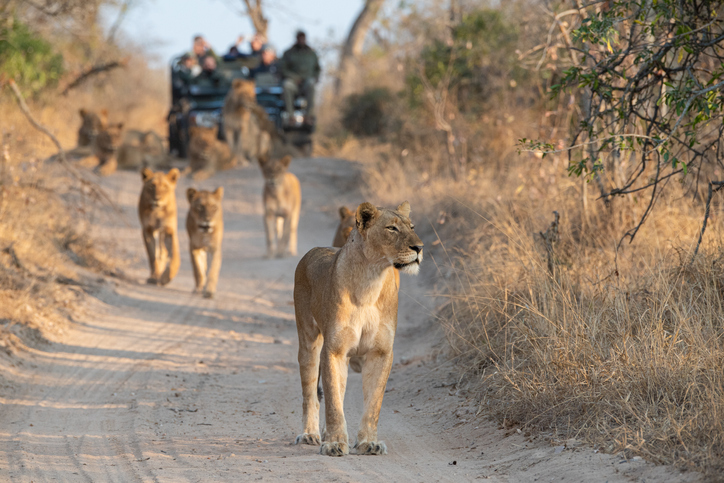
Wildlife reserves are dedicated to the protection and conservation of animal species, and photography can sometimes interfere with these efforts. While many reserves allow photography, there are often specific guidelines to minimize disturbance to the animals. Flash photography, for instance, can startle wildlife and disrupt their natural behaviors. It’s important to research the rules of each reserve before visiting to ensure you’re respecting the environment.
Being mindful of the impact your presence has on the animals is crucial. Staying at a safe distance and adhering to designated paths not only ensures your safety but also that of the wildlife. Always prioritize the well-being of the animals over capturing the perfect shot. Your respect and consideration for these guidelines contribute to the preservation of these precious ecosystems for future generations.


