

Remember those tales your grandparents used to tell, where life seemed both simpler and infinitely more complex? As it turns out, they had a repertoire of skills that kept life running smoothly and sustainably. While technology has made many tasks easier, we’ve lost touch with some of these foundational abilities that served our forebears so well. Here, we explore the forgotten skills that might be worth reclaiming, not just for nostalgia’s sake but for a richer, more resilient way of living.
1. Cooking Without Gadgets
Grandparents didn’t need a plethora of kitchen gadgets to whip up a hearty meal. They mastered the art of cooking with just the basics: a knife, a pan, and a decent sense of timing. Julia Child once said, “The only time to eat diet food is while you’re waiting for the steak to cook,” emphasizing the importance of cooking as a cherished process rather than a chore. Having this skill meant they could create amazing dishes with minimal waste and an eye for resourcefulness. Today, rediscovering this ability could help reduce kitchen clutter and reconnect us with the joys of cooking.
Imagine ditching the food processor and instead honing your knife skills to finely chop vegetables. It might take a bit longer, but the satisfaction of mastering such a fundamental skill could be rewarding. Plus, it’s a way to engage with your food more intimately, enhancing the cooking experience. It also teases out techniques that involve intuition over instruction manuals. Relearning to cook in this way encourages creativity and a deeper appreciation for food’s natural flavors.
2. Making Do And Mending Clothes

Our grandparents weren’t accustomed to fast fashion; they practiced the art of making do and mending. A torn shirt or frayed pants weren’t reasons to shop—they were opportunities to sew and repair. The result was a wardrobe that was cherished and personalized, full of items that told stories. Mending clothes taught patience and resourcefulness, features that are often absent in our current consumer culture. When you repair something yourself, it creates a connection to the garment, transforming it from disposable to meaningful.
Getting back to this art could reduce waste and our environmental footprint. You don’t need advanced skills to start—basic sewing techniques can be learned relatively quickly. Over time, small fixes can save money and extend the life of your favorite pieces. Plus, it encourages a sustainable mindset, valuing quality and longevity over quantity. The satisfaction of saving a piece of clothing from the landfill is deeply rewarding and incredibly practical.
3. Navigating Without GPS

Before the arrival of GPS, people relied on maps and their memories to find their way around. This skill demanded a keen sense of direction and the ability to read a map. According to Dr. Julia Mossbridge, a cognitive neuroscientist, navigating without technology can enhance spatial memory and cognitive flexibility. Our grandparents rarely got lost, even in unfamiliar cities, because they relied on landmarks and their surroundings to guide them. Rediscovering this skill could not only improve your sense of direction but also help you engage more deeply with your environment.
Learning to navigate without digital help encourages a deeper connection with the places you visit. It might seem daunting at first, but starting with small, familiar areas can build your confidence. Over time, this skill can enrich your travel experiences, making you more observant and aware. It also gives you the freedom to explore without the constant need to glance at a screen. Developing this ability might even lead to unexpected adventures and delightful discoveries.
4. Canning And Preserving Food

Canning and preserving food was once a staple practice to ensure sustenance throughout the year. Grandparents would spend days preparing jams, pickles, and sauces that captured the flavors of the season. This art not only preserved the harvest but also provided a sense of certainty and security. Today, many of us rely on supermarkets for out-of-season produce, losing touch with the rhythms of nature. Bringing back this skill could decrease reliance on store-bought goods and foster a more sustainable lifestyle.
The process of canning and preserving is a wonderful way to reduce food waste. By transforming surplus produce into delicious preserves, you’re making the most of nature’s bounty. Plus, homemade preserves often taste far superior to store-bought versions. Learning this skill can also become a social activity, involving family or friends in the process. It’s a way of passing down traditions while also instilling values of conservation and resourcefulness.
5. Writing Letters By Hand

In an era dominated by instant messaging, the art of letter writing has almost vanished. Our grandparents knew the value of a handwritten letter—it was a personal and thoughtful way to communicate. According to Dr. Jane Vincent, a visiting fellow at the London School of Economics, writing by hand can be meditative and improve emotional processing. The process involved time and consideration, reflecting genuine sentiment that digital messages often lack. Reclaiming this habit could enhance your relationships and provide a meaningful way to express emotions.
Writing letters by hand allows for a deeper connection with the recipient. It requires you to slow down and think carefully about what you want to say. This considered approach results in a more heartfelt message, something that can’t be replicated by a quick email or text. Additionally, receiving a handwritten letter can be a delightful surprise, cherished and held onto for years. It’s a practice that fosters mindfulness and a more intentional way of communicating.
6. Growing Your Own Food

The ability to cultivate and grow your own food is something many of our grandparents took for granted. They understood the seasons, the soil, and the plants that thrived in their local environment. This knowledge meant they could provide for their families with fresh, seasonal produce. Today, many are detached from where their food comes from, relying on supermarkets for year-round availability. Rediscovering this skill could foster a deeper connection with nature and provide rewarding self-sufficiency.
Starting a small garden, even on a windowsill, can reinvigorate this lost art. It’s a way to learn patience, as plants take time and care to grow. The satisfaction of picking your own herbs or vegetables is immense and can lead to healthier eating habits. Moreover, gardening is a stress-relieving activity that promotes physical and mental well-being. As you learn the rhythms of the natural world, you might also find joy in the simple act of nurturing life.
7. Making Bread From Scratch

Bread-making was a routine skill for many of our grandparents, a weekly ritual that filled their homes with comforting aromas. The process was about more than just sustenance; it was a therapeutic act that connected them to their food. According to bread expert Peter Reinhart, the act of kneading dough can actually be quite meditative and stress-relieving. In our fast-paced lives, we often overlook such simple, grounding activities. But returning to this age-old practice could offer both a culinary delight and a calming escape from daily stresses.
Making bread from scratch lets you appreciate the craft and science behind it. Unlike store-bought options, homemade bread allows for complete control over ingredients and flavor. Kneading and shaping dough by hand can become an enjoyable ritual, offering a sense of creation and accomplishment. It’s also a fun activity to share with others, whether teaching kids or baking with friends. The end result is not just a loaf of bread, but a testament to patience and skill.
8. Building And Fixing Things

Before the rise of assembly lines and flat-pack furniture, people often built or repaired their own belongings. This skill was about understanding materials and having the confidence to create or fix things from scratch. Whether it was a piece of furniture or a simple toy, the process involved creativity and problem-solving. Today, many of us lack this practical knowledge, opting instead for convenience over craftsmanship. Rediscovering this skill could empower you to create personalized, meaningful possessions instead of relying on mass-produced goods.
There’s a certain satisfaction in building something with your hands. It challenges you to learn new skills and think critically, fostering a sense of independence. Even small projects can build confidence and lead to a deeper understanding of design and function. Plus, repairing rather than replacing items reduces waste and supports a more sustainable lifestyle. By embracing this skill, you might find joy in the process of creating and a new appreciation for the things you own.
9. Keeping A Diary

Our grandparents often kept diaries as a way to record their thoughts, experiences, and aspirations. This habit wasn’t just about documentation; it was a means of self-reflection and mental clarity. In today’s digital world, where life moves at a breakneck pace, we often overlook the value of this quiet, introspective practice. Diaries allow us to slow down and process our emotions, fostering personal growth. Reclaiming this habit could provide a refuge in our busy lives, offering a chance to reflect and connect with ourselves.
Writing in a diary encourages mindfulness and fosters a deeper understanding of personal experiences. It’s a private space to explore thoughts without judgment, promoting emotional well-being. Unlike digital notes, a physical diary offers a tactile, sensory experience that can be incredibly grounding. Over time, these writings become a cherished record of your life’s journey. The process of putting pen to paper can be both therapeutic and enlightening, revealing insights you might otherwise overlook.
10. Bartering And Trading

Bartering and trading were once common practices that allowed people to exchange goods and services without using money. Our grandparents knew the value of community and mutual support, often swapping skills or products with neighbors. This system strengthened social bonds and ensured that everyone’s needs were met. Today, we rely heavily on monetary transactions, missing out on the personal connections that bartering fosters. Reviving this age-old practice could enhance community ties and offer a more personalized way of meeting our needs.
Engaging in barter requires trust and communication, fostering relationships within your community. It encourages a shift in perspective, valuing goods and services for their intrinsic worth rather than a price tag. Even small exchanges can create a sense of cooperation and mutual benefit. This practice also promotes resourcefulness, as people find creative ways to fulfill their needs. By participating in bartering, you might discover new skills or enjoy the satisfaction of helping others.
11. Foraging For Wild Foods
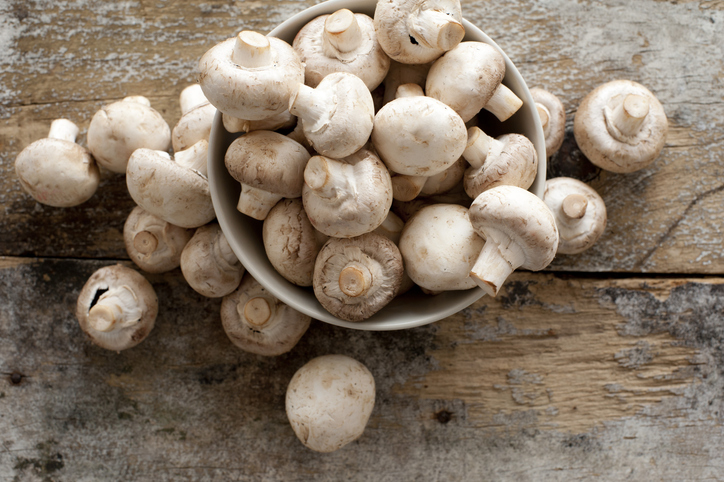
Foraging for wild foods was a skill that connected our grandparents to the land, allowing them to gather edible plants, berries, and mushrooms. This knowledge required an understanding of the natural environment and the ability to identify what was safe to eat. It encouraged a deep respect for nature’s bounty and an appreciation for seasonal abundance. Today, many people are disconnected from this practice, relying on cultivated produce instead. Rediscovering the art of foraging could foster a stronger connection to the land and offer a sustainable source of nourishment.
Learning to forage involves not only identifying edible plants but also understanding their habitats and ecosystems. This skill teaches patience and observation, encouraging a mindful approach to exploring the outdoors. Foraging can be a rewarding way to supplement your diet with nutritious, fresh ingredients. It also promotes a sustainable lifestyle, reducing reliance on commercial agriculture. Engaging with nature in this way can be both educational and fulfilling, providing a greater appreciation for the wild world around us.
12. Storytelling

Storytelling was an art form that our grandparents often excelled at, using it to entertain, educate, and preserve history. This skill wasn’t just about recounting events but crafting narratives that resonated with listeners. Through stories, people passed down traditions, values, and wisdom, creating a rich tapestry of shared experiences. Today, while we have countless digital platforms for storytelling, the magic of spoken word often gets lost. Reclaiming this tradition could enhance your communication skills and offer a meaningful way to connect with others.
Storytelling encourages creativity and imagination, allowing you to convey messages in a compelling and memorable way. It’s an engaging way to share experiences and foster understanding, bridging gaps between generations and cultures. Practicing this skill can improve public speaking abilities, boosting confidence in personal and professional settings. Sharing stories also strengthens relationships, creating bonds through shared laughter, wisdom, and emotion. By honing this art, you might discover the power of narrative in delivering your own unique voice.
13. Collecting And Using Rainwater

Collecting and using rainwater was a practical skill that allowed people to conserve resources and ensure a steady water supply. Our grandparents understood the importance of utilizing natural resources efficiently, especially in areas prone to drought. This practice not only conserved water but also reduced reliance on municipal systems. Today, as climate change impacts water availability, this forgotten skill could offer a sustainable solution to water scarcity. Reclaiming this practice could promote conservation and encourage a more thoughtful approach to resource management.
Setting up a simple rainwater collection system can significantly reduce water consumption. It’s an environmentally friendly way to irrigate gardens, wash cars, or even flush toilets. Rainwater harvesting also promotes self-sufficiency, providing a backup water source in times of need. This practice encourages mindfulness about water usage, a precious resource that’s often taken for granted. By embracing this skill, you might contribute to a more sustainable future, one drop at a time.
14. Making Herbal Remedies

For our grandparents, making herbal remedies was a way to harness nature’s healing properties and take control of their health. This knowledge was passed down through generations, rooted in tradition and observation. Today, many people turn to pharmaceuticals, often overlooking the benefits of natural options. Reviving the art of crafting herbal remedies could offer gentle, effective alternatives for common ailments. It’s a skill that promotes self-care and a holistic approach to well-being.
Exploring herbal medicine requires an understanding of plants and their properties. This practice encourages a deeper connection to the natural world, fostering respect and appreciation for its bounty. Making remedies at home can be empowering, offering personalized solutions tailored to your needs. It’s also a way to preserve traditional knowledge and promote biodiversity. By learning this skill, you might discover natural remedies that support health and wellness, complementing modern medicine.
15. Entertaining Without Screens

Entertaining without screens was once the norm, with people relying on games, music, and conversation to pass the time. Our grandparents often hosted gatherings where stories were shared, songs were sung, and games were played. This form of entertainment fostered community and connection, building lasting memories. Today, we often default to screens for leisure, missing out on the creativity and interaction that screen-free activities offer. Reclaiming this tradition could enhance relationships and provide a refreshing break from digital distractions.
Engaging in screen-free entertainment encourages social interaction and creativity. It challenges you to think of new ways to have fun, leading to more meaningful and memorable experiences. Sharing activities with family and friends can strengthen bonds and create a sense of community. It’s an opportunity to reconnect with old hobbies or discover new interests that don’t rely on technology. By embracing screen-free entertainment, you might find joy in simple pleasures and cultivate a more balanced lifestyle.


