

In the world of generational quirks, Gen Z is carving out its own lane with habits that leave other generations completely baffled. While every cohort brings its unique trends and behaviors, the youngest adults are truly a breed of their own. From digital savvy that borders on obsession to communication styles that defy traditional norms, Gen Z is redefining everything. And whether you find these habits endearing or infuriating, they are a fascinating glimpse into how our societal norms are evolving.
1. When They Go On A Digital Detox
Gen Z grew up with screens in their hands, so it’s no wonder they are always online. While this constant connectivity means they are incredibly informed, it can also be overwhelming for those who remember a time before Wi-Fi. According to a study from the Pew Research Center, 55% of Gen Z reports being online almost constantly. This kind of screen time can drive older generations, who value unplugging, up the wall. It’s not necessarily bad, just a sign that they’ve adapted to a digital-first world in ways others haven’t.
But don’t mistake their digital presence for mindless scrolling. Gen Z uses social media not just for fun, but also as a platform for activism and education. They are a generation of digital multitaskers, often juggling multiple apps simultaneously. Whether they’re coordinating a protest or sharing a meme, it’s all part of their day-to-day. While it might seem chaotic to folks who like to focus on one task at a time, for Gen Z, it’s just another Tuesday.
2. When They Leave You On Read

In Gen Z’s world, communication comes with its own set of rules. Leaving someone on read, where messages are seen but not replied to immediately, is one of them. Older generations might view this as rude, but Gen Z doesn’t see it that way. To them, constant availability isn’t a given, and they value their mental space. It’s a different approach to communication that can feel dismissive if you’re not used to it.
This doesn’t mean Gen Z doesn’t care about relationships or communication. They’re just more about quality over quantity, taking the time to respond thoughtfully rather than rushing. They might be more likely to use different platforms for different conversations, which can be confusing to people who prefer phone calls or emails. While it can be frustrating to wait for a reply, they see this as a more intentional way to interact. To Gen Z, communication is an art form that doesn’t always need to be immediate.
3. When They Use Slang You Can’t Decipher

Every generation has its own slang, but Gen Z has taken it to a new level. Their vocabulary is filled with phrases that can leave older folks scratching their heads, like “no cap” or “bet.” Linguist Dr. Lisa Davidson notes that the rapid evolution of slang in the digital age is partly thanks to platforms like TikTok, where trends can spread like wildfire. This fast-paced evolution makes it hard for anyone not in the loop to keep up. Yet, for Gen Z, this ever-changing lexicon is a badge of identity.
But before you dismiss it as gibberish, remember that language is always evolving. Gen Z’s slang is their way of carving out a cultural space that’s distinct from previous generations. It’s a form of expression that can be humorous, sharp, and even poignant. Sure, it can sound like a secret code, but it’s one that’s open to anyone willing to learn. This lexicon is a testament to their creativity and adaptability, even if it takes a little getting used to.
4. When They Act Like Sustainability Crusaders

For Gen Z, sustainability isn’t just a trend—it’s a lifestyle. They are champions of eco-friendly habits, often going to great lengths to minimize their carbon footprint. This can be puzzling to older generations who may not prioritize environmental concerns in the same way. Gen Z’s commitment to sustainability shows up in their choices, from thrifting clothes to embracing plant-based diets. It’s a level of dedication that can sometimes come off as judgmental to those who aren’t on the same page.
However, their passion for the planet is admirable and often backed by knowledge. Gen Z has grown up with climate change as a pressing issue, shaping their values and priorities. They are more likely to hold brands accountable for their environmental practices and opt for companies that align with their beliefs. This activism isn’t just performative; it’s ingrained in their daily lives. While it can seem intense, it’s a reflection of their hope for a better future.
5. When They Choose Flexibility As A Lifestyle

Gen Z values flexibility in all aspects of life, from work to leisure. The traditional 9-to-5 job is losing its appeal as they seek roles that offer remote work and flexible hours. This change can be tough for people who spent decades in structured work environments. A report by Dr. Sarah Johnson of the Future of Work Institute highlights that 74% of Gen Z workers value work-life balance more than a high salary. This shift in priorities reflects a desire for a career that complements their personal lives.
But flexibility isn’t just about work. Gen Z applies this mindset to their lifestyle choices, whether it’s schooling, relationships, or hobbies. They shun rigidity and embrace fluidity, wanting the freedom to explore and change. This can seem unreliable to people who prefer routine, but for Gen Z, it’s about maximizing potential and opportunity. Their approach might be different, but it’s grounded in a desire for a fulfilling and balanced life.
6. When They Use Memes As A New Cultural Currency
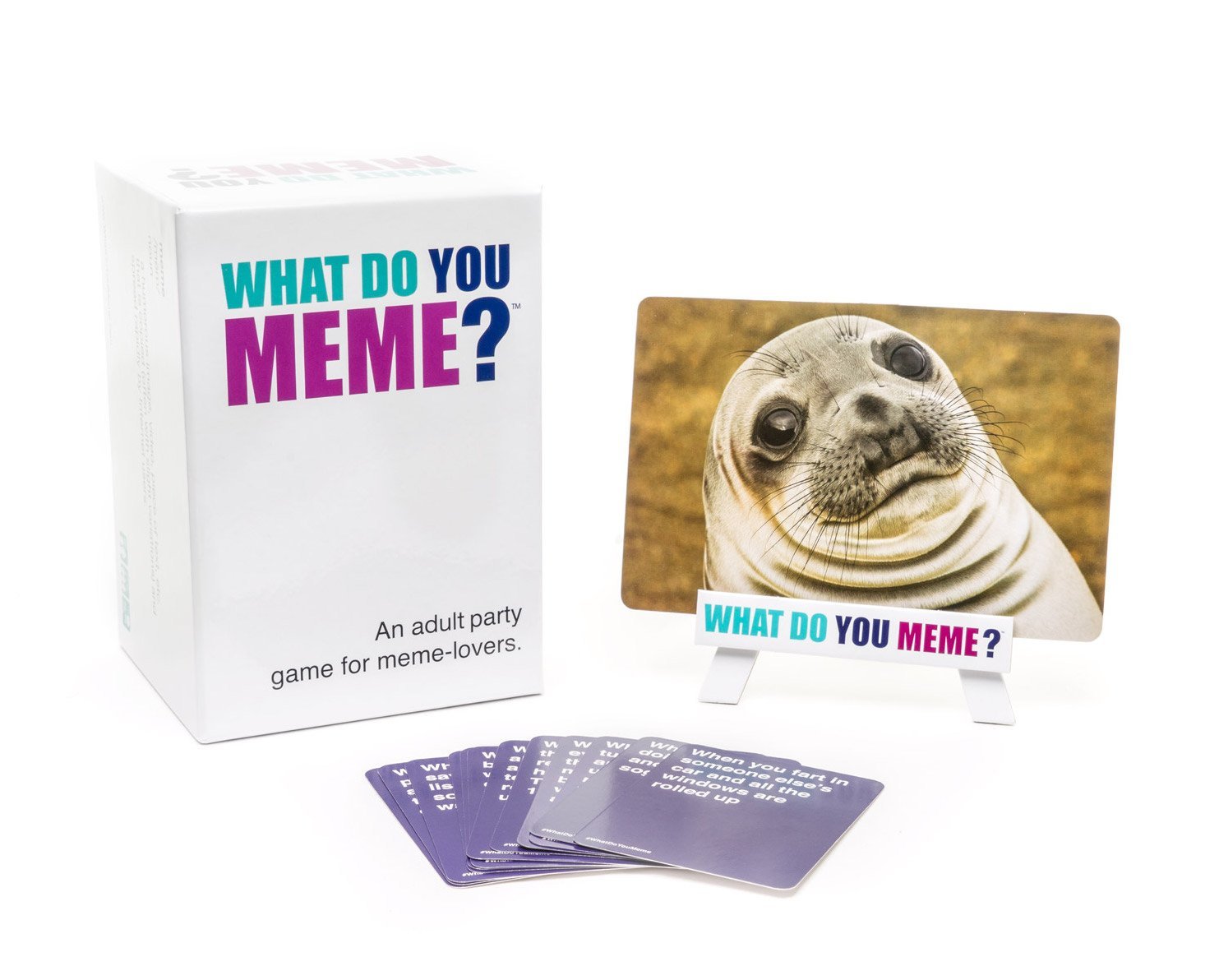
For Gen Z, memes are more than just funny images on the internet—they’re a language of their own. Memes can convey complex ideas and emotions, often with a touch of humor and irony. To those not immersed in meme culture, it can feel like an inside joke that’s hard to decipher. Yet, for Gen Z, memes are a powerful form of expression and community-building. They are used to comment on everything from politics to pop culture, creating a shared understanding among those in the know.
The appeal of memes lies in their simplicity and relatability. In just a few words or images, they can capture the essence of an experience or sentiment. Gen Z has mastered this art, using memes to engage with the world and each other in unique ways. They may seem frivolous, but they offer a snapshot into the collective psyche of a generation. Understanding memes is like gaining a passport to a vibrant, dynamic cultural landscape.
7. When They Champion New Side Hustles

Gen Z is all about the side hustle, constantly seeking ways to earn extra income beyond their primary job. This entrepreneurial spirit can be puzzling to those who grew up with the notion of a single, stable career. According to entrepreneur and career coach Alex Carter, 62% of Gen Z have started or plan to start their own business. This inclination towards multiple income streams reflects their desire for financial independence and creativity. It’s not just about money but also about pursuing passions and developing skills.
Side hustles range from freelance gigs to selling art online, showcasing their diverse interests. Gen Z sees work as multifaceted, with opportunities beyond traditional roles. This can be inspiring or exhausting, depending on your perspective. Older generations might worry about burnout, but Gen Z views these ventures as exciting and liberating. It’s a testament to their ambition and willingness to rewrite the rules of work.
8. When They Adopt An Ever-Evolving Digital Identity

To Gen Z, identity isn’t fixed but fluid, especially online. They constantly experiment with their digital personas, trying on different versions of themselves. This can be baffling for people who are used to more stable expressions of identity. Gen Z’s comfort with change can lead to frequent shifts in style, interests, and social circles. It’s a reflection of their willingness to adapt and explore the multifaceted nature of self.
But this fluid identity isn’t just about aesthetics or trends. Gen Z is deeply aware of how their digital presence impacts their real-world lives. They curate their online personas with care, understanding the power and potential of social media. While it might seem inauthentic, for Gen Z, it’s an ongoing journey of self-discovery. They see identity as something to be played with, refined, and redefined over time.
9. When They Claim To Choose Authenticity Over Perfection

Gen Z values authenticity over the polished perfection often seen on social media. They prefer content that is raw and real, embracing imperfections as part of the human experience. Older generations, accustomed to curated images, might find this trend refreshing or confusing. For Gen Z, it’s about breaking down the barriers of Instagram filters and photo edits. It’s a return to genuine connection and a rejection of unrealistic standards.
This pursuit of authenticity extends beyond social media. Gen Z wants realness in every aspect of life, from relationships to brands they support. They are quick to call out inauthenticity, demanding transparency and honesty. This can be confronting, especially for those used to putting on a brave face. However, it’s a crucial part of their values, prioritizing genuine interactions over superficial ones.
10. When They Become A Digital Activist

For Gen Z, activism and social justice aren’t just important—they’re essential. They harness the power of social media to advocate for causes they believe in, mobilizing support with impressive speed. This digital activism can be puzzling for older generations who engaged in activism through more traditional means. Gen Z’s approach is decentralized, dynamic, and often viral, making it incredibly effective. They know how to leverage their platforms to raise awareness and instigate real change.
But don’t mistake their online activism for slacktivism. Gen Z is deeply committed to their causes, often translating their digital efforts into real-world action. They attend protests, volunteer, and donate, making their activism comprehensive. While their methods may differ, their passion and dedication are unwavering. It’s a new era of activism, one that is inclusive, informed, and incredibly impactful.
11. When They Adopt A DIY Mentality

Gen Z is all about the DIY approach, preferring to do things themselves rather than rely on others. This can range from fixing a leaky faucet to creating their own fashion. It’s a form of self-sufficiency that can seem daunting or unnecessary to those who prefer professional help. Yet, for Gen Z, it’s about empowerment, creativity, and learning new skills. This hands-on approach is a way to assert control and ownership over their lives.
Their DIY mentality also reflects their resourcefulness and adaptability. They are quick to seek out tutorials and how-to guides, learning from the vast resources available online. This proactive attitude can be inspiring, showing that they are not afraid to get their hands dirty. It’s also a rejection of consumer culture, emphasizing experiences and skills over material possessions. While it can be challenging, it embodies their spirit of independence and innovation.
12. When They Praise The Power Of Influencers

Influencers are more than just online celebrities to Gen Z—they are trusted sources of information and inspiration. This reliance on influencers can be perplexing to those who grew up with traditional media and experts. Gen Z values the relatability and authenticity that influencers often provide, seeing them as peers rather than distant figures. This shift in who holds influence reflects a democratization of knowledge and authority.
But it’s not just about following trends. Gen Z is discerning, supporting influencers who align with their values and interests. They appreciate transparency and accountability, calling out those who don’t live up to their standards. This relationship with influencers is reciprocal, with Gen Z playing an active role in shaping the influencer landscape. It’s a partnership that reflects their desire for meaningful, impactful connections.
13. When They Escape Into Virtual Worlds

Gen Z is no stranger to the immersive world of video games and virtual reality. These digital landscapes offer them a form of escapism that can be confusing for those who prefer tangible experiences. For Gen Z, gaming isn’t just a hobby; it’s a community and a creative outlet. They embrace these virtual worlds as places to connect, compete, and create. This digital realm is a significant part of their social life, offering experiences that are both entertaining and enriching.
But gaming is more than just play. Gen Z sees it as a way to develop skills, from teamwork to strategy, that are applicable in the real world. They recognize the potential of virtual reality for education and exploration, pushing the boundaries of what’s possible. While it might seem like an obsession to outsiders, it’s a reflection of their innovative spirit. Gaming is a testament to their ability to blend technology with everyday life.
14. When They Take A Nonlinear Life Path

Gen Z is challenging the traditional life path, opting for nonlinear journeys filled with twists and turns. They are more likely to take gap years, change careers, or pursue unconventional education paths. This flexibility can be unsettling for those who followed a more predictable route. Gen Z values experiences and personal growth over rigid milestones, redefining success on their own terms. It’s a courageous approach that values exploration and self-discovery.
This nonlinear path is a response to an ever-changing world. Gen Z understands that the future is uncertain, making adaptability a crucial skill. They embrace change instead of fearing it, seeing each twist as an opportunity. While it might seem unstable, it’s a reflection of their resilience and openness to new possibilities. This approach to life is shaping a generation that is as adventurous as it is thoughtful.


