

Cleaning is one of those necessary chores that everyone has to deal with, but let’s be honest—sometimes it gets a little gross. Whether you’re a neat freak or a reluctant cleaner, there are things we all do that we might not be comfortable admitting. From questionable shortcuts to downright questionable choices, here’s a list of the 13 gross things you’ve probably done while cleaning and maybe fibbed about later. After all, cleaning is a battle, and in war, anything goes.
1. Using Dish Soap On Everything
You’ve probably reached for that dish soap bottle to clean more than just your dishes. While dish soap is incredibly versatile, it’s not always the ideal solution for every surface. For instance, using dish soap on wood floors could strip away protective finishes, according to cleaning expert Melissa Maker. Still, when you’re in the middle of a cleaning frenzy, it seems like a quick fix. You probably just forget to mention this little substitution.
Not to mention, using dish soap on upholstery or carpet can leave behind a residue that attracts more dirt. You might notice the spot you cleaned becomes dingy again much faster. It’s an ironic but annoying reminder of your quick fix. Eventually, you might end up using a dedicated cleaner for each surface. But until then, dish soap is your go-to solution, even if it’s not perfect.
2. Reusing Dirty Cleaning Cloths

When you’re in the zone, you might not think twice before reusing a cloth that’s already wiped up considerable grime. It feels like a waste to grab a new one, right? The truth is, reusing dirty cloths can spread germs instead of eliminating them. You notice the surfaces don’t feel as clean as they should but choose to ignore that small detail. It’s an ecologically conscious effort or a lazy one, depending on your narrative for the day.
The irony is, while you’re trying to save time or resources, you might actually be making more work for yourself. Using a dirty cloth can lead to streaks or leftover dirt particles that require another round of cleaning. But why admit to this when you can just replace the cloth right before anyone else sees it? You know it’s not ideal, but it’s a habit that’s hard to break.
3. Spraying Air Freshener On Musty Clothes

Sometimes, you open your closet only to be greeted by the unmistakable smell of must. Rather than washing everything, you might just grab an air freshener and let loose. According to a study published by the Journal of Environmental Psychology, the use of air fresheners can mask odors but doesn’t replace proper cleaning. Spraying air freshener might cover the scent temporarily, but it doesn’t remove the underlying problem. Still, it feels like a quick win when you’re short on time.
Problem is, you’re not dealing with the root cause, just glossing over it. Not to mention, the mix of must and fragrance can create an even more peculiar aroma. You tell yourself you’ll wash the clothes later, but somehow later never comes. It’s a temporary fix, sure, but one that lets you close that closet door without a second thought.
4. Ignoring Under The Couch

Out of sight, out of mind seems the mantra when it comes to the space under your couch. It’s easy to ignore, especially when you have bigger areas to tackle. You might think it can’t be that bad, but once you do check, the dust bunnies tell a different story. Yet, admitting to never checking under there? That’s a different ball game. The bridge between knowing something is there and actually addressing it is one you might not always cross.
This area is a dust magnet, with all sorts of random objects rolling under there. It’s a treasure trove of lost items, but it’s also an allergy-triggering mess. The funny thing is, you tidy up the visible spaces and feel satisfied with your efforts. Meanwhile, the hidden mess remains untouched. One day, you’ll get to it, but that’s a promise often broken.
5. Rinsing Off Moldy Dish Sponges

Dish sponges can turn into germ factories very quickly, yet you might find yourself simply rinsing them out instead of replacing them. It feels wasteful to toss them too soon, but science says otherwise. According to microbiologist Dr. Charles Gerba, kitchen sponges can host a shocking amount of bacteria, potentially more than your toilet seat. Rinsing doesn’t eradicate the bacteria; it merely spreads it around. Still, you tell yourself rinsing is enough for now.
The sad truth is, those nasty germs find their way onto your ‘clean’ dishes. You might think you’re being frugal, but in reality, this is penny-wise and pound-foolish. You know the right thing to do is to replace that sponge regularly, but somehow you never remember when it’s time. Until then, it’s rinse and repeat, literally.
6. Vacuuming Before Dusting

It’s easy to get ahead of yourself and start vacuuming before dusting. The vacuum is more satisfying, it feels like you’re really getting somewhere with your cleaning. But dusting after means all that dust just redeposits back onto your freshly vacuumed floors. You might not see it, but it’s there, undoing your hard work. You tell yourself next time you’ll do it the right way, but old habits die hard.
It’s a common misunderstanding that leads many to wonder why their rooms don’t feel as clean as they should. It’s like running a marathon only to find out you took a wrong turn near the finish line. This oversight isn’t something you’ll likely admit to when questioned about your cleaning prowess. It’s a secret that stays between you and your vacuum cleaner.
7. Using Water For Every Stain
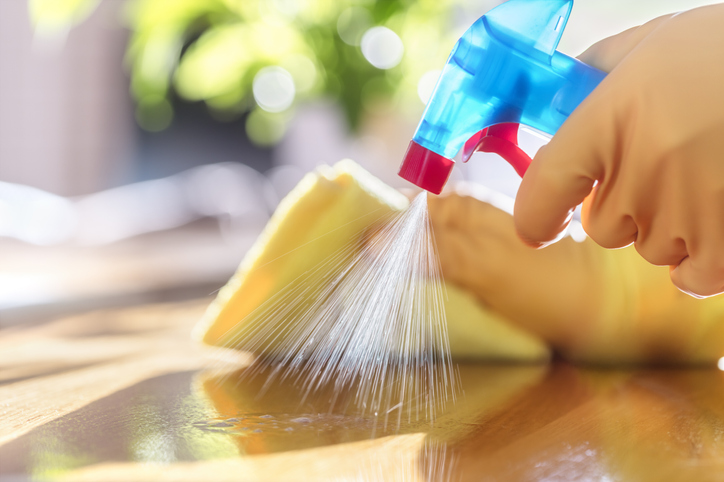
Water is a universal solvent, but it’s not a miracle worker for every stain. Many people pour water on stains instinctively, regardless of what caused them. This isn’t always the best strategy, says stain-removal expert Jolie Kerr, as some stains need specific treatments or else they set in. But it’s the first solution that comes to mind, and you run with it. You prefer to deal with the consequences later, a classic case of immediate gratification winning out.
Water can actually make some stains worse, spreading them instead of lifting them. Wine, ink, and even mud require more than just a splash of water. You know deep down that a proper stain remover is the answer, but somehow they never seem to be on hand when disaster strikes. It’s easier this way, even if it means more work later. For now, water it is.
8. Ignoring The Trash Can Odor

It’s the smell you notice every time you walk by, yet somehow it never makes it to the top of the cleaning list. Sure, you take out the trash, but what about the container itself? That lingering odor can be a stubborn guest long after the garbage has been taken out. You might just convince yourself it’s “not that bad” and move on to other tasks. Denial isn’t just a river in Egypt; it’s also a cleaning tactic.
It’s funny how easily you can adapt to unpleasant smells. It becomes a part of the background, a faint annoyance that you’ve come to accept. You know a quick rinse and a little disinfectant would solve the problem, but that requires effort. So you let it slide, again and again. Maybe next week.
9. Only Cleaning Around Things

When time is short, the temptation to clean around things rather than move them is strong. It seems efficient, a quick win when you’re pressed for time. But those little corners and under spots start to accumulate dirt, and before you know it, they’ve become micro-dust jungles. You might have a spotless home on the surface, but those little areas tell a different story. You skip mentioning that detail when you get compliments on your cleaning prowess.
It’s a bit like sweeping things under the rug, literally. You know you’ll have to tackle it someday, but today is not that day. So you move on, ignoring the small scale messes for the sake of a bigger picture. It’s an oversight that’s easy to justify, but you know it’s not the most thorough approach. Still, it gets the job done, right?
10. Wearing The Same Gloves For Everything

Gloves are a great barrier against grime, but not when they’re doing double duty in the kitchen and bathroom. It’s a cringe-worthy habit, yet one that’s easy to overlook. You might think a quick rinse will do the trick, but germs have a way of sticking around. You know it’s not the best practice, but when you’re in a cleaning groove, it seems like an acceptable trade-off. Yet, it’s a mental note you make to buy more gloves next time.
Cross-contamination is real, and it’s something that could make you reconsider this habit. You’re trying to keep things clean but might actually be spreading more germs around. It’s easy to forget until someone else points it out, and suddenly the mental note becomes a priority. But until that happens, you’re stuck in the cycle of rinse and reuse. It’s not ideal, but it’s convenient.
11. Forgetting To Clean The Cleaning Tools

After a long cleaning session, the last thing you want to do is clean the tools you used. It feels like an added chore when you’ve already done so much. But those mops, brooms, and dusters hold onto dirt like it’s their job. You might notice they’re not as effective after a while, but it’s a task that’s easy to ignore. You don’t mention it, hoping nobody else notices either.
This oversight can make your next cleaning session less effective, as you’re essentially spreading old dirt around. It’s the classic case of not practicing what you preach. Clean the house, but forget the tools; it’s a mindset that many share but rarely admit. You know you should clean them regularly, yet somehow it always slips your mind. It’s a cycle that continues until the tools are beyond saving.
12. Flushing Mystery Substances

When you find something mysterious and gross, the easiest solution seems to be flushing it away. It’s a quick fix, offering immediate relief from whatever you’ve uncovered. But plumbing experts warn against flushing anything other than toilet paper and human waste. You know it’s a risk, but in the moment, the thrill of getting rid of the item outweighs the consequences. It’s a gamble you take more often than you’d like to admit.
Flushing things can lead to plumbing problems down the line, a reality you choose to ignore. You might convince yourself that it’s a one-time thing, but it rarely is. The habit becomes part of the routine, a secret you keep even from yourself. Until the day it all comes back to haunt you, you live blissfully in denial. Out of sight, out of mind.
13. Turning A Blind Eye To The Microwave Splatter

The microwave is like a silent witness to quick meals and hurried breakfasts, and it bears the splatters to prove it. Somehow, it’s easy to overlook those stains, convincing yourself they can wait until later. But those splatters only get harder to clean with time. You know it’s not ideal, but when you’re in a rush, you close that microwave door and move on. It’s a task for future you to deal with, not present you.
The problem is, future you is just as busy as present you. The cycle continues, and those old stains become part of the microwave’s decor. You might even get used to the sight, convincing yourself it’s not as bad as it looks. But in the back of your mind, you know it’s something that needs addressing. One day, you promise, but not today.


