

Washing machines are one of modern life’s greatest conveniences, but they aren’t a catch-all solution for cleaning everything you throw at them. Sometimes, mixing items in the wash can result in laundry disasters that leave you puzzled. To prevent accidental damage and keep your clothes in top shape, here’s a practical guide on things you should absolutely avoid tossing in the washing machine together.
1. Delicates And Heavyweights
Mixing delicate fabrics like silk with heavyweight items such as jeans is a recipe for disaster. The weight and friction of heavy garments can tear or wear down the finer threads of delicate fabrics. According to textile expert Jane Smith, delicate items should be washed separately on a gentle cycle to preserve their integrity. Overloading the washer with mixed fabrics can also lead to uneven cleaning and additional wear and tear. Treat your delicates with care they deserve and save them from the heavyweight clash.
Moreover, the abrasive nature of denim and other heavy fabrics can cause pilling or snagging on delicate clothes. These damage signs not only ruin the appearance but also shorten the lifespan of your precious garments. Sometimes, the damage might not be immediately visible, but the repeated beating in the wash will eventually take its toll. Consider using fabric bags or hand washing delicate items if you’re keen on maintaining their pristine condition. Your garments will thank you for the extra attention.
2. Towels And Denim

Towels and denim might seem sturdy enough to withstand a washer’s cycle together, but the truth is far from it. Towels are lint-rich, and mixing them with jeans results in lint transfer that can be a headache to remove. Denim, on the other hand, can shed dye in the wash, leading to unwanted discoloration of your towels. This color exchange could leave your towels looking less than fresh, especially after multiple washes.
Additionally, both towels and jeans are thick and absorbent, which can put a strain on your washing machine. This added weight can make your washer work overtime, potentially leading to mechanical issues down the line. It’s also worth noting that the lint from towels can get trapped in denim’s seams, making them challenging to clean thoroughly. For the best results, keep these two fabric titans in separate laundry loads. Your machine—and your sanity—will appreciate it.
3. Socks And Sweaters

Socks and sweaters may look like they belong in the same cozy category, but they have different laundry needs. Sweaters, often made from wool or other natural fibers, require gentle handling to avoid shrinkage or felting. According to a study published by the Textile Research Journal, wool fibers can interlock under agitation, causing irreversible damage. Socks, however, are usually synthetic and can create friction leading to pilling on the sweater’s surface. For best results, separate your socks and sweaters before hitting the wash button.
Moreover, the spin cycle can stretch out sweater cuffs while socks can become twisted and lose their shape. Sweaters deserve gentle care to maintain their shape and texture, while socks can handle a rougher tumble. Taking the time to separate them will extend your garments’ longevity and keep them looking their best. It’s a simple step that can save you from unnecessary wardrobe headaches. So, keep your sweaters snuggled up in their own load, free from sock interference.
4. Zippers And Everything Else
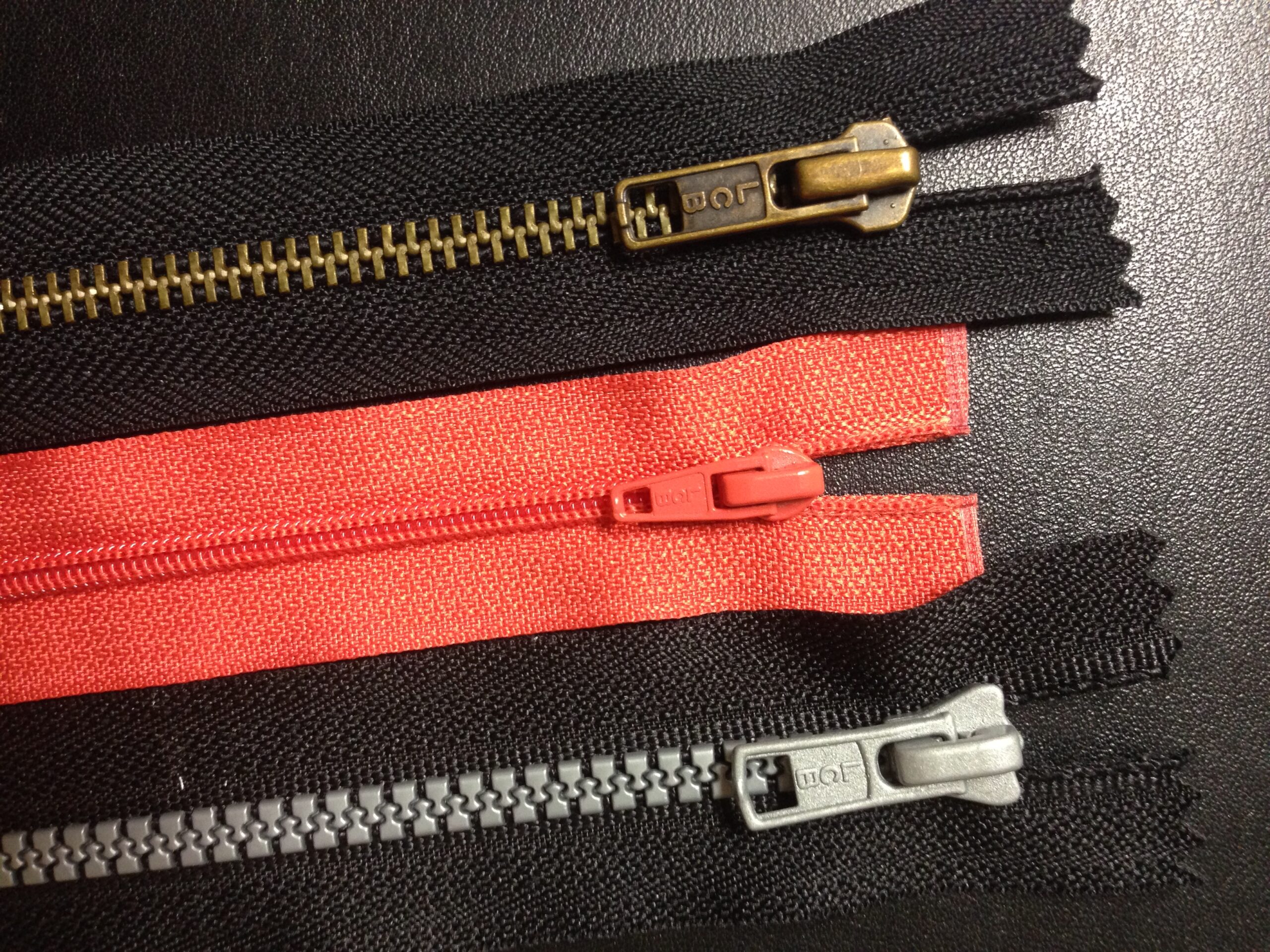
Zippers have a sneaky way of turning from handy fasteners to fabric enemies in the wash. When left open, they can snag or scratch other garments in the load, leading to tears and visible damage. The metal teeth can also rub against delicate fabrics, causing permanent marks and abrasions. This might be especially problematic for lighter, thinner fabrics that can’t hold up to the friction.
Moreover, the clinking noise of metal zippers hitting the washer drum isn’t just annoying; it’s damaging to the machine itself. Over time, these repeated collisions can wear down your washer’s drum, leading to costly repairs. To minimize risk, always zip up garments before tossing them in the wash. If you have especially delicate items, consider using a mesh bag or turning them inside out for added protection. Your clothes and your machine will benefit from this small but impactful step.
5. Fluffy And Furry

Mixing fluffy towels with furry items like fleece jackets can result in a lint storm. The tiny fibers shed from towels can cling to fleece or other synthetic materials, leaving them looking messy and unkempt. According to laundry care specialist Sarah Thompson, certain fabric types attract more lint than others, and fleece, in particular, is notorious for it. This lint adherence not only affects aesthetics but can also clog up the fabric, making it less breathable.
Furthermore, over time, this mix can lead to a buildup of lint in your washing machine, impacting its efficiency. The more lint your machine has to deal with, the less effective it becomes at cleaning. Fleece and similar fabrics also tend to hold onto lint more tenaciously, making removal a tedious task. For a clean and lint-free result, it’s best to wash fluffy towels separately from furry items. A little strategic sorting can save you from the hassle of dealing with lint-covered clothes.
6. Printed Tees And Anything With Velcro
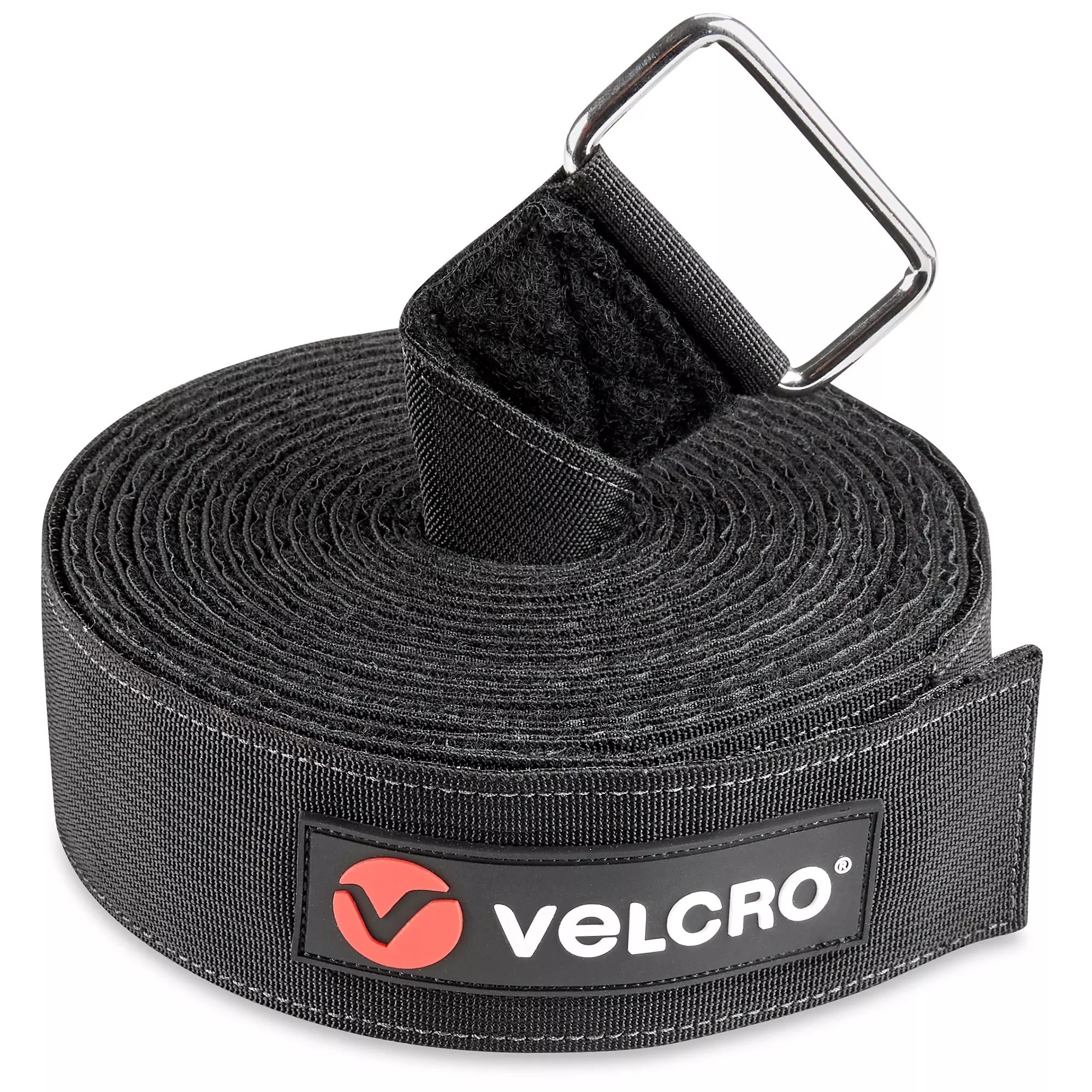
Printed tees and Velcro might not seem like a disastrous duo, but they are. Velcro can easily latch onto the delicate prints and embellishments on tees, peeling them away. This unwanted adhesion not only damages the design but can also weaken the fabric underneath. Threads can be pulled out of place, leaving your favorite tee looking worn before its time.
Additionally, the Velcro can collect lint and debris, which can be transferred to your tees. This can create unsightly fuzz balls and compromise the overall appearance of your clothes. To avoid these issues, it’s wise to separate Velcro-laden items from printed garments. Alternatively, close up the Velcro before washing to reduce the risk of damage. Consistent care can help maintain the quality and look of your printed tees.
7. Swimsuits And Denim
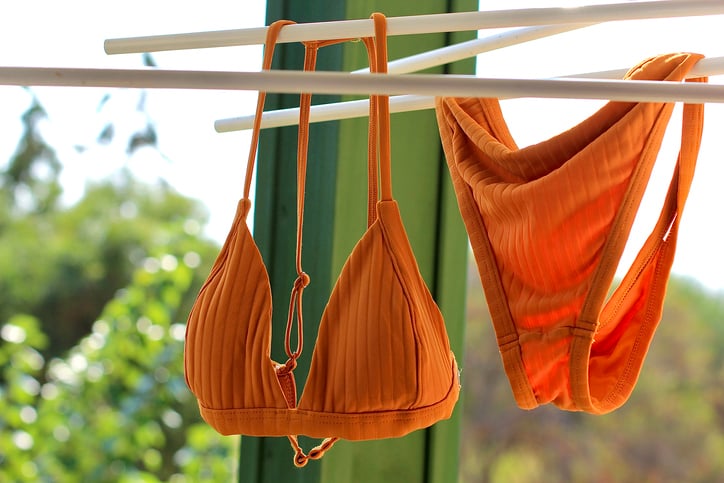
Swimsuits and denim have vastly different care requirements that clash when laundered together. The chlorine, salt, and sunscreen residues on swimwear need to be treated with a gentle hand, while denim requires a more robust clean. According to Dr. Marie Johnson, a fabric care scientist, the elastic fibers in swimsuits can degrade quickly under harsh conditions. Denim’s rough texture can cause the delicate fibers in swimwear to fray or snap.
Furthermore, swimsuits need to retain their shape and elasticity, qualities that are compromised when washed with heavier denim. Denim can also bleed dye, which may discolor the vibrant hues of your swimwear. To preserve the life and look of both items, wash them separately with the appropriate cycle settings. Treating your swimsuits with care ensures they remain stretchy and vibrant for many summers to come.
8. Bras And Jeans

Bras and jeans might seem durable enough to survive a shared wash, but their differences can lead to wear and tear. The metal hooks and underwires in bras can snag on the rough denim surface, leading to fabric damage on both items. Additionally, the weight of jeans can crush bras, deforming their shape and compromising support. This can lead to costly replacements far sooner than necessary.
Moreover, bras require a delicate touch to maintain structural integrity and elasticity. When washed with heavy jeans, they undergo unnecessary stress that can weaken fabric and stitching. For best results, wash bras separately or in a mesh bag on a gentle cycle. Giving your lingerie the special attention it deserves will prolong its lifespan and maintain its fit. It’s a worthwhile investment for both your wardrobe and comfort.
9. Lace And Velcro

Lace items paired with anything Velcro-equipped is a surefire way to destroy intricate detailing. The tiny hooks on Velcro can easily latch onto lace, pulling threads and causing unsightly tears. What was once a delicate and beautiful fabric can quickly become tattered and worn. This kind of damage is often irreparable, so it’s crucial to avoid this pairing.
The friction caused by Velcro can also wear down the delicate fibers of lace, making it look old and frayed. Even if the Velcro doesn’t directly catch on the lace, the rough washing environment can lead to significant wear. Separate lace garments from Velcro to maintain their beauty and intricacy. Handling lace with care ensures that its elegance remains intact for future wear. It’s a simple step to save your delicate pieces from a rough encounter.
10. Clothes With Elastic And Heavy Items

Elasticated clothing, like leggings and sports bras, need special treatment when it comes to laundering. Mixing them with heavy items such as towels or jeans can cause the elastic fibers to stretch out or snap due to the added weight. The constant tugging and pulling during a wash cycle can lead to permanent loss of elasticity. This means saggy waistbands and baggy leggings that no longer fit as comfortably as they should.
Also, heavy items can crush elasticated clothes, leading to deformation. Elastic fibers degrade when subjected to harsh conditions, including high temperatures and aggressive agitation. For best results, wash elasticated clothing on a delicate cycle and avoid mixing them with heavy garments. This ensures that your stretchy clothes keep their shape and fit, wash after wash. A little extra care goes a long way in preserving elasticity and comfort.
11. Embellished Clothes And Zippers

Embellished garments adorned with beads, sequins, or embroidery deserve careful handling. When washed alongside clothes with zippers, these embellishments can get caught, leading to potential ripping or loss of decorative elements. The rough edges of zippers can also scratch the surface of embellishments, dulling their sparkle. This can result in a once-vibrant garment looking lackluster and worn.
Additionally, the pressure exerted during a spin cycle can cause embellishments to loosen and fall off. The more intricate the embellishment, the more fragile it tends to be. Protect your embellished clothes by washing them separately or placing them in a mesh laundry bag. This ensures that their beauty remains intact and they continue to shine. Handling embellished garments with care is key to their longevity.
12. Fuzzy Sweaters And Jeans

Fuzzy sweaters may look cozy, but when paired with jeans in the wash, they face a rough ride. The abrasive nature of denim can cause the soft fibers of sweaters to pill or fray. Over time, this wear and tear can leave your sweaters looking worse for wear. What was once a comfortable and inviting sweater becomes a garment you’d rather leave at the back of your closet.
Moreover, jeans can shed dye, which might transfer onto your light-colored sweaters, leading to unwanted discoloration. The rough and tumble nature of a wash cycle amplifies this risk, especially with differing fabric textures. To keep your fuzzy sweaters in top shape, wash them separately on a gentle cycle. A little extra attention ensures they remain cozy and appealing for much longer. Saving them from denim’s abrasive touch is an easy way to extend their life.
13. Fleece And Velcro

When fleece and Velcro meet in the wash, the outcome is rarely pleasant. Velcro’s tiny hooks can catch on fleece fibers, leading to both visible damage and a reduction in fabric stability. Over time, this can result in unsightly pulls and a diminished comfort level of your fleece items. The more frequently this happens, the harder it becomes to restore the original look and feel.
The constant tugging from Velcro can also cause fleece to pill, reducing its softness and aesthetic appeal. This wear and tear not only affects the visual aspect but also the functional properties of fleece. To avoid these issues, keep fleece away from Velcro in the wash. Taking this precaution helps preserve the plushness and warmth of your fleece garments. A small step that prevents a laundry paradox from unravelling your clothes.


