

Washing towels seems straightforward enough, right? Toss them in the machine, add detergent, and you’re good to go. But, mixing towels with other laundry could be a recipe for disaster. Here’s a list of things you should avoid washing with your towels to keep everything in tip-top shape.
1. Delicate Fabrics
Towels are made from thick, absorbent materials designed to soak up water and dry you off efficiently. When mixed with delicate fabrics like silk or lace, the roughness of towels can cause damage. This could result in your fine fabrics ending up snagged, pilled, or worse, torn. According to textile expert Dr. Lina Younes, it’s crucial to separate heavy items like towels from delicate pieces to preserve their longevity. Keep your silks and delicate materials separate to ensure they last longer and maintain their appearance.
Your delicate clothing deserves special attention, separate from the heavy-duty wash cycle your towels endure. The hefty nature of towels can overpower lighter materials, diminishing their quality over time. Washing them together might seem efficient, but it compromises the integrity of your finer fabrics. Instead, wash delicate items on a gentle cycle with like fabrics to preserve their pristine condition. Keeping these separate is a small step that can make a big difference in maintaining your wardrobe.
2. Gym Wear

Gym wear is designed to handle sweat and stretch, making it quite different from your average bath towel. The stretchy, moisture-wicking materials used in athletic clothing aren’t compatible with the thick, absorbent nature of towels. When washed together, towels can leave lint all over your gym clothes, making you look less put-together than you’d like. Additionally, gym wear often requires a lower temperature wash to maintain its elasticity and moisture-wicking properties. Separate laundry loads ensure both your towels and gym wear stay in top shape.
The care instructions for gym wear and towels generally differ, making it important to wash them separately. Washing gym clothes with towels can lead to unwanted pilling and can degrade the performance fabrics over time. Towels require a hotter wash to eliminate bacteria, which can be too harsh for your gym clothes. Keep these items separate to ensure your gym wear remains vibrant and effective. Your post-workout routine will thank you for the extra attention to detail.
3. Jeans

Jeans and towels may seem like they could handle being washed together due to their durability, but that’s not the case. The heavy-duty nature of denim is quite rough, and when combined with towels, it can lead to increased wear and tear. Research from the University of Alberta’s Textile Department suggests washing denim separately to prevent unnecessary friction and fading. Jeans can also bleed color, particularly when new, which can transfer onto your pristine towels. Keep your jeans looking sharp and your towels fluffy by keeping them out of the same wash.
Additionally, mixing these two fabrics in the wash can cause both to lose their prime qualities. The rough texture of jeans can break down towel fibers over time, reducing their absorbency. Meanwhile, towels can cause lint transfer onto jeans, which is never a stylish look. Protect both your towels and jeans by washing them in separate loads. This simple step can extend the life of both your favorite pair of jeans and your favorite towels.
4. Bright Colored Clothes

Towels are notorious for being lint magnets and when combined with bright colored clothes, this can become a visible problem. The lint from towels can cling to your vibrant clothes, dulling their appearance. There’s also the risk of color bleeding, especially if you’re washing new items. Bright clothing often requires a delicate wash to maintain their hues, something a towel-heavy cycle can’t offer. Keeping these items separate is key to ensuring your clothes stay bright and beautiful.
Bright colored clothes deserve a wash that’s gentle on their dyes and fibers. Mixing these with towels can lead to color transfer and lint buildup that dulls their vibrancy. Towels often require a wash cycle and detergent formulation that bright colors don’t fare well with. Avoid mixing these two to prolong the life and look of your colorful wardrobe staples. It’s a small laundry step that can have a significant impact on your clothing’s lifespan.
5. Bath Mats

Bath mats may seem like they belong with towels, but they have very different washing needs. Towels are typically washed in hot water to kill bacteria, while bath mats often have a rubber backing that can be damaged by high temperatures. According to lifestyle expert Marla Cilley, washing bath mats separately helps preserve their longevity and function. The heavy nature of bath mats can also create imbalance in the washer, potentially damaging both towels and the machine itself. Give bath mats their own cycle to ensure they stay intact and fresh.
Washing bath mats with towels can lead to a multitude of issues, including wear and tear on both items. The rubber backing on many bath mats can break down under high-heat conditions, which are necessary to properly clean towels. Separate washing prevents potential damage to your washer caused by the heavy combination of these two items. Additionally, towels can emerge covered in unwanted fibers from bath mats. Keep them separate for a cleaner, more efficient wash.
6. Zippered Items
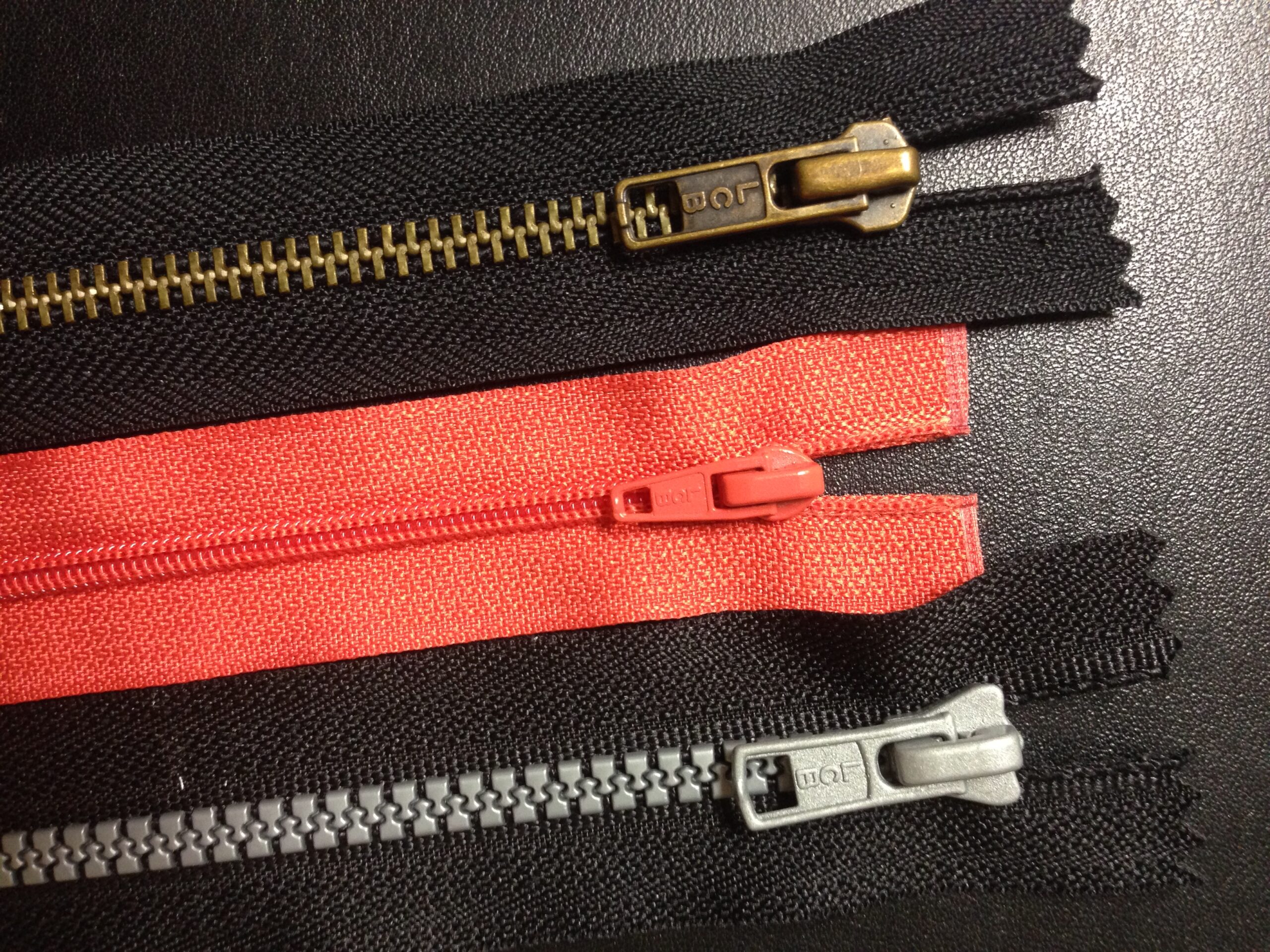
Zippers may not seem like a big deal, but they can wreak havoc in a laundry load that includes towels. When washed together, metal zippers can snag towel fibers, causing pulls and tears. This is especially true in a crowded washer where items are tightly packed. Besides damaging your towels, the zippers can also scratch or damage the drum of your washing machine. To avoid these issues, wash zippered items separately or ensure they’re fully closed.
The abrasiveness of zippers poses a significant risk to the integrity of your towels. Mixing these two could shorten the lifespan of your towels significantly. Towels can end up with small holes or tears, making them less effective over time. Keeping these items separate is a straightforward way to prolong both the life of your towels and prevent damage to your washer. Your peace of mind and laundry room essentials will thank you.
7. Polyester Items

Polyester items and towels don’t mix well in the wash for a number of reasons. Towels, being cotton, produce lint during the washing cycle that often adheres to polyester items. As shared by fabric scientist Dr. Carol Young from the Textile Institute, polyester’s smooth texture attracts lint more than natural fibers. Additionally, polyester requires a gentler wash cycle than towels to maintain its integrity. Keeping these items separate will help both your towels remain absorbent and your polyester items lint-free.
The difference in fabric texture and washing requirements means polyester and towels are better off apart. Towels can lose their fluffiness when washed with polyester due to the friction between different fibers. Polyester items can also end up looking worse for wear with lint clinging to them post-wash. By washing these items separately, you extend the lifespan of both fabric types. It’s a simple laundry shift that keeps both towels and polyester looking their best.
8. Clothes With Embellishments

Clothing with embellishments needs careful handling, which towels are not equipped to provide. Beading, sequins, and embroidery can be easily snagged by towel loops, leading to damage. The roughness of towels can wear down embellishments, stripping them of their intended beauty. Washing these items separately will ensure your embellished clothing retains its charm and detail. A separate cycle for these delicate items can help maintain their appearance and integrity.
Embellished clothing should be treated with extra care, and mixing them with towels is a recipe for disaster. The tough texture of towels can scratch and ruin embellishments over time. Washing them separately ensures that embellishments remain securely attached and look fresh. It’s a simple act that can keep your clothing looking new and save you from potential wardrobe malfunctions. Take the time to sort your laundry and give your embellished pieces the care they deserve.
9. Swimwear
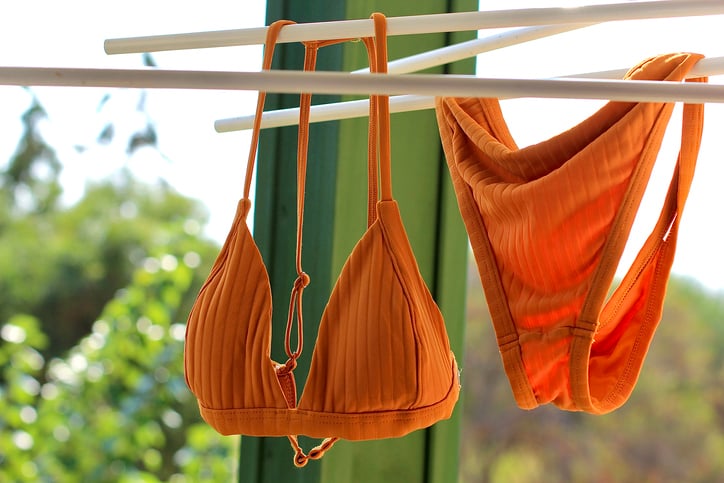
Swimwear requires a gentle touch, particularly after being exposed to chlorine or saltwater. Towels, on the other hand, need a robust cycle to rid them of dirt and bacteria. Washing swimwear with towels can lead to damage in their delicate fibers and elasticity. The heat needed to properly clean towels can also degrade the stretchy materials in swimwear. Provide the gentle care swimwear deserves by washing it separately.
The flimsy nature of swimwear makes it ill-suited to withstand a towel-heavy wash cycle. Towels can cause pilling and snags on the smooth surface of swimwear. The heat and agitation in a towel-wash cycle can wreak havoc on swimwear, reducing its lifespan. Maintaining swimwear’s shape and color is best achieved with a dedicated, gentle cycle. Give your swimwear the attention it needs to keep it in great condition for longer.
10. Baby Clothes

Baby clothes need a gentle touch, both for the sake of the fabric and your little one’s sensitive skin. Towels require higher temperatures and more detergent, which can be harsh on baby clothes. Washing them together can lead to the transfer of harsh residues and lint to baby clothing. Furthermore, baby clothes often contain different materials that require a more delicate wash. Keeping these separate is best for both cleanliness and the longevity of baby items.
The soft fabrics used in baby clothing can be easily damaged by a heavy, abrasive towel wash. The higher heat and detergent levels can also leave residues that might irritate sensitive skin. Baby clothes also require special detergents that are gentle and safe, unlike the harsher chemicals sometimes used for towels. Separate washing ensures that your baby’s clothes stay soft and clean without compromising on safety. It’s worth the extra load to keep your little one’s wardrobe in top shape.
11. Woolen Items

Woolen items and towels are a mismatch in the laundry world. Towels’ high heat and rigorous cycles can lead to wool shrinkage and felting, ruining your beloved knitwear. Wool requires a gentle cycle with cool water to maintain its shape and feel. Mixing these items might seem convenient, but it could end in a laundry mishap. Give wool the care it requires by washing it separately from towels.
The texture and washing needs of wool are vastly different from those of towels. Towels are robust, while wool needs a gentler approach to avoid damage. Wool can easily become misshapen or shrunk if exposed to the harsh conditions towels require. Separate washing allows woolen items to maintain their softness and form over time. Your wool sweaters and accessories will thank you for the extra attention.
12. Black Clothes

Black clothes, like bright colored ones, are prone to lint issues when washed with towels. The cotton fibers from towels can leave traces on black clothing, making it look worn out. Black clothing often needs a gentle detergent and cycle to preserve color, something towels don’t require. Mixing them can lead to fading and unwanted lint, which can ruin your favorite dark pieces. Keep them separate to maintain their deep color and clean appearance.
The difference in washing needs between black clothes and towels is significant. Towels require a heavy-duty cycle that can be too aggressive for dark clothing. Washing them separately ensures your black clothes stay vibrant, crisp, and free of lint. Protect your wardrobe staples by giving them the specialized attention they deserve. It’s a simple choice that can prolong the life and appearance of your favorite dark garments.
13. Suede Items

Suede items in the wash can spell disaster, especially when combined with towels. The water and heat needed to clean towels are too harsh for suede, which can become discolored and misshapen. Towels can also leave lint on suede, making it look worn and less appealing. Professional cleaning is often recommended for suede to maintain its texture and appearance. Avoid the laundry heartache by keeping suede items far from your towel load.
Mixing suede with towels in the wash is a surefire way to ruin an investment piece. Towels’ heavy-duty wash cycle can degrade the delicate texture of suede, leading to irreversible damage. The lint from towels can also mar the smooth surface of suede items. Preserve the look and feel of your suede pieces by opting for professional cleaning or spot treatment. It’s worth the effort to keep suede items looking their best.


