

Everyday household items are more perishable than you think. While you diligently check expiration dates on groceries, you might be overlooking some surprising items in your home that are degrading faster than you would think. From cleaning products to everyday tools, these items lose their effectiveness or become unusable over time.
1. Baking Soda
You may have a box of baking soda lurking in your pantry or fridge, but it won’t last forever. Baking soda starts losing its leavening power within six months. This degradation occurs faster if it’s exposed to moisture or odors, which is likely if you’re using it as a deodorizer. According to food scientist Harold McGee, baking soda’s chemical structure alters over time, diminishing its effectiveness for baking. To ensure your baked goods rise to the occasion, replace your baking soda every six months.
Beyond baking, baking soda is a versatile ingredient for cleaning and deodorizing, which also suffers from diminished effectiveness over time. When used as a cleaner, its abrasive properties can wear out, making it less efficient at scrubbing away grime. If you’ve been relying on baking soda as a deodorizer in the fridge, it may reach a saturation point where it no longer absorbs odors. This limits its usefulness across its various applications. Regularly replacing it ensures it performs optimally in all its roles.
2. Sponges

Your kitchen sponge might be dirtier than you think, and it doesn’t take long for it to hit that point. Sponges can become a breeding ground for bacteria after just a few uses. This is particularly concerning when you consider that you use them to clean surfaces where food is prepared. Experts recommend changing your sponge every one to two weeks to prevent bacterial buildup. Keeping a regular replacement schedule ensures your cleaning tools are helping, not harming, your household hygiene.
Moreover, the wear and tear on sponges makes them less capable of properly cleaning surfaces. As they degrade, they become more prone to tearing and leaving behind particles. This not only reduces their cleaning efficiency but could also leave residue on your dishes or counters. Frequent replacements prevent this decline in performance. A fresh sponge is more effective and safer for maintaining a clean kitchen environment.
3. Hydrogen Peroxide

That brown bottle of hydrogen peroxide in your medicine cabinet has a shorter shelf life than you might expect. Once opened, hydrogen peroxide becomes ineffective within six months as it gradually breaks down into water and oxygen. According to Dr. Michael Osterholm, an infectious disease expert, this breakdown renders it useless for disinfecting wounds or cleaning surfaces. To ensure efficacy, it’s best to replace it within six months of opening or upon reaching its expiration date. Keep an eye on its fizzing action as a sign of its potency—if it no longer fizzes, it’s time to toss it.
In addition to its use as a disinfectant, hydrogen peroxide is often utilized for whitening and stain removal. As it degrades, it loses its bleaching power, making it less effective for these purposes. Whether you’re using it for oral care or cleaning tasks, relying on expired hydrogen peroxide means compromising on results. Staying vigilant about its expiration can help you maintain its utility in all your household tasks. A fresh bottle ensures that it performs effectively across its range of uses.
4. Sunscreen

You might be tempted to use last summer’s sunscreen, but think again. Sunscreen expires sooner than most people realize, typically within three years of manufacture, and even sooner if frequently exposed to heat. Expired sunscreen can offer inadequate protection against UV rays, increasing your risk of sunburn and skin damage. To be safe, pay attention to the expiration date and replace opened bottles yearly. Keeping fresh sunscreen on hand is essential for effective skin protection.
Besides losing its protective capabilities, expired sunscreen can separate and change in texture. This can make it difficult to apply evenly, leading to spotty coverage and uneven protection. Using sunscreen past its prime could result in unexpected skin irritation, particularly for those with sensitive skin. Monitoring the shelf life and replacing your sunscreen ensures it remains an effective barrier against harmful UV rays. A consistent supply of fresh sunscreen is key to safeguarding your skin.
5. Wooden Cutting Boards

Wooden cutting boards are a kitchen staple, but they don’t last forever. These boards can harbor bacteria over time, especially if they develop grooves from frequent use. According to microbiologist Dr. Charles Gerba, porous surfaces like wood are more susceptible to bacterial contamination. It’s wise to replace wooden cutting boards every few years, depending on the level of damage and wear. Regular replacement helps maintain a hygienic food prep environment.
In addition to hygiene concerns, wooden cutting boards can also degrade in quality and usability over time. Repeated exposure to moisture can cause them to warp or crack, making them unstable during use. This instability not only poses a safety risk but also affects your ability to chop and prepare food efficiently. A warped cutting board can lead to uneven cuts and less precision in food preparation. Replacing your cutting board ensures it remains a reliable and safe kitchen tool.
6. Toothbrushes

Your toothbrush might be doing more harm than good if you’re using it for too long. Dentists recommend replacing your toothbrush every three to four months, or sooner if the bristles become frayed. Worn-out bristles are less effective at removing plaque and can even damage your gums. Keeping track of the time and condition of your toothbrush ensures that it continues to clean effectively. Regular replacements are an essential part of maintaining good oral hygiene.
Additionally, toothbrushes can accumulate bacteria, especially if stored in a damp bathroom environment. This bacterial buildup can be transferred back to your mouth, leading to potential oral health issues. Ensuring that your toothbrush is replaced frequently minimizes the risk of bacterial contamination. A fresh toothbrush is better able to maintain your dental health. Prioritizing regular replacements supports your overall oral care routine.
7. Makeup and Cosmetics
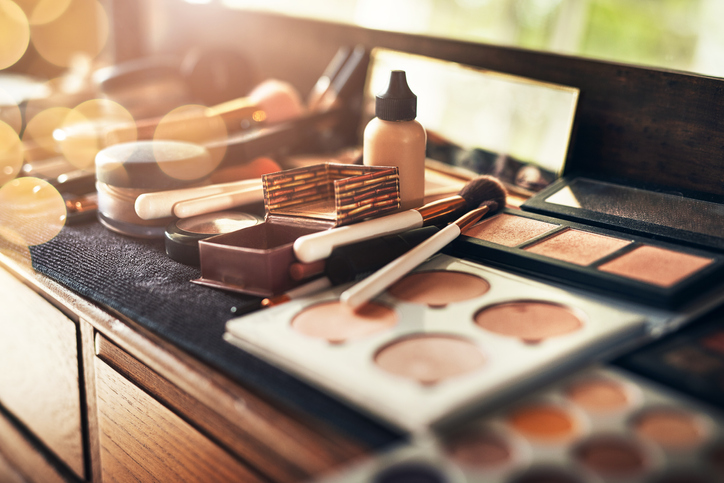
Your makeup collection might look fabulous, but neglecting expiration dates can lead to unwanted side effects. Cosmetics, especially products used around your eyes, can become breeding grounds for bacteria and should be replaced regularly. Makeup artist and skincare expert Lisa Eldridge emphasizes the importance of replacing mascara every three months to prevent eye infections. Products like foundation and lipstick generally have a shelf life of one to two years, but always check for changes in smell or texture. Keeping your cosmetics fresh helps maintain your skin’s health and appearance.
Beyond potential health risks, expired makeup loses its quality and performance. The old foundation might oxidize, changing color and altering your intended look. Lipsticks can dry out, making them difficult to apply, and powders can become crumbly. To ensure your makeup looks and feels its best, be mindful of expiration dates and replace products as needed. A vibrant and healthy glow is best achieved with fresh, high-quality cosmetics.
8. Dish Detergent

Your dish detergent might not cross your mind when considering items that expire, but it has a limited shelf life too. Liquid dish soap usually remains effective for 12 to 18 months. After this period, the ingredients can separate or degrade, diminishing its cleaning power. This means you might be using more detergent than necessary to achieve the same level of cleanliness. Replacing your dish detergent within the recommended timeframe ensures your dishes are as clean as possible.
Besides losing efficacy, expired dish detergent can become thicker or change in consistency. This can make it difficult to dispense and may result in residue being left on your dishes. Such changes can compromise both the feel and appearance of your dishware. By staying aware of its expiration, you can avoid these inconveniences and maintain sparkling clean dishes. Fresh detergent ensures both effectiveness and ease of use.
9. Air Fresheners

Air fresheners are fantastic for neutralizing odors, but they aren’t eternal. Most sprays and plug-ins last for about two years, while gel-based ones might last a bit longer. Over time, the active ingredients can break down, causing the fragrance to weaken or change. This might result in an unpleasant scent or a nonexistent one. Regularly replacing your air fresheners ensures that your home retains its desired aroma.
Moreover, expired air fresheners may not effectively neutralize odors, leaving your home smelling less than fresh. Relying on an expired product can lead to wasted money and unmet expectations of a pleasant-smelling environment. If you notice that your air freshener isn’t performing as it once did, it might be time for a replacement. Consistent monitoring and timely replacement guarantee that your home always smells inviting. Keeping fresh air fresheners on hand is key to maintaining a welcoming atmosphere.
10. Fire Extinguishers

Fire extinguishers are crucial for home safety, but they don’t last indefinitely. They typically have a lifespan of 5 to 15 years, depending on the type and manufacturer. Once expired, they may not function properly in an emergency, leaving you vulnerable to fire hazards. Check the pressure gauge and expiration date regularly to ensure your extinguisher is ready for use. Replacing it as needed is vital for maintaining household safety.
Beyond expiration, fire extinguishers can experience wear and tear that affects their performance. Dents, rust, or damage to the seal can compromise their effectiveness. Regular inspections can help identify these issues before they become problematic. Ensuring your fire extinguisher is in good condition is a proactive approach to home safety. A functioning fire extinguisher is an essential part of your emergency preparedness plan.
11. Pillows

Pillows might not have a visible expiration date, but they do wear out. Over time, they accumulate dust mites, dead skin cells, and other allergens. Experts recommend replacing pillows every one to two years, depending on usage and material. This helps maintain a clean and healthy sleeping environment. A fresh pillow supports not only your comfort but also your overall well-being.
In addition to hygiene concerns, old pillows lose their shape and support. This can lead to neck pain and disrupted sleep, affecting your daily life. Flat or lumpy pillows are a sign that it’s time for a replacement. Investing in new pillows ensures that you receive the proper support needed for restful sleep. A good night’s sleep is crucial, and a quality pillow plays a significant role in achieving it.
12. Batteries

Batteries power countless household devices, but they don’t last forever. Unused batteries typically have a shelf life of 5 to 10 years, depending on the type. Once expired, they may leak or corrode, potentially damaging your devices. To prevent this, regularly check your battery supplies and replace expired ones. Keeping fresh batteries on hand ensures your electronics function without interruption.
Beyond their shelf life, batteries can also lose charge while sitting in storage. This means they might not provide the power you expect when you finally use them. Having dead or weak batteries on hand can be frustrating, especially in emergencies. Regular replacement helps avoid these inconveniences and maintains the reliability of your devices. A stock of fresh batteries is essential for a smoothly running household.
13. Home Cleaning Solutions

Various home cleaning solutions lose their potency over time, even if they don’t have a traditional expiration date. Most commercially available cleaning products last about one to two years before they start to degrade. As they age, the active ingredients can lose effectiveness, rendering them less capable of cleaning and disinfecting. This means you might find yourself scrubbing harder or using more product to achieve the same results. Regularly updating your cleaning supplies ensures they work as intended.
In addition to losing cleaning power, expired solutions might separate or change in consistency. This can make them difficult to use and potentially leave residues behind. Using ineffective products not only wastes time and money but can also be unsafe if you rely on them for disinfecting purposes. Maintaining fresh cleaning solutions ensures your home stays clean and hygienic. An up-to-date stock of cleaning supplies is crucial for household upkeep.
