

In a world filled with diverse cultures, it’s no surprise that eating habits can vary significantly across borders. While one country’s customary dining practice might seem perfectly ordinary to its residents, it could appear downright peculiar to outsiders. Straddling the line between fascinating and baffling, these dining rules challenge the way you think about food and etiquette. Whether you’re traveling the globe or simply expanding your culinary horizons, understanding these unique eating customs can deepen your appreciation for global traditions. Embark on this journey through 13 countries where eating norms are as diverse as they are strange.
1. The Clean Plate Conundrum In China
In China, leaving a little food on your plate is seen as a polite gesture. Contrary to the Western ethos of finishing everything served to you, a clean plate here might silently suggest that your host didn’t provide enough. It’s a delicate balance, leaving just enough to show satisfaction without wastefulness. This practice underscores an essential element of Chinese hospitality—generosity. Professor Guo Xiaoling, an expert in Chinese culture at Tsinghua University, notes that this tradition highlights the importance of abundance and respect for the host’s effort.
While this custom might sound perplexing, it’s rooted in historical context. Food scarcity was once a significant concern, and ensuring that guests left with their hunger fully sated was a point of pride. These days, with changing attitudes towards food waste, the practice has evolved but maintains its essence. For visitors, understanding this practice can prevent awkward situations and deepen cross-cultural respect. So if you find yourself dining in China, remember that leaving a bite or two can convey gratitude as effectively as a formal thank you.
2. Forkless Dining In Ethiopia

Utensils might feel like an extension of your hands, but in Ethiopia, they take a backseat. Dining here is an intimate affair, where eating with your hands using injera, a spongy flatbread, is the norm. This unleavened bread acts as both a plate and a utensil, scooping up stews and vegetables in a uniquely tactile experience. It’s a stark contrast to Western customs, where cutlery dictates dining etiquette. Embracing this hands-on approach can feel liberating, reconnecting you with the primal joy of eating.
As you delve into Ethiopian cuisine, remember that sharing is at the heart of this practice. Meals are communal, often served on a single large platter where everyone gathers. This shared experience fosters a sense of unity and connection, transcending the meal itself. Respect for the food and your dining companions is paramount, as is the unspoken rule of cleanliness. It’s an opportunity to step out of your comfort zone and engage with food—and those who make it—a little differently.
3. The Slurping Ritual In Japan

In Japan, the sound of slurping your noodles is music to a chef’s ears. What might be considered impolite elsewhere is a sign of appreciation here. Slurping not only enhances the flavor of the noodles but also cools them down from their piping hot state. This audible enjoyment signifies that the meal is being thoroughly savored, much to the delight of your host. Japanese food historian Naomi Ichikawa explains that this practice is deeply ingrained in the culture and showcases the harmonious balance of flavors.
The world of Japanese dining etiquette is a fascinating one, often contradicting Western norms. Beyond slurping, the meticulous placement of chopsticks and the subtle interplay of food presentation all play vital roles. At the heart of these customs is a profound respect for the food and those who prepare it. Understanding these nuances enriches your dining experience and fosters a deeper connection with the culture. So when in Japan, don’t shy away from joining the slurping symphony.
4. Don’t Ask for Salt In Portugal

In Portugal, asking for salt at the table is more than just a simple request—it’s a potential culinary faux pas. This act might imply that the chef’s seasoning is inadequate, a subtle but significant affront. It’s a small yet telling detail that reflects the pride Portuguese people take in their food. The unspoken rule is to trust the chef’s palate; their choice of seasoning is deliberate and crafted with care. For those unaccustomed, this can be an exercise in embracing the unfamiliar taste of authenticity.
This custom reinforces an important aspect of dining culture: respect for the chef’s expertise. In a world where personalization has become the norm, embracing the chef’s vision can be refreshing. It’s about trusting the culinary journey laid out before you, appreciating the nuances and complexities crafted into each dish. In doing so, you open yourself to new flavors and experiences. So when dining in Portugal, savor the depth of the dish as intended.
5. No Tipping In Japan

Japan’s no-tipping culture might surprise those accustomed to gratuity-based dining. Here, exceptional service is the standard, not an exception, and leaving a tip can be seen as unnecessary and even rude. This practice stems from a deeply ingrained sense of pride and professionalism among service industry workers. Dr. Kenji Yoshida, an expert in Japanese business culture, asserts that this approach emphasizes equality and respect. The absence of tipping shifts focus onto the quality of the service itself, rather than the monetary reward.
This unique approach underscores a broader cultural mindset where respect and integrity are paramount. In Japan, providing excellent service is not an extra effort but the expected norm. This philosophy extends beyond dining, influencing interactions in various service sectors. For visitors, understanding this cultural nuance can prevent potential misunderstandings and foster a more meaningful engagement. So when enjoying Japanese hospitality, remember that gratitude is better expressed through words than coins.
6. The Bread Rule In France

In France, the bread on your table is more than just an accompaniment; it’s a key player in the dining experience. Contrary to some Western practices where bread serves as an appetizer, here it’s meant to complement your meal. It’s common to place bread directly on the table, not on a plate, embodying a rustic charm that’s quintessentially French. This practice allows diners to use bread to mop up sauces and juices, fully savoring the flavors. It’s a subtle yet significant detail that speaks to the sophistication of French dining etiquette.
The role of bread in French meals goes beyond mere sustenance. It’s a cultural symbol, representing the heart of French culinary tradition. This practice reflects a broader appreciation for the art of dining, where every detail is considered. Embracing this approach challenges you to rethink the role of simple elements in enhancing the dining experience. So when in France, let the bread be your guide to truly savoring each dish.
7. The Handshake And The Spoon In Chile

In Chile, a simple handshake before a meal can set the tone for the entire dining experience. This gesture, though seemingly informal, is an important part of Chilean hospitality. It signifies a warm welcome and a mutual respect between host and guest. Sociologist Dr. Maria Fernanda Lira notes that this custom reflects the broader value Chileans place on personal connections. It’s a reminder that dining is as much about relationships as it is about food.
Once seated, you’ll notice another unique practice: using a spoon to eat even non-liquid foods. This tradition harks back to historical influences and reflects a certain practicality in Chilean dining. While it might seem unusual, it’s a testament to how culture shapes even the simplest aspects of daily life. Embracing this custom offers insight into Chilean values of practicality and adaptability. So when dining in Chile, remember that the handshake and spoon hold more significance than they might initially appear.
8. The Silverware Swap In Brazil
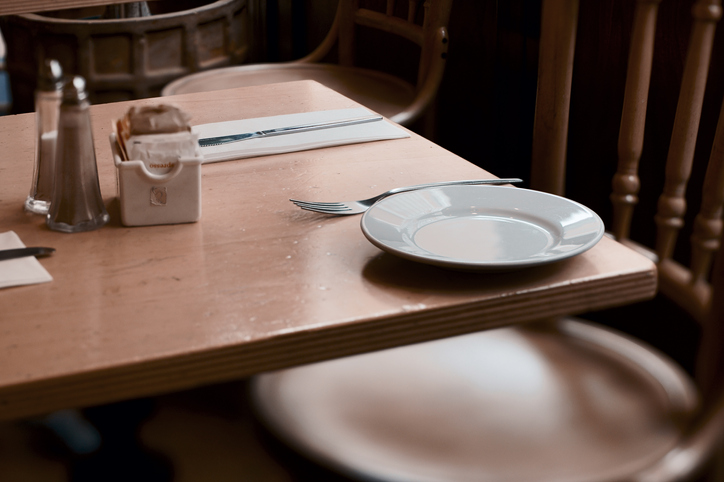
In Brazil, the way you position your cutlery tells a silent story to your host. The norm is to use a knife in your right hand and a fork in your left, even if you’re right-handed. This might feel awkward at first, but it’s a key part of Brazilian dining etiquette. The consistency of this practice speaks to the value placed on tradition. It’s a small yet significant detail that reflects the broader cultural emphasis on order and respect.
Beyond the mechanics of eating, the placement of cutlery on your plate carries a message. Crossing your utensils signals you’re not finished, while placing them parallel indicates you are. This subtle language ensures smooth communication between guest and host, preventing misunderstandings. It’s a testament to how deeply ingrained etiquette can be in everyday life. So when in Brazil, be mindful of the silent cues your silverware conveys.
9. Left-Handed Eating In The Middle East

In many parts of the Middle East, the left hand is considered unclean and should not be used for eating. This practice roots itself in cultural and religious traditions, reflecting a broader focus on cleanliness. Using the right hand for dining is seen as a mark of respect for the food and those who prepared it. For visitors, this custom might require a bit of practice to adhere to, especially for left-handed people. Yet understanding and respecting this tradition can enhance your appreciation of Middle Eastern hospitality.
Beyond the practical aspects, this custom holds deeper cultural significance. It’s a reflection of the broader societal values that prioritize respect and purity. The ritual of eating becomes more than sustenance; it becomes a moment of mindfulness. For those unfamiliar, adapting to this practice can offer a unique perspective on daily rituals. So when dining in the Middle East, let your right hand take the lead.
10. No Sharing In Norway

In Norway, the idea of sharing food from a communal plate is less common than in many other cultures. Here, meals are served as individual portions, and everyone is expected to eat from their own plate. This custom reflects a high value on personal space and individual preferences. While it might seem isolating, it emphasizes the importance of personal choice within social settings. For visitors, this approach can feel refreshingly independent, encouraging a focus on one’s own dining experience.
This practice underscores the broader cultural emphasis on self-sufficiency. In a society that values independence, even dining habits reflect these principles. Respect for personal boundaries is paramount, influencing interactions beyond the dining table. Understanding this perspective can offer a deeper insight into Norwegian values of autonomy and respect. So when dining in Norway, embrace the opportunity to savor your meal in solitude.
11. The Toasting Tradition In Georgia

In Georgia, toasting is an art form, steeped in tradition and symbolism. The role of the “tamada,” or toastmaster, is to lead the toasts, each carrying significant meaning. This custom elevates the act of drinking into a ceremonial event, fostering camaraderie and connection. It’s more than just raising a glass; it’s a moment to honor relationships and shared experiences. For visitors, participating in this ritual can be a moving and memorable experience.
The toasting tradition reflects a broader cultural emphasis on community and kinship. Each toast is an opportunity to express gratitude, celebrate life, and strengthen bonds. This practice underscores the significance of shared moments, elevating them beyond the everyday. Embracing this custom invites you to engage with Georgian hospitality on a deeper level. So when in Georgia, let the tamada guide you in this rich tradition.
12. The Water Glass Dance In Spain

In Spain, where you place your water glass can be a silent communicator during meals. Traditionally, water glasses are positioned above the knives, signifying readiness for the next course. This small yet deliberate act is a testament to the intricacy of Spanish dining etiquette. It reflects a broader cultural appreciation for order and detail. For those unfamiliar with the custom, this simple action can feel like a dance of etiquette.
The placement of a water glass is more than just a quirky tradition; it speaks to the Spanish love for dining as an art. Meals here are leisurely, with each course and its accompanying drink given due reverence. This structured approach transforms a simple meal into a curated experience. Understanding these small nuances enriches your appreciation of Spanish culture. So when dining in Spain, let the placement of your water glass guide the rhythm of your meal.
13. The Tea Time Rules In England

In England, the ritual of afternoon tea is steeped in tradition and etiquette. This practice, while seemingly relaxed, is governed by a set of unspoken rules. The order of adding milk, the placement of a spoon, and even the angle of a teacup all play a role in this time-honored custom. It’s a subtle dance of manners, reflecting the precision and grace of English culture. For outsiders, mastering these nuances can feel like deciphering a secret code.
Beyond the technicalities, afternoon tea is a social occasion. It’s a moment to pause, connect, and indulge in both conversation and confections. The tradition speaks to a broader cultural emphasis on civility and connection. Engaging with this practice offers insight into the quintessentially English way of life. So when partaking in afternoon tea, let each sip and bite reflect the elegance of the tradition.


