

When it comes to prepping food, you probably think washing everything is the way to go. It seems like a no-brainer, right? After all, cleanliness is next to deliciousness—or something like that. But the truth is, not every food item benefits from a good rinse. In some cases, washing can even do more harm than good. Let’s dive into the world of unwashable foods and why you should skip the sink for these particular items.
1. Chicken
You might think rinsing your chicken is a good way to get rid of bacteria, but it actually does the opposite. Washing chicken can spread harmful bacteria like Salmonella all over your sink and countertop. According to the United States Department of Agriculture (USDA), any bacteria present on the chicken will be killed during cooking. So, instead of washing, focus on cooking chicken to the proper temperature of 165°F. That way, you’ll keep your meal safe and your kitchen cleaner.
Washing chicken can also lead to cross-contamination, a situation where bacteria from raw poultry spread to other foods or surfaces. This can happen because water splashes can carry bacteria up to three feet away. Instead, be sure to thoroughly wash your hands and any utensils that come into contact with the raw chicken. Keeping these precautions in mind will help ensure a safe cooking environment. Plus, you’ll save some time by skipping the unnecessary rinse.
2. Eggs

Eggs are another no-wash food, thanks to the protective coating applied by producers. This coating, often a bit shiny, helps keep bacteria out and moisture in. By washing eggs, you risk removing this coating, making them more susceptible to bacteria. The USDA mandates that commercial eggs be pre-washed and sanitized before they reach the store, so you can trust that your eggs are already clean. Handling them carefully will ensure they stay safe until they’re cooked.
While it might seem intuitive to wash eggs after buying them, it’s important to resist the urge. Your main concern should be storing them properly in the refrigerator to maintain their freshness. Make sure to keep eggs in their original carton on a refrigerator shelf, not in the door where temperatures can fluctuate. Proper storage, rather than washing, is key to keeping eggs fresh and safe. Remember, a good egg starts with good handling, not washing.
3. Mushrooms
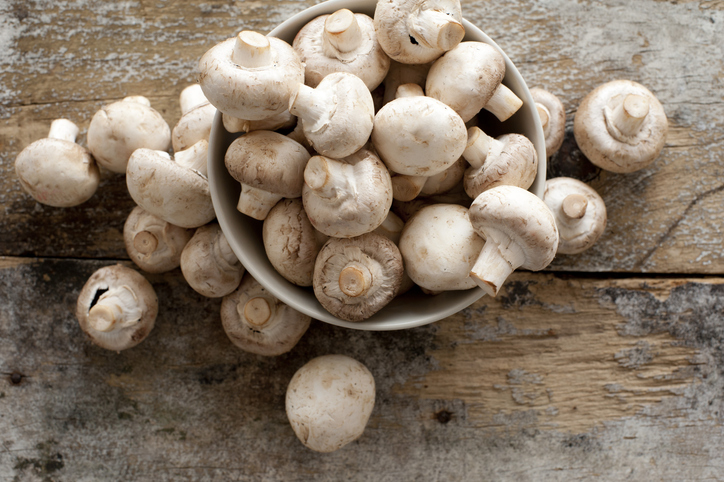
Mushrooms are known for soaking up water like a sponge, which is why you should avoid washing them under running water. Doing so can lead to sogginess, ruining their texture when cooked. Instead, use a damp paper towel or a soft brush to gently remove any dirt or debris. Dr. Mark Tamplin, a food safety expert, suggests that brushing mushrooms clean is more effective at maintaining their quality. Keeping them dry enhances their flavor and texture when you cook them.
In addition to texture, excessive moisture can encourage faster spoilage in mushrooms. By avoiding a water bath, you maintain their natural firmness and extend their shelf life. Be mindful of how you store them, too, ideally in a paper bag in the fridge, to allow for airflow. This will further help keep them fresh until you’re ready to use them. A little care in handling can make all the difference in your mushroom dishes.
4. Ground Meat

When it comes to ground meat, washing it is a definite no-no. Similar to chicken, washing ground meat can splash bacteria around your kitchen, increasing the risk of cross-contamination. Ground meat, whether beef, pork, or turkey, should be cooked thoroughly to eliminate any bacteria. Focus on cooking it to an internal temperature of 160°F to ensure it’s safe for consumption. The USDA advises that cooking, not washing, is your best bet for safety.
Washing also does nothing to improve the quality or taste of the meat. In fact, introducing water can lead to a mess and potentially dilute the flavor. Make sure to handle raw meat carefully, keeping it separate from other foods and surfaces. Clean any utensils or cutting boards that come into contact with it. Your primary goal should be to cook it well and avoid any unnecessary water exposure.
5. Pre-Washed Salad Greens

Pre-washed salad greens are a convenient choice, and there’s a good reason they come ready to eat. They’ve been thoroughly washed and treated to remove any bacteria before packaging. According to the FDA, washing them again at home doesn’t improve safety and could introduce new contaminants from your kitchen sink. It’s best to use them directly from the bag or box as intended. Skip the rinse and save yourself some time without compromising safety.
Opening up a bag of pre-washed greens is meant to be hassle-free for a reason. Re-washing them can sometimes lead to wilting or bruising, reducing their freshness and crunch. If you’re concerned about any residual moisture, gently pat them dry with a clean towel. Proper storage in the fridge will maintain their quality and longevity. Embrace the convenience and confidence that your pre-washed greens are good to go.
6. Pasta

It might be tempting to rinse pasta after boiling, but resist the urge. Washing pasta removes the starch that helps sauce cling to it, making for a less cohesive dish. The starch acts like a glue, holding your sauce to each piece of pasta and enhancing the flavor experience. If you’re serving pasta with sauce, skipping the rinse is the way to go. Just drain the water and mix your pasta with the sauce immediately.
For pasta salads, where you want to cool down the noodles, rinsing can be beneficial. This is one of the few exceptions where a quick rinse in cold water can stop the cooking process and reduce stickiness. However, for hot dishes, keep the starch intact by avoiding the rinse. The choice depends on the dish you’re preparing, so consider the end goal. Remember, when it comes to texture and flavor, starch is your friend.
7. Fish

Fish is another food item you should not wash before cooking. According to Chef Brian Jupiter, a professional chef, washing fish can lead to a less desirable texture and an increased risk of spreading bacteria. The flesh of the fish is delicate, and washing can cause it to break apart or become mushy. Instead, it’s best to pat it dry with a paper towel to remove any excess moisture. Drying helps achieve a nice sear and enhances the flavor during cooking.
When handling fish, pay close attention to its freshness and storage. Proper handling from the time of purchase to cooking is crucial for safety and quality. Make sure to keep fish refrigerated and consume it within a couple of days. Cooking fish thoroughly will eliminate any bacteria, just like with meat. By focusing on drying and proper storage, you’ll be well on your way to a delicious fish dish.
8. Pork
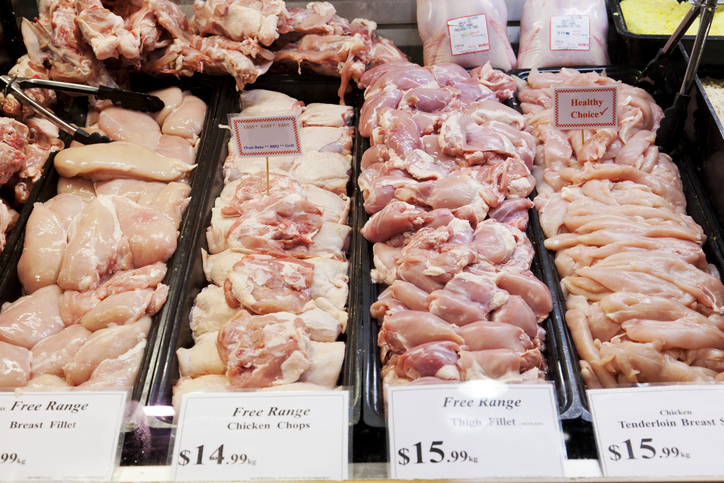
Like chicken and ground meat, pork should not be washed before cooking. The risk of spreading bacteria through water splashes is real, and it can contaminate your kitchen surfaces. Instead, focus on cooking pork to the recommended internal temperature of 145°F. This ensures any harmful bacteria are killed, making the meat safe to eat. Your best bet for a delicious pork meal is thorough cooking, not washing.
Washing pork can also potentially strip away some of its natural flavors. By introducing water, you may inadvertently wash away some of the juices that contribute to its taste. Instead, season and prepare your pork as desired and rely on cooking to bring out its best qualities. Proper handling and storage are crucial for maintaining quality and safety. When in doubt, remember the golden rule: cook, don’t wash.
9. Rice

Rinsing rice is a bit of a nuanced topic. While many types of rice benefit from a rinse to remove excess starch and prevent clumping, this isn’t always necessary or advisable. Some enriched rice varieties, for example, are coated with vitamins and minerals that can be washed away when rinsed. Check the package instructions to see whether rinsing is recommended. By following the label, you’ll get the best results for your specific type of rice.
When rinsing rice, the goal is usually to remove surface starch that can make the grains sticky. If you do choose to rinse, use a fine-mesh strainer to make the process easier. However, if you prefer a stickier texture for dishes like sushi or risotto, you might skip the rinse entirely. Knowing the intended dish and desired texture will guide your choice. Always consider the type of rice you’re working with when deciding whether to rinse.
10. Canned Beans

You might assume rinsing canned beans is a must, but it’s not always necessary. While rinsing can remove some of the excess sodium and starch, it may also wash away some flavor and nutrients. If you’re concerned about sodium intake, look for low-sodium versions or adjust your recipes to compensate. The liquid in which beans are packed can help thicken soups or stews, adding depth to your dishes. Depending on your recipe, you may choose to keep the liquid for added richness.
If you do decide to rinse, make sure to do it gently to avoid breaking the beans. A gentle rinse can help if you’re aiming for a cleaner taste without the extra starch. On the other hand, if you prefer a thicker sauce or broth, incorporating the canning liquid might be the way to go. Ultimately, your choice will depend on the dish you’re preparing. Flexibility is key, so adapt your approach to suit the recipe.
11. Shellfish

When preparing shellfish, it’s crucial to remember that washing can do more harm than good. Shellfish, like shrimp or scallops, can become waterlogged and lose their natural flavors when rinsed. Instead, pat them dry with a paper towel to remove any excess moisture. This will help them sear better and enhance their flavor profile during cooking. Dry shellfish are more likely to develop a beautiful crust when cooked.
Proper handling and storage are also important for shellfish. Keep them refrigerated and use them within a day or two for best results. By focusing on drying rather than washing, you maintain the integrity and taste of the seafood. Cooking thoroughly will ensure any bacteria are eliminated, keeping your dish safe. Remember, for shellfish, less is more when it comes to water.
12. Potatoes

Though potatoes often come with dirt, a thorough scrub under running water is typically all you need. However, if you’re peeling them, even this step can be skipped. Peeled potatoes don’t benefit from a wash because the skin is removed and the surface is exposed just before cooking. Make sure to keep your utensils and hands clean to avoid introducing new contaminants. Washing isn’t necessary when you’re planning to peel the spuds.
When preparing whole potatoes with skins on, a good scrub is enough to remove dirt and debris. This step ensures that the skins, which are packed with nutrients, are clean and ready to eat. If you decide to leave the skin on, dry the potatoes well to help achieve a crispy texture when cooking. Whether you’re boiling, baking, or frying, proper preparation makes all the difference. Potatoes are versatile, so adjust your approach based on how you plan to cook them.
13. Bacon

The idea of rinsing bacon might sound odd, but some people do it to remove excess salt or additives. However, washing bacon can lead to a less desirable texture and potential loss of flavor. The water can prevent it from crisping up properly, which is often what bacon lovers crave. Instead, consider using a lower-sodium variety if that’s your concern. Cooking the bacon to your desired level of crispiness will render out excess fat, improving texture and taste.
In addition to texture, washing can dilute the smoky flavors that make bacon so unique. Patting bacon dry before cooking can help improve the final result without introducing unnecessary moisture. Proper cooking techniques will allow the fat to render out, leaving you with perfectly crispy slices. Keep any concerns about salt or additives in mind when choosing your bacon at the store. Remember, the goal is to enhance, not detract from, bacon’s natural goodness.
14. Onions

Onions are another food you don’t need to wash if you’re peeling them. Once you remove the outer layers, the clean, fresh layers underneath are what you’ll use. Any dirt or debris should come off with the peel, leaving you with a perfectly usable onion. Focus on good cutting techniques and keeping your work area clean to avoid cross-contamination. Whether you’re chopping, dicing, or slicing, onions rarely require a wash.
If you find yourself with particularly dirty onions, a quick rinse before peeling might be beneficial. However, this is more the exception than the rule. For most onions, the peel serves as a natural barrier, keeping the edible parts clean. Once peeled, onions should be stored in the fridge (if not used immediately) to maintain their freshness. Understanding when washing is necessary can save you time and keep your kitchen running smoothly.


