

In a world where convenience often trumps common sense, the toilet has somehow become the unsuspecting hero—or rather, victim—of our trashy tendencies. Despite plumbing systems being explicitly designed for human waste, people still insist on using them as a convenient garbage chute. Maybe it’s laziness, or perhaps a simple lack of awareness, but flushing inappropriate items can wreak havoc on both your plumbing and the environment. Let’s explore some of the most bizarre things people have flushed, and maybe, just maybe, you’ll think twice before you send something else swirling away.
1. Cigarette Butts
Cigarette butts are notorious for being litterbugs’ go-to item for the toilet. Despite their small size, they are non-biodegradable and can cause considerable harm. Once flushed, they can clog pipes and, over time, contribute to larger obstructions. Moreover, the toxic chemicals they contain can leach into waterways, posing risks to aquatic life. Instead, extinguish them properly and dispose of them in a designated trash bin.
Flushing cigarette butts seems like a quick fix, but it’s a recipe for plumbing trouble. Their compact and fibrous nature allows them to accumulate in your pipes, creating blockages that even a plunger may struggle to dislodge. Beyond plumbing issues, they introduce harmful substances into water systems, impacting both wildlife and water quality. It’s a simple act to throw them away properly, yet it makes a significant difference. Save your pipes and the environment by ditching the habit of flushing butts.
2. Cotton Swabs

Cotton swabs may appear soft and harmless, but they are tiny, rigid assassins when flushed down the toilet. Their slender design makes them perfect for fitting into small spaces, including the narrow passageways of your plumbing system. Accumulated cotton swabs can create a formidable blockade, trapping other debris and exacerbating clogs. While they’re indispensable for makeup touch-ups and cleaning small crevices, their rightful place is in the trash can.
The convenience of flushing cotton swabs might be tempting, but don’t underestimate their potential for destruction. These little cotton-tipped sticks aren’t biodegradable, which means they’ll persist in your plumbing system and beyond. When they eventually make their way into bodies of water, they contribute to microplastic pollution—harmful to marine life and ecosystems. So next time you pull that lever, consider the hidden havoc these swabs can cause.
3. Cat Litter
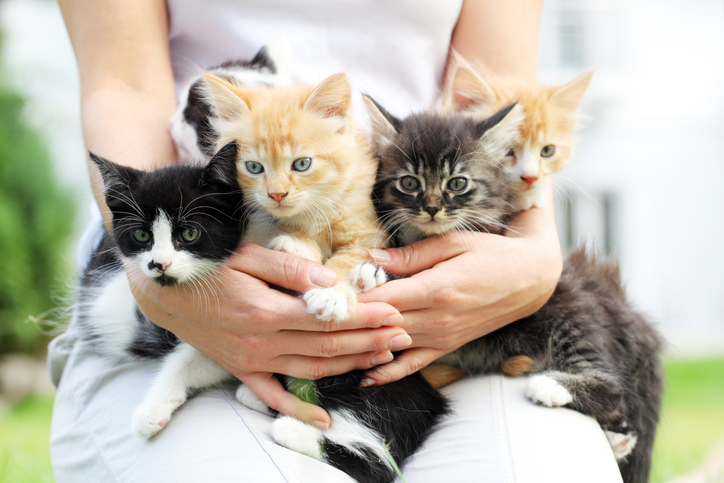
You might think that flushing cat litter is an easy way to dispose of your feline’s waste, but it’s a disaster waiting to happen. Most cat litters are designed to clump when wet, forming solid masses that can easily clog pipes. According to the Environmental Protection Agency, flushing cat litter is also harmful because it can introduce Toxoplasma gondii, a parasite found in cat feces, into waterways. This can pose a serious threat to marine life and even humans. So, for the sake of your plumbing and the environment, opt for bagging and trashing your cat litter instead.
The science of clumping cat litter makes it effective for odor control, but disastrous for toilets. Once flushed, the litter’s binding agents activate, expanding and hardening within your pipes. The result? A stubborn clog that’s as tough as concrete, necessitating professional intervention. Beyond plumbing woes, flushing cat litter also risks spreading harmful pathogens into water systems. It’s a lose-lose situation that a simple trash disposal could easily prevent.
4. Hair

Hair is excellent at forming clogs in your drains, so imagine what it can do when flushed down the toilet. Like a net, hair can catch and hold onto other debris, creating a tangled mess in your pipes. Over time, this can lead to significant blockages and nasty backups. While it may seem easier to flush it away after a haircut, tossing it in the trash is far more plumbing-friendly.
When combined with water, hair creates a matted clump that’s difficult for water to break apart, making it the ultimate clog culprit. You might not notice the damage immediately, but rest assured, it’s happening slowly and steadily. The buildup can lead to slow-draining toilets and eventually require costly plumbing services. Save yourself the headache—dispose of hair waste in the trash instead.
5. Wet Wipes

Wet wipes are the sworn enemy of plumbing systems worldwide, even those advertised as “flushable.” A study from Consumer Reports found that “flushable” wipes often failed to disintegrate as well as toilet paper, leading to blockages. These resilient wipes can bind with fats and oils in the pipes, creating massive “fatbergs” that cause severe sewer blockages. While they may feel soft and soothing, their persistence in your plumbing is anything but gentle. Your best bet? Trash them instead of sending them down the toilet.
The allure of wet wipes is understandable—they’re convenient, effective, and feel luxurious. However, their inability to break down quickly makes them a ticking time bomb for your plumbing. Over time, they accumulate, forming dense masses resistant to water pressure and chemical breakdown. This can lead to frequent plumbing calls and repair bills that grow larger than any fatberg. Your wallet and your pipes will thank you for sticking to flushing only toilet paper.
6. Chewing Gum

Chewing gum is designed to be sticky and insoluble, making it a prime candidate for clogging pipes. Once flushed, it can stick to the sides of your plumbing, trapping other materials and forming a stubborn blockage. While it may seem minuscule, a wad of gum can create a considerable mess over time. Imagine it accumulating in your pipes like a growing blob, obstructing water flow. Instead of flushing, wrap gum in a tissue and dispose of it in the trash.
The deceptively small size of chewing gum belies its potential for damage in your plumbing system. Its sticky nature allows it to adhere to surfaces, resisting water flow and chemical breakdown. Over time, this leads to a gradual accumulation that can obstruct your pipes and cause backups. What seems like a minor act of disposal can quickly escalate into a costly plumbing problem. Keep your pipes clear by trashing that gum.
7. Contact Lenses

Those tiny, transparent discs may seem harmless, but flushing contact lenses can contribute to microplastic pollution. A study by Arizona State University revealed that lenses don’t biodegrade and instead break down into smaller particles, becoming an environmental hazard. Once flushed, they can make their way to oceans and rivers, affecting aquatic life. It’s a classic case of small item, big impact. Instead of flushing, throw your used lenses in the trash and keep our water systems clean.
Contact lenses might appear inconsequential, but their long-term impact on the environment is anything but. Once in the water system, they can degrade into microplastics, which are ingested by marine organisms and enter the food chain. This not only harms marine life but also poses potential risks to human health. Disposing of lenses in the trash is a small but crucial act of environmental responsibility. Do your part by keeping lenses out of the toilet.
8. Dental Floss

Imagine thinking that a thin, seemingly innocuous string could wreak havoc in your pipes. Yet, dental floss is notorious for tangling with other debris to create plumbing nightmares. According to the American Dental Association, not only does it clog pipes, but it can also contribute to environmental pollution. The non-biodegradable material ends up in waterways, where it can entangle aquatic wildlife. So while flossing is a vital part of oral hygiene, flushing it is a cardinal plumbing sin.
Flushing dental floss is like sending a covert agent into your plumbing, ready to sabotage from the inside. The fibers wrap around other flushed items, forming a fortress that can block even the most robust drainage systems. Over time, this can cause backups that require costly repairs and messy cleanups. Instead, dispose of your dental floss in the trash where it belongs. Your pipes—and the planet—will thank you.
9. Food Waste

Flushing food waste might seem like an easy cleanup solution, but it can lead to plumbing pandemonium. Food particles can swell and expand when wet, blocking your pipes and causing backups. What’s more, food waste can contribute to foul odors emanating from your plumbing system. While scraping leftovers into the toilet might save you a trip to the trash, it’s a shortcut that leads to long-term consequences. Stick to composting or trashing your food scraps to keep your pipes running smoothly.
Your plumbing system isn’t designed to handle the complexity of food waste. The oils and fats from food can cling to the insides of pipes, inviting blockages and attracting pests. Over time, these residues can cause significant build-up, impacting water flow and leading to costly repairs. Avoid the temptation to flush leftovers and instead, opt for environmentally-friendly disposal methods. Your plumbing—and your nose—will appreciate it.
10. Paper Towels

Paper towels may resemble toilet paper, but they’re far from flushable. Unlike toilet paper, they’re designed to be durable and absorbent, making them slow to break down in water. Flushing them can cause substantial clogs, as they accumulate and trap other debris in your pipes. While they’re excellent for cleaning up spills, they should never meet the inside of a toilet bowl. Toss used paper towels into the trash to avoid plumbing headaches.
It’s easy to mistake paper towels for a viable flushable option, but their design makes them a pipe’s worst enemy. Once in the plumbing system, they act like a sponge, absorbing water and expanding to create blockages. Over time, these stubborn clogs can require professional intervention to clear. Spare yourself the trouble by disposing of paper towels in the trash. A little foresight can save you a significant fortune in plumbing fees.
11. Disposable Diapers

Disposable diapers belong in the trash, not in your toilet. They’re designed to expand and retain moisture, making them prime candidates for immediate clogs. When flushed, these bulky items can cause significant blockages that require professional assistance to clear. Not only do they put your plumbing at risk, but they can also introduce harmful substances into water systems. Save yourself the hassle and keep diapers out of your toilet.
Flushing a diaper is like setting a ticking time bomb for your plumbing. Their absorbent layers swell, blocking pipes and rendering your toilet useless until resolved. The cost of clearing such a blockage is often steep and entirely avoidable. Beyond the plumbing woes, disposable diapers contribute to landfill waste and environmental pollution. Bag them and bin them to ensure your plumbing stays free-flowing.
12. Band-Aids

Band-Aids may be small, but they’re a big no-no for your toilet. Made of non-biodegradable materials, they don’t break down in water, turning into sneaky little clogs. Once flushed, they can form a sticky mess in your pipes, attracting other debris and causing backups. While it might seem convenient to dispose of them quickly, their long-lasting impact on your plumbing isn’t worth the risk. Instead, peel them off and toss them in the trash.
The adhesive nature of Band-Aids makes them more than a nuisance when flushed. They’re designed to stick and protect, which works against you in the plumbing world as they bind with other waste. Over time, these seemingly insignificant items can lead to significant plumbing issues that could have been easily avoided. A quick disposal in the trash can save you from costly and messy plumbing repairs. Keep your pipes clean by avoiding this common flushing faux pas.
13. Sanitary Products

The temptation to flush sanitary products might come from a desire for discretion, but it’s a costly mistake for your plumbing. Designed to absorb and expand, items like sanitary pads and tampons can cause immediate and severe clogs. These products don’t degrade like toilet paper, compounding the problem over time. While it may seem like a quick fix, it’s a shortcut that leads to expensive plumbing services. Opt for proper disposal in a trash bin to keep your plumbing system intact.
Flushing sanitary products is a surefire way to invite plumbing disasters. Their absorbent qualities make them ideal for their intended use, but disastrous for your toilet. Once flushed, they can expand and create blockages that disrupt water flow and necessitate professional intervention. Beyond plumbing concerns, they contribute to environmental waste when improperly disposed of. Save yourself the trouble by discarding them in the trash.
14. Condoms

Condoms are surprisingly still on the list of items people flush, despite being non-biodegradable. Their latex composition means they don’t break down in water, leading to blockages and environmental harm. While it might seem like a discreet method of disposal, it’s a shortcut that jeopardizes your plumbing. Once flushed, they can balloon and cause significant clogs that require professional attention. The responsible choice? Wrap them up and throw them away in the trash.
The slippery nature of condoms makes them an easy flush, but their durability is problematic for plumbing systems. Instead of dissolving, they travel through pipes, expanding and creating blockages that are expensive to clear. Beyond the inconvenience to your plumbing, flushed condoms can find their way into oceans and rivers, contributing to pollution. It’s a small act of responsibility to dispose of them properly in the trash. Keep your pipes clear and the environment clean by ditching this flushing habit.
15. Bleach Wipes

Bleach wipes are cleaning powerhouses, but they’re not meant for your plumbing. These durable sheets don’t break down like toilet paper, leading to blockages and backups in your system. The chemicals they contain can also wreak havoc on your pipes and contribute to environmental pollution. While they’re excellent for sanitizing surfaces, they should never be flushed. Proper disposal in the trash ensures your plumbing stays intact and your cleaning habits remain eco-friendly.
Flushing bleach wipes might seem like a minor misstep, but their resilient design makes them a nightmare for plumbing systems. Once in the pipes, they resist water pressure and chemical dissolution, forming clogs and causing backups. The potent chemicals used for disinfecting can also corrode plumbing materials over time. Keep your cleaning routine effective and environmentally conscious by disposing of used wipes in the trash. An ounce of prevention is worth a pound of plumbing repair.


