
Your body is a marvelous machine, working tirelessly behind the scenes to keep you alive and thriving. But while you’re busy focusing on life’s daily grind, it’s orchestrating a complex symphony of weird and wonderful processes without your conscious input. Some of these involuntary actions are fascinating, others a bit gross, but all of them speak to the incredible, sometimes quirky nature of human biology. Dive into this list of bizarre things your body does on autopilot, and you might just find a new appreciation for the everyday miracles happening beneath your skin.
1. Reactional Goosebumps

Ever noticed your skin prickling with goosebumps when you’re cold or scared? This quirky reaction is a leftover from our evolutionary ancestors, designed to puff up body hair and trap warmth—or make us look larger and more intimidating. In modern life, it’s mostly a vestigial reflex, more likely to appear when you’re watching a tear-jerking movie scene than facing a predator. According to a study published by the National Center for Biotechnology Information, this reaction is triggered by the tiny muscles at the base of hair follicles contracting in response to cold or emotional stimuli. So while it might not help you in a fight, it does make for a good conversation starter on chilly days.
Goosebumps have a way of sneaking up on you, whether you’re listening to a haunting song or shivering in the cold. Interestingly, they can also be a sign of strong emotions, like awe or nostalgia. Next time you feel those tell-tale bumps, pause for a moment of gratitude for this slightly absurd yet utterly human quirk. It’s a reminder of the mysterious ways your body connects with your feelings. And let’s be honest, there’s something satisfying about noticing this primal reflex in action.
2. Sleep Spasms

Have you ever jerked awake just as you were drifting off to sleep? Those sudden, involuntary twitches are known as hypnic jerks, and they’re surprisingly common. Scientists believe these spasms occur when your brain misinterprets the relaxation of your muscles as a sign you’re falling. This triggers a reflexive jolt to wake you up and prevent you from “falling” in your dream. Although they can be startling, they’re usually normal and nothing to lose sleep over.
The exact cause of sleep spasms remains a bit of a mystery, but stress, caffeine, and sleep deprivation might increase their occurrence. Some even speculate that it’s a leftover survival mechanism from our tree-dwelling ancestors. Ever find yourself jolting awake with a pounding heart? That’s your body’s way of saying, “Oops, false alarm.” Consider them a quirky reminder of your body’s protective instincts—even when you’re safely tucked in bed. Just breathe, relax, and let yourself drift back to dreamland.
3. Phantom Vibration

If you’ve ever felt your phone vibrating in your pocket, only to find it wasn’t, you might be experiencing phantom vibration syndrome. This peculiar phenomenon is a modern affliction, born from our constant connection to technology. People often feel these phantom vibrations when their brains misinterpret sensory signals, confusing muscle movements or vibrations from nearby objects with their phone. According to Psychology Today, these false alarms are surprisingly common, affecting up to 90% of people with mobile phones. While they’re harmless, they highlight how deeply our gadgets have infiltrated our daily lives.
Phantom vibrations can catch you off guard when you’re least expecting them. You might be in the middle of a meeting, a workout, or a movie, and suddenly feel that familiar buzz. It’s a testament to how reliant we’ve become on our devices, always anticipating the next message or call. While it might be a bit unsettling at first, there’s comfort in knowing you’re not alone in this modern human experience. Sometimes, it’s a gentle nudge to unplug and be present in the moment.
4. Sunlight Sneezing

Have you ever stepped into bright sunlight and felt an inexplicable urge to sneeze? You’re not imagining things—this quirk is known as the photic sneeze reflex. It’s estimated that 10-35% of people experience this phenomenon, where intense light triggers a sneeze. Scientists aren’t entirely sure why this happens, but it’s believed to be a hereditary trait related to the nervous system. So next time you find yourself sneezing under the sun, consider it a quirky part of your genetic makeup.
The photic sneeze reflex is a perfect example of the body’s unpredictable nature. Despite its prevalence, it’s not something that’s often talked about, leaving many puzzled by their sun-induced sneezes. The reflex may be due to crossed wires in the brain, where signals meant for the eyes mistakenly stimulate the sneeze reflex. It’s harmless, albeit slightly inconvenient if you’re trying to enjoy a sunny day without a tissue in hand. Embrace it as one of those unique quirks that make you, well, you.
5. Brain Blind Spots
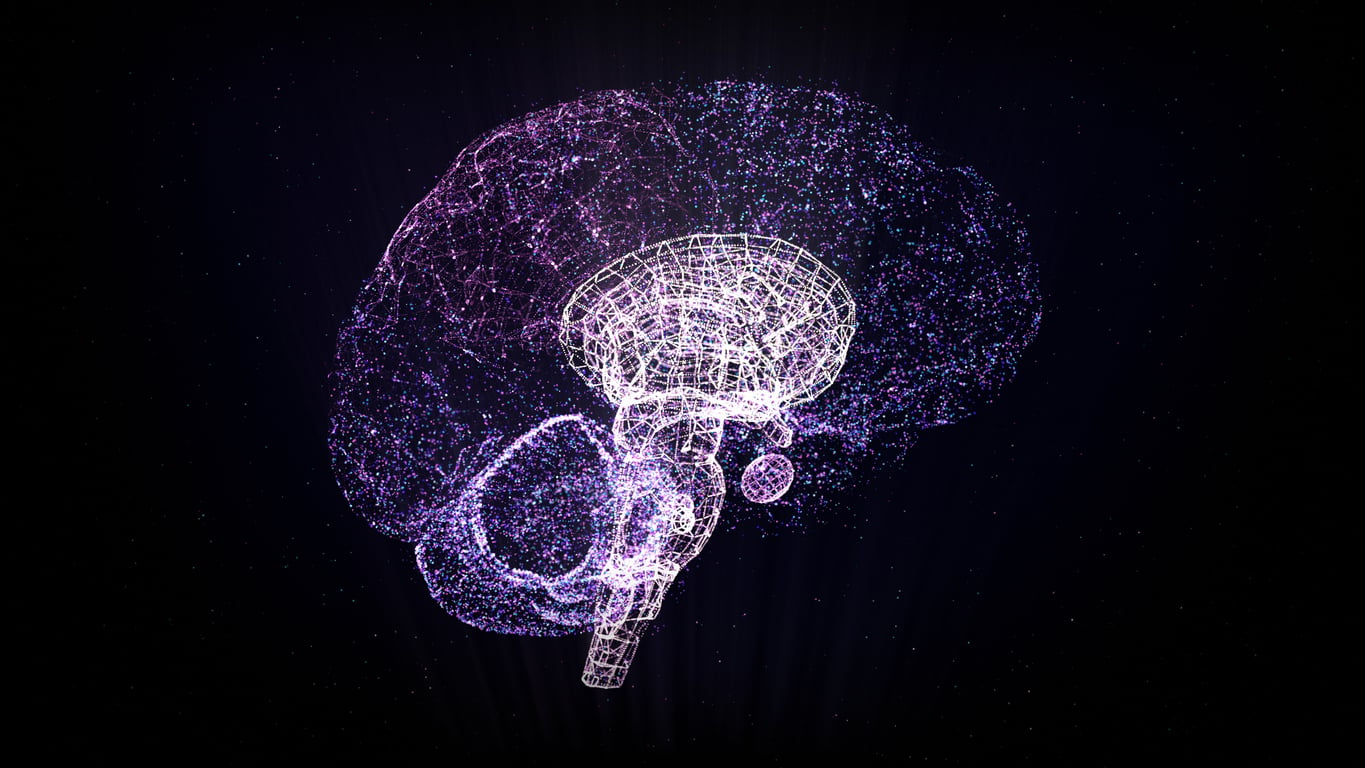
You might not realize it, but your eyes have a blind spot where the optic nerve passes through the retina. Normally, you’re oblivious to this gap in your vision because your brain automatically compensates by filling in the missing information. This seamless patchwork allows you to enjoy a continuous, uninterrupted view of the world. Fascinatingly, a study in Scientific American explains how the brain uses surrounding visual data to create a coherent picture. So, while you’re out there admiring a sunset or navigating a crowded street, your brain is hard at work behind the scenes.
Blind spots are a testament to your brain’s incredible processing power. Without conscious effort, it manages to integrate signals from both eyes to fill in any gaps, creating the illusion of a flawless visual field. It’s not something that typically affects daily life, but it’s a striking reminder of the complexities hidden in simple acts like seeing. You can even find your blind spot with a simple test online, if you’re curious. Just know that your brain is always on the job, ensuring you see the world as clearly as possible.
6. Silent Microbes

You might feel like a single entity, but your body is home to trillions of microscopic organisms. These tiny tenants outnumber your own cells and play critical roles in digestion, immunity, and even mood regulation. Known as the microbiome, this bustling community of bacteria, viruses, and fungi is essential for your health and well-being. While the idea of being a walking ecosystem might sound strange, it’s a fascinating aspect of human biology. Embrace your inner microcosm, and remember that you’re never truly alone.
Your microbiome is a unique reflection of who you are, influenced by factors like diet, environment, and genetics. These microbes help break down food, absorb nutrients, and fend off harmful pathogens. They even communicate with your brain, impacting everything from your mood to your cravings. Although they’re invisible to the naked eye, their influence is profound, demonstrating the intricate interplay between you and your microscopic companions. Next time you enjoy a yogurt, consider it a thank-you gift to your gut’s microbial residents.
7. Self-Cleaning Ear Wax

Earwax might not be the most glamorous topic, but it serves an important purpose in keeping your ears healthy. This waxy substance acts as a natural cleanser, trapping dust, dirt, and bacteria before they can harm your ear canal. What’s more, earwax gradually moves outward, pushing debris with it, so the excess naturally falls out of your ear over time. According to the Mayo Clinic, the best way to deal with earwax is to let it do its job without interference from cotton swabs. While it might seem tempting to give your ears a good cleaning, trust the process and your ears will thank you.
The production of earwax is one of those bodily functions you likely don’t think about until it causes a problem. Surprisingly, it can even reveal secrets about your ancestry, as different genetic backgrounds tend to produce varying types of earwax. Next time you spot a little wax on your earbuds, consider it proof that your body’s self-maintenance systems are hard at work. Appreciate earwax for what it is—a naturally occurring, protective feature. And remember, sometimes the best course of action is to let nature take its course.
8. 24/7 Skin Renewal

Your skin is a dynamic organ, constantly shedding dead cells and regenerating new ones. In fact, you lose about 30,000 to 40,000 dead skin cells every hour, making it an ever-changing barrier between you and the outside world. This renewal process helps your skin heal from cuts and scrapes while maintaining its resilience and elasticity. As your body’s largest organ, your skin is on the frontline, adapting to the environment and shielding you from harm. So while you might not notice it happening, your skin is always in flux, working to keep you protected and looking fresh.
Your skin’s renewal cycle takes roughly 28 days, which means you essentially get a new outer layer each month. This continuous regeneration is vital for overall health, as it allows your skin to repair damage and replace aged cells with fresh ones. It’s a process that happens effortlessly, without any conscious thought. This is why practices like exfoliation can complement your skin’s natural rhythm, helping to remove debris and support regeneration. Next time you moisturize, think of it as a partnership with your skin’s own incredible renewal powers.
9. Unconscious Mirroring

Ever found yourself mimicking someone else’s posture or expressions without meaning to? This behavior, known as mirroring, is a subconscious way of building rapport and empathy. When you mirror someone, you signal understanding and connection, often without saying a word. It’s a natural part of human interaction, rooted in our brain’s mirror neurons. These neurons are thought to play a role in social bonding, making mirroring an instinctive, if unnoticed, part of communication.
Mirroring can be surprisingly powerful in fostering affinity and trust between people. You might lean in when someone else does or adopt a similar tone in conversation, all without realizing it. It’s a subtle dance of exchanges that helps to strengthen social ties and create a sense of belonging. Sometimes, noticing these small gestures can enhance your awareness of social dynamics and improve your interpersonal skills. Embrace the mirroring magic and recognize it as a testament to the innate human desire to connect.
10. Synced Heartbeat

Music has the power to evoke emotions, bringing joy, sadness, or nostalgia with just a few notes. But did you know it can also influence your heartbeat? Studies have shown that your heart rate can sync to the tempo of the music you’re listening to, speeding up during fast-paced tracks and slowing down with mellow tunes. This automatic response highlights the deep connection between rhythm and the human body. It’s a reminder of music’s universal impact, transcending language and culture to touch something innate.
This synchronization with music is a fascinating physiological response that underscores the power of sound. Whether it’s the pulsing bass of a dance track or the calming melody of a lullaby, your body instinctively reacts to the rhythm. This is why certain songs can be so effective at setting the mood or enhancing your workout. Your heart is literally keeping time with the music, demonstrating the profound ways in which auditory stimuli can influence the body. Next time you press play, consider it a duet between your heart and your favorite tunes.
11. Emotional Tears

Crying might seem like a straightforward release of emotion, but tears are more complex than you might think. Composed of water, salts, antibodies, and enzymes, they play a crucial role in keeping your eyes healthy. Tears help to flush out irritants, protect against infection, and keep your eyes lubricated. They’re produced in response to emotions, but also as a reflex to things like smoke or wind, showcasing their multifunctional purpose. So next time you shed a tear, recognize it as your body’s way of maintaining eye health while expressing emotion.
Your tears are a testament to the intricate interplay between your emotions and physical well-being. Emotional tears even contain stress hormones, suggesting they might help relieve tension and promote recovery. This tiny yet powerful expression is a universal human experience, reflecting the depth of feeling that words often fail to convey. Tears can be a source of comfort, connection, and release, silently communicating when spoken language falls short. Embrace the complexity of tears and the roles they play in your emotional and physical health.
12. Contagious Yawning

There’s something oddly satisfying about a good yawn, but why is it that when one person yawns, everyone else follows suit? Yawning is famously contagious, and the reason isn’t entirely understood, though it’s believed to be linked to empathy and social bonding. Seeing someone yawn might trigger a similar response in your brain, prompting you to mirror the action. Some scientists suggest this behavior might have evolved as a way to synchronize group behavior. So next time you find yourself caught in a yawn loop, know it’s your brain’s quirky way of connecting with others.
Despite its contagious nature, yawning is still somewhat of a mystery. It’s thought to serve as a reset for your brain, increasing oxygen intake and cooling it down. This might explain why you tend to yawn when tired or bored, but why it spreads from person to person remains less clear. Studies have shown that empathy levels can influence how susceptible you are to contagious yawning, tying it to social and emotional factors. So next time you yawn in sync with a friend, recognize it as a sign of your shared human experience.
13. Internal Navigation

You might not have the navigational skills of a homing pigeon, but your body does have a knack for sensing direction. Some researchers believe humans possess a magnetic sense, allowing you to subconsciously detect Earth’s magnetic fields. While this ability isn’t fully understood, it’s suggested that magnetoreception could be linked to the inner ear. Though subtle, this sense might contribute to your internal compass, helping you stay oriented in space. It’s a fascinating reminder of the myriad ways your body interacts with the world around you, even if you’re unaware of it.
The idea that humans can sense magnetic fields might sound like something out of a science fiction novel, but it’s a topic of serious scientific inquiry. Some studies have shown that certain proteins in the eye might be capable of detecting these fields, though evidence is still being gathered. Whether or not you’re consciously aware of it, your body might be quietly attuned to these invisible forces. It’s an intriguing concept, adding another layer to the complex tapestry of human perception. Next time you have a sense of direction, consider it a nod to your body’s subtle navigational skills.
14. Knee-Jerk Reflex

You’ve likely experienced the classic knee-jerk reflex during a doctor’s visit, where a tap below your kneecap causes your leg to kick involuntarily. This response is a prime example of a spinal reflex, occurring without input from the brain. It’s your nervous system’s way of rapidly responding to stimuli, designed to protect you from harm. By bypassing the brain, the knee-jerk reflex ensures a swift reaction to potential threats. It’s a reminder of the remarkable efficiency and speed of your body’s response systems.
The knee-jerk reflex might seem simple, but it’s a sophisticated action involving complex neural pathways. When the patellar tendon is tapped, it sends a signal to the spinal cord, which then prompts a motor response to the muscles of the thigh. This rapid-fire communication happens in the blink of an eye, showcasing your body’s ability to react swiftly to maintain balance and coordination. While it might not seem like much, it’s an essential part of your nervous system’s protective arsenal. So next time you find yourself reflexively kicking out, appreciate the intricacies behind this common bodily response.
15. Balance Adjustment

You might not think about it, but your body is constantly working to maintain balance in every sense of the word. This isn’t just about keeping upright—homeostasis is your body’s way of regulating internal conditions like temperature, pH, and energy levels. Through a series of feedback loops, your body adjusts to changes in the environment, diet, and activity, ensuring that your internal systems function within a narrow, optimal range. This finely tuned equilibrium is critical to your health, enabling you to adapt and thrive in a variety of conditions. Though you may not feel it happening, your body’s commitment to balance is a testament to its resilience and adaptability.
Maintaining balance involves a complex network of systems, from hormones to the nervous system. For example, your body regulates blood sugar levels through insulin and glucagon, preventing spikes and crashes that could disrupt function. Similarly, it adjusts your breathing rate and heart rate in response to physical exertion, ensuring adequate oxygen delivery. This constant balancing act happens without conscious thought, illustrating the seamless coordination of your body’s internal systems. Next time you navigate a tricky yoga pose or recover from a big meal, appreciate the marvel of homeostasis in action.


