

Traveling offers a passport to new experiences and cultures, but sometimes tourists unintentionally ruffle local feathers. As you wander through picturesque streets and savor exotic cuisines, it’s essential to remember that the cities you explore are more than just destinations; they are homes to those who know them best. While you may be eager to snap photos and tick items off your bucket list, being mindful of local norms can transform your travel experience from merely good to truly great. Here’s a list of tourist behaviors that locals secretly wish you’d avoid, so you can be the kind of traveler who leaves nothing but footprints and good impressions.
1. Using Flash Photography in Sacred Spaces
Capturing the beauty of sacred sites is understandable, but flash photography can come across as disrespectful. Many places of worship have rules against using flash because it can damage delicate artworks and disrupt solemn environments. According to National Geographic, over time, repeated flashes have been shown to cause deterioration in art pieces, which can lead to costly restoration efforts. If you’re keen on taking photos, switch off your flash or seek out postcards for those perfect shots. Remember, it’s about preserving these places so everyone, including future generations, can enjoy them.
When visiting a church, mosque, or temple, it’s best to be discreet with your camera. The intent should be to appreciate the ambiance and architecture, not to treat the space like a photo shoot backdrop. Always look for posted signs about photography rules, and if in doubt, ask a staff member or local guide for guidance. Practicing this small courtesy can greatly enrich your experience and show respect for the local culture. Plus, you’ll often find that the best memories are those absorbed through your eyes, not your lens.
2. Leaving Trails of Trash

A beautiful picnic at a local park or beach can quickly turn sour if you leave your trash behind. Locals take great pride in their environment, and the last thing they want is to see their favorite spots cluttered with litter. It’s not just about aesthetics; littering can have significant impacts on wildlife and ecosystems. Instead of leaving your mark in a negative way, bring a small trash bag and pack out what you pack in. Doing so ensures that the beauty of these spaces remains intact for all to enjoy.
If there are recycling bins available, use them to dispose of your waste properly. This small act can go a long way in showing that you care about the destination as much as its residents do. Consider carrying reusable items, like water bottles and utensils, to minimize single-use waste. By adopting these mindful practices, you’ll be promoting a culture of respect and sustainability. Remember, a clean environment is a shared responsibility, and your actions can inspire others to do the same.
3. Ignoring Local Greetings

Greeting customs vary around the world, and understanding them can make a big difference in how you’re perceived by locals. A simple “bonjour” in France or “konnichiwa” in Japan can open the door to more meaningful interactions. Research by the Journal of Cross-Cultural Psychology highlights how proper greetings can improve social integration and mutual understanding. Sometimes a smile and a nod are all it takes to show that you’re making an effort to respect local traditions. Embracing these small gestures can be a stepping stone to richer cultural exchanges.
When you ignore local greetings, you might inadvertently come across as impolite or aloof. People appreciate it when visitors make an effort, and it often leads to warmer receptions and perhaps even insider tips on where to go or what to see. Take a few moments to learn basic phrases before your trip, and use them with confidence. It’s a simple way to show that you’re not just passing through but genuinely interested in the local culture. And who knows? You might even make a new friend or two along the way.
4. Being Loud in Public

Everyone loves a good conversation, but shouting into your phone or raising your voice can disrupt the peace and tranquility locals cherish. Public spaces in many cultures are seen as shared environments where everyone should feel comfortable. It’s important to be mindful of your volume, especially in places like public transportation, cafes, and parks. By keeping your voice at a reasonable level, you not only show respect for those around you but also get to enjoy a more authentic experience. After all, soaking in the local ambiance is part of the joy of travel.
When you blend in rather than stand out for the wrong reasons, you may find that people are more open to engaging with you. Locals often appreciate travelers who are considerate and aware of their surroundings. By observing the noise levels around you and adjusting accordingly, you demonstrate cultural sensitivity. This can lead to unexpected conversations and insights from locals who are pleased to see someone respecting their way of life. Silence, as they say, can sometimes be golden.
5. Disregarding Dress Codes

Every destination has its own social norms regarding attire, and ignoring them can be seen as a sign of disrespect. Whether it’s covering your shoulders in a religious site or dressing modestly in conservative cultures, adhering to local dress codes is essential. A study by the International Journal of Tourism Research found that tourists who follow cultural dress norms are generally perceived more positively by locals. You don’t have to sacrifice style for respect; a little research goes a long way in finding a look that’s both chic and appropriate. Dressing the part can enhance your travel experience, making you feel more connected with the culture.
While you might view your clothing as a form of self-expression, it’s crucial to consider the cultural context of your destination. The key is to balance your style with an awareness of local norms, which can vary widely even within a country. Before packing, check out travel guides or forums for advice on what to wear. This small effort can lead to more positive interactions with locals and help you blend in more seamlessly. Embrace the opportunity to try new styles and enjoy the compliments that come your way.
6. Queue Jumping

While you may be eager to get into that museum or grab that must-try street food, remember that locals value their queues. Cutting in line is considered rude in many cultures and can lead to unnecessary friction. Patience is a virtue that is appreciated in shared public spaces, so it’s worth waiting your turn even if you’re on a tight schedule. Queueing can also be an opportunity to chat with those around you or to observe your surroundings more closely. If you make it a point to be patient and wait in line, you’ll likely receive more smiles and fewer glares.
Queue-jumping doesn’t just frustrate those around you; it sets a poor example for others. When travelers maintain an orderly line, it creates a more pleasant experience for everyone involved. By respecting the queue, you demonstrate your understanding and appreciation of local customs. This simple act can go a long way in making your visit more enjoyable and in leaving a positive impression on those you encounter. Succumbing to impatience may gain you a few minutes, but it can cost you in goodwill and respect.
7. Excessive Bargaining

Haggling is part of the shopping experience in many cultures, but there’s a fine line between negotiating and being pushy. While it’s okay to try your hand at getting a better price, excessive bargaining can offend vendors who are trying to make a living. A report from the Harvard Business Review emphasizes that successful bargaining is about mutual respect and understanding cultural nuances. You’ll likely have more success—and leave with happier memories—if you keep your negotiations light and friendly. Sometimes, paying a little more is worth it for the goodwill you’ll earn.
Being overly aggressive in bargaining can create tension and even lead to conflicts that spoil the moment. Vendors are more likely to offer you a fair deal if they feel respected, so consider the cultural norms and be prepared to accept no for an answer. If a price seems high, politely move on to another stall or vendor. Often, the experience of shopping and interacting with local vendors is worth more than the few dollars saved. By reading the room and knowing when to stop, you make the experience pleasant for everyone involved.
8. Overcrowding Popular Spots

Everyone wants that iconic photo for their Instagram feed, but overcrowding popular tourist spots can ruin the experience for others. Popular landmarks are often favorites among locals too, not just tourists. By visiting during off-peak times, you not only get better photos but also a more peaceful experience. It’s worth doing a little research to find out when sites are less crowded and planning your visit accordingly. This way, you contribute to the preservation of the site and enhance your personal experience as well.
Overcrowding can also lead to increased pollution and degradation of historical sites. Instead of following the crowd, consider exploring less-known but equally fascinating spots. Often, these hidden gems offer unique insights and experiences that you won’t find in the guidebooks. By venturing off the beaten path, you help spread tourism more evenly and support local communities that benefit from your visit. Being a thoughtful traveler means considering the impact of your presence and making choices that benefit everyone.
9. Interrupting Performances

Street performers and musicians add vibrant culture to urban landscapes, but interrupting their acts can be disrespectful. Whether it’s stopping in the middle of a song to ask questions or trying to join in uninvited, such actions can disrupt the flow of their performance. Instead, enjoy the performance as it unfolds, and if you wish to engage, wait for a break or the end of the act. Clap, leave a tip, or offer a word of appreciation afterward, showing your respect and support for their art. By doing so, you enhance the experience for both yourself and the performer.
Interruptions can also be unfair to other audience members who are trying to enjoy the performance. Consider the effort and practice that goes into each act and appreciate it as you would in a formal setting. Your respect will likely be noticed not just by the performer but also by locals who frequent these public shows. Such positive interactions can lead to more enriching experiences and perhaps insider tips on more local talent to check out. Supporting local arts is a rewarding way to connect with a community and enrich your travels.
10. Disregarding Local Transportation Norms

Public transportation is often a window into the daily lives of locals, and disregarding norms can lead to unintended faux pas. Whether it’s talking loudly or not offering your seat to someone in need, your actions on public transit are noticed. It’s wise to observe the behavior of those around you and adapt accordingly, as each city has its own unspoken rules. Traveling by bus or metro can be a great way to see a city from a local’s perspective if done respectfully. By following etiquette, you ensure a smoother journey for yourself and those around you.
Understanding the unspoken rules of public transport can make your trip more pleasant and less stressful. For instance, in some cultures, it is customary to queue for the bus, while in others, allowing passengers to disembark before boarding is the norm. Be prepared for varied customs and remember that a little patience goes a long way. By showing consideration for local norms, you’ll blend in more easily and may even make some local friends along the way. It’s all about respecting the shared space and having a more authentic travel experience.
11. Refusing to Blend In

While celebrating your unique style is important, it’s also crucial to be mindful of how your attire might stand out in a new culture. Dressing in a way that’s too flashy or inappropriate can draw unwanted attention and make locals uncomfortable. It’s not about abandoning your identity but about respecting the social norms of the place you’re visiting. Before you pack, look into what’s considered acceptable attire and adjust your wardrobe accordingly. This small act of consideration can make a big difference in how you’re perceived by locals.
Fitting in doesn’t mean you have to lose your personality or sense of style. It’s about finding a balance that respects the local culture while still allowing you to express yourself. If you’re unsure, try to blend in with what you see most people wearing in popular areas. This can help you avoid awkward situations and make you feel more at ease as you explore. Plus, you’ll find that by understanding local trends, you might discover new styles to incorporate into your own wardrobe back home.
12. Overindulging in Alcohol

While vacations are a time to relax and enjoy, overindulging in alcohol can lead to embarrassing situations that reflect poorly on tourists as a whole. Not only can excessive drinking be detrimental to your health, but it can also lead to behavior that disturbs locals and other travelers. Being mindful of your alcohol intake is a simple but effective way to ensure you remain respectful of the host culture. Many places have specific laws and customs regarding alcohol that travelers should be aware of. Staying informed and drinking responsibly can help you avoid any unwelcome incidents.
When you maintain control, you ensure that your memories of a place are positive ones. Overindulgence could lead to situations that are not only embarrassing but potentially dangerous. By keeping your alcohol consumption in check, you’re more likely to enjoy your trip and engage respectfully with the people around you. It’s always a good idea to know your limits and respect the laws of the country you’re in. This way, you’re more likely to foster goodwill and leave a positive impression wherever you go.
13. Not Supporting Local Businesses
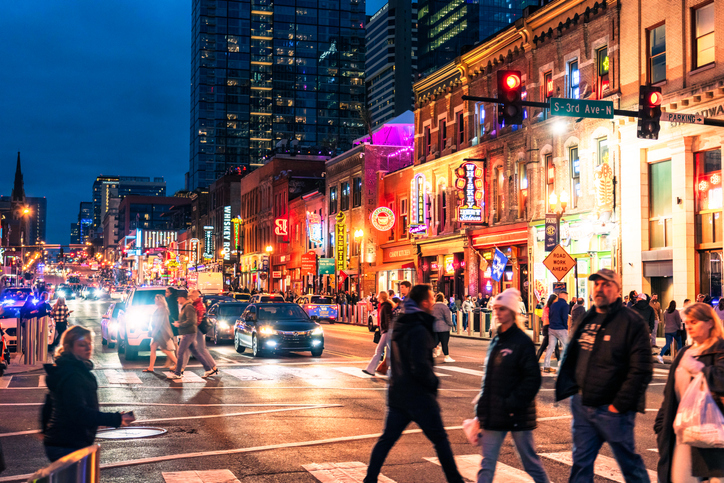
It’s easy to gravitate towards familiar global brands when traveling, but this can mean missing out on the charm and uniqueness local businesses offer. Shopping at local markets, dining at family-owned restaurants, and purchasing handmade crafts contribute directly to the community’s economy. It’s not just about financial support; it’s about embracing the culture and stories behind each product. By prioritizing local establishments, you gain more authentic travel experiences and help preserve the distinct character of each destination. This conscious choice enhances your journey and builds bridges with the local community.
Supporting local businesses can lead to unexpected delights and discoveries that you might not find in a chain store. Often, locals have unique insights and recommendations that can enrich your visit beyond the typical tourist trail. Engaging with local business owners provides a deeper understanding of the culture and traditions that make each place special. By opting for locally-owned options, you contribute to sustainable tourism that benefits everyone involved. It’s a small decision with a big impact, both for you and the community you’re visiting.


