

TikTok can feel like a rollercoaster ride through the latest trends and viral sensations. While some of these fads are fun and harmless, others can subtly creep into your psyche, impacting your mental health in unexpected ways. From beauty challenges to productivity hacks, the trends are as diverse as the people who create them. As you scroll through your feed, it’s crucial to be mindful of the content you engage with and how it makes you feel. Here, we explore 13 TikTok fads that might be doing more harm than good to your mental well-being.
1. The “That Girl” Aesthetic
The “That Girl” trend glamorizes an idealized version of daily life where everything appears perfectly curated. This fad often centers around waking up at 5 a.m., drinking green juice, and maintaining a flawless routine. While it’s inspiring to strive for improvement, the constant pressure to embody this ideal can lead to feelings of inadequacy. The American Psychological Association warns that setting unrealistically high standards can contribute to anxiety and burnout. You might find yourself in a cycle of comparison, which isn’t healthy for your mind or soul.
Moreover, this aesthetic can create a false sense of reality where imperfections are not allowed. It’s easy to overlook the fact that what you see on screen is often a highlight reel, not the full picture. Trying to keep up with the relentless pursuit of perfection can be exhausting. Instead of getting caught up in the race to become “That Girl,” focus on what genuinely makes you feel good. Remember, authenticity is far more sustainable and rewarding than chasing an impossible ideal.
2. The Endless Skin-Care Hacks
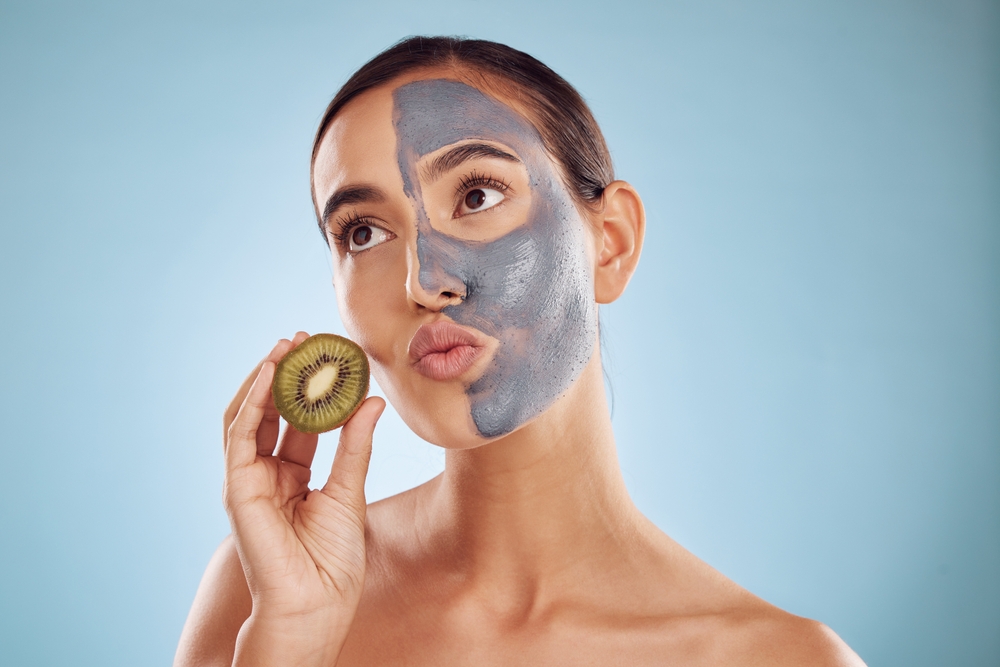
Scrolling through TikTok, you may have seen a slew of new skin-care hacks that promise miraculous results. From DIY face masks to unconventional product combinations, these tips can be tempting to try. However, what works for one person’s skin may not work for yours, leading to irritation or even long-term damage. It’s important to remember that dermatologists spend years understanding skin science, and not every hack is backed by professional knowledge. Before jumping on the next big skin-care trend, consider consulting with a skin-care expert.
The DIY nature of these hacks often lacks the nuance needed for proper skin care. Ingredients that seem harmless can interact in unexpected ways, potentially exacerbating issues like acne or dryness. The allure of quick fixes can make it easy to overlook the benefits of a consistent, tailored routine. Prioritize understanding your skin’s needs rather than seeking out a viral solution. Investing time in a regimen that truly suits you will likely yield better results.
3. The Extreme Diet Fads
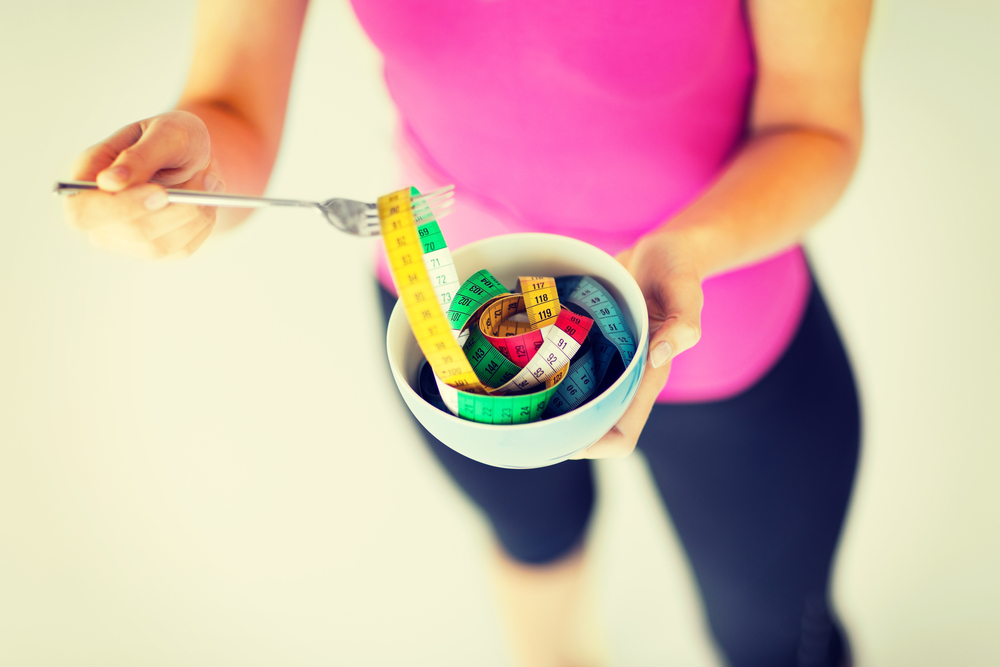
Extreme diet trends on TikTok can quickly gain traction, promising rapid results through often unbalanced eating habits. These trends may involve cutting out entire food groups or promoting restrictive calorie intake, which can be harmful. According to a report by Healthline, following such diets can lead to nutrient deficiencies and disordered eating patterns. It’s tempting to follow the crowd when a trend seems to promise a quick fix, but sustainable health is not achieved overnight. Your body deserves a balanced approach that supports long-term well-being.
Moreover, these diets can set you up for a cycle of yo-yo dieting, where weight loss is unsustainable. The mental toll of this cycle can be significant, leading to lowered self-esteem and a poor relationship with food. As you navigate wellness content, prioritize tips that encourage moderation and inclusivity. Listening to your body’s cues is more effective than adhering to a trending diet. Find what nourishes you, and let that be your guide.
4. The Glorification of Grind Culture

TikTok’s productivity fads often glorify the hustle culture, emphasizing constant work and efficiency. People post videos about maximizing every second of their day, leaving little room for rest or relaxation. This mindset can lead to burnout and mental fatigue, as it overlooks the importance of downtime. While achieving goals is commendable, it’s just as important to recognize the value of slowing down. Balance is key, and rest is an essential component of productivity.
Engaging with this content may leave you feeling like you’re never doing enough. The pressure to be continuously productive can overshadow the need for self-care and relaxation. Remember, taking breaks is not a sign of laziness but a necessary part of a healthy routine. Instead of adopting a relentless drive to do more, focus on achievable daily goals. Allow yourself the grace to pause when needed, ensuring long-term productivity and happiness.
5. The Viral Body Transformation Challenges
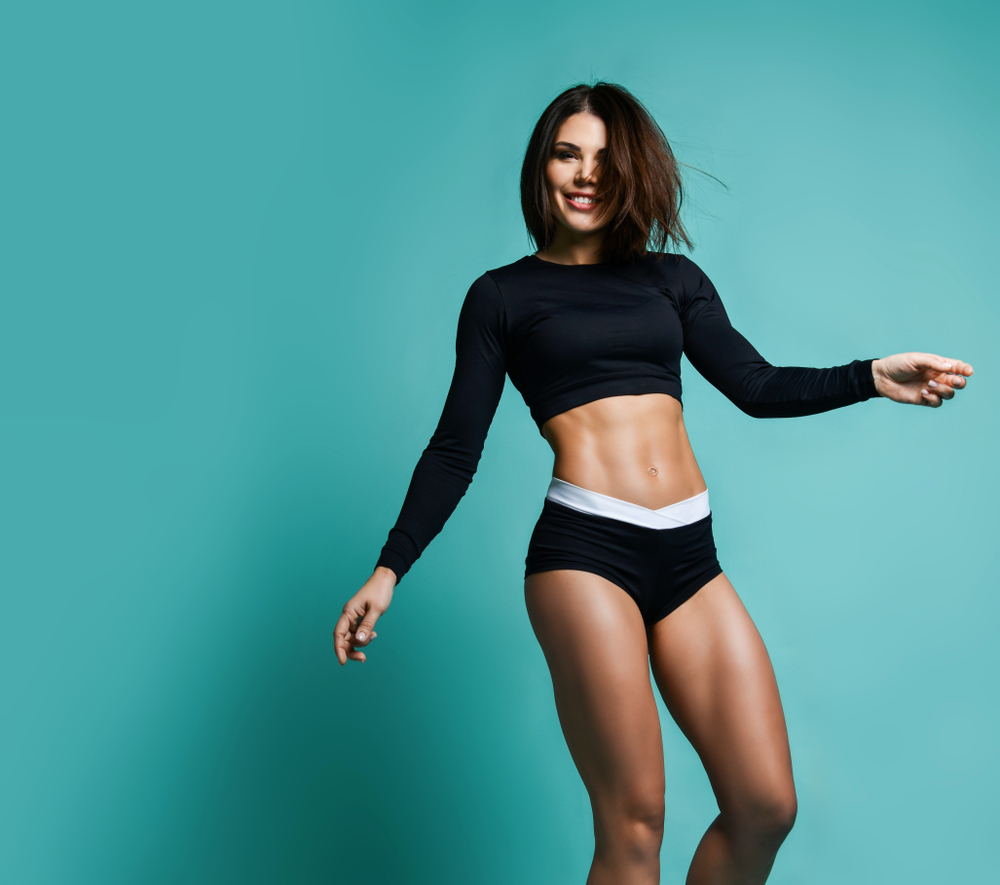
Body transformation challenges are a viral phenomenon on TikTok, often showcasing drastic before-and-after photos. While they can be motivational, they also set unrealistic expectations for body image and fitness. According to a study from the Journal of Health Psychology, exposure to such content can lead to body dissatisfaction and distorted self-perception. These challenges can make you feel pressured to achieve similar results without considering personal limitations or health status. It’s crucial to approach fitness with a mindset rooted in personal progress rather than comparison.
These challenges frequently overlook the journey, focusing solely on the end result. This can lead to an unhealthy obsession with aesthetics rather than overall well-being. Achieving a certain look shouldn’t come at the expense of your mental health or physical health. Instead of chasing transformation trends, celebrate your own milestones and improvements. Prioritize a holistic approach to fitness that encompasses both mental and physical health for lasting benefits.
6. The Toxic Positivity Mantra

Toxic positivity is the idea of maintaining a happy, positive mindset no matter the circumstances. While being optimistic can be beneficial, this trend can quickly become dismissive of genuine emotions. TikTok often showcases people encouraging others to “just think positive” without acknowledging the complexities of feelings. This oversimplification can prevent you from processing emotions in a healthy way. It’s important to recognize that it’s okay to feel down sometimes, and there’s value in addressing those feelings.
Suppressing negative emotions can lead to stress and emotional strain over time. Ignoring what you’re truly feeling can hinder personal growth and mental well-being. Instead of subscribing to toxic positivity, strive for emotional authenticity. Embrace the full spectrum of your emotions, understanding that negativity is as much a part of life as positivity. Seek a balance that allows for both optimism and realism in your approach to life’s challenges.
7. The Toxic Cancel Culture

Cancel culture on TikTok involves boycotting people who are perceived to have done something wrong. While accountability is important, cancel culture can quickly become toxic and lead to online harassment. A Psychology Today article highlights how this trend can contribute to anxiety and fear of making mistakes. The relentless scrutiny can create an environment where people are afraid to express themselves or learn from their missteps. It’s vital to differentiate between holding people accountable and engaging in harmful behavior.
The quick judgment inherent in cancel culture often lacks nuance and forgiveness. This black-and-white thinking can stifle meaningful conversations and personal growth. Instead of jumping to conclusions, strive to understand the context and allow space for apologies and improvement. Encourage dialogues that promote learning and change rather than punitive measures. Fostering a culture of compassion and understanding can lead to more productive outcomes.
8. The Level-Up Trends
Comparison culture runs rampant on TikTok, where snippets of seemingly perfect lives flood your feed. This trend can make it difficult to appreciate your own accomplishments, as you’re constantly measuring yourself against others. The curated content creates an illusion of perfection that is unattainable in real life. It’s easy to forget that you’re seeing only a fraction of someone’s life, not the full picture. Cultivating self-worth by celebrating your unique journey is a healthier way to engage with social media.
When you’re caught in the cycle of comparison, it can lead to feelings of inadequacy and self-doubt. Acknowledging that everyone’s path is different can be liberating. Instead of comparing yourself to others, focus on your own growth and achievements. Be mindful of the content you consume and how it affects your self-esteem. Building a positive self-image requires an internal focus that values personal progress over external validation.
9. The Prank Videos

Viral prank videos can seem entertaining at first, but they often promote behavior that is inconsiderate and mean-spirited. These pranks can escalate quickly, causing emotional distress to those involved. While the reactions are meant to be funny, they can also result in hurt feelings and damaged relationships. The line between a harmless joke and an offensive prank can be thin and easily crossed. It’s essential to consider the impact of these pranks on mental health and well-being.
The pressure to top previous pranks can lead to increasingly risky and harmful behavior. This trend often prioritizes views and likes over the emotional safety of those involved. It’s important to reflect on the potential consequences before participating in or sharing prank videos. Encouraging content that values kindness and empathy creates a more supportive online environment. Choose to engage with videos that uplift rather than those that tear down.
10. The FOMO-Inducing Content
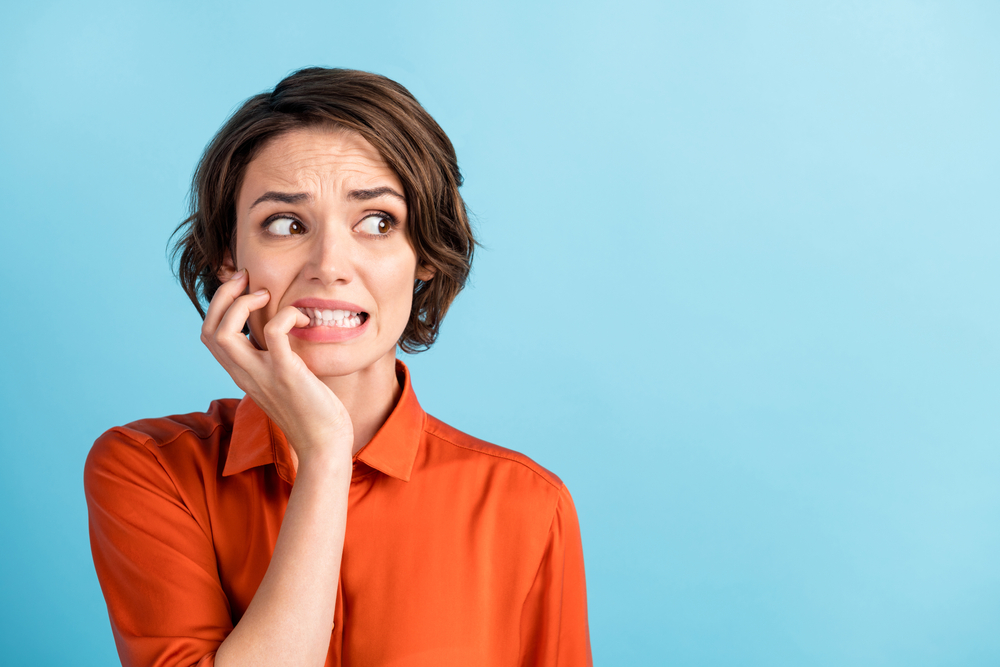
FOMO, or the fear of missing out, is a common feeling exacerbated by TikTok content showcasing lavish lifestyles and exclusive events. Watching people live it up in seemingly perfect scenarios can leave you feeling left out and dissatisfied with your own experiences. This constant exposure can lead to anxiety and a persistent sense of lack. It’s crucial to remember that social media often portrays a distorted reality, focusing on highlights rather than everyday life. Cultivating gratitude for your own life can counteract the negative effects of FOMO.
Watching these videos can create an urge to conform, leading you away from what truly makes you happy. Instead of succumbing to peer pressure, focus on curating experiences that align with your own values and interests. Recognize that true fulfillment comes from within, not from external validation. Engaging with content that resonates with your authentic self can be far more rewarding. Embrace your journey and let it be guided by your passions and joys.
11. The Self-Help Overload

The self-help industry thrives on TikTok, with endless streams of advice promising to change your life. While self-improvement is admirable, overconsumption of such content can be overwhelming and counterproductive. It can lead to information overload, making it difficult to prioritize what truly matters to you. Not every self-help tip will resonate with your life or situation, and that’s okay. It’s important to discern which advice is genuinely beneficial and which is simply noise.
The constant influx of self-help content can create a pressure to be in a perpetual state of self-enhancement. Instead of feeling uplifted, you might feel like you’re never doing enough. Balance is key, allowing yourself moments to simply be, without the need for constant improvement. Take the time to reflect on what areas of growth are significant to you personally. Embrace the journey of self-discovery with patience and grace, allowing room for both growth and contentment.
12. The Manifestation Messages

Manifestation has become a buzzword on TikTok, often misunderstood as simply wishing for what you want. The idea that positive thinking alone can bring about change oversimplifies the process and can lead to disillusionment. True manifestation involves setting clear intentions and taking actionable steps, not just daydreaming. The misconception that thinking positively is enough can result in disappointment and a sense of failure. It’s important to ground your manifestation practice in reality and effort.
When manifestation is portrayed as a magical fix, it can detract from the hard work and dedication needed to achieve goals. This trend may lead people to overlook the importance of persistence and resilience. Instead of relying solely on the power of thought, combine it with real-world actions and strategies. Embrace a balanced approach that values both intention and effort. Manifestation is a tool, not a shortcut, and should be integrated thoughtfully into your life.
13. The Misleading Mental Health Advice

TikTok is awash with mental health advice, some of which can be misleading or incorrect. While well-meaning, not all creators have the expertise or credentials to provide sound guidance. Following unverified advice can lead to ineffective coping mechanisms or exacerbation of mental health issues. It’s crucial to seek information from qualified professionals and trusted sources. Be mindful of where you are getting your mental health advice and the potential impact it can have.
The democratization of advice-sharing on TikTok means anyone can present themselves as an expert. This openness can be both empowering and dangerous if the information shared is not based on evidence. Instead of taking viral advice at face value, research and consult with mental health professionals. Prioritize strategies that are backed by science and personalized to your needs. Empower yourself with knowledge from credible sources to support your mental health journey effectively.


