

In an era where Instagram filters and clever angles can make almost any place look like a fairy tale, the gap between expectation and reality has perhaps never been more pronounced. While some destinations boast undeniable allure, the truth is that first impressions can be deceiving. Many places that seem magical in photos are often hiding uncomfortable truths that are only revealed when you experience them firsthand. Here’s a list of picture-perfect locations that aren’t worth a visit.
1. Santorini, Greece
When you first encounter Santorini in a photograph, it’s easy to be enchanted by its blue-domed churches and pristine whitewashed buildings set against the azure sea. The island seems to be a paradise plucked right out of a dream. However, what these pictures fail to capture is the relentless crush of tourists and the often unbearable summer heat. It feels less like a romantic getaway and more like a bustling theme park.
According to a 2018 report by the World Tourism Organization, Santorini struggles with over-tourism, which exacerbates infrastructure issues and diminishes visitor experience. The island’s narrow paths are often clogged with selfie-stick-wielding crowds, making a leisurely stroll nearly impossible. Prices are exorbitant, and finding a quiet spot to enjoy the sunset can feel like a competitive sport. If you’re searching for solitude, you might want to reconsider your options.
2. Venice, Italy
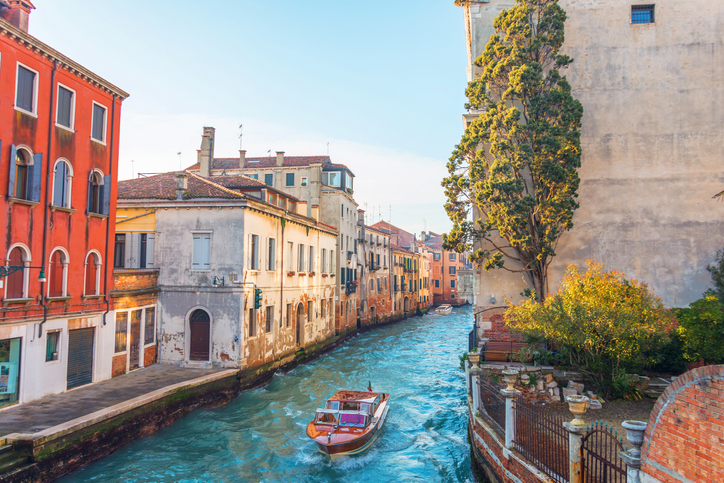
The allure of Venice is undeniable with its intricate network of canals and opulent architecture. It calls to mind romantic gondola rides and quaint bridges that seem untouched by time. Yet, beneath this picturesque veneer lies a city battling rising water levels and serious overcrowding. The notorious ‘aqua alta’ floods can transform your romantic getaway into a damp and soggy ordeal.
Venice is a city that’s sinking—literally and figuratively. The influx of day-trippers from cruise ships has led to a strain on local resources, making it difficult for both residents and long-term visitors to enjoy what Venice has to offer. The city has even imposed new tourist taxes to curb the overwhelming numbers. It’s a reminder that the city’s beauty is both fragile and fleeting.
3. Machu Picchu, Peru

Machu Picchu is often touted as a must-see destination with its mystical ruins set high in the Andes Mountains. Achieving a photo worthy of a travel magazine cover seems all but guaranteed. But the reality of visiting this historic site includes battling altitude sickness and navigating throngs of tourists on narrow pathways. What’s intended as a spiritual journey can quickly turn into a test of endurance.
A study published in the “Journal of Sustainable Tourism” highlights the detrimental impact of excessive foot traffic on Machu Picchu’s delicate ecosystem. The site is at risk of being loved to death, with erosion and structural damage posing significant concerns. Moreover, the local economy can be unforgiving, with inflated prices for everything from bottled water to basic meals. The site’s inherent magic often feels diluted by commercial pressures.
4. Times Square, New York City

Times Square is the so-called “Crossroads of the World,” known for its dazzling lights and towering digital billboards. It’s shown as a symbol of New York’s vibrant energy and cultural melting pot. However, when you step foot in Times Square, you’re more likely to experience sensory overload than classic New York charm. The crowds are relentless, and the noise reaches decibel levels that can be physically draining.
The glamor you see in movies is overshadowed by the crush of tourists, costumed characters, and street vendors vying for your attention. Finding a peaceful corner amidst the chaos is a near-impossible task. The prices in this tourist hub are sky-high, whether you’re buying a pretzel or a theatre ticket. Times Square is a testament to the fact that more isn’t always merrier.
5. The Great Wall of China

The Great Wall of China winds majestically through rugged terrain and holds a storied place in world history. In images, it appears as a majestic ribbon weaving through mountains and valleys. Yet, the reality can be far less serene, especially when you find yourself packed onto the wall like sardines with thousands of other visitors. The experience can be more about elbow room than wonder.
According to a report by the China National Tourism Administration, certain sections of the Wall receive up to 10 million visitors annually. This intense traffic leads to significant wear and tear, affecting both your experience and the integrity of the Wall. The climb can be physically taxing, especially in smoggy conditions that obscure the breathtaking views. The Great Wall remains a marvel, but it is certainly not a solitary escape.
6. The Pyramids of Giza, Egypt

The Pyramids of Giza evoke awe and wonder, standing as enduring relics of the ancient world. They appear isolated in the desert, with the Sphinx standing guard in silent majesty. In contrast, the area around the pyramids can be an overwhelming labyrinth of eager vendors, aggressive touts, and unyielding sun. The mystical aura often portrayed in photographs quickly evaporates amidst the clamor.
The pyramids are located alarmingly close to the urban sprawl of Cairo, which intrudes on the sense of timelessness these monuments are supposed to convey. Dust, pollution, and the constant hassle can detract from their grandeur. While the pyramids themselves are a testament to human ingenuity, the surrounding environment feels more like a relentless bazaar. It’s a place where ancient wonders meet modern chaos.
7. The Eiffel Tower, Paris

The Eiffel Tower stands as an enduring symbol of romance and French elegance. With its intricate iron latticework and sweeping views of Paris, it’s a bucket-list destination for many. However, the reality of visiting this iconic landmark involves long queues, expensive tickets, and overwhelming crowds. The charm of the City of Light can quickly dim under these conditions.
A 2019 article published in “Le Monde” reported that the Eiffel Tower receives over 7 million visitors annually, compounding issues of overcrowding and maintenance. The wait times can stretch for hours, leaving you weary before you even ascend. Once at the top, the cramped observation decks can make it difficult to fully enjoy the panoramic views. Paris remains beautiful, but the Eiffel Tower experience is often more hustle than heart.
8. The Taj Mahal, India

The Taj Mahal is often hailed as the epitome of love, with its gleaming white marble and symmetrical gardens. The photographs capture its serene beauty, often set against a backdrop of a rising or setting sun. Unfortunately, the real experience can include navigating through crowds and dealing with persistent local guides. The air quality can also be less than ideal, casting a hazy pall over your dream visit.
While the Taj Mahal itself is undoubtedly breathtaking, the surrounding area can be chaotic. The queues to enter are long, and once inside, you’re rarely alone with your thoughts or the monument. The stark contrast between the monument’s opulence and the surrounding poverty is striking. It’s a place where love meets reality in unexpected ways.
9. The Blue Lagoon, Iceland

The Blue Lagoon in Iceland is often depicted as a serene oasis where milky blue waters contrast with the rugged volcanic landscape. It’s marketed as a natural wonder, a perfect spot to relax and rejuvenate. However, the lagoon is actually man-made, and its commercialized nature can detract from the experience. The water is often crowded with tourists, making solitude a scarce commodity.
The high mineral content of the water is a draw, but it also means you’ll need to take extra care of your hair and skin afterwards. The lagoon can feel more like a tourist trap than a serene retreat, with high entry fees and additional costs for anything beyond basic entry. The weather is often unpredictable, adding a layer of discomfort to your visit. The allure of the Blue Lagoon is tempered by its reality as a man-made spa experience.
10. The Leaning Tower of Pisa, Italy

The Leaning Tower of Pisa is one of the most recognizable structures in the world and a popular backdrop for tourists’ playful photos. Its iconic tilt makes it one of the most photographed landmarks, often depicted in photos where people pretend to hold it up. However, the reality is a small town inundated with tourists all vying for that perfect snapshot. The experience is less about appreciating architectural oddity and more about navigating crowds.
The area around the tower is filled with souvenir vendors, and the prices are often inflated. Climbing the tower requires a ticket purchased well in advance, as slots fill up quickly. The tower itself, while fascinating, can be underwhelming in person. Pisa is a reminder that sometimes the journey overshadows the destination.
11. The Colosseum, Rome

The Colosseum is a symbol of Ancient Rome’s grandeur and is often depicted as a solitary structure standing amidst the Eternal City’s ruins. It promises a journey back in time to an era of gladiators and emperors. However, the reality is a crowded site that can feel more like a cattle call than an awe-inspiring experience. Long lines and massive groups shuffle through, detracting from the historical significance.
The surrounding area is a maze of tourist traps and street vendors, making it difficult to enjoy a moment of quiet reflection. Inside, the wear and tear of centuries is evident, and the sheer number of visitors can make it difficult to appreciate the scale and engineering marvel. The Colosseum is an essential stop for history lovers, but it’s far from a peaceful one. It’s a testament to the tension between preserving history and accommodating modern tourism.
12. The Peak District, Hong Kong
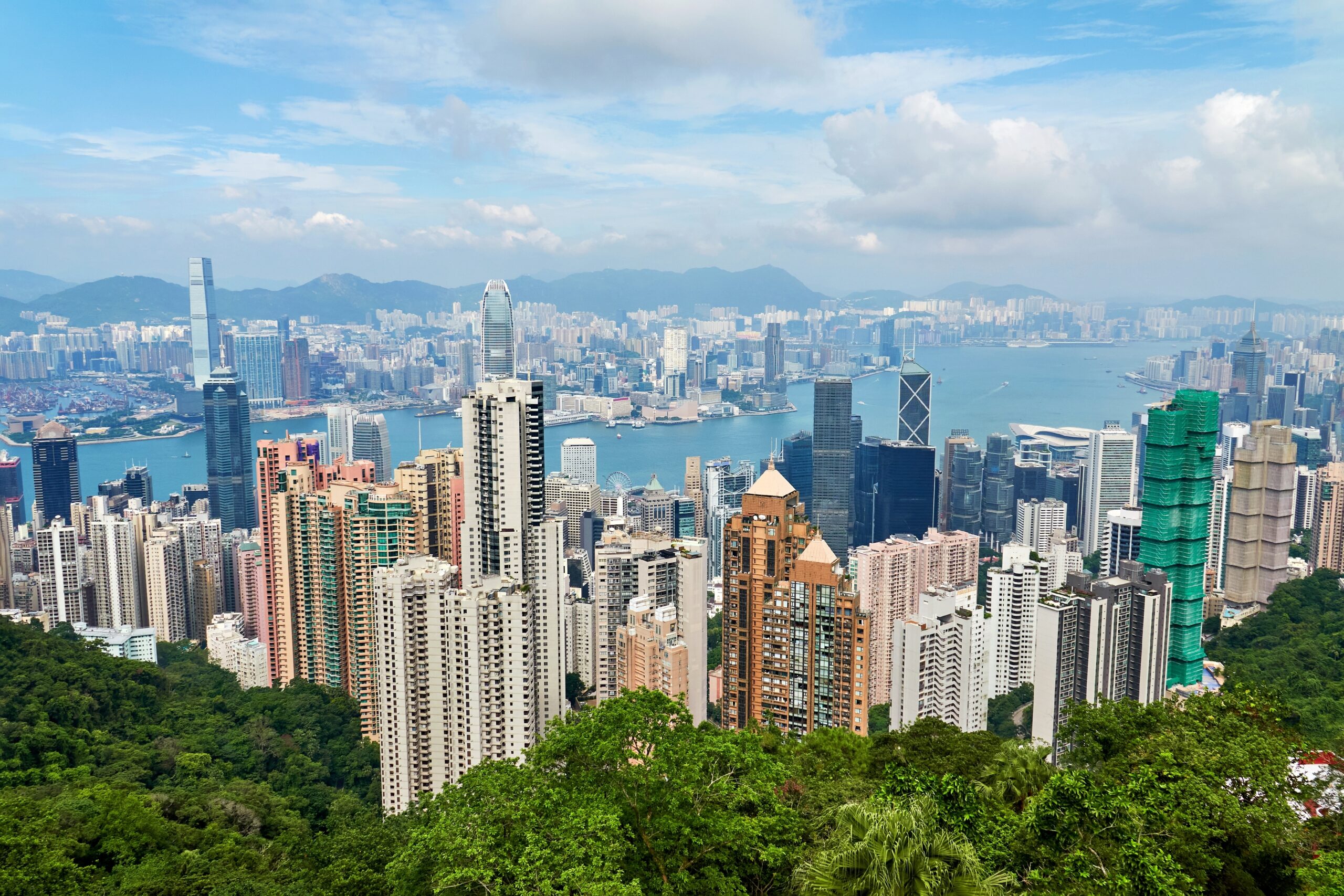
Hong Kong’s Peak District offers stunning views of the city’s skyline and Victoria Harbour, often depicted as a serene lookout amidst lush greenery. It seems like the ideal escape from the urban hustle. In reality, the Peak can be overwhelmingly crowded, especially during peak tourist seasons. The lines for the tram are long, and the observation points are often packed, making it challenging to find a moment of peace.
The commercialization of the area is evident, with shops and restaurants catering to tourists rather than emphasizing the natural beauty. The weather can also be unpredictable, with fog often obscuring the view. While the Peak offers a unique vantage point of Hong Kong, the experience can feel more like navigating an amusement park. It’s a case of nature’s beauty wrestling with human interference.
13. Niagara Falls, Canada/USA

Niagara Falls is often portrayed as a majestic cascade, a symbol of the power and beauty of nature. The photographs capture its grandeur, often with rainbows arcing through the mist. Yet, the area around the falls is a neon-lit tourist hub, filled with chain restaurants and kitschy attractions. The commercialization can overshadow the natural splendor you came to see.
The crowds are ubiquitous, and finding a quiet spot to take in the falls can be an exercise in patience. The prices for parking, food, and attractions are steep, adding a financial burden to your visit. While the falls themselves are a natural wonder, the surrounding area can feel more like a theme park than a serene retreat. Niagara Falls is a place where nature meets commercialism in a striking juxtaposition.


