
Have you ever noticed that flights seem bumpier than they used to be? You’re not alone. With more people voicing concerns about turbulence, it’s worth understanding why flights feel rougher these days and what you can do about it. From changes in weather patterns to the design of modern airplanes, several factors contribute to a bumpy ride. Plus, there’s even a way to snag a calmer seat if the thought of turbulence makes you cringe.
1. Climate Change Is Stirring Things Up
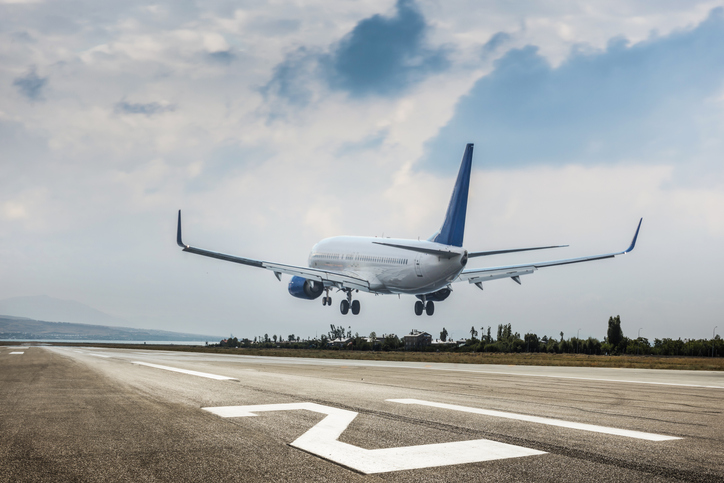
With climate change altering our environment, it’s no surprise that it’s impacting air travel too. The atmosphere is warming, which affects jet streams—the narrow bands of strong wind in the upper levels of the atmosphere. According to Dr. Paul Williams, an atmospheric scientist, these changes can increase turbulence, especially clear-air turbulence, which is hard to predict. Clear-air turbulence occurs without visible warning, like clouds or storms, making it trickier for pilots to avoid. As weather patterns continue to shift, you can expect bumpier flights, a situation airlines are still learning to navigate.
To manage the increased turbulence, airlines are investing in better forecasting technologies and training for pilots. Despite these efforts, you might still find yourself experiencing more turbulence than before. While pilots are skilled at maneuvering through or around the rough patches, it can be unsettling for passengers. Understanding that this is a natural consequence of changing weather can help you feel a bit more at ease. So, next time you’re on a flight and feel a bump, remember it’s just a normal part of flying in today’s world.
2. More Planes Mean More Traffic

Air travel has become a popular mode of transport, which means more planes are in the sky than ever before. Increased air traffic can lead to more turbulent flights, mainly due to the proximity of planes flying through the same air currents. When a plane disturbs the air, it creates wake turbulence, affecting other aircraft flying nearby. This is especially noticeable when flights are stacked closely together during busy travel periods. So, while more people are able to travel quickly, the packed skies might make for a rougher ride.
Airports and aviation authorities are working to manage this increased traffic with advanced radar systems and flight planning. However, with so many planes sharing the same airspace, it’s nearly impossible to avoid encountering wake turbulence. While experienced pilots know how to handle these situations, passengers might still feel the bumps. Keep in mind that air traffic is responsible for some of those unexpected jolts you experience. Knowing this might help you appreciate the skill involved in getting everyone safely to their destination.
3. Turbulence Forecasting Is Still An Inexact Science
Despite technological advancements, predicting turbulence remains a challenging task. Pilots rely on weather reports, radar, and turbulence forecasting models, but these tools aren’t foolproof. According to a study by the National Center for Atmospheric Research, even the most advanced models can only predict turbulence with about 50% accuracy. This means that pilots often have to rely on experience and reports from other aircraft to anticipate rough patches. So, while forecasting has come a long way, it’s still not perfect.
To improve turbulence forecasting, researchers are continually developing new tools and models. However, the unpredictable nature of weather systems poses a significant challenge. Pilots do their best to avoid known turbulent areas, but sometimes they’re caught by surprise. When this happens, they adjust the flight path to minimize discomfort. Knowing the limitations of turbulence forecasting might make you more understanding of those unexpected jostles during your flight.
4. Jet Stream Patterns Are Changing

Jet streams are crucial for determining flight paths and times, but they’re also responsible for creating turbulence. As climate change alters these high-altitude winds, they can become stronger and more erratic. These changing patterns mean that pilots have to be more vigilant when navigating through or around them. When a plane encounters a jet stream, it can lead to a bumpy ride due to the rapid changes in wind speed and direction. While jet streams help planes fly faster when aligned correctly, they can also be a source of turbulence when not.
Pilots are well-trained to handle these changes, often adjusting routes to find smoother air. However, there’s only so much they can do when the jet stream is particularly active. As passengers, it’s essential to understand that these natural air currents play a significant role in the bumps you feel during a flight. It’s all part of the complex dance of forces that keep air travel safe and efficient. So next time you feel a sudden jolt, remember that it’s just the plane interacting with the natural elements at play.
5. Aircraft Design Has Evolved
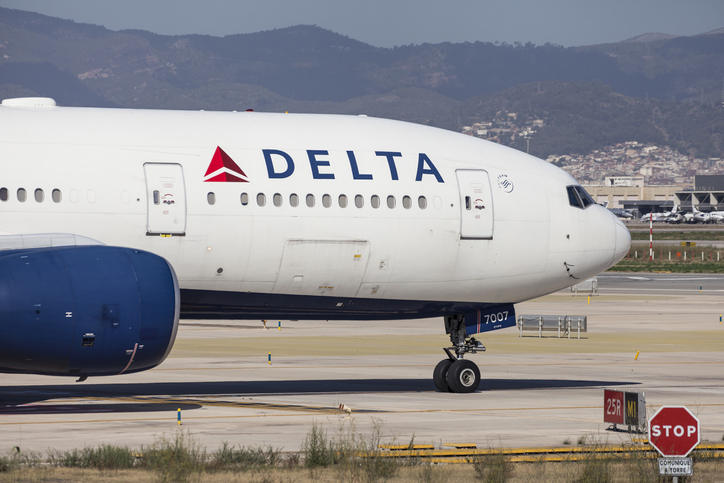
Modern aircraft are designed with efficiency in mind, sometimes at the expense of stability in turbulent conditions. Newer planes are often built with lighter materials to improve fuel efficiency, but can be more susceptible to feeling turbulence. According to aviation expert Patrick Smith, the author of “Cockpit Confidential,” these lighter planes might feel bumpier simply because they react more to turbulent air. However, rest assured that they are still built to withstand rough conditions safely. It’s a trade-off between efficiency and the passenger experience that airlines and manufacturers continue to balance.
Because of these design changes, you might notice a difference in how turbulence feels compared to older models. While you might feel a few more bumps, these aircraft are tested rigorously to ensure passenger safety. Engineers continually work on designs to improve both efficiency and passenger comfort. Despite the occasional rough patch, these modern marvels of engineering are getting you to your destination faster and more efficiently than ever before. It’s a testament to the progress of aviation technology, even if it means a slightly bumpier ride.
6. Air Flow Over Mountains Creates Turbulence

Flying over mountainous regions can often be a source of turbulence due to the way air flows over the terrain. As the wind hits a mountain range, it gets deflected and creates waves in the air above, often resulting in turbulence. These mountain waves can extend for miles beyond the actual mountain range, catching unsuspecting flights in their path. Even on a clear day, turbulence over mountains can be quite strong, making for a bumpy ride. While it’s a natural occurrence, it can still be unsettling for those on board.
Pilots are aware of these geographical factors and take them into account when planning flight routes. However, sometimes flying over mountains is unavoidable, especially on long-haul flights. While it might feel intense, this type of turbulence is usually predictable and manageable. Understanding that the landscape below you is responsible for some of the bumps can help put your mind at ease. It’s just another example of how geography plays a role in your flight experience.
7. Rising Air Traffic Altitude

Airlines are constantly seeking ways to improve fuel efficiency, and one method is to fly at higher altitudes. The less dense air at these altitudes helps reduce drag, allowing planes to use less fuel. However, the higher you go, the more likely you are to encounter turbulence, especially clear-air turbulence. According to the Flight Safety Foundation, higher altitudes can sometimes mean more turbulence, as the air currents at those levels are less predictable. So, while it helps keep costs down, flying higher might make for a bumpier journey.
As a passenger, this means you might feel more turbulence even if the weather is clear outside. Airlines make these decisions to keep ticket prices competitive, and pilots manage this by choosing the best altitude for comfort and efficiency. While you might not notice the altitude change, you might feel the differences in air disturbances. It’s a small price to pay for more affordable air travel and faster flight times. Just keep in mind that your comfort is still a priority, even if a few bumps are part of the ride.
8. Cabin Pressure Can Affect Perception

The cabin environment can also contribute to how you perceive turbulence. While cabin pressure is regulated to keep you comfortable, it can play tricks on your perception of movement. The pressurized cabin can amplify the feeling of turbulence, making bumps seem more intense than they actually are. It’s similar to how you might feel a car ride is bumpier when you’re sitting in the back seat. Understanding this might help ease some of the anxiety associated with turbulence.
Pilots and airlines strive to maintain a stable cabin environment to help mitigate these effects. However, the nature of air travel means that complete smoothness is nearly impossible to achieve. The sensation of turbulence is often amplified by the confined space and reduced visibility from inside the cabin. Knowing that the perception of turbulence can be exaggerated might help you stay calm during your next flight. It’s all part of the unique experience of air travel, one that gets you to faraway places safely and efficiently.
9. Pilots Are Trained To Handle Turbulence

One comforting fact is that pilots are highly trained to deal with turbulence. They undergo rigorous training to learn how to navigate through turbulent skies safely. Even when it feels like the plane is out of control, pilots are trained to maintain stability and control. They communicate with air traffic control and other pilots to find the smoothest routes possible. This training ensures that, despite the bumps, you’re in capable hands.
The flight crew is also trained to manage passenger safety during turbulence. They know how to secure the cabin and keep everyone calm. While turbulence can be unnerving, it’s important to remember that pilots have experienced far worse in their training and careers. Their focus is on keeping you safe, no matter how the plane is moving. So, next time you feel turbulence, take comfort in knowing that the crew is expertly handling the situation.
10. Modern Technology Helps Predict Turbulence

In recent years, technology has made it easier for pilots to anticipate and avoid turbulence. Advanced radar systems and satellite data provide real-time information about weather patterns and air currents. This technology allows pilots to make informed decisions about flight paths and altitudes, helping to minimize the impact of turbulence. While not foolproof, these tools give pilots an edge in navigating tricky skies. They’re yet another layer of safety and comfort in air travel today.
Despite these high-tech tools, some turbulence simply can’t be avoided. Weather systems are complex and constantly changing, making it impossible to predict every bump. However, the technology helps reduce the frequency and severity of turbulence on many flights. As a passenger, you benefit from these advancements, even if you don’t notice them directly. It’s a testament to the ongoing innovation in aviation, aimed at making your flight as smooth as possible.
11. Jet Lag and Fatigue Can Affect Your Perception

Feeling tired or jet-lagged can heighten your sensitivity to turbulence. When you’re fatigued, your body is more susceptible to stress, making bumps in the air feel more pronounced. This can make a routine flight seem like a roller coaster, especially if you’re sleep-deprived. It’s a reminder that your physical state plays a role in how you experience air travel. Sometimes, a simple good night’s sleep can make all the difference.
If you know you’ll be traveling through multiple time zones, try to manage your sleep schedule before the flight. Adjusting your internal clock can help you feel more grounded, even when you’re 30,000 feet in the air. Staying hydrated and avoiding caffeine can also aid in reducing fatigue-related sensitivity. While these steps won’t eliminate turbulence, they can make it feel less overwhelming. Consider them part of your travel preparation for a more comfortable journey.
12. Seat Location Affects Your Experience
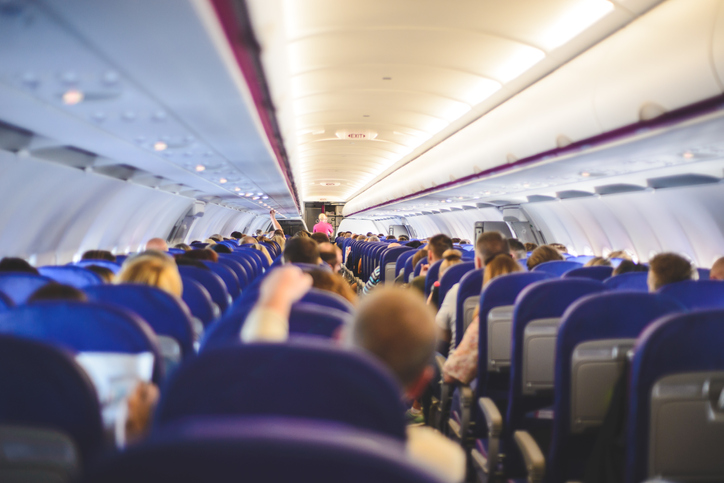
Where you sit on the plane can influence how much turbulence you feel. Generally, seats over the wings experience less movement compared to seats at the front or back of the aircraft. This is because the wings are closer to the plane’s center of gravity, where stability is greater. If turbulence is a major concern for you, consider booking a seat over the wings for a smoother ride. It might not eliminate all bumps, but it can make a difference.
Choosing a seat near the wings is just one of several strategies to increase your comfort during a flight. Some passengers opt for aisle seats, giving them more room to move around if needed. Keep in mind that the back of the plane tends to experience more motion, which might exacerbate feelings of turbulence. By selecting your seat thoughtfully, you can take some control over your flight experience. It’s a simple way to make air travel more comfortable and less stressful.
13. The Cabin Crew Is Trained To Support You

The flight attendants are not just there to serve drinks; they’re trained to assist during turbulence. They know how to secure the cabin and provide support to nervous passengers. Their training includes handling a variety of situations, including turbulence-induced anxiety. They’re a valuable resource if you ever feel uneasy during a flight. Don’t hesitate to reach out to them if you need reassurance or assistance.
The cabin crew can offer tips on staying calm during turbulence, such as focusing on your breathing or using distraction techniques. They also ensure that everyone follows safety protocols, such as keeping seatbelts fastened during turbulent periods. Knowing that trained professionals are watching over you can provide a layer of comfort. While turbulence is part of flying, having a supportive crew can make it more manageable. Remember, they’re there to help make your journey as pleasant as possible.
14. Turbulence Is A Normal Part Of Flying

While it might not be comforting to hear, turbulence is a normal part of flying. It’s a natural occurrence that comes with moving through the earth’s atmosphere. Planes are designed to handle it, and pilots are trained to navigate through it safely. Understanding that turbulence is just part of the process can help alleviate some of the fear associated with it. It’s all part of the adventure of air travel.
Accepting turbulence as a standard aspect of flying can reduce anxiety and improve your travel experience. While it might feel intense, remember that planes are built to withstand far more than what you’re likely to encounter. Pilots and flight crews are prepared to manage whatever comes their way. By adjusting your mindset, you can make turbulence feel less daunting. It’s just one part of getting you to your destination, safe and sound.


