

Extreme weather events have always shaped the course of history, altering civilizations, economies, and even the landscape of Earth. While you may not think about it daily, these natural occurrences can have far-reaching impacts that ripple across time. By looking at these significant events, you can gain a better understanding of how the weather doesn’t just change our plans but can also shift the balance of power and the course of nations. Let’s dig into these 15 extreme weather events that left a lasting mark on the world.
1. The Little Ice Age
You might think of Europe as a place steeped in art, culture, and history, but for a period between the 14th and the 19th centuries, it was also a land of harsh winters and chilling summers. This period, known as the Little Ice Age, brought severe cold that froze rivers and lakes, leading to failed crops and widespread hunger. According to historian Brian Fagan, the Little Ice Age even influenced events like the French Revolution, as food shortages heightened tensions among the masses. The colder climate also affected the economy, as canals and rivers that were once reliable trade routes became impassable. It’s fascinating to consider how a drop in temperature could influence so many facets of society.
The Little Ice Age wasn’t just a European affair; it had global implications. In North America, it contributed to the decline of the Norse settlements in Greenland. The harsher conditions made it difficult for these communities to sustain themselves, leading to their eventual disappearance. Meanwhile, in Asia, the cold weather affected agriculture, causing rice crops to fail and leading to famine. These widespread impacts remind you of how interconnected the world is, even centuries ago.
2. The Dust Bowl

If you’ve ever driven through the Great Plains of the United States, you might find it hard to imagine them as anything but fertile. Yet, during the 1930s, this region experienced one of the most devastating environmental disasters in American history—the Dust Bowl. A combination of poor farming practices and severe drought turned the once-productive land into a barren wasteland. Dust storms became so frequent and severe that they earned nicknames like “black blizzards,” choking crops and livestock alike.
For thousands of families, the Dust Bowl meant packing up and leaving their homes in search of better opportunities elsewhere. This mass migration altered the social fabric of America, contributing to urbanization and economic changes. The government’s response also led to new agricultural policies that emphasized soil conservation, reshaping farming practices for future generations. It’s a stark reminder of how human activity and natural forces can combine to create disaster. Sometimes, correcting course involves profound societal shifts that last far beyond the event itself.
3. The Great Flood Of 1931

In 1931, China was the site of one of the deadliest natural disasters in recorded history, and it all stemmed from water. Unusually high rainfall and melting snow caused the Yangtze, Yellow, and Huai Rivers to overflow, resulting in the Great Flood of 1931. This catastrophic event displaced millions and claimed the lives of an estimated 4 million people. According to environmental historian John Perlin, the flood vastly changed China’s landscape and the way the country approached disaster readiness.
The floodwaters didn’t just affect people’s homes; they also destroyed crops, leading to severe food shortages. Disease spread quickly in the damp, unsanitary conditions, exacerbating the human toll. In response, the Chinese government began to implement flood control measures, including dams and levees, to mitigate future catastrophes. Yet, the scale of this disaster emphasized the limitations of human engineering when faced with natural forces. It’s a somber reminder of how vulnerable societies can be in the face of extreme weather.
4. Hurricane Katrina

You don’t have to look too far back in history to find an event that reshaped a region and its people profoundly. In 2005, Hurricane Katrina made landfall in the Gulf Coast, bringing with it unprecedented destruction. New Orleans, a city known for its vibrant culture and rich history, bore the brunt of the storm. Levees meant to protect the city failed, leading to widespread flooding that displaced thousands and claimed over 1,800 lives.
The aftermath of Katrina highlighted significant deficiencies in disaster preparedness and response. The federal, state, and local governments faced criticism for their slow and inefficient handling of the crisis. As a result, changes were made to improve emergency response systems and infrastructure resilience. Still, the scars left by the hurricane are visible in New Orleans today, both physically and socially. This tragic event serves as a wake-up call, reminding you of the importance of being prepared for natural disasters.
5. The Year Without A Summer

Imagine a summer so cold that it felt like winter, and you’ll get a sense of what 1816 was like for many people around the world. Known as “The Year Without a Summer,” this period saw global temperatures drop significantly due to the eruption of Mount Tambora in Indonesia in 1815. The volcanic ash and sulfur injected into the atmosphere led to a temporary climate shift. Climatologist Dr. Michael Mann explains how this climate anomaly resulted in widespread crop failures and food shortages.
In Europe and North America, people struggled to adapt to the unexpected chill. Frost and snow in June and July led to failed harvests, exacerbating food scarcity and leading to economic hardship. The lack of food and economic instability contributed to social unrest in various regions. Interestingly, some historians believe that the gloomy weather even inspired cultural changes, influencing the works of authors like Mary Shelley. It’s a fascinating example of how an event on one side of the world can have far-reaching effects.
6. The Blizzard Of 1888

Snow can turn a landscape into a winter wonderland, but when it comes in overwhelming amounts, it can also bring life to a standstill. That’s exactly what happened during the Blizzard of 1888, which hit the northeastern United States with ferocious force. Snowdrifts towered over people, reaching as high as 50 feet in some places, paralyzing cities like New York, Boston, and Philadelphia. Transportation ground to a halt, with railroads and streets buried under heaps of snow.
For the people caught in this historic blizzard, the challenges were numerous. Basic services were disrupted, and many found themselves stranded without access to food or firewood for days. The blizzard also highlighted the vulnerabilities in urban infrastructure, pushing cities to invest in underground utilities and transportation systems. The lessons learned from this natural disaster led to significant changes in how cities handle extreme weather. It acts as a reminder that even familiar weather patterns can take unexpected and dangerous turns.
7. The Great Smog Of London

Air pollution may not spring to mind when you think of extreme weather, but in 1952, London experienced it in a terrifying form. Known as the Great Smog, a thick fog combined with coal smoke blanketed the city, causing respiratory issues that led to an estimated 12,000 deaths. According to environmental historian Stephen Mosley, this event was a key moment in raising awareness about air quality and its effects on health. People were taken by surprise, as daily life became hazardous almost overnight.
The Great Smog disrupted transportation and emergency services, bringing London to a near standstill. Visibility was so poor that people couldn’t see their own feet at times, leading to accidents and chaos. In response to the smog, the UK government eventually passed the Clean Air Act of 1956, which aimed to reduce air pollution by controlling smoke emissions. The event serves as a crucial reminder of the impact that human activity can have on the environment. It also underscores the importance of proactive policies in safeguarding public health.
8. The Indian Ocean Tsunami

On December 26, 2004, a massive undersea earthquake triggered one of the deadliest tsunamis in recorded history. This disaster had an epicenter off the west coast of northern Sumatra, Indonesia, and resulted in towering waves that devastated coastal areas in multiple countries, including Thailand, India, and Sri Lanka. The Indian Ocean Tsunami claimed the lives of over 230,000 people, altering countless lives and communities in the affected regions. The sheer scale of the destruction was overwhelming, with entire towns flattened and infrastructure obliterated.
In the aftermath, humanitarian efforts poured in from around the globe, highlighting the power of international cooperation in times of crisis. However, the event also exposed the lack of an effective tsunami warning system in the Indian Ocean. As a result, countries in the region have since collaborated to establish better early warning systems and disaster preparedness plans. The tsunami’s legacy is not just one of tragedy but also of learning and adapting to reduce future risks. It’s a sobering reminder of nature’s unpredictable power and the need for vigilance.
9. The Great Galveston Hurricane

At the turn of the 20th century, the coastal city of Galveston, Texas, was unprepared for what would become the deadliest natural disaster in U.S. history. The Great Galveston Hurricane of 1900 made landfall with devastating force, flooding the city and causing between 6,000 and 12,000 fatalities. This catastrophic event left Galveston in ruins, with homes and buildings reduced to debris and the community in shock. The city was never the same, as it struggled to rebuild and regain its former prominence.
Before the hurricane, Galveston had been a booming port city, but the disaster shifted economic focus to Houston, which is now the major hub of the region. In response to the hurricane, Galveston undertook significant engineering efforts, including the construction of a seawall to protect against future storms. The hurricane also led to changes in weather forecasting and early warning systems, aiming to prevent such a tragedy from happening again. This event serves as a painful lesson in the importance of preparedness and the potential impact of extreme weather on a community’s future.
10. Cyclone Bhola

In November 1970, Cyclone Bhola struck East Pakistan, now Bangladesh, and the West Bengal area of India, marking one of the deadliest tropical cyclones ever recorded. The cyclone’s storm surge inundated coastal villages, claiming the lives of an estimated 300,000 to 500,000 people. The human toll was staggering, and the event revealed significant shortcomings in disaster response and preparedness. The devastation intensified existing political tensions in Pakistan, ultimately playing a role in the Bangladesh Liberation War and the creation of Bangladesh as an independent nation.
Cyclone Bhola highlighted the urgent need for improved warning systems and disaster management strategies in the region. Since then, Bangladesh has made strides in cyclone preparedness, including the development of cyclone shelters and better forecasting capabilities. This transformation illustrates how a tragic event can catalyze positive change in disaster preparedness. The story of Cyclone Bhola is a testament to human resilience and the capacity to learn and adapt in the face of nature’s fury.
11. Mount St. Helens Eruption
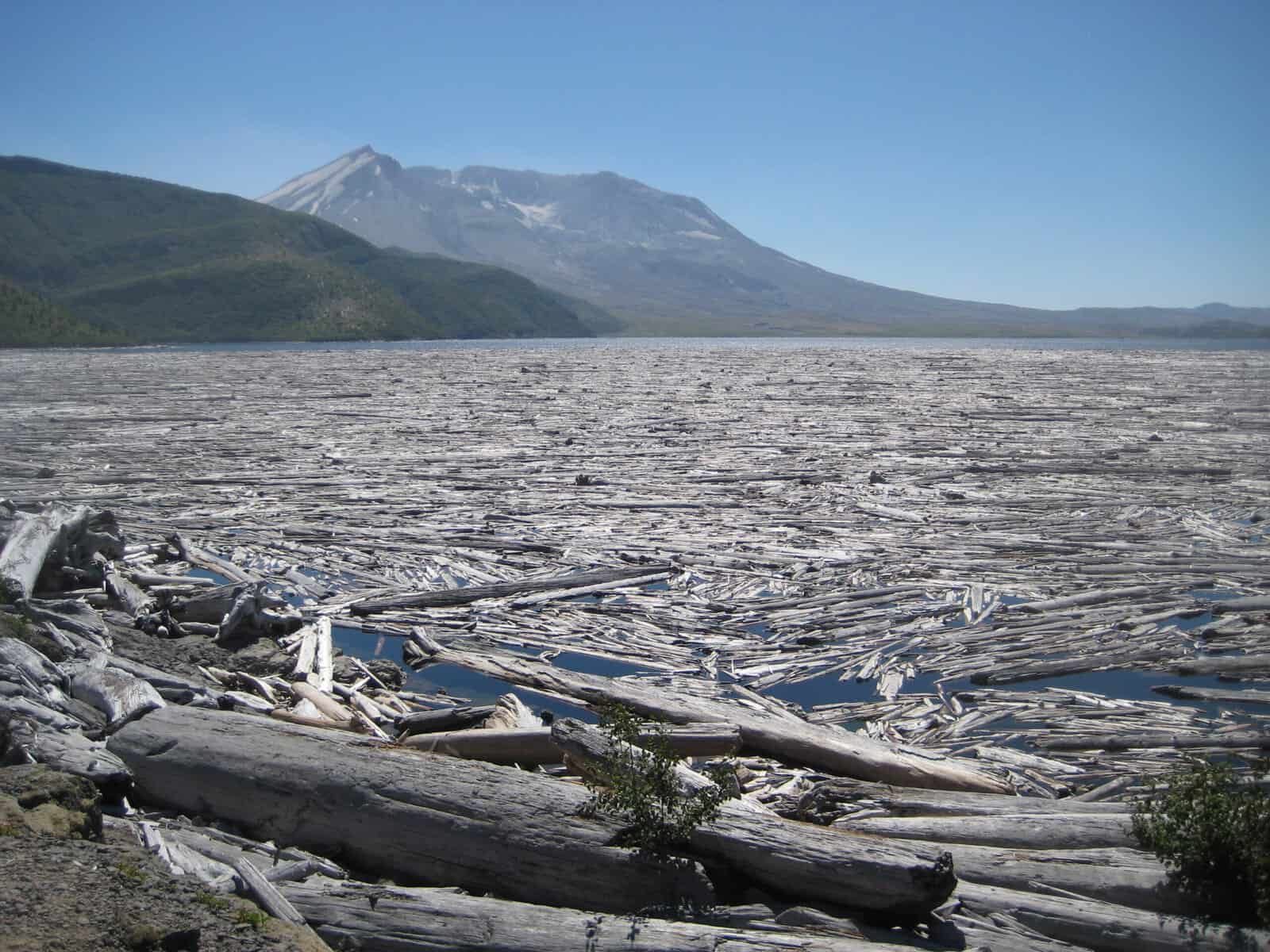
When Mount St. Helens erupted in 1980, it wasn’t just a local event; it was a spectacle that drew global attention. The eruption blew off the top of the mountain, spewing ash thousands of feet into the air and devastating the surrounding landscape. It was the most economically destructive volcanic event in U.S. history, causing an estimated $1 billion in damages. The eruption killed 57 people and left a lasting impression on the scientific community, emphasizing the need for volcano monitoring and research.
The environmental impact was colossal, with entire forests flattened and river ecosystems altered. However, the eruption also provided a unique opportunity for scientists to study ecological recovery in real-time. Over the years, the area around Mount St. Helens has become a living laboratory for understanding how nature rebounds from devastation. This event underscores the dual nature of natural disasters, which can be both destructive and enlightening. It’s a vivid reminder of the power of nature and the importance of scientific inquiry.
12. The Great Fire Of Peshtigo
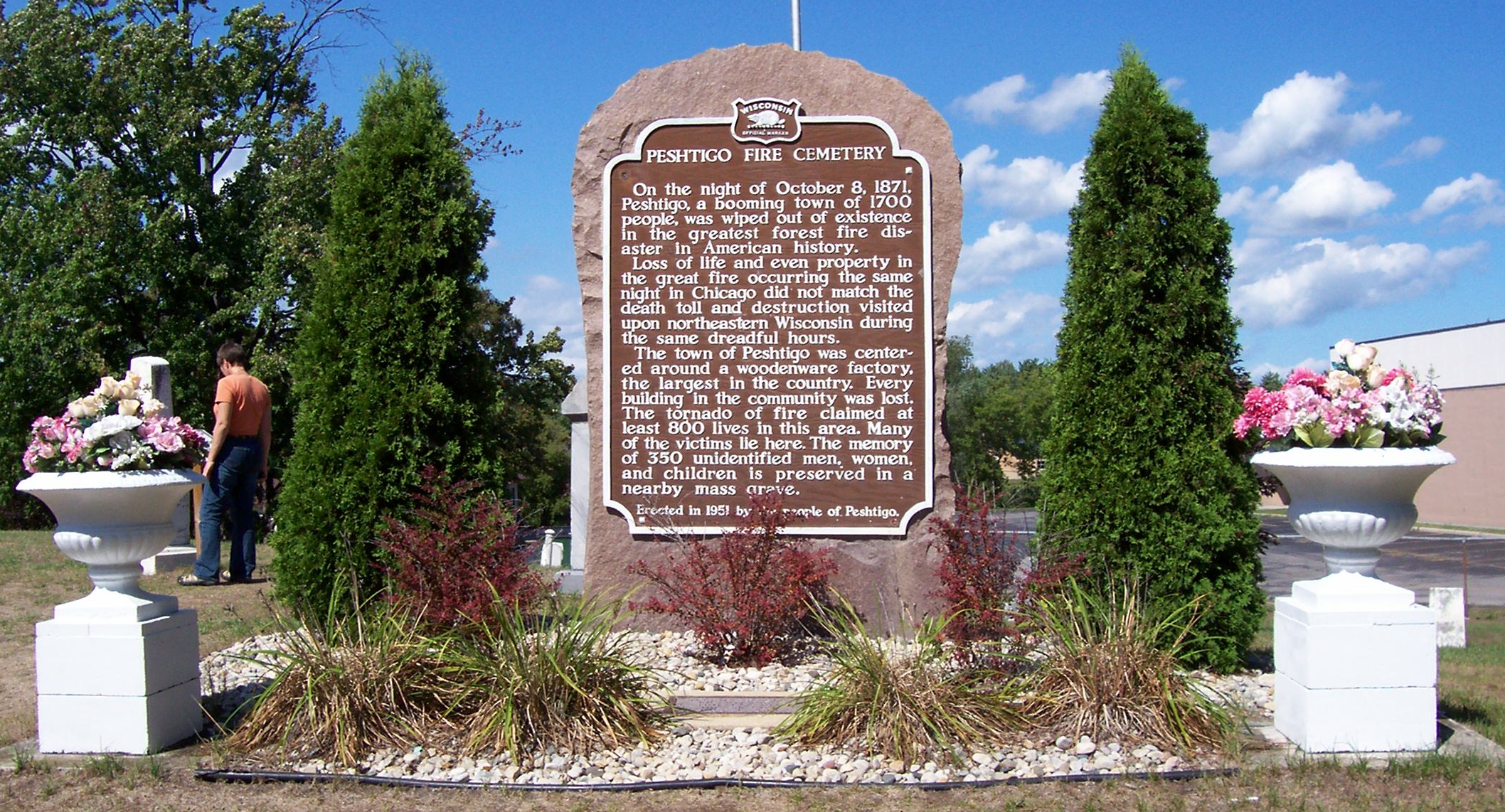
You might not have heard of it, but the Great Fire of Peshtigo was the deadliest wildfire in U.S. history. On October 8, 1871, the same day as the more famous Great Chicago Fire, Peshtigo, Wisconsin, and the surrounding areas were engulfed in flames. The wildfire claimed the lives of between 1,500 and 2,500 people, leaving behind a charred landscape and devastated communities. Unlike the Chicago Fire, the Peshtigo Fire garnered less national attention, yet its impact on those affected was profound.
The fire swept through the area with astonishing speed, fueled by dry conditions and strong winds. Attempts to escape were often futile, as the fire moved faster than many could run. The disaster highlighted the need for better forest management and fire protection measures. In its wake, it also led to changes in building codes and fire safety regulations. The Great Fire of Peshtigo remains a somber reminder of the potential for devastation when natural conditions and human activity collide.
13. The Hindenburg Disaster

While not a natural disaster, the Hindenburg disaster was affected by weather conditions that played a role in the tragic outcome. On May 6, 1937, the German airship Hindenburg attempted to land at Lakehurst Naval Air Station in New Jersey, facing gusty winds. As the crew tried to moor the airship, it burst into flames, killing 36 people and bringing an end to the era of passenger airships. It was a defining moment in aviation history, captured in the infamous footage that remains iconic to this day.
The disaster prompted an immediate investigation into airship safety and the materials used in their construction. Hydrogen, the highly flammable gas that filled the Hindenburg, was quickly replaced by the safer helium in future airships. While the Hindenburg disaster was primarily a failure of technology, the role of weather in its final moments cannot be ignored. This tragic event serves as a reminder of the delicate balance between technology, nature, and human error. It underscores the importance of safety measures and contingency planning in any endeavor.
14. The Irish Potato Famine

The Irish Potato Famine, also known as the Great Hunger, was a period of mass starvation and disease in Ireland from 1845 to 1852. It was triggered by a potato disease called late blight, which thrived in the wet and cool conditions that plagued Ireland during those years. The potato was a staple food, especially for the poor, and its failure led to approximately a million deaths and the emigration of another million people. This disaster had profound social, economic, and political effects, reshaping Ireland and its relationship with Britain.
The famine exposed the vulnerabilities of relying too heavily on a single crop, especially in a challenging climate. It also highlighted issues of social inequality and inadequate government response, as British policies failed to provide sufficient relief. In the years following the famine, Ireland saw significant changes in land ownership and agricultural practices. The Irish Potato Famine serves as an enduring lesson about food security and the importance of agricultural diversity. It remains a poignant chapter in history that underscores the complex interplay between nature and human societies.
15. Typhoon Tip

In 1979, Typhoon Tip became the largest and most intense tropical cyclone ever recorded. With tropical storm-force winds extending over 1,380 miles in diameter, Tip impacted a vast area in the western Pacific. The typhoon caused widespread damage, particularly in Japan, where it led to landslides, floods, and loss of life. Tip’s sheer size and strength provided critical insights for meteorologists studying the dynamics of tropical cyclones.
The storm also prompted advancements in weather forecasting and cyclone tracking technologies, which have improved early warning systems. These developments help mitigate the impact of future typhoons, saving lives and reducing economic losses. Typhoon Tip serves as a reminder of the potential power and scale of tropical cyclones, highlighting the importance of ongoing research and preparedness. It underscores the continuous need for innovation in understanding and responding to extreme weather events.


