

We all know that the environment is going through some tough times. It’s like Mother Nature is trying to send us a message, using everything at her disposal. Maybe it’s time we start paying attention to these signs. Here are 15 ways she’s showing us that she’s running out of patience.
1. Record-Breaking Temperatures
Every summer seems to break the previous year’s record. You probably feel like you need to carry a portable fan everywhere you go. According to climate scientist Dr. Jessica Smith, the consistent rise in global temperatures is a direct result of human activity, primarily the burning of fossil fuels. This isn’t just about being uncomfortable; it’s about the long-term impacts on our ecosystems and health. If you think about it, even your pets are feeling the heat more than ever.
If you’ve noticed your energy bills skyrocketing, you’re not alone. The increased demand for air conditioning is one small way we’re all trying to cope. And as temperatures continue to rise, this puts even more strain on energy resources. It’s like a vicious cycle that needs to be broken before it breaks us. So, maybe next time, consider using a fan or spending time in a shaded park instead of cranking up the AC.
2. Unpredictable Weather Patterns

You can’t rely on the weather forecast anymore, can you? One day it’s sunny, the next it’s pouring down like a monsoon. This unpredictability is more than just an inconvenience for planning picnics. It has serious implications for agriculture and food security. Farmers are finding it harder to grow crops because the weather doesn’t follow any predictable patterns anymore.
When crops fail, food prices increase, which impacts everyone. So, even if you’re not a farmer, you’ll feel the pinch at the grocery store. And let’s not forget the small businesses that rely on good weather to thrive, like outdoor cafés and event venues. They’re facing challenges daily due to these erratic conditions. So, every time you complain about the weather, remember there’s a larger issue at play.
3. Melting Polar Ice Caps

The ice caps are melting faster than we ever imagined. You might think this doesn’t affect you, but it does in more ways than one. Dr. Hannah Levine, a marine biologist, points out that as these ice caps melt, sea levels rise, which means coastal cities are at risk. The loss of ice also contributes to even more climate change because less sunlight is reflected away from the Earth. This means more heat gets trapped, making the planet warmer overall.
Communities living by the coast are already facing increased flooding. Insurance companies are getting nervous, and you might start seeing your premiums rise. Even if you’re living inland, this impacts global economies and, by extension, your wallet. So, it’s not just some distant problem we can ignore. We’re all in this together.
4. Rampant Wildfires

It seems like every year, wildfires are more intense and widespread. You’ve probably seen the smoky skies and felt the health impacts on your respiratory system. It’s not just happening in remote areas; urban centers are increasingly at risk, too. This affects air quality and public health in ways that are both immediate and long-lasting. If you’ve ever had to change your outdoor plans because of bad air quality, you’ve felt this impact firsthand.
Firefighters are stretched thin, and the cost of fighting these fires is astronomical. You’re seeing more resources being allocated to combat these disasters. This means less funding for other essential services. So, when you read about another wildfire, remember that it has a ripple effect that impacts us all. It’s not just a problem for “someone else” to deal with.
5. Diminishing Biodiversity
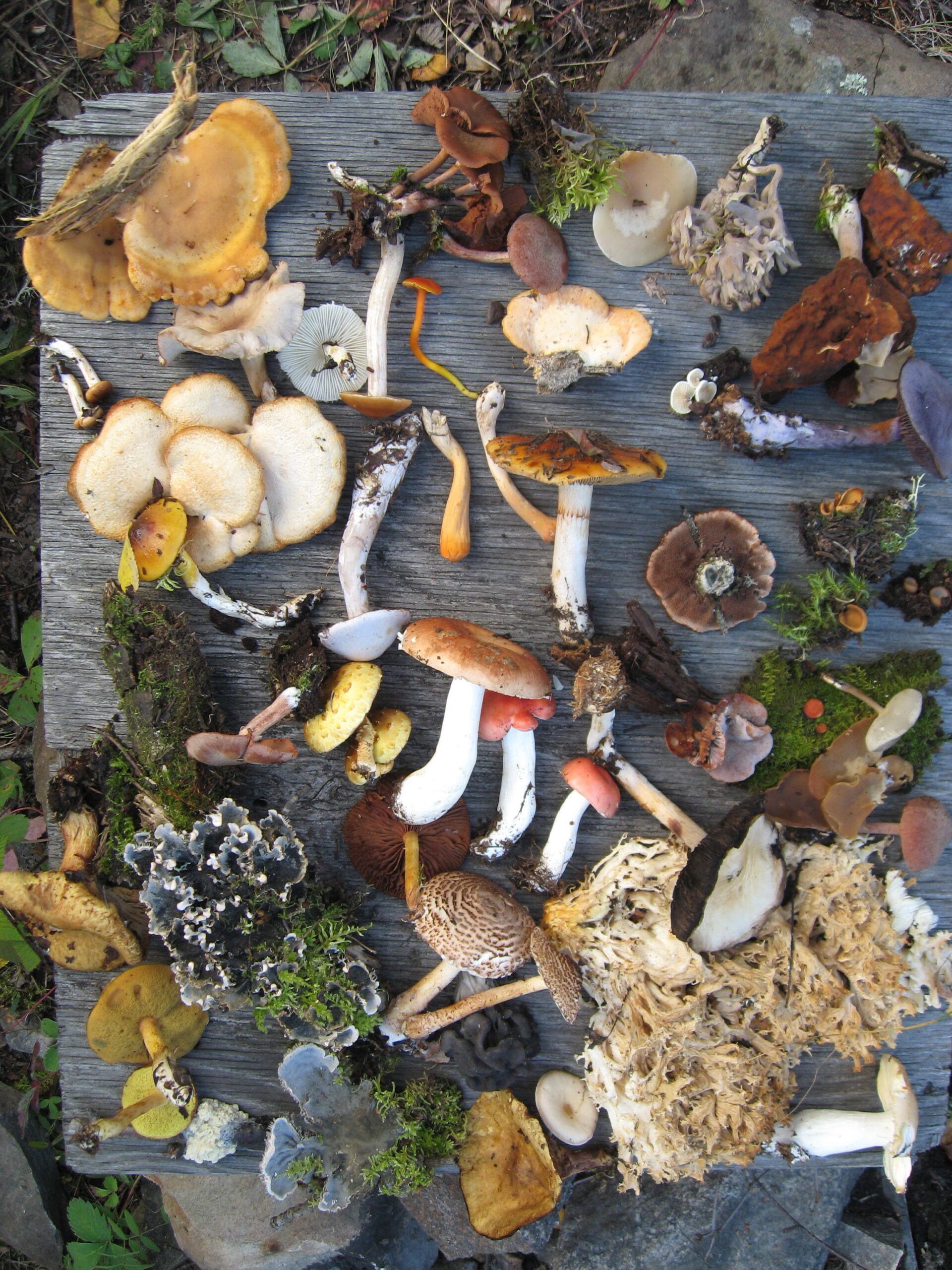
Biodiversity is declining at an alarming rate, affecting ecosystems globally. You might not see it daily, but this loss impacts everything from food chains to natural resources. Conservation ecologist Dr. Michael Green emphasizes that the extinction of one species can have a domino effect, leading to the collapse of entire ecosystems. Every creature has a role, and when one disappears, it creates a void that can destabilize the environment. This means fewer resources for humans, like food and medicine derived from plants and animals.
In your own backyard, you might notice fewer birds or insects. This is a sign that something is amiss in the natural balance. Even if you’re not directly involved in conservation, these changes impact your life. The cost of ignoring this issue is too high, as it can lead to irreversible damage. When biodiversity suffers, we all suffer.
6. Strained Water Resources

Water scarcity is becoming a reality for more people every year. You’ve probably noticed stricter water usage regulations in your area. This is not just a minor inconvenience; it’s a sign of a much larger problem. Water is essential for life, and limited access can lead to severe health and sanitation issues. It’s a problem that affects every aspect of daily life, from what you drink to how you clean.
Agriculture is one of the biggest consumers of water, and when water is scarce, crops suffer. This again leads to higher food prices and less availability of certain products. Industries also rely on water for production, meaning that shortages can lead to economic downturns. So, next time you leave the tap running, remember that every drop counts. We need to start treating water as the precious resource it truly is.
7. Increased Frequency Of Natural Disasters

Natural disasters are becoming more frequent and more severe. You’ve probably seen the headlines or even experienced one firsthand. According to meteorologist Dr. Karen Hill, the increase in hurricanes, floods, and earthquakes is linked to climate change. These events are devastating communities and leading to massive economic losses. Recovery from such events can take years, leaving people in a constant state of rebuilding.
Insurance companies are struggling to keep up with the payouts, which drives up your premiums. If you live in a high-risk area, you might even find it challenging to get insurance coverage at all. Beyond the financial impact, these disasters displace communities, leading to social and mental health issues. This isn’t just a problem for people far away; it’s happening in your own country. So, it’s high time we take preventive measures seriously.
8. Ocean Acidification

Ocean acidification sounds like a scientific term that doesn’t concern you, but it should. This process is altering marine ecosystems at an alarming rate. When carbon dioxide is absorbed by seawater, the water becomes more acidic, affecting marine life. Shellfish, corals, and even some fish can’t survive in these conditions. This impacts the fishing industry and, consequently, the food on your table.
Increased acidity in oceans also affects tourism. Coral reefs are major tourist attractions, and their degradation leads to fewer tourists and less income for local economies. If you enjoy seafood, you’ll see higher prices and less availability. Ocean acidification is not just an environmental issue; it’s an economic one, too. The ripple effects reach far beyond the shoreline.
9. Deforestation

Deforestation is happening at a pace that’s hard to fathom. You might not see it every day, but it has far-reaching impacts on climate and biodiversity. Forests act as the lungs of our planet, absorbing carbon dioxide and releasing oxygen. When they’re cut down, that balance is disrupted, contributing to climate change. It’s a cycle that affects air quality, weather patterns, and even global temperatures.
Communities that rely on forests for their livelihood are suffering. They lose resources for food, medicine, and shelter. This often leads to increased poverty and migration, putting pressure on urban centers. Deforestation isn’t just an environmental issue; it’s a social one. The quicker we address it, the better it will be for everyone.
10. Coral Bleaching

Coral bleaching is one of those issues that’s easy to ignore but has massive implications. When water temperatures rise, corals expel the algae that give them color, leading to a white, “bleached” appearance. This isn’t just cosmetic; it’s deadly for the coral. Without algae, corals can’t get the nutrients they need and eventually die. This affects marine biodiversity and the economies that rely on it.
If you enjoy snorkeling or diving, you’re likely to see fewer vibrant coral reefs. This impacts tourism, reducing income for local communities. Fish populations also decline, affecting fishermen and seafood availability. Coral reefs act as barriers against storm surges, so their loss puts coastal areas at greater risk. It’s a cascading effect with consequences for both nature and humans.
11. Air Pollution

Air pollution is something you can’t escape, no matter where you live. You might think it’s just about smog in big cities, but it affects rural areas too. Pollutants from factories, cars, and even household products contribute to poor air quality. This leads to health problems like asthma, heart disease, and even cancer. If you’ve noticed more people wearing masks or air purifiers flying off the shelves, this is why.
It’s not just about health; air pollution affects the environment too. Plants and animals suffer, leading to reduced biodiversity. Polluted air can also affect water quality when it settles into bodies of water. The economic costs of healthcare and environmental damage are staggering. So, next time you see a car idling, remember it’s part of a much larger problem.
12. Plastic Pollution

Plastic pollution is more than just an eyesore; it’s a global crisis. You’ve seen the images of oceans filled with plastic waste and animals suffering because of it. It’s not just large pieces of plastic causing the damage. Microplastics have infiltrated our food and water supply, affecting health in ways we don’t even fully understand yet. This is a problem that has spiraled out of control.
Recycling is not enough to tackle this issue. We need to reduce our plastic consumption overall. The convenience of single-use plastics comes at the cost of long-term environmental damage. It’s time to consider alternatives, like reusable containers and biodegradable options. If we don’t, the consequences will keep piling up, just like the plastic waste.
13. Soil Degradation

Soil degradation is a silent but deadly issue affecting agriculture and food supply. You’ve likely seen barren fields or heard about crop failures. When soil loses its nutrients, it can’t support plant life effectively. This leads to reduced crop yields and affects the quality of the food you eat. It’s a cycle that’s hard to break once it begins.
Farmers have to use more fertilizers to make up for poor soil, which further degrades the land. This increases costs and harms the environment. Erosion, deforestation, and industrial agriculture practices all contribute to this problem. If we don’t take care of our soil, we risk losing a critical resource for future generations. It’s an issue that requires immediate action and sustainable solutions.
14. Urban Heat Islands

Urban areas are heating up faster than their rural counterparts, creating what scientists call “urban heat islands.” You’ve probably noticed how cities feel hotter than the countryside. This phenomenon not only affects comfort but also energy consumption and public health. More heat means more demand for air conditioning, increasing energy use and emissions. If you live in a city, you’ve likely felt the effects firsthand.
Green spaces and reflective surfaces can help reduce this effect, but development often prioritizes buildings over parks. This makes it a challenging issue to address. Communities in lower-income areas suffer the most, as they often lack the resources to cope with extreme heat. It’s a problem that exacerbates social inequalities. Addressing urban heat islands is crucial for creating livable, sustainable cities.
15. Loss Of Freshwater Ecosystems
Freshwater ecosystems are disappearing at an alarming rate. This might not seem like a big deal until you realize how crucial they are for biodiversity. Rivers, lakes, and wetlands support a variety of life, including fish, insects, and plants. When these ecosystems are damaged or destroyed, it affects everything from food supply to water quality. You’ve probably heard about the declining fish populations in local rivers.
Human activities like damming, pollution, and overfishing are major contributors to this problem. The loss of these ecosystems also affects local communities that rely on them for their livelihood. Poor water quality can lead to health problems and increased treatment costs. It’s an issue that requires local and global efforts for restoration and preservation. Freshwater ecosystems are vital, and we need to act before it’s too late.


