

If you’ve ever looked at a world map and thought it was set in stone, think again. Glaciers around the globe are melting at an alarming rate, and it’s not just causing sea levels to rise—it’s actually changing the maps in real time. You might think of glaciers as these massive, unmovable ice blocks, but the reality is they’re incredibly sensitive to temperature changes. So, what’s going on with these icy giants? Let’s dive into 14 glaciers that are disappearing faster than you’d expect.
1. Jakobshavn Glacier, Greenland
Jakobshavn Glacier in Greenland is practically the poster child for rapid glacier melt. This glacier has been receding at an alarming pace, contributing significantly to global sea-level rise. According to a study by the National Snow and Ice Data Center, Jakobshavn has been losing around 35 billion tons of ice each year. That’s a jaw-dropping figure when you realize how much that water contributes to rising sea levels. The glacier’s retreat is so significant that it’s altering maps and capturing the world’s attention.
But what’s causing such a drastic change? One culprit is the warmer ocean water that’s creeping underneath the glacier, eating away at its base. As you can imagine, this makes the ice sheet unstable and speeds up the melting process. It’s like a slow-motion train wreck that you can’t look away from. As icebergs break off and melt, scientists struggle to keep pace with the changes unfolding. It’s a vivid reminder of how interconnected our global systems truly are.
2. Columbia Glacier, Alaska

In Alaska, Columbia Glacier is another ice giant shrinking faster than anyone anticipated. Located in Prince William Sound, this glacier has been retreating since the 1980s and has lost over half its thickness. As the glacier recedes, it leaves behind a drastically altered landscape and even opens up new channels in the fjord. This not only affects the local ecosystem but also has broader implications for sea-level rise. The speed of its retreat is unprecedented and has scientists on high alert.
What makes Columbia Glacier particularly interesting is how its melting accelerates during the summer months. Warmer temperatures lead to more meltwater, which in turn lubricates the glacier’s base and speeds up its retreat. If you thought the Arctic was a stable, icy wilderness, this glacier tells a different story. It’s a vivid indicator that climate change isn’t a future problem; it’s happening now. The environment, local communities, and even wildlife are feeling the effects.
3. Pine Island Glacier, Antarctica

Pine Island Glacier in Antarctica is one of the fastest-melting glaciers on the planet. Scientists have been observing it closely, as its melting could significantly contribute to global sea-level rise. According to Dr. Eric Rignot, a leading glaciologist, the glacier is thinning at a rate of about three feet per year. This rate of melting has put Pine Island Glacier on the map, literally and figuratively, as one of the key players in Antarctica’s changing landscape. Its rapid retreat is alarming enough to capture headlines worldwide.
You might wonder why this glacier is melting so fast. It’s primarily due to warm ocean currents that are melting the ice from below, a process that’s difficult to reverse. As the ice thins, it becomes more susceptible to breaking apart and melting even faster. It’s a vicious cycle that’s hard to stop once it’s started. Pine Island Glacier serves as a stark reminder of the impacts of climate change on some of Earth’s most remote regions.
4. Brewster Glacier, New Zealand

Brewster Glacier on New Zealand’s South Island is another example of a glacier that’s disappearing before our eyes. Nestled in the Southern Alps, Brewster has been retreating steadily, losing a significant amount of ice over the past few decades. This glacier is particularly sensitive to temperature changes and has become a case study for scientists tracking glacier melt in the Southern Hemisphere. The loss of ice is not just a local issue; it’s a global concern that contributes to sea-level rise.
One of the unique aspects of Brewster Glacier is its role in the local ecosystem. As it melts, it affects the water supply and habitats for native species. The changes in the glacier also impact tourism, which is a significant part of the economy in this region. People travel from all over the world to witness these natural wonders, and the disappearing ice is a stark indicator of climate change. It’s a compelling reason for increased research and conservation efforts.
5. Mer de Glace, France

Mer de Glace, France’s largest glacier, located in the Mont Blanc massif, is shrinking at an alarming rate. This iconic ice mass has been retreating since the mid-20th century and is showing no signs of slowing down. A study conducted by the French National Centre for Scientific Research revealed that Mer de Glace has lost over 120 meters in thickness in the last century. This retreat is transforming both the landscape and the local climate, affecting everything from water supply to tourism. It’s a glaring sign of how climate change is impacting Europe.
So, why is Mer de Glace melting so rapidly? Warmer temperatures and reduced snowfall are major factors. As the glacier melts, it exposes more rock, which absorbs heat and accelerates the melting process. The surrounding community is already feeling the impact, with changes in water availability and increased erosion. It’s not just a scientific concern but a real-world issue that affects daily lives. Mer de Glace is a wake-up call for Europe and beyond.
6. Pasterze Glacier, Austria
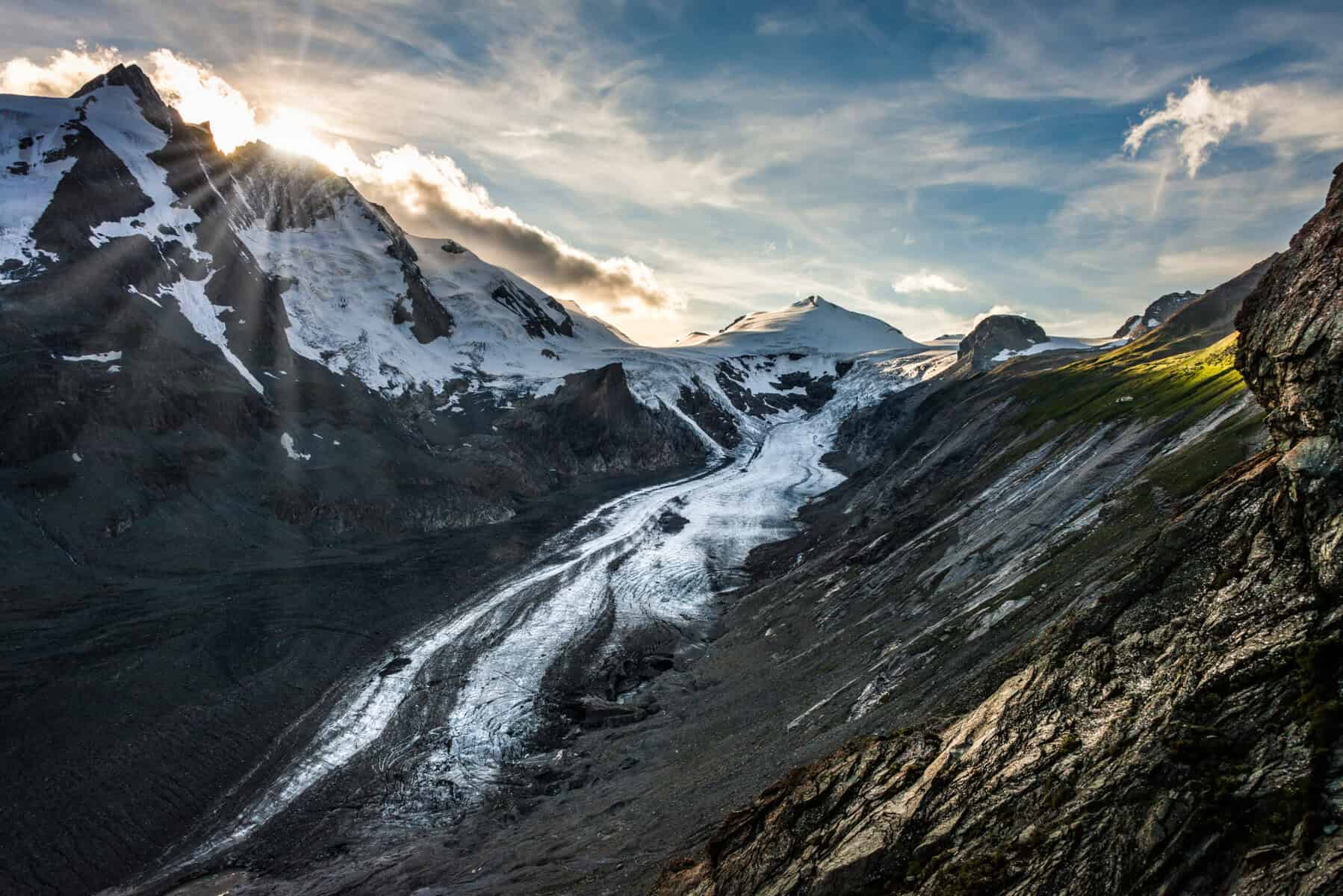
Pasterze Glacier, Austria’s largest glacier, has been retreating dramatically over the past several decades. Situated at the foot of the Grossglockner, Austria’s highest mountain, Pasterze is a popular tourist attraction, but its rapid retreat is becoming increasingly evident. The glacier has significantly thinned and shortened, leaving behind a stark reminder of climate change. As a result, the landscape is changing, affecting both the local ecosystem and tourism in the region. The glacier’s retreat is so significant that it’s altering the maps of the area.
What’s driving this rapid retreat? Rising temperatures are a primary factor, coupled with decreased snowfall. This combination means that less ice is being replenished each winter, leading to a net loss of glacier mass. The changes to Pasterze Glacier are not just a local issue; they reflect a broader trend affecting glaciers worldwide. It’s a clear indicator that climate change is not just a distant threat but a current reality. For those who have visited Pasterze, the changes are both visible and sobering.
7. Athabasca Glacier, Canada

Athabasca Glacier in Canada is one of the most accessible glaciers in North America, located in the Canadian Rockies. However, it’s also one of the fastest-receding glaciers, losing more than 5 meters of ice each year. Dr. Shawn Marshall, a glaciologist at the University of Calgary, notes that Athabasca has lost over half its volume in the last century. This retreat is not just a concern for scientists but also for the millions of tourists who visit the Columbia Icefield each year. The changes are significant enough to alter the maps of the region.
Why is Athabasca Glacier retreating so quickly? Climate change is the primary factor, with warmer temperatures leading to increased melting. The glacier’s retreat impacts local ecosystems and reduces the availability of fresh water for communities downstream. As the ice continues to melt, the landscape is being reshaped, affecting both flora and fauna. Athabasca Glacier serves as a stark reminder of the urgent need for climate action.
8. South Cascade Glacier, USA

In the United States, South Cascade Glacier is a prime example of how climate change is affecting glaciers in the North Cascades. This small glacier has been studied extensively since the mid-20th century, providing valuable data on glacial retreat. Over the years, South Cascade has lost a significant amount of ice, contributing to rising sea levels and altering local water supplies. The glacier’s retreat is not just a scientific concern but also a real-world issue that affects communities and ecosystems. It’s a clear indicator of the broader impacts of climate change.
What’s contributing to South Cascade’s retreat? Warmer temperatures and decreased snowfall are major factors. These changes mean less accumulation of snow and ice each year, leading to a net loss of glacier mass. As the glacier melts, it exposes more rock and soil, which absorb heat and accelerate the melting process. This cycle of melting and retreat is difficult to reverse once it’s started. South Cascade Glacier is a stark reminder of the urgent need for climate action.
9. Franz Josef Glacier, New Zealand
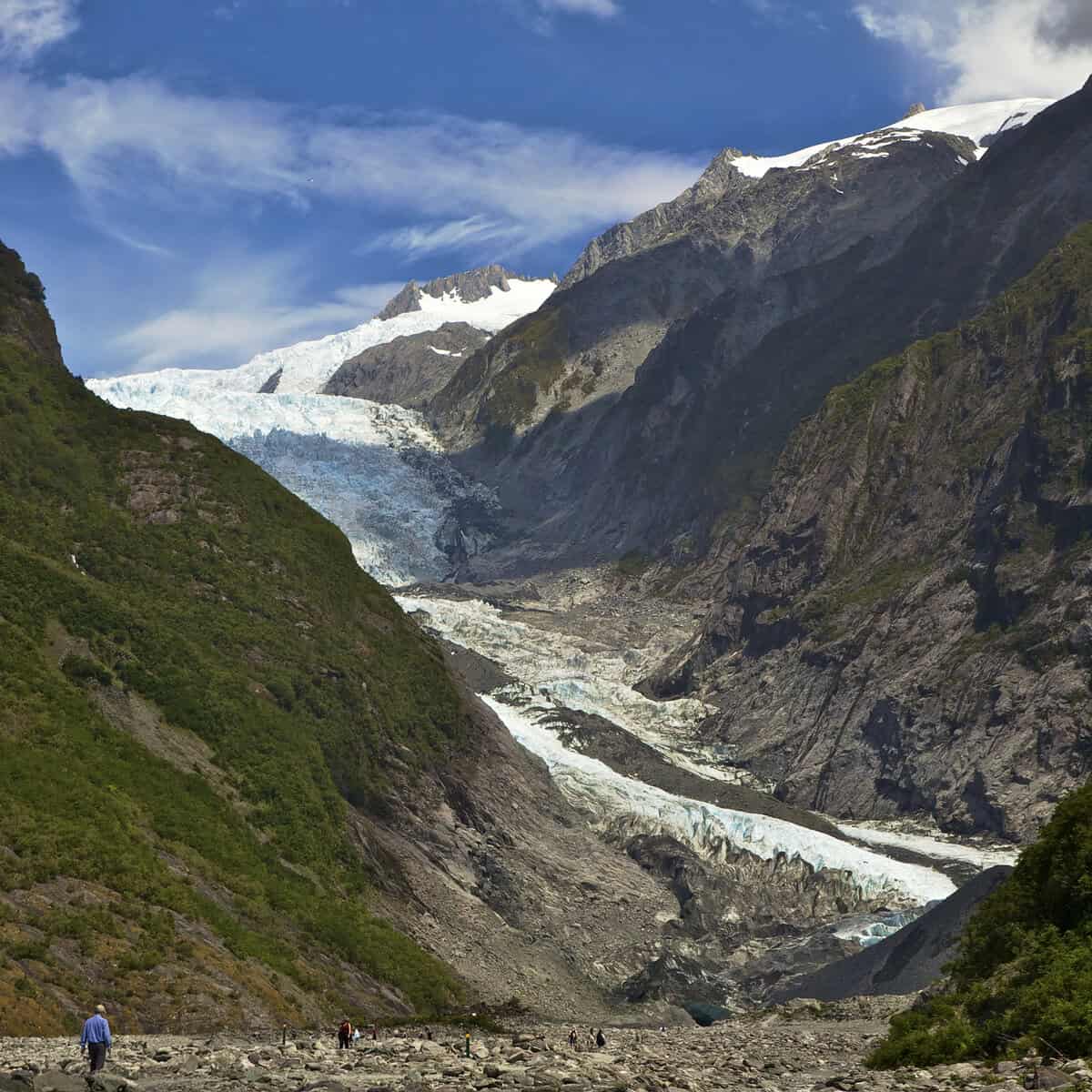
Franz Josef Glacier in New Zealand is not only a stunning natural wonder but also a stark example of climate change in action. Located in Westland Tai Poutini National Park, Franz Josef has been retreating rapidly, losing a significant amount of ice over the past few decades. The glacier’s retreat has reshaped the landscape, affecting local ecosystems, tourism, and even the climate. It’s a vivid reminder of how interconnected our global systems truly are. The changes are significant enough to alter the maps of the region.
So, why is Franz Josef Glacier melting so quickly? Warmer temperatures and increased rainfall are major factors. These changes mean less accumulation of snow and ice each year, leading to a net loss of glacier mass. As the glacier melts, it exposes more rock, which absorbs heat and accelerates the melting process. This cycle of melting and retreat is difficult to reverse once it’s started. Franz Josef Glacier is a stark reminder of the urgent need for climate action.
10. Rhone Glacier, Switzerland

Rhone Glacier, located in the Swiss Alps, is another example of a glacier retreating rapidly due to climate change. This iconic glacier has been shrinking since the 19th century, with its retreat accelerating in recent decades. The changes are not just a scientific concern; they also have real-world implications for local water supplies, tourism, and ecosystems. The glacier’s retreat is significant enough to alter the maps of the region, making it a focal point in discussions about climate change. It’s a clear indicator that the impacts of global warming are being felt even in the heart of Europe.
What’s driving Rhone Glacier’s retreat? Rising temperatures and reduced snowfall are major factors. These changes mean less accumulation of snow and ice each year, leading to a net loss of glacier mass. As the glacier melts, it exposes more rock, which absorbs heat and accelerates the melting process. This cycle of melting and retreat is difficult to reverse once it’s started. Rhone Glacier serves as a stark reminder of the urgent need for climate action.
11. Vatnajökull Glacier, Iceland

Vatnajökull Glacier in Iceland is Europe’s largest ice cap, but it’s not immune to the impacts of climate change. This massive glacier has been losing ice at an accelerating rate, reshaping the Icelandic landscape and affecting local communities. The glacier’s retreat has far-reaching implications for sea-level rise, local ecosystems, and even the climate. It’s a vivid reminder of how interconnected our global systems truly are. The changes are significant enough to alter the maps of the region.
Why is Vatnajökull Glacier melting so quickly? Warmer temperatures and volcanic activity are major factors. These changes mean less accumulation of snow and ice each year, leading to a net loss of glacier mass. As the glacier melts, it exposes more rock, which absorbs heat and accelerates the melting process. This cycle of melting and retreat is difficult to reverse once it’s started. Vatnajökull Glacier is a stark reminder of the urgent need for climate action.
12. Glacier National Park, USA
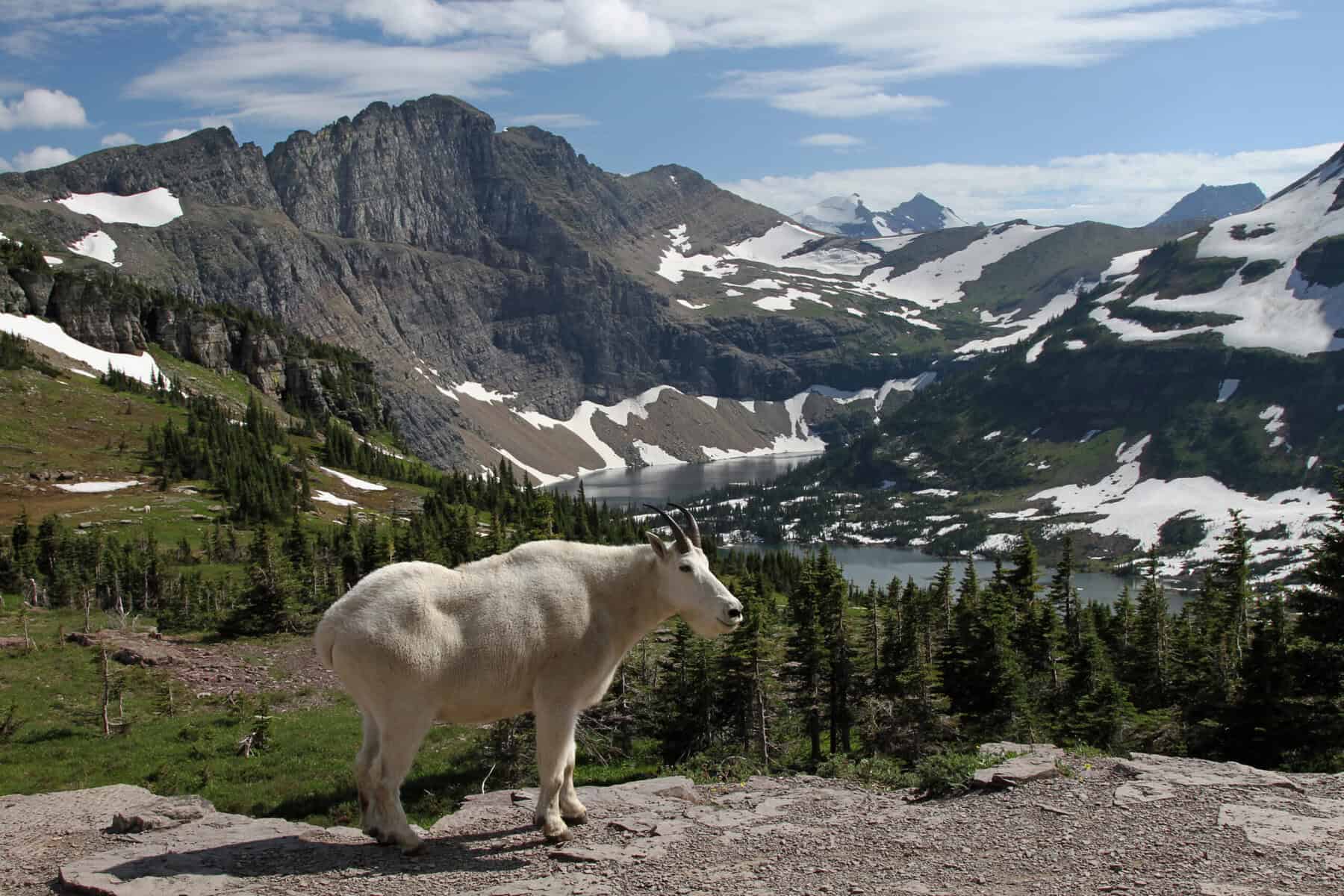
Glacier National Park in the United States is home to several glaciers that are retreating rapidly due to climate change. Once home to around 150 glaciers, the park now has fewer than 30, and they continue to shrink each year. These changes are not just a scientific concern; they also have real-world implications for local water supplies, ecosystems, and tourism. The retreat of the glaciers is significant enough to alter the maps of the region. It’s a clear indicator that the impacts of global warming are being felt even in the United States.
What’s causing the glaciers in Glacier National Park to retreat so quickly? Rising temperatures and reduced snowfall are major factors. These changes mean less accumulation of snow and ice each year, leading to a net loss of glacier mass. As the glaciers melt, they expose more rock, which absorbs heat and accelerates the melting process. This cycle of melting and retreat is difficult to reverse once it’s started. The glaciers in Glacier National Park serve as a stark reminder of the urgent need for climate action.
13. Grinnell Glacier, USA
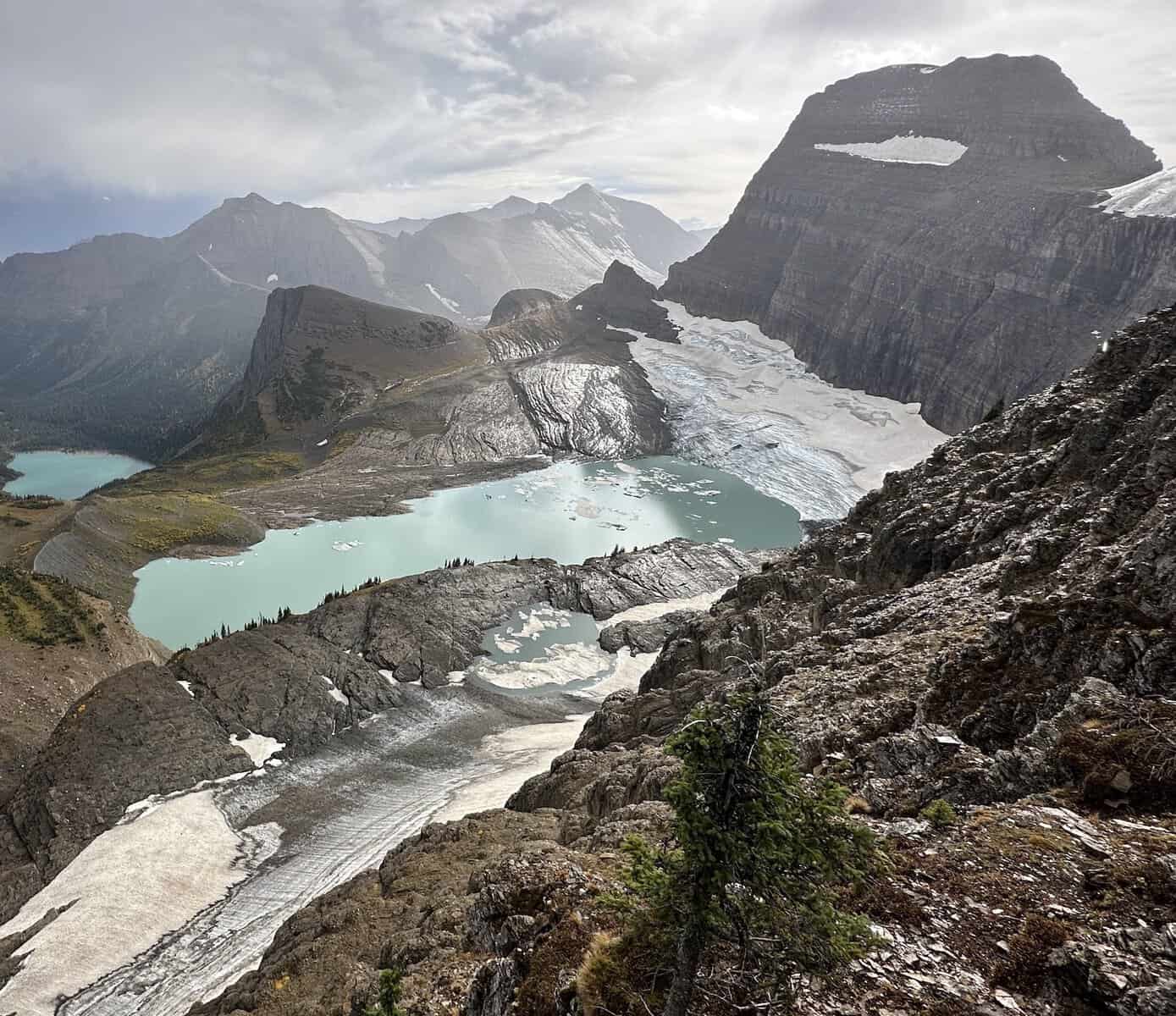
Grinnell Glacier, located in Montana’s Glacier National Park, is one of the park’s most famous glaciers. However, it has been shrinking rapidly over the past century, losing more than half its volume since the 1960s. This retreat is not just a concern for scientists but also for the millions of tourists who visit the park each year. The changes are significant enough to alter the maps of the region, affecting everything from water supply to local wildlife. Grinnell Glacier is a vivid reminder of how climate change is impacting the United States.
Why is Grinnell Glacier retreating so quickly? Rising temperatures and reduced snowfall are major factors. These changes mean less accumulation of snow and ice each year, leading to a net loss of glacier mass. As the glacier melts, it exposes more rock, which absorbs heat and accelerates the melting process. This cycle of melting and retreat is difficult to reverse once it’s started. Grinnell Glacier serves as a stark reminder of the urgent need for climate action.
14. Fox Glacier, New Zealand
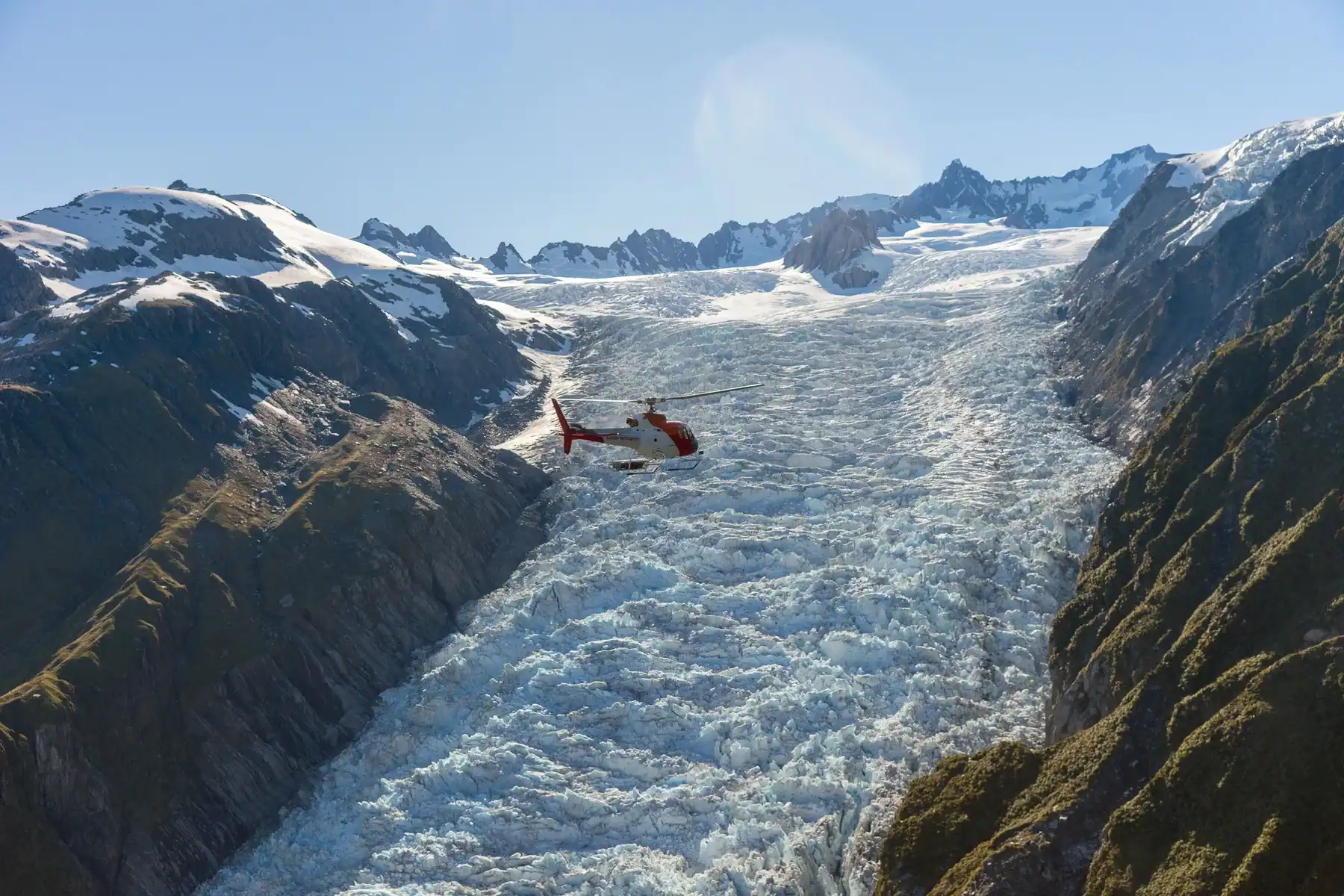
Fox Glacier in New Zealand is another example of a glacier retreating rapidly due to climate change. Located in Westland Tai Poutini National Park, Fox has been losing ice at an alarming rate, reshaping the landscape and affecting local communities. The glacier’s retreat has far-reaching implications for sea-level rise, local ecosystems, and even the climate. It’s a vivid reminder of how interconnected our global systems truly are. The changes are significant enough to alter the maps of the region.
So, why is Fox Glacier melting so quickly? Warmer temperatures and increased rainfall are major factors. These changes mean less accumulation of snow and ice each year, leading to a net loss of glacier mass. As the glacier melts, it exposes more rock, which absorbs heat and accelerates the melting process. This cycle of melting and retreat is difficult to reverse once it’s started. Fox Glacier is a stark reminder of the urgent need for climate action.


