

Sometimes, the natural world has a way of reclaiming spaces we thought were ours to keep. Across the globe, there are places where nature has slowly but surely taken over, creating eerie atmospheres that are both haunting and beautiful. These locations offer glimpses into what happens when humans leave and the wild world moves back in. Whether you’re a fan of urban exploration, history, or just the great outdoors, these spots are worth knowing about. Let’s explore some of these captivating places where nature is the real ruler.
1. Pripyat, Ukraine
Pripyat was once a bustling city, home to the workers of the Chernobyl nuclear power plant. After the infamous disaster in 1986, the city was evacuated, leaving behind a ghost town. Decades later, nature has made its presence known in Pripyat. Trees and plants grow unchecked through cracked pavements, and wildlife roams freely in the absence of human interference. According to ecologist James Smith, a study published in “Science” highlights how the exclusion zone has become a unique natural reserve, thriving despite the radioactive environment.
Walking through Pripyat today, you’ll see buildings being slowly swallowed up by greenery. The iconic Ferris wheel, once a symbol of joy, now stands as a haunting relic covered in vines. Schools, hospitals, and homes are all being reclaimed by the wilderness. It’s a fascinating yet unsettling reminder of how quickly things change when people are removed from the equation. If you visit, you’ll witness firsthand the power of nature to adapt and thrive, even in the most unlikely of circumstances.
2. Kolmanskop, Namibia

In the early 1900s, Kolmanskop was a thriving diamond mining town in the Namib Desert. Fast forward to today, and it’s a ghost town, overtaken by the relentless sands. As the diamond supply dwindled, people abandoned their homes, leaving behind a surreal landscape of sand-filled buildings. The desert has a way of quietly reclaiming what was once bustling with activity. Walking through the old structures, you’ll find rooms with sand dunes reaching up to the roofs, making for an otherworldly sight.
Each building in Kolmanskop tells a story of the past, frozen in time yet vibrant with the colors of the desert. The combination of human architecture and natural encroachment creates an eerie beauty that captivates visitors. Tourists flock to photograph this blend of human history and natural force. It’s a stark reminder of the impermanence of human endeavors against the backdrop of nature’s eternal presence. Visiting Kolmanskop is like stepping into a forgotten world, where the desert reigns supreme.
3. Hashima Island, Japan
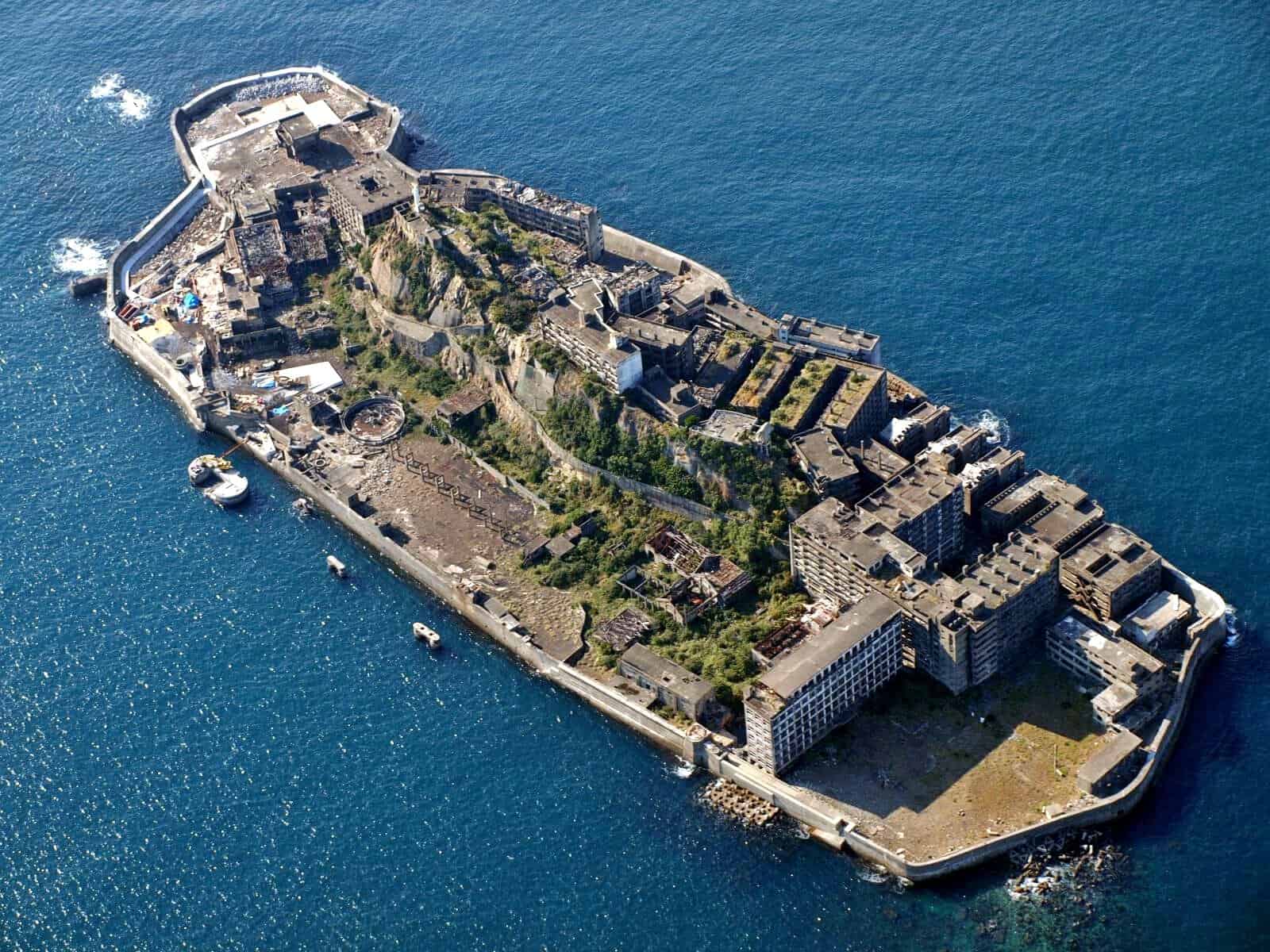
Commonly known as “Gunkanjima” or “Battleship Island,” Hashima is a deserted island off the coast of Nagasaki. Once a bustling coal mining facility, it was abandoned in 1974, and nature has since begun to take over. The island is now a haunting mix of crumbling concrete and creeping vegetation. Over time, wind and rain have helped plants to establish themselves in the cracks and crevices of the remaining buildings. As noted by The New Zealand Herald, the island is a prime example of how industrial sites can transition back to natural landscapes.
The eerie silence of Hashima is a stark contrast to its once lively atmosphere. Walking through the abandoned buildings, you can’t help but feel the island’s haunted past. It’s a popular destination for adventurous travelers and history buffs alike. The island also gained fame as the inspiration for the villain’s lair in the James Bond movie “Skyfall.” Despite its grim history, Hashima stands as a testament to nature’s relentless march forward.
4. Great Wall Of China, China

The Great Wall of China is one of the most iconic human-made structures in the world, yet it isn’t immune to nature’s influence. While tourists flock to the well-preserved sections, parts of the wall have been left to nature’s mercy. In these remote areas, the wall is crumbling and overgrown with trees and shrubs. The contrast between the untouched sections and those reclaimed by nature is striking. The wall, originally built to keep invaders out, now welcomes the natural world with open arms.
Exploring these lesser-known sections of the Great Wall offers a unique perspective on history and nature. You can see how time and the elements have worn down the ancient stone, while foliage adds a layer of life. The experience is a humbling reminder of nature’s ability to reclaim even the most formidable structures. While not all travelers venture to these areas, those who do are rewarded with solitude and a sense of timelessness. It’s a powerful illustration of the ongoing relationship between human creations and the natural world.
5. Centralia, Pennsylvania, USA

Centralia was once a bustling mining town, but today it’s mostly deserted, thanks to an underground coal fire that has been burning since 1962. Over time, residents relocated, and nature began to reclaim the land. Streets are overgrown with grasses, and trees sprout where homes and businesses once stood. The town’s eerie atmosphere is heightened by smoke and steam that still rise from cracks in the ground. According to geologist David DeKok, in his book “Fire Underground,” the fire could continue burning for another 250 years, adding to the town’s mysterious allure.
Visitors to Centralia often come to see the infamous “Graffiti Highway,” a stretch of road covered in colorful murals and messages. It’s a unique juxtaposition of human art and nature’s indifference. The few remaining structures are slowly being overtaken by the encroaching wilderness. It’s a poignant reminder of how quickly nature can reclaim areas left unattended by humans. Centralia stands as a testament to both human error and the unstoppable force of the natural world.
6. Sanzhi UFO Houses, Taiwan
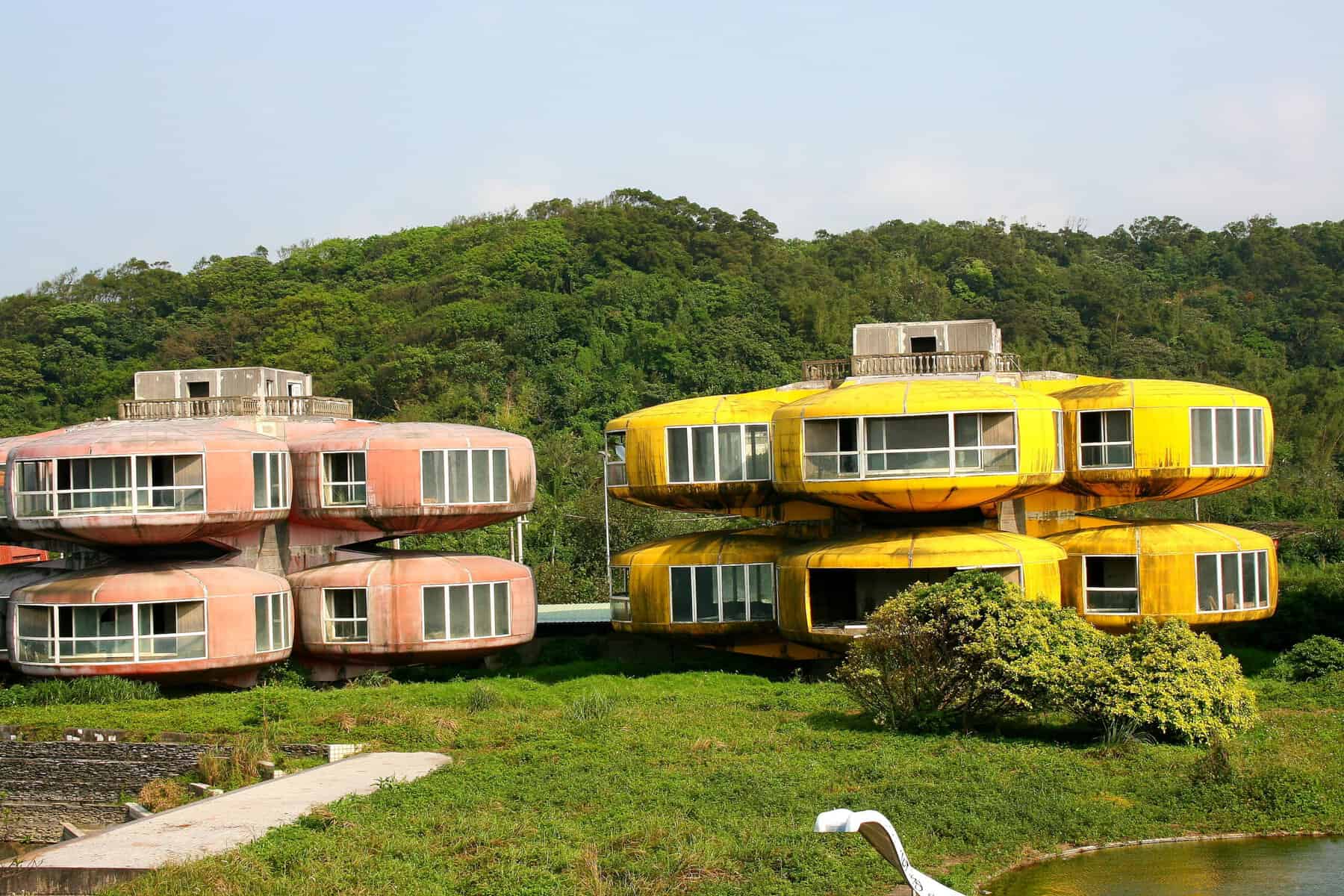
The Sanzhi UFO Houses were a set of futuristic pod-like buildings intended as a holiday resort. Construction began in the late 1970s but was halted due to financial issues and numerous accidents. Left abandoned, the site became a curious mix of space-age architecture and encroaching nature. Over the years, vegetation has crept in, adding an eerie green touch to the already otherworldly landscape. The site attracted urban explorers and photographers eager to capture the bizarre blend of human design and natural reclamation.
Wandering through the UFO Houses, you can’t help but feel a sense of mystery and intrigue. The pod structures, with their curved lines and bright colors, contrast sharply with the natural surroundings. But nature, as always, has found a way to breach the human-made barriers. Plants have taken root in the crevices, and vines drape the once-futuristic facades. Though the houses were demolished in 2008, their legacy lives on in photographs and stories of a place where the past met the future in an unexpected dance with nature.
7. Angkor Wat, Cambodia
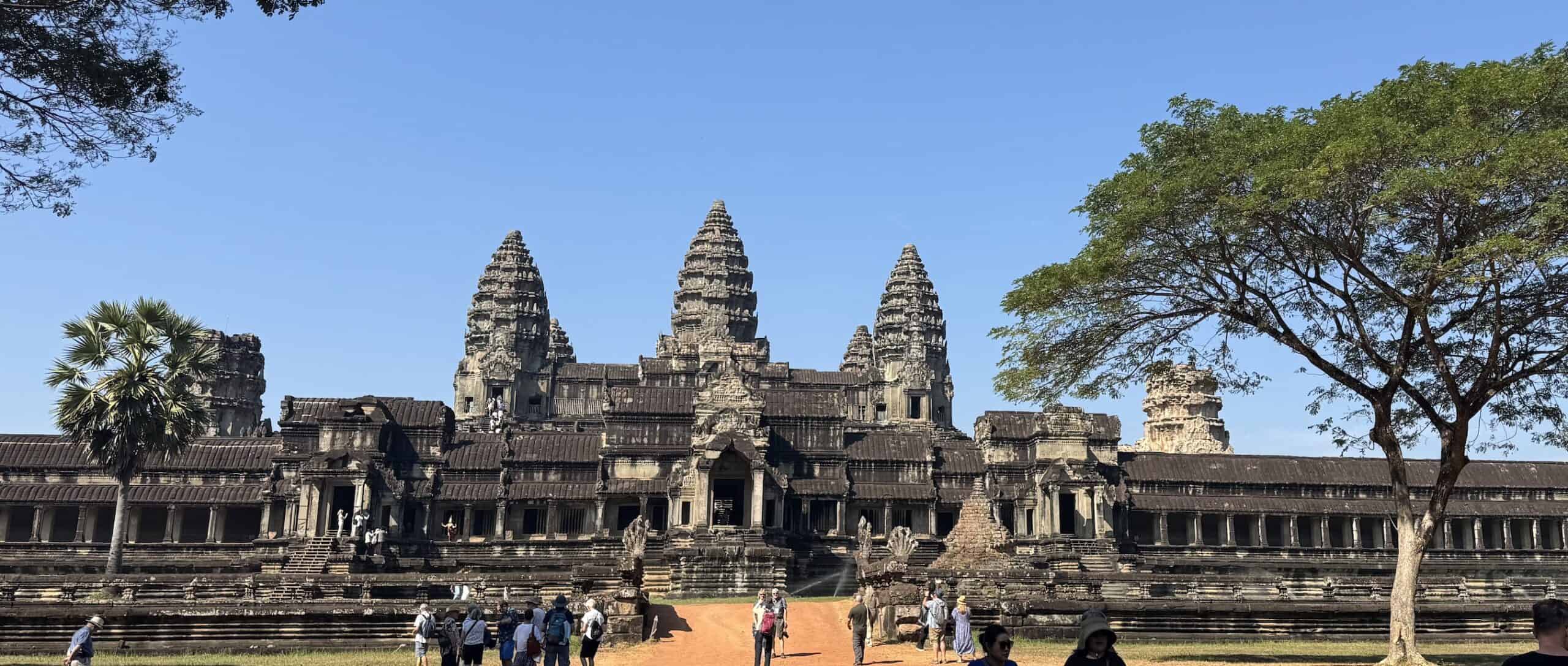
Angkor Wat is one of the most famous archaeological sites in the world, yet parts of it have been reclaimed by the surrounding jungle. The temple complex, built in the early 12th century, was abandoned and largely forgotten until the late 19th century. In the intervening years, the jungle had taken over, with roots and vines weaving through the ancient stones. This natural invasion adds a mystical quality to the already awe-inspiring site. According to the Apsara National Authority, efforts to preserve Angkor Wat are ongoing, but nature’s mark remains an integral part of its charm.
Exploring Angkor Wat, you’re surrounded by towering trees and the sound of wildlife, providing a stark contrast to the intricate carvings and stonework. The iconic sight of giant tree roots enveloping temple walls is both eerie and enchanting. It serves as a reminder of nature’s resilience and the fleeting nature of human achievements. Despite restoration efforts, the jungle continues to assert its presence, creating a unique symbiosis between the built and natural environments. Angkor Wat stands as a testament to the harmonious coexistence of history and nature, offering a glimpse into a world where both thrive together.
8. Bodie, California, USA

Bodie is a well-preserved ghost town, once a bustling gold mining settlement in the late 19th century. As the gold ran out, people moved away, leaving the town to the elements. Today, it’s a fascinating blend of human history and natural reclamation. Buildings remain largely intact, but nature has started to creep in, with weather and wildlife slowly taking their toll. The dry desert climate has preserved much of Bodie’s original character, but it’s clear that nature is the ultimate caretaker now.
Strolling through Bodie, you experience a tangible sense of the past, frozen in time yet alive with nature’s subtle presence. The wooden structures creak in the wind, and the dusty streets are dotted with stubborn tufts of grass. It’s a poignant reminder of the town’s former vibrancy and subsequent decline. Visitors are drawn to Bodie for its haunting beauty and the opportunity to witness nature’s slow but steady encroachment. In this ghost town, the absence of people has allowed nature to assert its quiet dominance.
9. Oradour-Sur-Glane, France
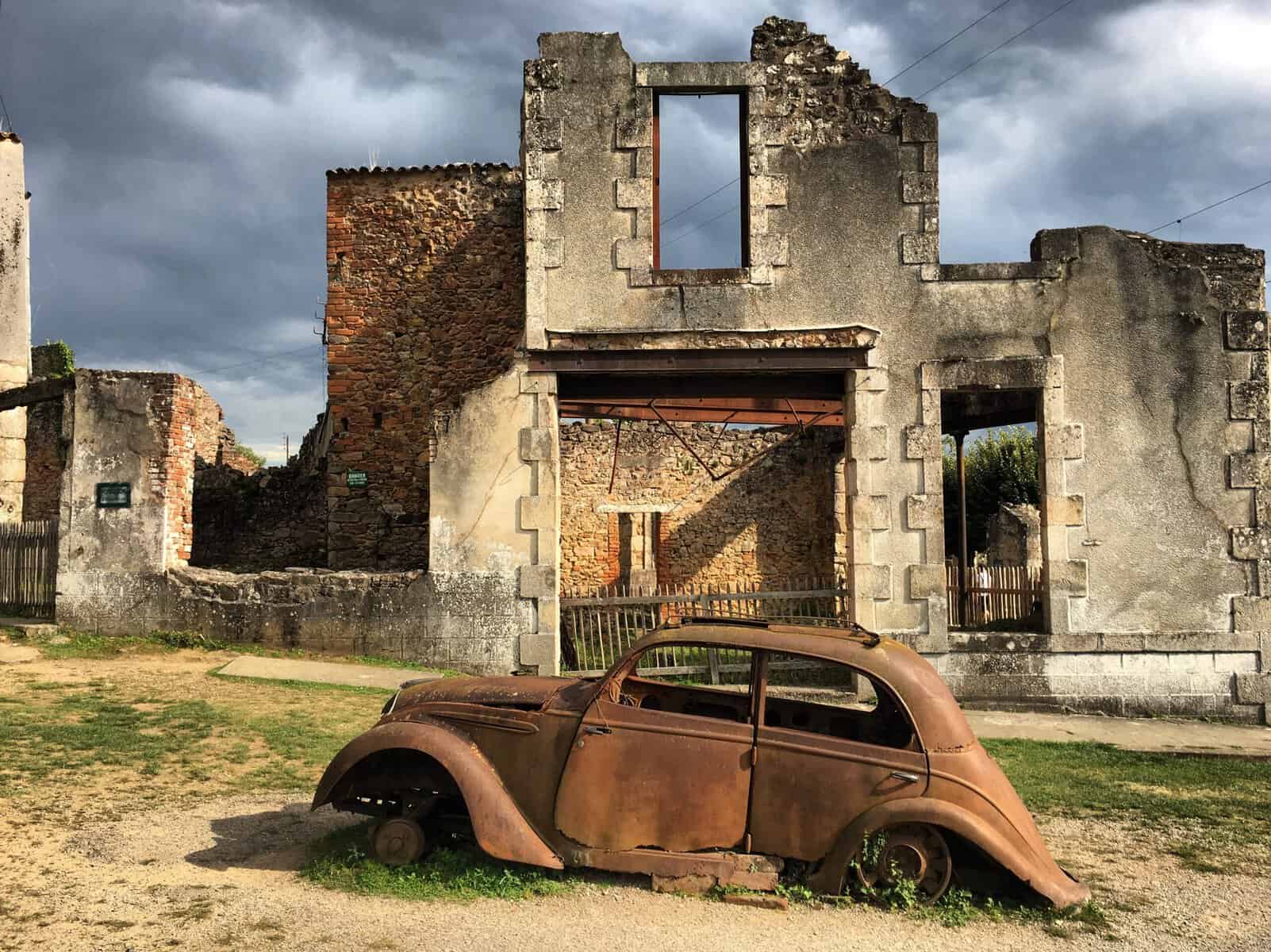
Oradour-sur-Glane is a somber reminder of the past, left as a memorial to the tragic events of World War II. The village was destroyed by German soldiers in 1944, and its ruins have been preserved as a historical site. Over the years, nature has started to weave its way through the remains, adding a layer of quiet reflection to the already poignant scene. Buildings are overgrown with ivy and moss, creating a hauntingly beautiful landscape. Walking through the village, you cannot escape the sense of history and loss, yet nature’s presence adds a touch of peace.
The preserved state of Oradour-sur-Glane allows visitors to step back in time and reflect on the events that led to its destruction. Nature’s slow reclamation adds a dimension of rebirth and resilience to the village. The contrast between the ruined structures and the thriving plant life is striking. It serves as a reminder of the passage of time and nature’s ability to heal, even in places marked by tragedy. Visiting Oradour-sur-Glane is a powerful experience, where history and nature coexist in a delicate balance.
10. Craco, Italy

Craco is a picturesque hilltop town that was abandoned in the late 20th century due to natural disasters. Landslides and earthquakes made it unsafe for residents, leaving it to the whims of nature. Today, the town is a captivating blend of crumbling buildings and flourishing greenery. The once-bustling streets are now silent, save for the rustling of leaves and the chirping of birds. This ghost town has become a popular spot for photographers and filmmakers, drawn by its unique beauty and sense of mystery.
Walking through Craco, you can almost hear the echoes of the past amidst the silence. The stone structures, now weathered by time, are slowly being overtaken by plants and trees. It’s a hauntingly beautiful scene, where the resilience of nature is on full display. The town’s precarious location adds an element of danger, reminding visitors of the powerful forces that led to its abandonment. Craco stands as a testament to both human vulnerability and nature’s relentless march forward, offering a glimpse into a world where the two are in constant negotiation.
11. Ross Island, India

Once the administrative headquarters of the British in the Andaman Islands, Ross Island is now a lush, overgrown paradise. Abandoned after an earthquake and World War II, the island has been left to the elements. Nature has taken full advantage, with massive trees and thick vegetation enveloping the colonial-era buildings. The contrast between the crumbling architecture and the vibrant greenery is striking. Walking through Ross Island, you can see how quickly nature can reclaim a space once humans have left.
The island’s history is palpable, with remnants of its past peeking through the dense foliage. It’s a captivating sight, where the beauty of nature meets the remnants of human endeavor. The island is now home to a variety of wildlife, adding to its allure. Visitors are drawn to Ross Island for its historical significance and its breathtaking natural transformation. It’s a place where nature has not only reclaimed the land but also added a new layer of life and vibrancy.
12. Plymouth, Montserrat

Plymouth was once the thriving capital of Montserrat, until volcanic eruptions in the 1990s forced its evacuation. The town is now buried under ash and overgrown with tropical vegetation. Nature has taken what was left behind, creating a unique and eerie landscape. The abandoned buildings, half-buried and overgrown, stand as silent witnesses to the town’s sudden transformation. This ghost town offers a stark contrast between the forces of nature and the remnants of human settlement.
Exploring Plymouth, you are reminded of nature’s unpredictable power and resilience. The volcanic eruptions may have driven people away, but nature has thrived in their absence. The town is a mix of grey ash and vibrant green, a testament to nature’s ability to adapt and flourish. It’s a hauntingly beautiful place that draws visitors eager to witness the effects of a natural disaster up close. Plymouth stands as a reminder of both the fragility of human civilization and the enduring power of the natural world.
13. Humberstone, Chile

Humberstone was once a bustling saltpeter mining town in the Atacama Desert, but it was abandoned in the 1960s. Today, it’s a UNESCO World Heritage site, slowly being reclaimed by the desert. The harsh climate and isolation have preserved much of the town, yet nature is making its mark. Sand encroaches on the buildings, and the dry desert air adds an eerie silence to the scene. Humberstone offers a glimpse into a forgotten world, where the past and nature intertwine.
Walking through Humberstone, you can feel the history and isolation of this once-thriving town. The desert landscape is both beautiful and unforgiving, a stark backdrop to the remnants of human habitation. As nature slowly takes over, the town becomes a haunting reminder of the transient nature of human pursuits. Visitors are drawn to Humberstone for its historical significance and its unique desert beauty. It’s a place where the past is preserved in sand, and nature continues its quiet reclamation.
More Bolde Stories

People who are slowly losing their trust in other people usually say 8 phrases in casual conversa...

Psychology says people who end up cheating usually tell themselves 7 lies long before they betray...

