

When you step onto a plane, you might think all eyes are on the overhead bins or the in-flight magazine. But there’s a good chance that the flight attendants are actually watching you. They aren’t just there to help you stow your luggage or offer you a drink; they have a whole mental checklist to ensure everyone’s safety and comfort. Here are 14 things they’re looking for when you board a flight.
1. Carry-On Luggage Size
The moment you step onto the aircraft, flight attendants are sizing up your carry-on. They’re not just interested in whether it fits in the overhead bin, but also if it meets the airline’s size regulations. According to a study by the International Air Transport Association, inconsistent carry-on rules can cause delays and passenger dissatisfaction. By observing your bags, attendants can quickly identify potential issues before they become a problem for everyone. So, when you’re packing, make sure your bag fits the guidelines—it’ll make things smoother for you and the crew.
A bag that’s too big can cause a cascade of inconveniences. Not only does it slow down the boarding process, but it also creates a safety hazard in case of an emergency. Flight attendants need to ensure the cabin is secure, and oversized luggage can obstruct pathways or affect the balance of overhead compartments. If your bag is flagged, be prepared to check it to avoid any hassle. It’s all about making the journey as seamless as possible.
2. Passenger Behavior
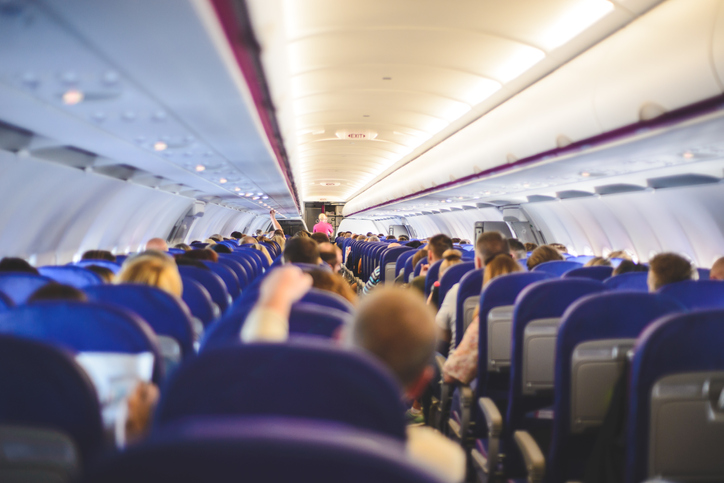
Flight attendants are like behavior detectives from the moment you step on board. They’re trained to pick up on subtle cues that might indicate someone needs assistance or could cause trouble. If you’re unusually anxious or fidgety, they may approach you discreetly to see if everything’s okay. It’s not just about spotting potential threats but also about identifying anyone who might require extra help during the flight. This proactive vigilance helps create a safe and comfortable environment for everyone.
Keeping an eye on behavior isn’t just about looking for the bad apples. Sometimes, it means spotting someone who might have a fear of flying and offering them reassurance. In other cases, it could be about identifying travelers with special needs or first-time flyers who might need a bit of guidance. The goal is to ensure a smooth and pleasant journey for everyone involved. So, if you catch a flight attendant’s eye, remember they’re likely just looking out for your well-being.
3. Signs Of Illness

Health is a big concern on flights, and attendants are trained to spot signs of illness in passengers. Whether it’s a persistent cough or someone looking extremely pale, they are vigilant in noticing anything unusual. According to Dr. David Powell, medical advisor at the International Air Transport Association, identifying sick passengers can help prevent the spread of contagious diseases. If you’re feeling unwell, it might be best to stay home and reschedule your flight. This not only protects you but also your fellow passengers.
Identifying illness early can also be crucial in handling medical emergencies. Flight attendants are trained in first aid but would prefer to manage health issues before they escalate. If someone appears severely ill, the crew might need to involve medical professionals or make emergency landing decisions. For everyone’s peace of mind, it’s crucial to be mindful of your health before boarding a flight. A simple check-up or consultation with a doctor prior to travel can save a lot of stress.
4. Emotional State

Your emotional state is just as important as your physical health when flying. Flight attendants often look for signs of distress or emotional upheaval, as these can affect your experience and potentially the comfort of those around you. If you’re visibly upset, they might approach you discreetly to offer assistance or reassurance. They understand that flying can be stressful and are there to help ease any anxiety. It’s not about being intrusive but rather ensuring everyone feels secure and cared for.
Being aware of emotional cues also helps attendants manage any in-flight situations that may arise. An upset or anxious passenger might require different handling than someone who appears calm. By addressing emotional needs early, flight attendants can prevent situations from escalating and maintain a peaceful cabin environment. If you’re feeling uneasy, don’t hesitate to communicate with them; they have strategies and resources to help. Remember, they’re there to make your journey as comfortable as possible.
5. Seat Belt Usage

One of the first things attendants check once passengers are seated is whether seat belts are fastened. Though it seems like a basic task, ensuring everyone is buckled up is crucial for safety. Research from the Federal Aviation Administration highlights the importance of seat belts in protecting passengers during unexpected turbulence. Attendants might do a quick visual check or remind passengers over the intercom about fastening seat belts. It’s a small step that makes a big difference in ensuring your safety in the air.
Proper seat belt usage is essential not only during takeoff and landing but also throughout the flight. Turbulence can happen without warning, and being securely fastened can prevent injuries. If you’re someone who likes to unbuckle and move around, just make sure to stay alert to seat belt signs. Attendants will remind you if they notice you’re not buckled, but it’s always best to be proactive. Safety is everyone’s responsibility, and seat belts are an easy way to contribute.
6. Sobriety Levels

Flight attendants are also checking for signs of intoxication as you board. It’s not about judging your pre-flight rituals but ensuring everyone remains safe and comfortable during the journey. Intoxicated passengers can pose risks not only to themselves but also to others. They may become disruptive or unable to follow safety instructions in an emergency. If someone appears too inebriated, attendants might need to take action, which can include refusing them entry onto the plane.
Monitoring sobriety levels is part of maintaining a secure environment. The confined space of an aircraft means that any disruptive behavior is quickly magnified. Flight attendants have training to discreetly handle these situations to minimize disruption. While it’s fine to enjoy a drink or two before a flight, moderation is key to ensuring a smooth journey. Being mindful of your consumption can help keep the skies friendly for everyone.
7. Emergency Exit Row Suitability

When it comes to emergency exit rows, not everyone can sit there, and flight attendants are vigilant about who does. These seats come with additional responsibility, as passengers seated here may need to assist in an emergency evacuation. According to aviation safety expert Dr. Martha Robinson, only those who meet specific criteria should be allowed to occupy these seats. Attendants look for passengers who are physically capable and willing to perform these duties. If you’re approached and reassigned from an exit row, it’s likely for safety reasons.
Ensuring the right people sit in emergency exit rows is crucial for the safety of all passengers. Those who sit here must be able to understand and execute instructions quickly and effectively. If someone doesn’t meet these essential criteria, it could compromise the entire evacuation process. Attendants typically confirm eligibility during boarding and may need to make last-minute adjustments. If you’re asked to move, it’s not personal; it’s about ensuring everyone’s safety.
8. Passenger Count

Counting passengers as they board might seem simple, but it’s crucial. Flight attendants need to ensure the number of passengers matches the manifest for safety and logistical reasons. If there’s a discrepancy, it could indicate a boarding issue or potential security concern. The process helps ensure everyone is accounted for in case of an emergency. Plus, accurate counts help with weight distribution and fuel calculations, ensuring a smooth and efficient flight.
Keeping track of passenger count also aids in managing in-flight services. Knowing the exact number of passengers allows for better meal and beverage service planning. If there are any special requests or needs, it’s easier to accommodate when the headcount matches expectations. While it might seem tedious, this step is essential for a well-coordinated flight experience. Next time you see attendants counting, know that it’s all part of keeping things running smoothly.
9. Loose Items

As you settle into your seat, flight attendants are scanning for loose items. Items not properly stowed can become hazards during turbulence or sudden movements. They’re making sure everything from bags to small electronics is secured. This ensures the cabin remains organized and safe throughout the flight. If you’re asked to secure your belongings, it’s nothing personal—just a standard safety procedure.
Loose items can become dangerous projectiles during unexpected turbulence. Flight attendants are tasked with minimizing this risk by ensuring all items are safely stowed. Even small objects like pens or phones can pose a threat if they go flying. Attendants are trained to identify potential hazards quickly and efficiently. By following their instructions, you contribute to a safer travel experience for everyone.
10. Passenger Comfort

Flight attendants are also gauging your comfort level as you take your seat. They understand that a relaxed passenger is a happy passenger, so they’re on the lookout for any signs of discomfort. Whether it’s adjusting overhead air vents or providing extra cushions, they’re there to help. If you look uneasy, they might approach you to see if there’s anything they can do to make your journey more pleasant. Your comfort is a priority, and they have a toolkit of options to enhance your experience.
Ensuring passenger comfort goes beyond just physical needs. They also pay attention to emotional and psychological comfort. If it’s your first flight or you’re a nervous flyer, attendants can offer reassurance and information to help calm your nerves. They aim to create a soothing environment where you feel looked after. So, if you need something to make your flight more pleasant, don’t hesitate to ask.
11. Communication Skills

Flight attendants are also assessing passengers’ communication skills. This isn’t about judging your speaking abilities, but more about ensuring you can understand and follow safety instructions if needed. Clear communication is vital in ensuring everyone’s safety during a flight. If there’s any indication that someone might struggle with this, attendants might offer additional support or guidance. It’s all part of making sure everyone knows what to do in case of an emergency.
Effective communication is crucial for a smooth and safe flying experience. Attendants need to make sure that every passenger can comprehend important announcements and instructions. If language barriers or hearing issues are apparent, they may need to take extra steps to ensure understanding. They might use visual aids or enlisting multilingual colleagues to assist. The goal is to minimize confusion and ensure that everyone is on the same page for a safe journey.
12. Special Needs Assistance
From the moment you board, flight attendants are alert to any special needs you might have. Whether it’s a mobility issue or a dietary restriction, they’re trained to notice and accommodate these requirements. If you need any particular assistance, it’s best to inform them early so they can make the necessary arrangements. They have a range of resources and procedures in place to ensure you have a comfortable flight. Your needs are a priority, and they’re there to support you.
Special needs can vary widely, and attendants are prepared to address them. From offering pre-boarding assistance to ensuring special meals are delivered, they work hard to meet diverse requirements. Clear communication from passengers aids them in providing the best possible service. Don’t hesitate to speak up if you have specific needs—it’s all part of their job to make your flight enjoyable. They appreciate your cooperation in making the journey smooth for everyone involved.
13. Overhead Bin Space

Flight attendants are well-practiced in the art of managing overhead bin space. As you board, they’re assessing how full the bins are getting and strategizing the best way to fit everyone’s luggage. Their goal is to ensure efficient use of space while keeping the aisle clear. If you’re asked to move or check a bag, it’s most likely because they’re trying to optimize available space. A well-packed plane means a quicker and more organized departure.
Overhead bin management is more than just playing luggage Tetris. Attendants have to ensure that bags are secure and won’t shift during the flight. They’re trained in techniques to fit more bags than you might think possible while maintaining safety standards. If you follow their instructions, it helps ensure a timely and safe takeoff. Remember, they’re trying to make the space work for everyone, so a little flexibility goes a long way.
14. Passenger Count

Finally, flight attendants take note of the general demeanor of passengers. A smile or a courteous nod is not just a polite gesture; it helps them gauge your mood and intentions. Positive interactions can set the tone for your flight experience and make the crew’s job more enjoyable. A simple acknowledgment goes a long way in fostering a pleasant atmosphere for everyone. It’s a small gesture that can make the skies a little friendlier.
Your demeanor can also influence how attendants approach and assist you. A friendly exchange can open the door to better service and a more personalized experience. If you’re approachable, they may feel more comfortable offering help or checking in on you during the flight. On the other hand, a hostile or closed-off attitude might make it harder for them to assist you. In the confined quarters of an aircraft, a little kindness goes a long way.


